We use cookies to make your experience better.
To comply with the new e-Privacy directive, you agree to the privacy policy and our use of cookies


EPOS vs Traditional Till: Which System is Right for Your Business?
EPOS vs Traditional Till: A Complete Guide for UK Businesses
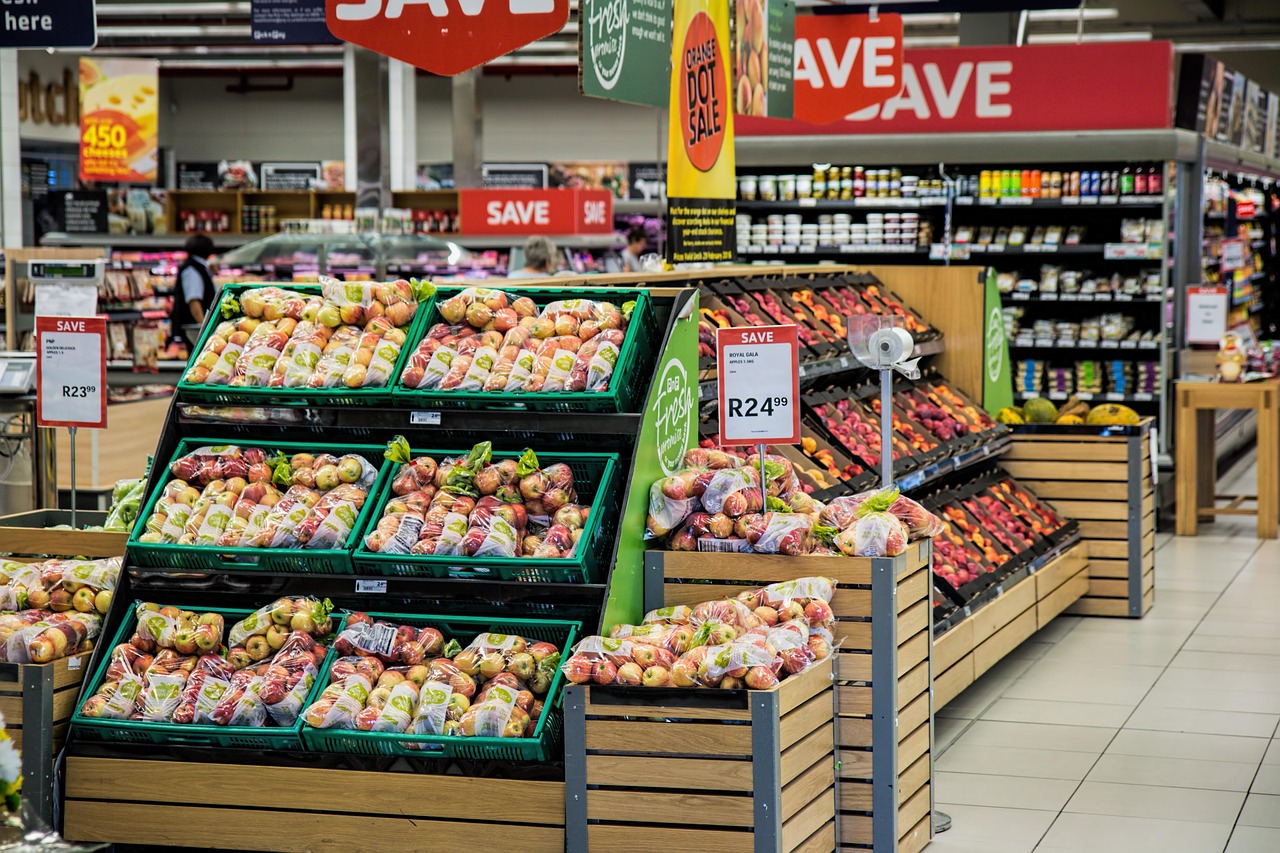
For any UK business that takes payments, the choice of till system shapes everything from daily operations to long-term profitability. A traditional cash register handles the basics — opening a drawer and printing a receipt — while a modern EPOS (Electronic Point of Sale) system acts as a full business intelligence platform that processes sales, manages stock, tracks customer behaviour and generates reports in real time. Understanding the practical gap between the two helps business owners make a confident, well-informed decision rather than a reactive one.
What Is a Traditional Till and How Does It Work?
A traditional till — sometimes called a cash register — is a standalone electromechanical or electronic device designed for one primary purpose: recording a sale and managing the cash drawer. Most models print basic receipts, display a running total and keep a simple end-of-day tally. That is broadly the extent of their capability.
Traditional tills offer genuine advantages in specific contexts: they are simple to operate, require minimal training and rarely need technical support. For a market stall or very low-volume cash-only business, they can still be a pragmatic choice. The limitations, however, become significant the moment a business grows, diversifies its payment types or needs any insight into what it is actually selling.
- No real-time stock tracking or automatic reorder alerts
- No customer data capture or loyalty programme integration
- No cloud reporting or remote access to sales figures
- Card payments require a separate, unlinked terminal
- End-of-day reconciliation is manual and time-consuming
What Is an EPOS System and What Can It Do?
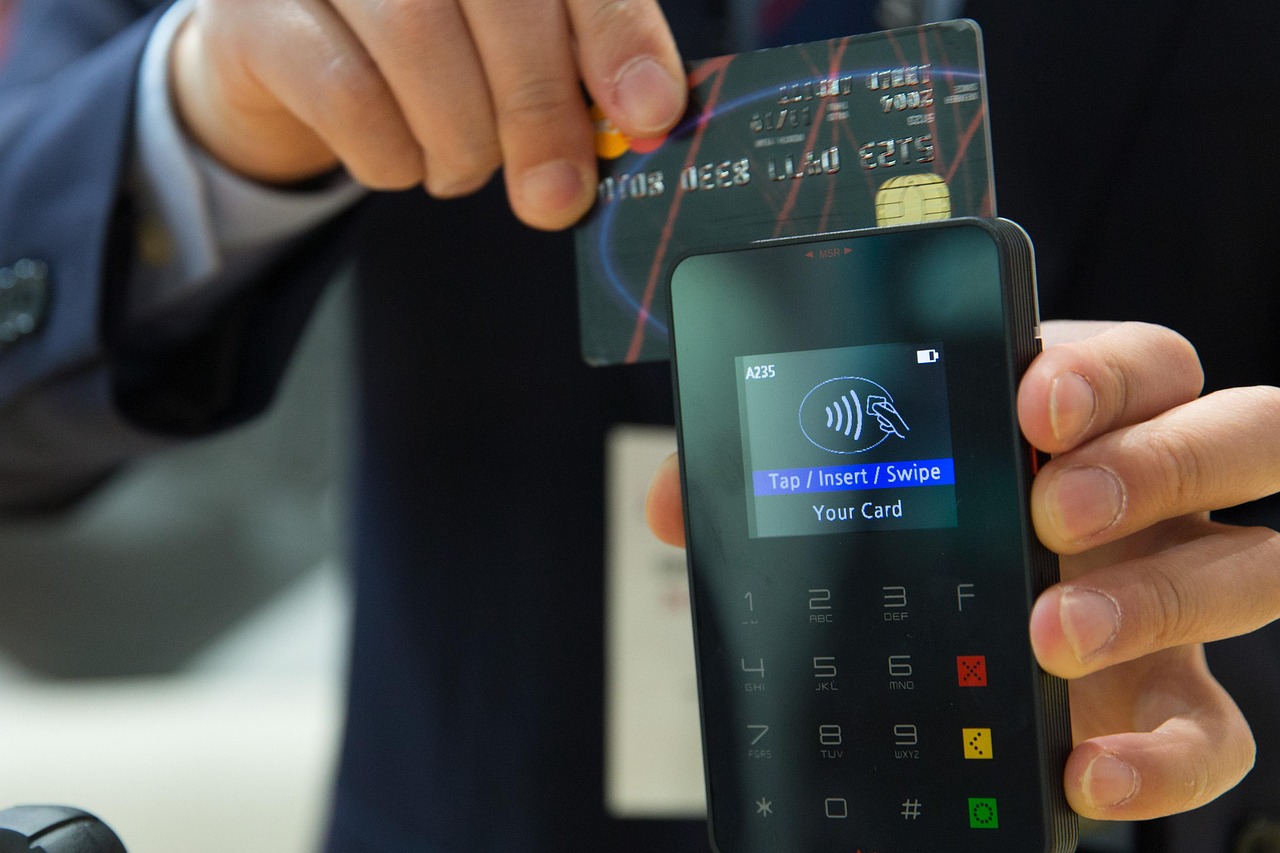
An EPOS system combines purpose-built hardware — a touchscreen terminal, barcode scanner, receipt printer and cash drawer — with intelligent software that connects every aspect of the point of sale to the wider business. Unlike a traditional till, it records not just that a sale happened, but precisely what was sold, when, at what margin, by which staff member and to which customer.
Modern cloud-based EPOS platforms go further still. Owners can log in from any device to view live sales dashboards, receive low-stock notifications, process refunds, update product prices and run promotional campaigns — all without being on the shop floor. Integration with accounting software such as Xero or QuickBooks eliminates manual data entry and reduces reconciliation errors.
Core EPOS capabilities
- Inventory management: Real-time stock levels, variant tracking (size, colour, batch) and automatic purchase order generation
- Sales reporting: Hourly, daily, weekly and custom-period reports broken down by product, category or location
- Staff management: Individual login codes, clocking in/out, performance tracking and access-level controls
- Customer relationship tools: Loyalty schemes, purchase history, targeted promotions and gift card support
- Integrated payments: Card, contactless, Apple Pay, Google Pay and split payments handled through a single unified system
- Multi-site management: Centralised control across multiple branches from one cloud dashboard
For a deeper look at the full capability set, the Complete EPOS System Guide for UK Retail and Hospitality Businesses covers hardware, software and integration options in thorough detail.
Key Differences at a Glance
The table below provides a direct, side-by-side comparison of the two approaches across the criteria that matter most to a UK business owner.
| Feature | Traditional Till | EPOS System |
|---|---|---|
| Primary function | Record sales and manage cash drawer | Full point-of-sale and business management |
| Stock management | None | Real-time, automatic, multi-location |
| Sales reporting | Basic daily total only | Granular, cloud-based, accessible anywhere |
| Card payment integration | Separate, unlinked terminal required | Fully integrated — one transaction flow |
| Staff management | None | Individual logins, permissions, performance data |
| Customer loyalty | None | Built-in or third-party loyalty integration |
| Accounting integration | Manual export / none | Automated sync with Xero, QuickBooks and others |
| Remote management | Not possible | Full access via any browser or mobile app |
| Scalability | One device, one location | Unlimited terminals and sites from one account |
| Typical upfront cost | Low (hardware only) | Moderate (hardware + software subscription) |
Which Industries Benefit Most from Switching?
Almost every customer-facing UK business gains from an EPOS upgrade, but the return on investment is particularly clear in sectors where stock complexity, table management or regulatory compliance create operational pressure.
Retail
Independent retailers, boutiques and clothing shops deal with dozens or hundreds of SKUs across multiple sizes, colours and suppliers. Manual stock counting is both inaccurate and expensive in staff time. An EPOS system eliminates phantom stock, reduces over-ordering and highlights which lines are actually profitable. Our dedicated guide to EPOS systems for clothing shops in the UK explores how fashion retailers in particular benefit from variant-level tracking and integrated e-commerce.
Hospitality and restaurants
In a busy restaurant or café, speed and accuracy at the point of order directly affect table turnover and customer satisfaction. EPOS systems designed for hospitality handle table mapping, split bills, kitchen display integration and allergen labelling — none of which a traditional till can approach. If you are running a food business, you can explore the restaurant EPOS software demo to see how a purpose-built system handles a full service environment.
Pharmacies and healthcare retail
Pharmacies face compliance requirements around dispensing records, controlled drug tracking and patient confidentiality. Specialist EPOS software built for pharmacy not only processes retail sales but manages prescription workflows, PMR integration and audit trails. The pharmacy EPOS software demo shows how these specific requirements are addressed in a single, compliant platform.
Small and independent businesses
It is a common misconception that EPOS is only for larger operations. Cloud-based systems have made enterprise-grade functionality accessible at entry-level price points, and the time saved on admin, stock checks and manual reporting quickly justifies the investment for even a single-person business. The complete 2026 guide to EPOS for small businesses addresses this in full, covering both hosted and cloud solutions suitable for lean operations.
What Does It Cost? Honest Guidance for UK Buyers
Cost is almost always the first question, and the honest answer is that modern EPOS has become far more accessible than many business owners expect. The following are indicative market ranges for the UK — not quotes — and actual pricing will vary based on the supplier, the hardware bundle and the software tier selected.
Traditional till
- Entry-level electronic cash register: typically from around £50–£150 for basic models
- No ongoing software cost, but also no ongoing capability
- A separate card terminal adds a further monthly rental or transaction fee
EPOS system
- Hardware bundle (touchscreen terminal, scanner, printer, cash drawer): typically from around £300–£800 for a single-station setup, though this varies significantly by specification
- Software subscription: many cloud EPOS platforms fall in the range of approximately £20–£80 per month per terminal, depending on the feature set
- Some providers offer combined card machine and EPOS till solutions; see the guide to card machine and till system combinations for a breakdown of integrated payment options
- Businesses sensitive to ongoing fees should also review options around card machines with no monthly fee, which can reduce the total monthly outlay
The most affordable route depends heavily on transaction volume, business type and whether you need multi-site capability. The practical buyer's guide to affordable EPOS systems for small UK businesses walks through how to evaluate total cost of ownership rather than just upfront hardware price.
For tailored pricing relevant to your specific setup, request a free demo and an adviser will walk through a solution sized correctly for your business.
Common Concerns About Making the Switch
Business owners who have used a traditional till for years often raise the same practical objections. Here is how each one stands up to scrutiny.
"My staff won't cope with new technology"
Modern EPOS interfaces are designed for speed, not complexity. Touchscreen layouts are intuitive and most staff reach full competency within a single trading day. Good suppliers provide on-site training and ongoing support as standard — a far cry from the learning curves associated with older enterprise software.
"What happens if the internet goes down?"
Reputable EPOS systems include offline mode, which allows the terminal to continue processing sales locally and sync the data automatically once connectivity is restored. This is a standard feature, not a premium add-on — but it is worth confirming with any supplier before you commit.
"Is my customer data secure?"
Cloud-based EPOS data is typically stored on encrypted servers with automatic backups — significantly more secure than a traditional till's paper roll and manual spreadsheet. UK businesses are required to handle customer data in line with UK GDPR; reputable EPOS providers operate in compliance with these obligations and can provide documentation on their data processing practices. Always verify this directly with the supplier.
"We're too small to justify the investment"
This is the concern that dissolves fastest under examination. The time saved on stocktaking, end-of-day reconciliation and manual reporting — even for a single-person operation — regularly translates to several hours per week. At any realistic hourly rate, that time saving alone often offsets the software subscription cost within the first few months of use.
How to Choose the Right EPOS System for Your Business
Selecting the right platform requires matching the system's capabilities to the specific demands of your business type, transaction volume and growth ambitions. Use these criteria to structure your evaluation.
- Define your non-negotiables: Which features are genuinely essential on day one — integrated payments, kitchen display, loyalty, multi-site? Prioritise these above everything else.
- Assess total cost of ownership: Compare hardware cost, monthly software fee, payment processing rates and support costs together — not hardware price alone.
- Check integration compatibility: If you already use Xero, Shopify, Deliveroo or any other platform, confirm that the EPOS system integrates natively before you sign anything.
- Evaluate support quality: UK-based phone support during trading hours is not optional for a live business. Confirm response times and support channels in writing.
- Request a live demo: No brochure substitutes for seeing the software in action. The retail EPOS software demo is a practical way to evaluate the platform for a shop or retail environment.
- Consider your growth path: Choose a system that scales with you — additional terminals, new locations and new sales channels — without requiring a full platform migration in two years' time.
For a comprehensive overview of what to look for across hardware and software decisions, the complete guide to EPOS and POS systems for UK businesses from EPOS Direct covers the full landscape in authoritative detail.
The Direct Answer: EPOS vs a Traditional Till
A traditional till records a transaction. An EPOS system manages a business. For any UK retailer, restaurateur or independent trader who wants real-time visibility of stock, integrated card payments, meaningful sales data and the ability to run operations remotely, an EPOS system is not an upgrade — it is a different category of tool entirely. A traditional till has a role in very low-volume, cash-only environments, but for the vast majority of modern UK businesses, the operational and commercial advantages of EPOS are clear and measurable from the first month of use.
Take the Next Step with EPOS Direct UK
EPOS Direct UK works with independent retailers, restaurant groups, pharmacies and growing businesses across the United Kingdom every day, helping them move from outdated point-of-sale setups to systems that actively support their growth. Whether you are replacing a single cash register or rolling out across multiple sites, there is a solution sized for your business.
Browse the full range of retail EPOS offers or hospitality and restaurant EPOS offers to find a package that fits. If you would prefer to talk through your specific requirements first, talk to an expert online or visit the EPOS Direct home page for the latest offers and information. The right system is closer — and more affordable — than most business owners expect.
Written by the EPOS Direct UK team, who support UK businesses with EPOS and POS system decisions every day. Pricing figures cited are indicative market ranges only and do not constitute a formal quotation. Contact EPOS Direct directly for pricing specific to your requirements.
Frequently asked questions
- Can I still accept cash if I switch to an EPOS system?
- Yes, absolutely. EPOS systems are designed to accept all payment types including cash, card, contactless, and mobile payments like Apple Pay. Switching to EPOS does not mean going cashless — you simply gain more flexibility alongside your existing cash handling.
- How much does a basic EPOS system cost for a small UK business?
- In the UK, entry-level EPOS systems typically start from around £300 to £600 for hardware (touchscreen terminal, card reader, and receipt printer). Monthly software subscriptions generally range from £20 to £60 per month depending on features. By comparison, a basic traditional electronic till can cost £100 to £300 upfront but offers very limited functionality and no ongoing business insight. Many businesses find the EPOS investment pays for itself quickly through improved stock control and faster service.
- Is an EPOS system difficult to set up and learn for my staff?
- Modern EPOS systems are built with ease of use in mind. Most have intuitive touchscreen interfaces that staff can learn within a few hours. Reputable UK suppliers like EPOS Direct provide installation support, onboarding training, and ongoing customer service, meaning you are rarely left to figure things out alone.
