We use cookies to make your experience better.
To comply with the new e-Privacy directive, you agree to the privacy policy and our use of cookies

Do You Need an EPOS System for Your Shop? A Plain-English Guide for UK Retailers
Do You Need an EPOS System for Your Shop? A Plain-English Guide for UK Retailers
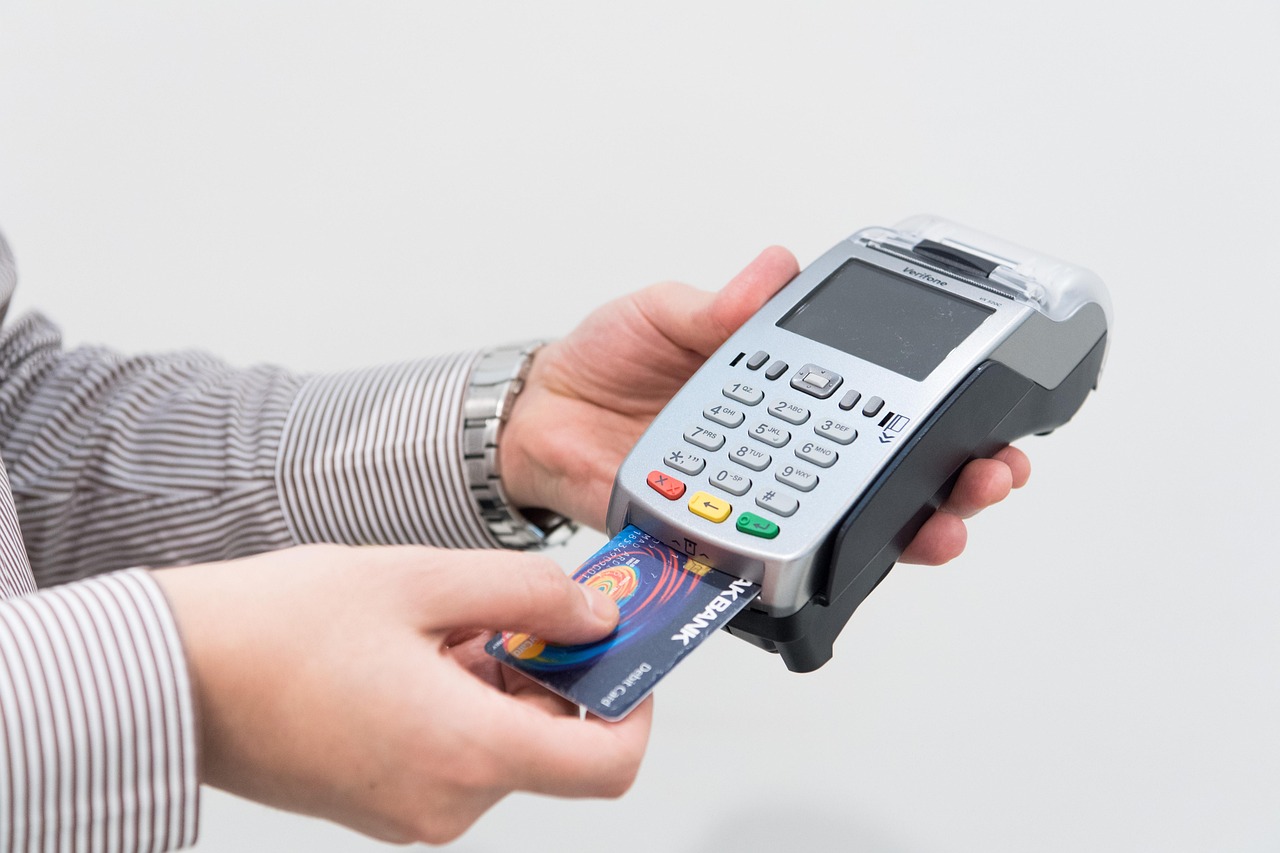
For most UK shop owners, the question isn't whether technology can help — it's whether the investment is justified for their particular business. The honest answer is that an EPOS system will benefit the vast majority of retail shops, from independent boutiques to multi-site chains, by reducing errors, saving time, and giving owners the visibility they need to make better decisions. Whether you're running a busy convenience store, a specialist gift shop, or a growing clothing retailer, understanding what EPOS actually does — and what it costs — makes the decision straightforward.
What Is an EPOS System and How Does It Differ from a Basic Till?
A traditional electronic cash register records sales and opens a cash drawer. That's largely where its usefulness ends. An EPOS (Electronic Point of Sale) system does all of that, but it also connects every transaction to a live database — tracking stock levels, generating sales reports, managing customer accounts, and integrating with card payment terminals and accounting software.
Think of a cash register as a calculator with a drawer. An EPOS system is closer to a business command centre that happens to process payments. The difference in day-to-day running becomes apparent almost immediately: stock discrepancies shrink, end-of-day reconciliation takes minutes rather than an hour, and you can see at a glance which products are actually driving profit.
If you're currently relying on a standalone cash register and wondering whether an upgrade makes sense, our guide on how to switch from a cash register to a modern EPOS system walks through the practical steps in plain English.
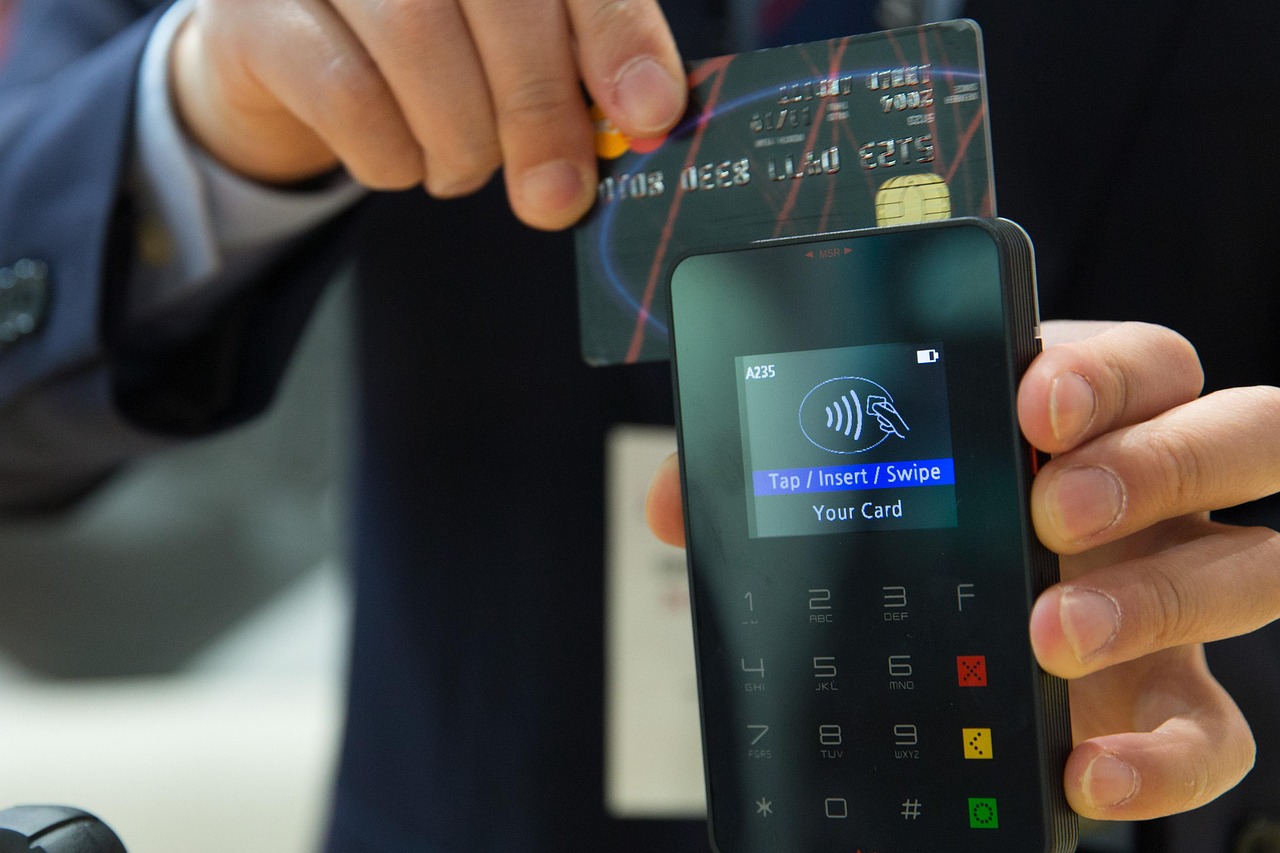
Signs Your Shop Could Benefit from an EPOS System
Not every shop needs the most sophisticated setup, but several tell-tale situations suggest your current system is holding you back:
- Stock surprises: You regularly discover you've run out of a product, or find shelves full of slow movers you didn't intend to over-order.
- Slow checkouts: Queues build at the till during busy periods because staff are manually keying prices or searching for product codes.
- End-of-day chaos: Cashing up takes significant time and the figures rarely match your receipts cleanly.
- No sales data: You make buying decisions based on instinct rather than actual product-level performance.
- Card payment friction: Your card machine isn't linked to your till, meaning staff must enter totals twice — a process that invites errors and slows service.
- Manual refunds and exchanges: Processing returns requires digging through paper receipts or simply trusting the customer's word.
- Growing team: You have multiple staff and no reliable way to track individual performance or prevent till discrepancies.
If two or more of these resonate, an EPOS system will almost certainly pay for itself — often within the first year through reduced shrinkage and time savings alone.
Key Features to Look for in a Retail EPOS System
The market includes a wide range of systems, so knowing which features genuinely matter for a retail environment helps you avoid paying for hospitality-focused tools you'll never use.
Core retail essentials
- Barcode scanning: Fast, accurate product lookup at the point of sale.
- Real-time stock management: Automatic deduction of sold items, with low-stock alerts.
- Purchase orders and supplier management: Raise orders directly from the system when stock falls below threshold.
- Promotions and discounts: Programmable deals — buy-one-get-one, percentage discounts, loyalty points — applied automatically at the till.
- Integrated card payments: A single transaction flow that eliminates double-entry errors. See our overview of the best EPOS systems with integrated card payments for a detailed look at how this works in practice.
Reporting and business intelligence
- Sales by product, category, staff member, and time of day
- Gross margin reporting per SKU
- VAT and Z-read reports for accountants
- Exportable data for integration with Xero, Sage, or QuickBooks
Hardware considerations
Most modern retail EPOS hardware includes a touchscreen terminal, barcode scanner, receipt printer, and cash drawer. Some retailers also benefit from customer-facing displays and handheld stock-take devices. Wireless card machine compatibility is worth checking early — our guide to the best wireless card machines for small businesses covers what to look for in a card reader that works seamlessly alongside your EPOS setup.
How Much Does an EPOS System Cost for a UK Shop?
Costs vary considerably based on whether you purchase outright, take a subscription, and how much hardware you need. The figures below are indicative ranges based on typical UK market pricing — always request a personalised quote before committing.
| Setup Type | Indicative Hardware Cost | Indicative Software Cost | Best Suited To |
|---|---|---|---|
| Entry-level single till | Typically from £300–£600 | From £30–£60 per month | Sole traders, market stalls, pop-ups |
| Mid-range retail system | Typically £600–£1,500 | From £50–£100 per month | Independent shops, boutiques, gift retailers |
| Full retail bundle (hardware + software + support) | Typically £1,200–£2,500 | Often included or from £60–£120 per month | Established single-site or small multi-site retailers |
| Multi-site / enterprise | Variable — per terminal pricing | From £100+ per month across sites | Chains, franchises, high-volume retailers |
The subscription versus outright purchase decision deserves careful thought — it affects cash flow, tax treatment, and long-term flexibility. Our dedicated guide on monthly EPOS subscriptions versus outright purchase breaks down both approaches so you can make an informed choice based on your business model.
To explore current pricing and packages tailored for UK retailers, view our retail EPOS offers or talk to an expert online for a no-pressure conversation about what your specific shop actually needs.
Common Concerns About Switching to EPOS — and the Real Answers
"It'll be too complicated for my staff to learn"
Modern EPOS interfaces are built for speed, not technical expertise. A well-designed touchscreen system can typically be picked up by new staff in under an hour of hands-on practice. The suppliers worth working with offer proper onboarding, training materials, and ongoing support — not just a box delivered to your door.
"What happens if the internet goes down?"
Reputable EPOS systems operate in offline mode, continuing to process sales locally and syncing data once connectivity is restored. Ask any supplier specifically about their offline capability before purchasing — this is a non-negotiable for physical retail.
"I'm not sure it's worth it for a small shop"
This is the most common hesitation, and it's understandable. But the cost of not having proper stock control — over-ordering, running out of bestsellers, undetected theft — is often higher than the system cost itself. Our buyer's guide to the best till systems for small shops addresses this specifically, with practical advice calibrated to smaller operations.
Which Types of Shops Benefit Most from EPOS?
While almost any retail environment gains something from a proper EPOS system, certain shop types see especially fast returns on the investment:
- Convenience stores and newsagents: High transaction volumes, age-verification prompts, and tobacco/lottery stock tracking all become far easier to manage.
- Clothing and footwear boutiques: Variants (size, colour, style) make manual stock tracking a nightmare; EPOS handles this natively.
- Health food and pharmacy: Controlled product management, batch tracking, and detailed reporting are often compliance requirements as much as operational needs. You can explore a pharmacy EPOS software demo to see how specialist functionality is handled.
- Gift shops and homewares: Large, varied product ranges with seasonal turnover benefit enormously from category-level reporting.
- Off-licences and specialist food retailers: Supplier management, margin tracking, and promotions all integrate cleanly.
- Cafés and quick-service food retailers: If your shop has any food-to-go element, consider a system built for that crossover — our hospitality and restaurant EPOS offers cover the full range of F&B-adjacent scenarios.
How to Choose the Right EPOS System for Your Business
With a clear sense of your needs, the selection process becomes straightforward. Use the following criteria to evaluate any system seriously:
- Does it handle your product complexity? Single-price items, variable products, and perishables all have different requirements. Confirm the system you're considering manages your specific product types before anything else.
- Is card payment integration native or bolted on? Native integration avoids double-entry and gives cleaner end-of-day reporting. A card machine that's merely placed next to the till isn't the same thing.
- What does ongoing support look like? UK-based support, available during your trading hours, is worth prioritising over a cheaper system with only email support and long response times.
- Can it grow with you? Adding a second till, an online channel, or a click-and-collect function should be possible without replacing your entire system.
- How does it compare to alternatives? Our comprehensive comparison guide to till systems and competitors gives an honest breakdown of how different approaches stack up across the criteria that matter most.
For a broader view of what the market offers at different price points, the practical buyer's guide to till systems for small businesses is a useful companion to this article. And if you'd like to see the software before committing to anything, a retail EPOS software demo is the most efficient way to understand exactly what you'd be working with every day.
The Bottom Line
For the overwhelming majority of UK shop owners, a modern EPOS system isn't a luxury — it's the operational foundation that makes everything else run more smoothly, from stock control and staff management to customer experience and financial reporting. The investment pays back through time saved, errors avoided, and decisions made with real data rather than guesswork.
EPOS Direct UK works with independent retailers and growing retail businesses across the United Kingdom every day, helping shop owners find the right system for their size, sector, and budget. Explore everything available on the EPOS Direct UK home page, or request a free demo to see how the right EPOS setup could transform the way your shop runs.
Written by the EPOS Direct UK team, specialists in retail and hospitality EPOS systems for UK businesses.
Frequently asked questions
- Can I run a small shop without an EPOS system?
- Yes, technically you can use a basic cash register or even a manual process, but as soon as you are managing more than a handful of products, multiple payment types or more than one member of staff, a basic till becomes a liability. You lose visibility over stock, miss sales data and waste time on manual admin. Most small UK retailers find that even an entry-level EPOS system pays for itself quickly through reduced shrinkage and faster checkout times.
- How much does an EPOS system cost for a retail shop in the UK?
- Costs vary depending on the setup you need. A basic cloud-based EPOS package for a single retail till typically starts from around £15–£30 per month on a subscription, or a one-off hardware and software bundle from roughly £300–£800 for an entry-level system. Mid-range retail setups with a touchscreen terminal, receipt printer, barcode scanner and cash drawer generally range from £600 to £1,500. Larger multi-till or multi-site installations can run from £1,500 upwards. EPOS Direct UK offers flexible pricing to suit independent retailers and growing chains alike.
- Will switching to an EPOS system disrupt my shop while I set it up?
- Disruption is minimal when you plan ahead. Most modern EPOS systems, including those from EPOS Direct UK, are designed for quick installation — often within a few hours. Cloud-based systems mean your data is accessible immediately, and reputable suppliers provide onboarding support and training so your staff can get up to speed before you go live. Many retailers choose to set up out of trading hours or during a quiet period to make the transition seamless.
