We use cookies to make your experience better.
To comply with the new e-Privacy directive, you agree to the privacy policy and our use of cookies


EPOS Software Pricing Explained: What UK Businesses Really Pay
How Much Does EPOS Software Cost in the UK? A Complete Pricing Guide
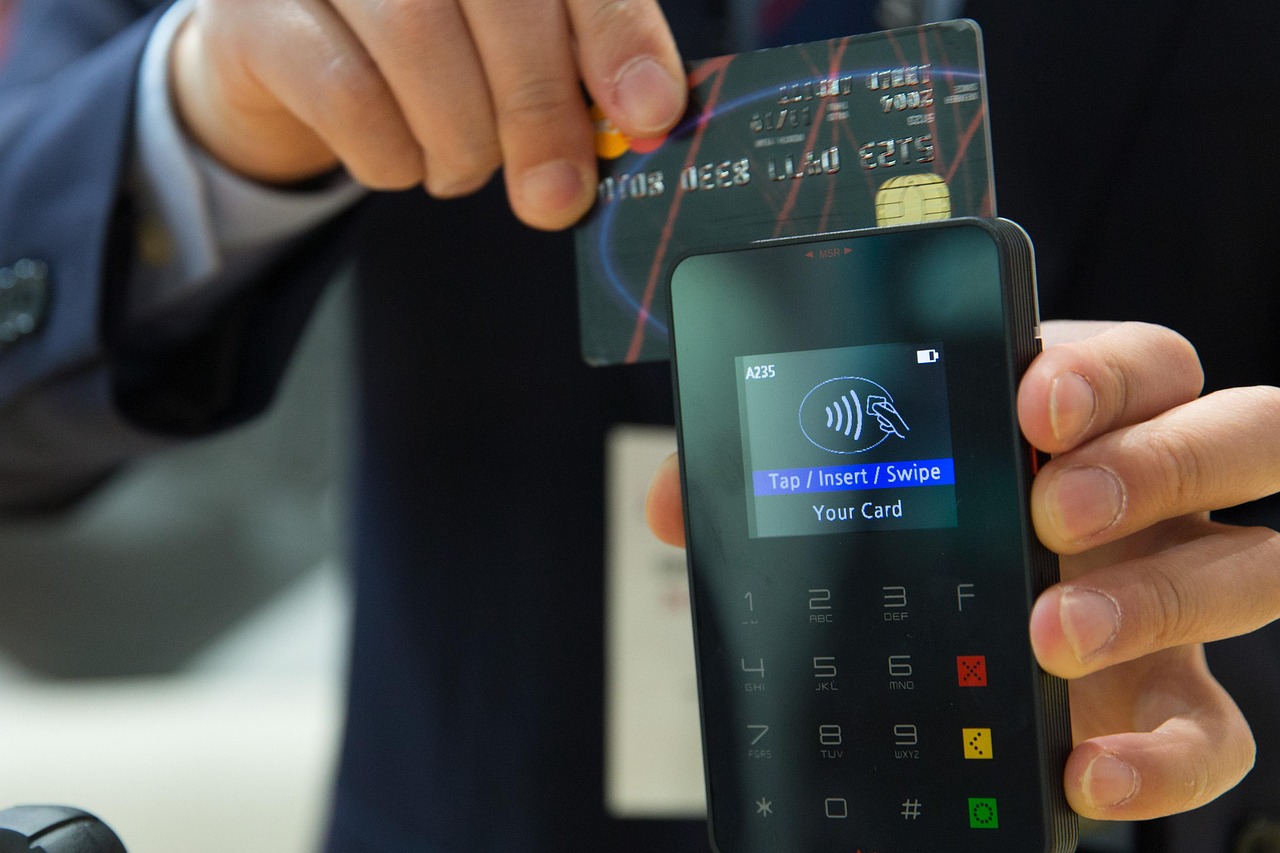
For most UK businesses, EPOS software costs anywhere from around £20 to £150 or more per month on a subscription basis, or a larger one-off licence fee ranging from a few hundred to several thousand pounds depending on feature depth and the number of terminals. The total you pay depends on several interlocking factors — your sector, the pricing model you choose, and the hidden costs that many providers bury in the small print. This guide unpacks every layer of EPOS software pricing so you can budget with confidence and choose a solution that genuinely fits your business.
Written by the EPOS Direct UK team, who help UK businesses across retail, hospitality, pharmacy and beyond find the right EPOS solution every day.
What Affects the Price of EPOS Software in the UK?
No two businesses have identical needs, which is why software pricing varies so widely. Understanding the main drivers helps you compare quotes on a like-for-like basis rather than being swayed by the headline number alone.
- Number of terminals: Most vendors price per till or per user. A single-terminal café pays far less than a multi-lane supermarket, and that gap compounds quickly as you scale.
- Feature depth: Basic transaction processing costs less than a platform offering integrated loyalty schemes, multi-site stock management, kitchen display systems (KDS) or advanced reporting dashboards.
- Sector-specific modules: Pharmacy EPOS software must support PMR (Patient Medication Record) integrations and compliance workflows. Retail EPOS needs attribute-level stock control. These specialist requirements carry a premium over generic solutions.
- Integration requirements: Connecting to accounting software such as Xero or Sage, e-commerce platforms, or third-party delivery apps adds licensing or API fees, either charged by the EPOS provider or the third-party platform.
- Contract length: Rolling monthly contracts cost more per month than annual or multi-year commitments. The inverse is also true — locking in long-term reduces monthly outlay but increases exit costs if your needs change.
- Support tier: 24/7 telephone support is not universally included at entry-level price points. Upgraded support packages add to the total cost of ownership.
Common EPOS Software Pricing Models: Subscription vs One-Off Licence
The UK market has shifted decisively toward subscription (SaaS) pricing over the past decade, but one-off licences have not disappeared — particularly in high-volume retail and pharmacy. Each model has genuine advantages, and the right choice depends on your cash flow preferences and long-term plans.
Subscription (SaaS) pricing
You pay a recurring fee — monthly or annually — to access the software. Updates, security patches and (at higher tiers) support are typically bundled in. Cash outlay is low upfront, which suits new or growing businesses, and you can often scale your plan as you add terminals. The trade-off is that you never "own" the software, and cumulative costs over five or ten years may exceed a one-off licence.
One-off (perpetual) licence
A single upfront payment grants permanent use of a specific software version. You own it, and there are no recurring software fees — though hardware maintenance contracts and paid upgrade packages are common additional costs. This model suits established businesses with stable requirements and a preference for predictable, controllable IT spend. Bear in mind that perpetual licences rarely include automatic updates; you may need to pay again for major version upgrades.
Hybrid and bundled models
Some providers — including EPOS Direct UK — offer bundled packages that combine hardware, software and ongoing support into a single monthly or annual price. These can be genuinely cost-effective because the total cost of ownership is transparent from day one. If you are considering a combined hardware-and-software package, our guide to card machines and till systems combined explains what to look for in a bundled setup.
Typical EPOS Software Price Ranges by Business Type
The figures below are indicative market ranges for UK businesses based on publicly available information and our experience working with thousands of UK operators. They are guidance only — not quotes — and your actual investment will depend on the specific configuration you need.
| Business Type | Entry-Level (approx. per month) | Mid-Range (approx. per month) | Advanced / Multi-Site (approx. per month) | Key Features Driving Cost |
|---|---|---|---|---|
| Small independent retailer (1 terminal) | From £20–£40 | £40–£80 | £80–£150+ | Stock management, loyalty, e-commerce sync |
| Clothing & fashion boutique | From £30–£50 | £50–£100 | £100–£200+ | Attribute-level stock (size/colour), returns, multi-location |
| Café or quick-service restaurant | From £25–£50 | £50–£100 | £100–£200+ | Table management, KDS, online ordering integration |
| Full-service restaurant or bar | From £50–£80 | £80–£150 | £150–£350+ | Multi-course ordering, allergen management, staff scheduling |
| Pharmacy | From £60–£100 | £100–£200 | £200–£400+ | PMR integration, controlled drug logging, compliance reporting |
| Multi-site retail chain | N/A | From £200 (estate total) | £500–£1,000+ | Centralised reporting, inter-branch stock transfer, CRM |
If keeping costs as low as possible is a priority, our in-depth comparison of the most affordable EPOS systems for small businesses in the UK can help you weigh value against functionality without overspending.
Hidden Costs to Watch Out For: Setup, Support and Transaction Fees
A suspiciously low headline price is often made whole by costs that appear only after you sign. A real buyer should always ask for a fully loaded cost-of-ownership figure — not just the monthly software fee.
Installation and onboarding fees
Some providers charge a one-off setup fee covering data migration, staff training and system configuration. These fees typically range from a few hundred to over a thousand pounds for complex multi-terminal installations. Ask whether remote or on-site setup is included, and clarify how many hours of training are covered.
Transaction or processing fees
Certain software platforms are monetised partly through a percentage taken from each transaction processed through their integrated payment gateway. Even a fraction of a percent compounds significantly at volume. If you process high card-payment volumes, explore providers that allow you to use your own acquiring bank rather than a captive payment processor. For businesses weighing up payment hardware alongside software, see our guide to the best wireless card machines for small businesses in the UK.
Support and maintenance contracts
Many entry-level plans offer email-only or community support. If your till goes down on a busy Saturday, that is not acceptable. Confirm response times in writing, and establish whether out-of-hours support incurs additional charges or requires a premium tier.
Software update and upgrade fees
With SaaS, updates are typically automatic. With perpetual licences, major version upgrades — and sometimes even regulatory compliance updates — may be sold separately.
Hardware costs
Software pricing rarely includes the physical terminal, receipt printer, barcode scanner or cash drawer. Bundled packages that combine all components are often better value than sourcing them independently. Our guide to the best till systems for small businesses in the UK covers the hardware side in detail.
Cloud-Based vs On-Premise EPOS Software: Which Offers Better Value?
This is one of the most practical questions a buyer can ask, and the answer depends on your priorities rather than a universal truth.
Cloud-based EPOS software
Data is stored remotely and accessible from any authorised device. Real-time reporting, automatic backups and remote management are major operational advantages — particularly for multi-site businesses or owners who want to monitor sales remotely. The ongoing subscription cost is the trade-off, and you are dependent on a reliable internet connection for full functionality (though reputable platforms offer offline mode).
On-premise EPOS software
The software runs on local hardware, with data stored on your own server. This appeals to businesses in locations with unreliable connectivity or those with strict data governance requirements. Upfront costs are higher, and IT maintenance falls to you or a contracted support provider. Long-term, it can be cheaper — but only if you are confident your requirements will remain stable.
For most small and medium UK businesses, a cloud-based solution with a reliable offline contingency offers the best balance of cost, flexibility and resilience. Our complete 2026 guide to EPOS systems for small businesses explores this trade-off with practical decision criteria.
What Is Included in EPOS Direct UK's Software Packages?
EPOS Direct UK offers purpose-built software for retail, hospitality and pharmacy — each designed around the specific workflows and compliance requirements of those sectors, rather than a generic platform forced to fit different businesses. Core capabilities across our packages include:
- Real-time stock management and automatic low-stock alerts
- Integrated customer loyalty and CRM tools
- Detailed sales reporting and end-of-day reconciliation
- Multi-terminal and multi-site management from a single dashboard
- Integrated payment processing with support for multiple card machine configurations
- Sector-specific modules: table management for hospitality, attribute-level stock for retail, PMR integration for pharmacy
- UK-based support from a team with genuine sector expertise
You can explore our full EPOS software range to see current package details, or go straight to a live demonstration tailored to your sector:
For clothing and fashion retailers specifically, our article on the best EPOS systems for clothing shops in the UK explains how the right software handles size runs, seasonal stock and returns without friction.
How to Choose the Right EPOS Software for Your Budget
The right software is not necessarily the cheapest, nor the most feature-rich — it is the one that delivers the capabilities you actually use at a price that makes commercial sense across a realistic ownership period. Apply these criteria when evaluating options:
- Map your workflows first. List every process your team performs at the point of sale — from taking payment and managing stock to applying discounts and generating end-of-day reports. Any platform you consider must handle these natively, not via a workaround.
- Ask for a total cost of ownership figure over 36 months. Include software, hardware, support, payment processing and any integration fees. This single number makes providers genuinely comparable.
- Test before you commit. A reputable provider will offer a free demonstration or trial. If they will not, treat that as a red flag. You can request a free demo from EPOS Direct UK with no obligation.
- Verify support credentials. Ask specifically: what is the support window, what is the average response time, and is there a dedicated account manager? Support failures at peak trading are extraordinarily costly relative to what you save on a cheaper plan.
- Plan for growth. A system that fits today but cannot scale to a second terminal or add online ordering in twelve months will cost you far more to replace than the modest premium of choosing a scalable platform now.
- Check payment flexibility. Confirm whether you can use your preferred card machine provider or whether you are locked into the software vendor's integrated payments. Our guide to card machines with no monthly fee is worth reading if payment costs are a priority.
If you are still unsure which direction to take, our broader resource on EPOS and POS systems for UK businesses covers the full landscape, and the EPOS Direct UK home page brings together our latest offers, packages and information in one place.
Conclusion: Make an Informed Investment, Not a Guessed Purchase
EPOS software pricing in the UK spans a wide range because businesses span a wide range — a single-terminal market stall and a ten-site restaurant group have almost nothing in common beyond the act of taking payment. The businesses that get the best value are those that treat software selection as a structured procurement decision: defining requirements first, calculating total cost of ownership, demanding a live demonstration, and scrutinising support terms with the same rigour they apply to the headline price.
EPOS Direct UK exists to make that process straightforward. Whether you need retail, hospitality or pharmacy software, our team can walk you through the options, show you exactly what you would be getting, and build a package that is genuinely cost-effective for your scale and sector. Talk to an EPOS Direct expert online today, or if you would prefer to see the software in action first, request your free, no-obligation demo and let us show you what the right EPOS solution looks like for your business.
Frequently asked questions
- How much should I expect to pay for EPOS software for my UK retail shop?
- For a single-site UK retail business, EPOS software typically costs between £20 and £80 per month on a subscription plan, or a one-off licence fee ranging from £300 to £1,500 depending on features and vendor. Entry-level cloud solutions are cheaper upfront but add up over time, while a full licence from a provider like EPOS Direct can offer better long-term value when bundled with hardware and support.
- Is there a free trial available before I commit to an EPOS software package?
- Many reputable UK EPOS providers, including EPOS Direct, offer demonstrations or trial periods so you can assess the software before committing. It is worth requesting a live demo tailored to your business type, whether that is retail, hospitality or a service environment, to ensure the system fits your workflow before signing any contract.
- Are there any ongoing costs beyond the initial EPOS software price?
- Yes. Beyond the base software price, UK businesses should budget for support and maintenance contracts (typically £10–£50 per month), software update fees if on a one-off licence, payment processing or transaction fees, staff training, and any hardware integration costs. Always ask for a full total cost of ownership breakdown rather than just the headline licence price.
