We use cookies to make your experience better.
To comply with the new e-Privacy directive, you agree to the privacy policy and our use of cookies


How Much Does an EPOS System Cost? A Plain-English Guide for UK Businesses
How Much Does an EPOS System Cost for UK Retail & Hospitality?
For most UK retail and hospitality businesses, the total cost of running an EPOS system falls somewhere between a few hundred pounds for a basic single-till setup and several thousand pounds for a fully integrated multi-site solution — with ongoing monthly fees typically ranging from around £20 to £150 or more depending on the software tier and support package chosen. The wide variance reflects how dramatically different two businesses' requirements can be: a market stall needs something fundamentally different from a four-branch restaurant group. This guide breaks down every cost layer honestly, so you can build a realistic budget and avoid surprises.
Written by the EPOS Direct UK team, who support retailers, restaurateurs and independent businesses across the United Kingdom every day with EPOS and POS system advice, configuration and ongoing service.
What Actually Drives the Price of an EPOS System?
Before reaching for a budget figure, it helps to understand the four cost levers that determine what you'll pay. Every quote you receive from a supplier — including ours — is shaped by these variables:
- Hardware scope: The number of tills, peripheral devices and any specialist equipment (kitchen display screens, customer-facing displays, integrated scales) adds up quickly.
- Software licensing model: A one-off perpetual licence, a monthly SaaS subscription or a bundled "hardware plus software" package each carry different upfront and long-term cost profiles.
- Payment processing: Whether you use an integrated card payment solution or a standalone card machine — and who processes your transactions — affects your running costs significantly.
- Support, training and installation: These are frequently underestimated and, as we cover later, can add meaningfully to the first-year total.
Understanding which of these levers matters most to your business is the starting point for any sensible EPOS budget. If you're comparing options, our complete guide to EPOS and POS systems for UK businesses gives a thorough grounding in how the market is structured.
Typical EPOS Hardware Costs: Tills, Scanners and Card Readers
Hardware is usually the most visible line item on any EPOS quote. The components you're likely to need — and what they typically cost in the UK market — break down as follows:
- Touchscreen till terminal: Typically from around £300 to £900 for a quality commercial-grade unit. All-in-one terminals (screen, CPU and cash drawer integrated) sit toward the higher end.
- Cash drawer: Usually £50–£150, often bundled with till packages.
- Barcode scanner: Entry-level handheld scanners from approximately £60; presentation scanners for high-volume retail from around £200.
- Receipt printer: Thermal receipt printers typically £80–£200 depending on speed and connectivity.
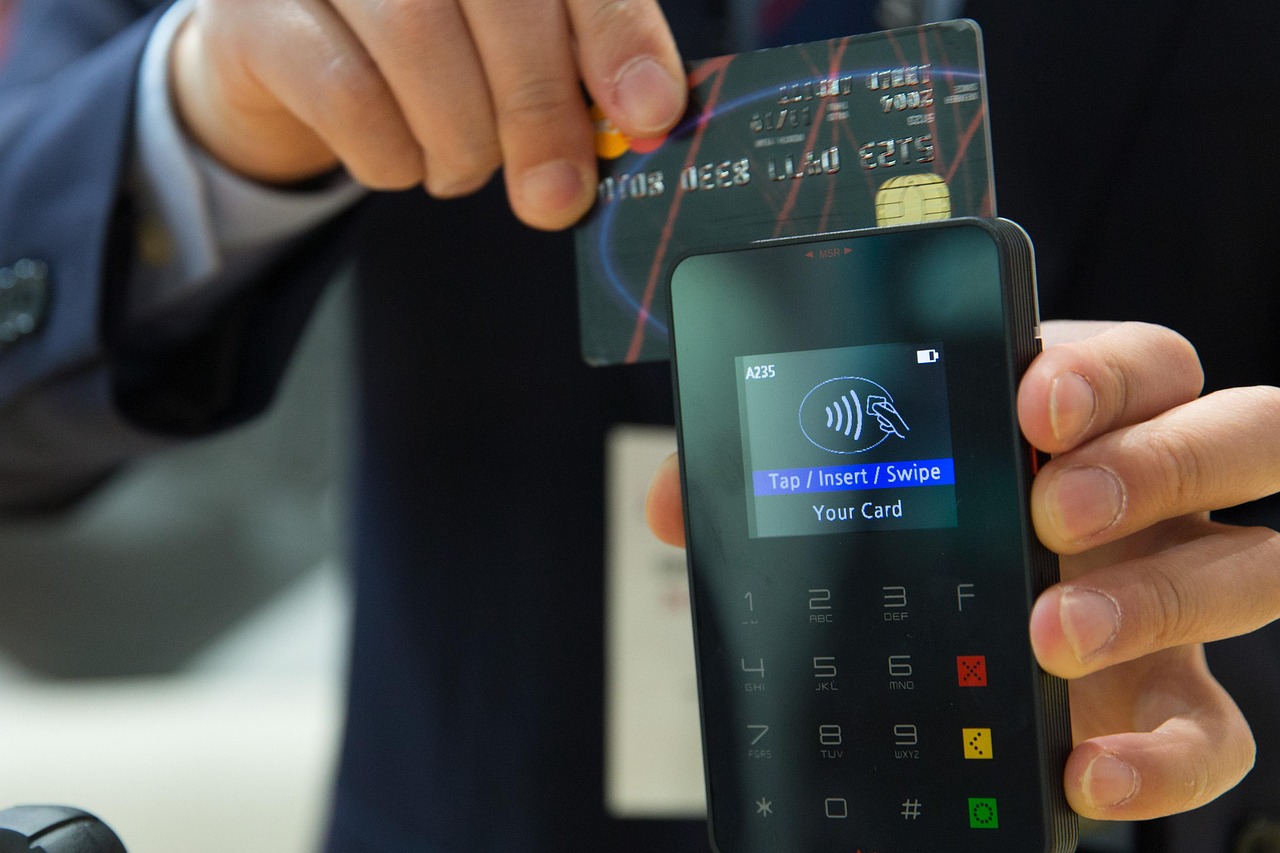
- Card reader / payment terminal: Standalone card machines from approximately £30–£150 (purchased outright); integrated countertop terminals vary by processor agreement.
- Kitchen printer or KDS (Kitchen Display Screen): Relevant for hospitality; printers from around £100, display screens from £300 upwards.
A practical single-till starter kit for a small independent retailer or café — terminal, printer, scanner and cash drawer — typically costs in the region of £500–£1,200 when purchased outright. If you're evaluating card reader options separately, our guide to the best wireless card machines for small businesses in the UK covers the options in detail.
EPOS Software Pricing: What to Expect Month to Month
Software is where ongoing costs accumulate and where the biggest differences between providers emerge. There are three common models:
1. Monthly SaaS Subscription
The most common model in the current market. You pay a recurring fee — typically from around £20 per month for entry-level retail software up to £80–£150 per month for advanced hospitality platforms with multi-site management, loyalty, and detailed reporting. This model keeps upfront costs lower and usually includes automatic updates.
2. One-Off Perpetual Licence
A single purchase granting indefinite use of the software version you buy. Upfront costs are higher — often £300–£800 or more per terminal — but ongoing fees are limited to optional support contracts and upgrades. Suits businesses that prefer capital expenditure over recurring costs and have stable, predictable requirements.
3. Bundled Hardware-and-Software Packages
Many suppliers, including EPOS Direct UK, offer bundles where hardware and software are priced together — sometimes with a modest monthly fee covering both. This is often the most cost-effective route for new businesses. You can explore our EPOS software options to see how our retail and hospitality platforms are structured, or book a retail EPOS software demo to see the functionality before committing.
Payment Processing and Transaction Fees Explained
Payment processing is one of the most consequential — and most frequently misunderstood — cost areas. Broadly, there are two things to account for:
- Terminal rental or purchase cost: If your card machine is rented through a processor, expect a monthly rental fee. If purchased outright, this is a one-off cost.
- Transaction fees: These are charged as a percentage of card turnover, sometimes with a small per-transaction minimum. Rates vary considerably by processor, contract length, card type (consumer vs commercial, debit vs credit) and your monthly card turnover.
Integrated EPOS systems — where the card terminal communicates directly with your till software — remove manual keying errors, speed up service and simplify end-of-day reconciliation. Our guide to EPOS systems with integrated card payments in the UK explains how integration works and what to look for in a processing agreement. If avoiding fixed monthly fees is a priority, our breakdown of card machines with no monthly fee outlines the trade-offs honestly.
Single-Site vs Multi-Site: How Costs Scale
The table below gives a simplified but honest picture of how pricing typically scales across different business sizes. All figures are indicative and exclude payment processing fees and installation.
| Business Type | Typical Setup | Indicative Hardware Cost | Indicative Monthly Software Fee | Notes |
|---|---|---|---|---|
| Small independent retailer or café (single site) | 1 till, scanner, printer, cash drawer | From ~£500–£1,200 | From ~£20–£50/month | Entry-level bundles available; see affordable EPOS options for small businesses |
| Growing independent (single site, higher volume) | 1–2 tills, integrated card payments, stock management | From ~£1,000–£2,500 | From ~£40–£80/month | Integrated payments and stock reporting add value at this stage |
| Restaurant or pub (single site) | 2–3 tills, kitchen printer/KDS, table management | From ~£2,000–£5,000 | From ~£60–£130/month | Hospitality software with covers, modifiers and reservations integration |
| Multi-site retail or hospitality group | 3+ sites, centralised back office, staff management | From ~£4,000+ | From ~£100–£200+/month | Bespoke pricing common; per-site licences may apply |
For multi-site operators, the software back office — providing consolidated reporting, centralised menu or product management and staff scheduling — is where the most significant value lies. The incremental hardware cost per site is fairly predictable; the software and support costs deserve careful scrutiny.
Hidden Costs to Watch Out For
A common frustration among business owners who've been through a prior EPOS purchase is discovering costs they weren't quoted upfront. Here are the ones worth probing before you sign:
Installation and Configuration
Professional on-site installation typically costs £150–£400 per day depending on complexity and location. Remote configuration (common for straightforward single-site setups) is often included or charged at a lower rate. Ask specifically whether your quoted package includes installation or whether it is billed separately.
Staff Training
Vendor-delivered training — either on-site or via webinar — ranges from included in bundle pricing to a separate day-rate charge. Factor in the internal cost of staff time too; a proper training session on a new system typically takes two to four hours for front-of-house teams.
Ongoing Support Contracts
Some providers include support within the monthly fee; others charge separately for telephone support, remote access or next-business-day hardware swap. Clarify response time commitments, particularly if you operate across evenings and weekends, when most till issues tend to surface.
Data Migration and Setup
Migrating an existing product database, customer records or staff rotas to a new system can take significant time. If your supplier charges for this work, get a fixed estimate rather than a time-and-materials arrangement.
Contract Length and Exit Clauses
Software subscriptions and payment processing agreements often carry minimum terms — commonly 12 or 24 months. Understand the cost of exiting early before committing, particularly on the payment processing side where penalties can be material.
Does Sector Matter? Retail vs Hospitality Costs Compared
Yes, meaningfully. Retail EPOS systems are generally simpler in their operational requirements: product lookup, barcode scanning, stock management and end-of-day reporting cover most use cases. Hospitality systems carry additional complexity — table management, split bills, course firing, allergen management and integration with reservation platforms — which typically pushes both software fees and configuration costs higher.
If you run a restaurant, café or bar, our practical buyer's guide to till systems for small businesses addresses the hospitality context alongside retail considerations. For businesses that take payment in multiple settings — at a counter and tableside, for example — a combined card machine and till system is worth evaluating as a unified solution.
How to Choose the Right EPOS System for Your Budget
The most important question isn't "what's the cheapest option?" — it's "what does this system cost me over three years, and does it support how my business will grow?" Here's a simple decision framework:
- Define your non-negotiables: List the features without which the system won't work for your business — integrated card payments, stock alerts, table management, loyalty, online order integration, and so on.
- Map the total cost of ownership: Hardware + software (monthly fee × contract term) + payment processing + installation + support. Compare this across at least two or three proposals.
- Assess the supplier's support capability: Your EPOS system needs to work during your busiest periods. Ask about support hours, average response times and what happens if a till fails on a Saturday afternoon.
- Verify scalability: If you plan to open a second site or move to online ordering, confirm that the system can accommodate this without a full replacement.
- Ask for a demo before committing: Software functionality that looks good in a brochure can feel cumbersome in daily use. A live demo — or a restaurant EPOS software demo for hospitality operators — is the most reliable way to assess fit.
For pharmacy or specialist retail operators, we also offer a dedicated pharmacy EPOS software demo that reflects the specific compliance and workflow requirements of that sector.
Our complete guide to EPOS systems for small businesses is a useful companion resource if you're earlier in the decision process and want to understand the landscape before engaging suppliers. For a wider view of what EPOS Direct UK offers across hardware, software and support, the EPOS Direct UK home page is your starting point for current offers and information.
Getting a Tailored Quote
Given how much pricing varies by sector, business size, software requirements and contract structure, the most accurate way to understand your costs is to speak with a specialist who can map a solution to your actual operation — rather than quoting a generic package.
EPOS Direct UK works with independent retailers, growing hospitality businesses and multi-site operators across the United Kingdom. Our team can walk through your requirements, demonstrate the relevant software and give you a clear, itemised cost picture with no obligation. Request a free demo to see our systems in action, view our retail EPOS offers or hospitality and restaurant EPOS offers for current packages, or talk to an expert online if you'd prefer to ask questions before booking a demo. We're here to help you make a confident, well-informed decision — not a rushed one.
Frequently asked questions
- What is a realistic budget for an EPOS system for a small UK shop or café?
- For a single-terminal setup in the UK, most small businesses should budget between £300 and £800 for entry-level hardware (touchscreen till, receipt printer, barcode scanner) and between £20 and £60 per month for cloud-based EPOS software. All-in-one starter bundles from providers like EPOS Direct can bring this closer to £500–£700 upfront with low monthly fees, making it affordable even for independents.
- Is it better to pay for an EPOS system upfront or on a monthly subscription?
- It depends on your cash flow. A one-off purchase gives you lower long-term costs if you plan to keep the system for several years, whereas a monthly subscription spreads the cost and usually includes automatic software updates and support. Many UK businesses in hospitality prefer subscriptions for the flexibility, while established retailers often favour outright purchase to reduce ongoing overheads.
- Are there any costs beyond the advertised EPOS system price I should plan for?
- Yes. Common additional costs include installation and configuration (£50–£200 depending on complexity), staff training sessions, ongoing technical support contracts, card payment processing fees (typically 0.5%–1.75% per transaction in the UK), and any peripheral hardware such as kitchen display screens, customer-facing displays or self-service kiosks. Always request a fully itemised quote so you can compare like-for-like.
