We use cookies to make your experience better.
To comply with the new e-Privacy directive, you agree to the privacy policy and our use of cookies


The Best EPOS Systems for Hairdressers & Hair Salons in the UK
EPOS Systems for Hairdressers & Hair Salons in the UK
A modern EPOS system is no longer a luxury for hair salons — it is the operational backbone that ties together appointments, payments, retail stock and staff performance in one place. The right salon till system reduces admin, speeds up checkout and gives owners the reporting clarity needed to grow a profitable business. This guide covers everything a UK hairdresser needs to know before choosing one.
Why Hairdressers Need a Dedicated EPOS System
A generic cash register or basic card reader simply cannot keep pace with the complexity of running a busy salon. Hairdressers juggle booked appointments and walk-in clients simultaneously, sell retail products alongside services, manage multiple stylists with different commission rates, and must account for chair rental income separately from employed staff takings. Each of these demands a system built with that operational reality in mind.
Beyond the day-to-day, HMRC's Making Tax Digital initiative means accurate, digital records are increasingly a legal expectation rather than a best practice. A purpose-fitted EPOS solution keeps your accounts audit-ready without the end-of-month scramble. If you are still running a traditional till, our guide on how to switch from a cash register to a modern EPOS system walks you through the transition step by step.
Key Features to Look for in a Hair Salon EPOS System
Not every EPOS platform is designed with salon workflows in mind. When evaluating options, prioritise the following capabilities:
- Appointment and booking management — integrated or API-connected scheduling so bookings feed directly into the till without manual re-entry.
- Service and retail split — the ability to ring up a cut-and-colour alongside a bottle of shampoo in a single transaction, with VAT and reporting handled separately.
- Staff and stylist profiles — individual logins, commission tracking and performance dashboards per team member.
- Chair rental accounting — a dedicated ledger for self-employed stylists renting a chair, keeping their income distinct from employed staff.
- Loyalty and client records — customer profiles that store visit history, colour formulas, preferred stylists and contact details.
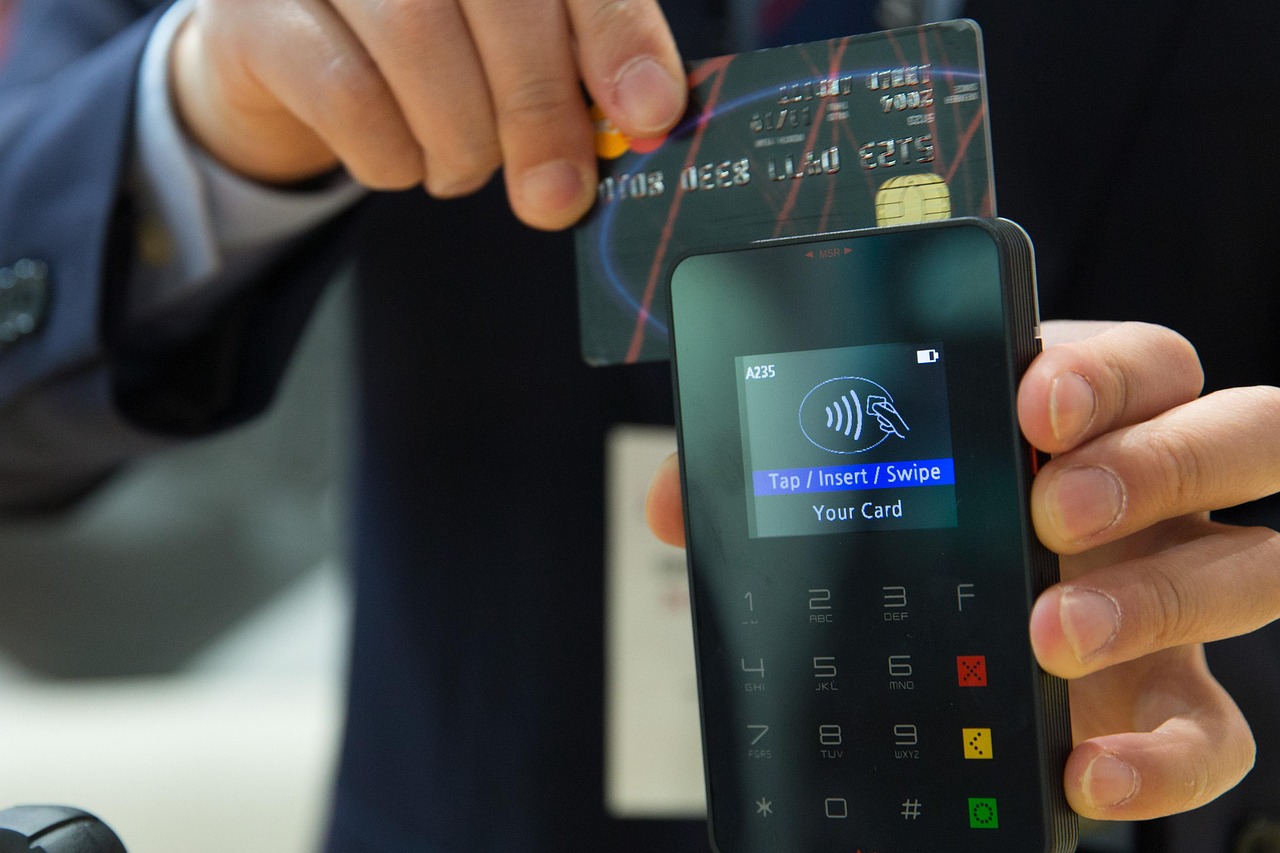
- Integrated card payments — seamless card-machine connectivity that eliminates manual keying and reduces errors at checkout. See our full breakdown of EPOS systems with integrated card payments in the UK.
- Cloud-based reporting — revenue by stylist, busiest booking slots, retail margin and stock movement, accessible anywhere.
- Multi-location support — if you plan to open a second salon, ensure your system scales without a full replacement.
How EPOS Systems Handle Appointments, Walk-Ins and Chair Rentals
One of the most common questions from salon owners is how a single system can cope with three very different revenue streams at once. A well-configured salon EPOS achieves this through a layered approach to transaction types.
Booked Appointments
Appointments pulled from a booking calendar appear on the till as pre-populated tickets. The stylist confirms services, adds any retail items purchased at checkout, and processes payment — often in under a minute. Deposits taken online are automatically deducted from the balance due.
Walk-In Clients
Walk-in transactions are opened as open tickets assigned to a specific stylist. If the salon is busy, the system can display a live queue or waiting list, ensuring walk-ins are served fairly and their visit is logged for future marketing.
Chair Rental (Booth Rental)
Self-employed stylists renting a chair present a distinct accounting challenge. A capable EPOS system creates a separate profile for each renting stylist, records their individual sales and applies a pre-agreed rental fee or commission deduction automatically. This means your end-of-day reports show the salon's actual net income without manual calculation — critical for clean VAT returns and accurate profit assessment.
Taking Payments in Your Salon: Card Machines, Contactless and Tipping
The way clients pay has shifted dramatically. Contactless and mobile wallet payments (Apple Pay, Google Pay) now account for a significant share of salon transactions, and many clients no longer carry cash at all. Your EPOS setup must handle all of these smoothly.
Integrated card terminals — where the EPOS sends the amount directly to the card machine without the operator typing it in again — eliminate a common source of human error and speed up busy Saturday queues considerably. For salons with a roaming stylist or a separate retail area, a wireless terminal is equally important. Our guide to the best wireless card machines for small businesses in the UK covers the key factors to weigh up.
Handling Tips Gracefully
Tipping in hairdressers is culturally embedded, yet many EPOS setups handle it poorly — either prompting awkward moments at the terminal or failing to log tip income correctly for payroll purposes. Look for a system that presents a customisable tip prompt on the customer-facing screen, records tips against the individual stylist, and separates them clearly in payroll exports. HMRC requires tips paid through a business to be reported via PAYE; a good EPOS makes this straightforward. (Verify current guidance directly at GOV.UK — Tips at work.)
For a comprehensive look at combining your card acceptance and till into one coherent setup, see our guide on card machine and till system combined.
Stock and Retail Product Management for Hair Salons
Retail products — shampoos, conditioners, styling tools, treatments — can represent a meaningful margin opportunity, yet many salons manage this stock with spreadsheets or guesswork. An integrated EPOS stock module changes that.
- Low-stock alerts — automatic notifications when a product falls below a defined reorder level, preventing lost sales.
- Barcode scanning — scan professional retail products at the till for fast, accurate ringing and instant stock deduction.
- Supplier management — record purchase prices against sale prices to track margin per product line.
- Backbar vs retail stock — distinguish between products consumed during services (a cost of goods) and products sold to clients (a retail revenue line), keeping your accounts clean.
- Promotions and bundles — run time-limited discounts or product bundles (e.g. shampoo and conditioner at a combined price) without manual price overrides.
How Much Does a Salon EPOS System Cost in the UK?
This is the question every salon owner asks early in the process, and the honest answer is that cost varies widely depending on hardware chosen, software tier and whether you purchase outright or subscribe monthly. The table below gives a realistic picture of what different approaches typically involve.
| Setup Type | Typical Monthly Cost (Software) | Typical Hardware Outlay | Best Suited To |
|---|---|---|---|
| Entry-level (tablet + basic software) | From approx. £30–£60/month | From approx. £200–£400 (tablet + stand) | Single-chair or start-up salon |
| Mid-range (dedicated terminal + full salon software) | From approx. £60–£120/month | From approx. £500–£900 (terminal, receipt printer, cash drawer) | Established salon with 3–8 stylists |
| Multi-station (networked tills + advanced reporting) | From approx. £100–£200+/month | From approx. £1,200–£2,500+ per station | Larger salon or multi-location group |
| Outright purchase (hardware + perpetual licence) | Minimal or zero ongoing software fee | From approx. £800–£3,000+ depending on spec | Owners who prefer capital expenditure over subscriptions |
All figures above are indicative market ranges for the UK and should be treated as a starting point for budgeting rather than a fixed quote. Card processing rates (charged per transaction by your payment provider) sit on top of these costs and vary by provider and volume. For a structured look at the trade-offs between monthly subscriptions and outright ownership, read our article on monthly EPOS subscription vs outright purchase.
It is also worth noting that EPOS hardware can sometimes be treated as a capital allowance for tax purposes — your accountant can advise whether Annual Investment Allowance applies to your purchase. Verify eligibility at GOV.UK — Capital allowances.
Selecting the Right System: Three Questions Worth Asking Before You Buy
Real buyers rarely arrive at a decision through a feature checklist alone. These practical questions cut through the noise:
- Will it integrate with the booking platform we already use? Many salons are committed to a particular online booking tool. Confirm whether the EPOS connects natively or via a reliable integration before committing — a broken sync between bookings and the till creates more admin, not less.
- How long will setup and training take, and what support is included? A salon cannot afford several days of disruption for installation. Ask specifically about onboarding timelines, whether training is included, and how you access support on a busy Saturday afternoon.
- What happens if the internet goes down? Salon days do not pause for connectivity issues. Ensure the system offers offline mode so you can continue taking payments and recording transactions even during an outage, syncing data automatically when connection is restored.
For broader context on how to evaluate till systems as a small business, our practical buyer's guide to the best till systems for small businesses in the UK covers these decision criteria in depth. You can also explore EPOS Direct's full range of offers and information to see current packages suited to salons and independent traders.
Why Choose EPOS Direct for Your Hair Salon Till System?
EPOS Direct is a UK-based provider with a long track record of supplying and supporting EPOS systems across retail, hospitality and service businesses — including independent hair salons and multi-site salon groups. The team understands that a hairdresser's till needs are not the same as a coffee shop's or a boutique's, and the product range reflects that.
- UK-based sales and support — no overseas call centres, no chatbot-only helpdesks.
- Hardware and software sold together, meaning one point of contact for any issue.
- Flexible payment options including outright purchase and monthly subscription models.
- Scalable systems that grow with your salon — add a second terminal or a new site without switching platforms.
- Transparent pricing with no hidden transaction fees built into the EPOS software itself.
If you would like to see the software in action before making any decision, you can book a retail EPOS software demo online, or talk to an expert online to discuss your salon's specific requirements. Alternatively, request a free demo and a member of the team will walk you through the system at a time that suits you.
The Bottom Line
A salon EPOS system pays for itself not only in time saved at the till, but in the clarity it brings to every area of the business — from stylist performance and retail margins to appointment patterns and end-of-year accounts. The key is choosing a system configured for how hairdressers actually work, not a generic retail till pressed into service.
EPOS Direct UK specialises in exactly this: practical, properly supported EPOS solutions for UK businesses that need more than a basic card reader. Request a call back today and let the team help you find the right setup for your salon — with no obligation and no pressure.
Written by the EPOS Direct UK team, who help UK businesses across retail, hospitality and service industries find and configure the right EPOS solution every day.
Frequently asked questions
- What is the typical cost of an EPOS system for a hair salon in the UK?
- Costs vary depending on your setup. A basic single-terminal salon EPOS package in the UK typically starts from around £300–£600 for hardware, with software subscriptions ranging from £20 to £80 per month. EPOS Direct offers tailored quotes so you only pay for what your salon actually needs — contact us for a free, no-obligation price.
- Can a hair salon EPOS system handle both retail products and services in one place?
- Yes. A good salon EPOS system lets you ring up haircuts, colours and treatments alongside retail products like shampoos and styling products in a single transaction. It also tracks stock levels on retail items automatically, so you know when to reorder without doing a manual count.
- Do I need an internet connection to run my hairdressing till system?
- Most modern cloud-based EPOS systems require an internet connection for full functionality, but many — including options available from EPOS Direct — offer offline mode so you can still process sales if your connection drops temporarily. Your data syncs automatically once you are back online.
