We use cookies to make your experience better.
To comply with the new e-Privacy directive, you agree to the privacy policy and our use of cookies


The Best EPOS Systems for Butchers in the UK: What to Look For and How to Choose
EPOS Systems for Butchers in the UK: A Complete Buyer's Guide
A modern till system does far more than process payments — for a butcher's shop, it can be the difference between a profitable week and a wasteful one. The right EPOS solution integrates directly with weighing scales, tracks every cut and portion in real time, and gives you the reporting insight to price confidently and reduce shrinkage. This guide covers everything an independent butcher or small butchery chain needs to evaluate, compare and choose a system that genuinely fits the way meat retail works in the UK.
Why Butchers Have Different Till Requirements to Other Retailers
Most generic retail EPOS systems are built around fixed-price, barcoded products sold in predictable quantities. A butcher's trade is almost entirely the opposite: prices fluctuate with weight, cuts vary by customer request, and the same carcass generates a dozen different product lines — all of which need tracking simultaneously.
Beyond the technical requirements, butchers typically operate under time pressure at the counter, with queues forming quickly during peak hours. A system that slows down service, requires excessive button-presses per transaction, or can't handle a "1.3kg leg of lamb at £X per kg" calculation instantly is not fit for purpose in this environment. Speed, accuracy and scale integration are non-negotiable.
There are also compliance considerations. Food labelling regulations in the UK (administered by the Food Standards Agency) require accurate weight declaration on pre-packaged meat products. An integrated EPOS and scale solution helps you meet these obligations automatically, rather than relying on manual calculation and hand-written labels.
Key Features to Look for in a Butcher's Till System
Not every feature matters equally. Use this checklist to separate essential functionality from nice-to-haves when comparing suppliers.
Essential Features
- Scale integration: The system must communicate directly with approved trade scales so that weight is captured automatically and the price calculated without manual entry.
- Variable weight pricing: Every product sold by weight needs a per-kilogram (or per-100g) price that updates the transaction value dynamically as the weight changes.
- Label printing: Integrated label printing — including weight, price per kg, total price, sell-by date, and allergen information — keeps you compliant and saves significant counter time.
- Allergen management: Since the introduction of Natasha's Law (October 2021), pre-packed food must carry full ingredient and allergen labelling. Your EPOS software should store allergen data per product and print it automatically on labels.
- Fast product lookup: Touchscreen PLU (price look-up) buttons, search-by-name and barcode scanning should all be available so staff can ring up any product quickly, regardless of how the customer describes it.
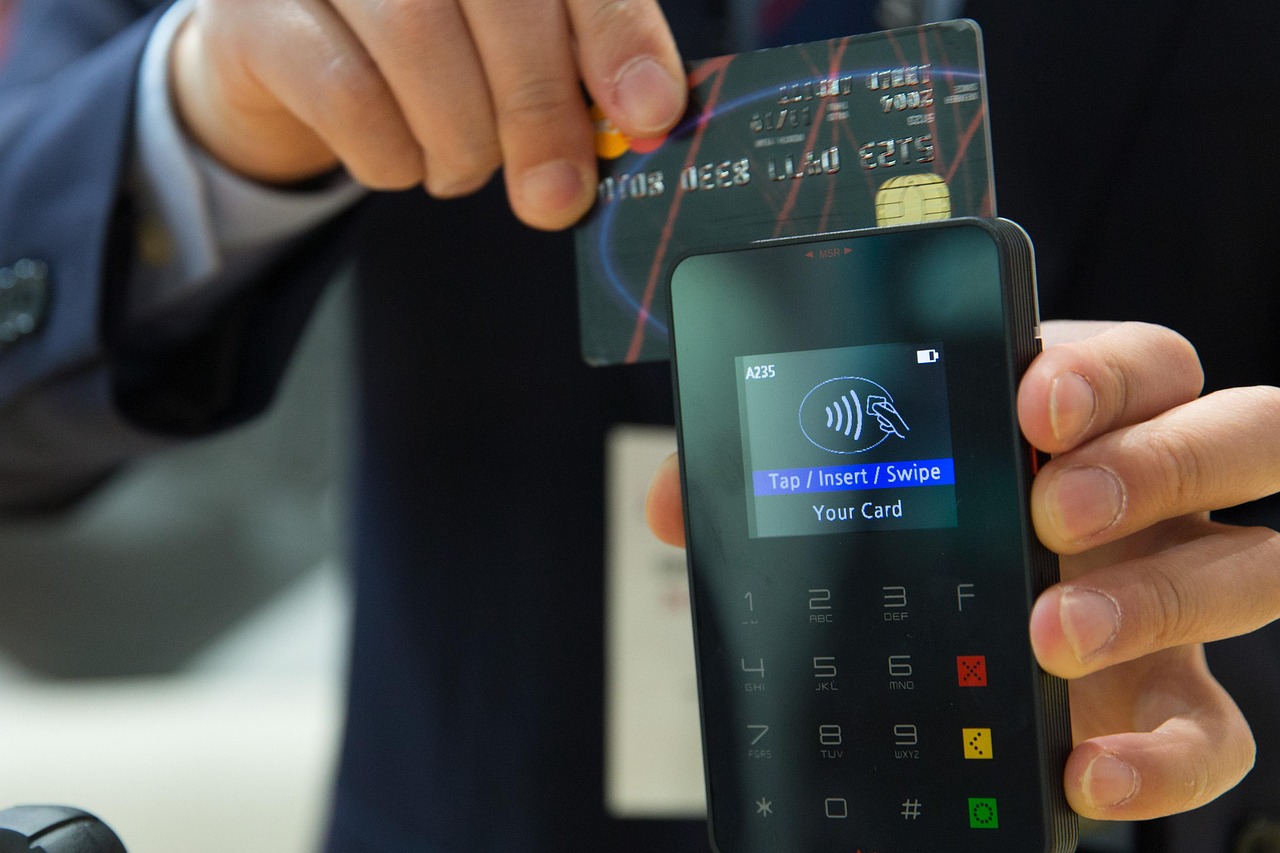
- Multiple payment types: Card, contactless, cash and increasingly mobile payments (Apple Pay, Google Pay) — ideally via an integrated card machine and till system that posts transactions directly without manual reconciliation.
Highly Useful for Growth
- Customer loyalty and accounts (useful for trade customers — restaurants, caterers — who buy on account)
- Online ordering or click-and-collect integration
- Multi-site management if you operate more than one shop
- End-of-day reporting by product, category and staff member
Weight-Based Pricing and Scale Integration Explained
Scale integration is the feature most commonly misunderstood by first-time EPOS buyers in the meat trade. There are two distinct approaches, and understanding the difference will save you considerable frustration.
Integrated (Live) Scales
Here, the scale communicates with the till in real time via a serial, USB or network connection. The customer places the item on the scale, the weight is read automatically, and the EPOS software multiplies it by the product's stored price-per-kg to produce the line total instantly. This is the professional standard for most counter-service butchers — it is fast, accurate and eliminates keying errors.
Label-Scale Systems
Some butchers use standalone label scales (often from manufacturers such as Mettler Toledo, Bizerba or DIGI) that print barcoded labels which the EPOS till then scans. This workflow suits pre-packaged product lines — joints, marinated products or ready-to-cook portions — where items are weighed and labelled before display. Your EPOS system needs to decode the GS1 variable-weight barcode (typically beginning with 02) to extract the embedded price or weight at the point of sale.
For most independent butchers, a combination of both approaches is ideal: live integrated scales at the main counter, and a label-scale in the prep area for pre-packs. Discuss this with your supplier before purchase to ensure the software supports both workflows.
Stock and Inventory Management for Meat Retailers
Effective stock control in a butchery is genuinely more complex than in most retail settings, because raw material (whole or primal cuts) yields multiple finished products with different price points. A well-configured EPOS system should handle this through recipe or yield management — where the purchase of a whole lamb, for example, is broken down into shoulders, racks, legs and mince, each deducting from the relevant inventory line as it sells.
What Good Inventory Management Delivers
- Real-time stock levels by cut and product, visible from any device
- Low-stock alerts that prompt re-ordering before you run out of a best-seller
- Waste logging — the ability to record and analyse trim, spoilage and markdowns so you understand your true yield
- Supplier purchase order management, with deliveries booked in to update stock automatically
- Date and batch tracking to support FIFO (first in, first out) rotation and food safety records
If you currently manage stock on paper or a spreadsheet, the transition to live digital inventory is one of the most immediately impactful changes a butcher can make. The time saved on stocktakes alone often justifies the cost of the system within the first few months. For a broader view of what modern systems offer smaller retail businesses, our guide to the best till systems for small businesses in the UK covers the core principles that apply here too.
How Reporting Helps Butchers Reduce Waste and Boost Profit
The data a well-used EPOS system generates is arguably as valuable as the transaction processing itself. Here is how butchers are putting it to work.
Best and Worst Sellers by Margin, Not Just Volume
A cut that sells in high volume but at a thin margin may be generating less profit than a premium cut sold less frequently. EPOS reporting lets you analyse gross profit per product line and adjust your display, pricing or promotion strategy accordingly.
Seasonal and Weekly Demand Patterns
Comparing sales by day of week and week of year allows you to order more precisely — reducing the risk of end-of-week markdowns on unsold product. If your data consistently shows Sunday roasting joints peak on Thursdays and Fridays, you can time deliveries accordingly.
Markdown and Waste Tracking
Every time staff mark down or write off product, logging it against a reason code (short date, over-production, trim) builds a picture of where loss is occurring. Over weeks and months, this data drives genuine operational change. It also strengthens your position when negotiating with suppliers or reviewing your product range.
Staff Performance
Sales-by-operator reporting shows which team members are upselling effectively (marinades, sausages, accompaniments) and which may benefit from further product training — a discreet but powerful management tool.
What Does a Butcher's EPOS System Cost in the UK?
Pricing for a butcher's EPOS setup varies significantly depending on the hardware specification, software tier and whether you prefer to purchase outright or pay monthly. The figures below are honest indicative ranges for the UK market as of 2025–2026; always request a tailored quote for your specific requirements.
| Setup Type | Typical Upfront Cost | Typical Monthly Cost | Best Suited To |
|---|---|---|---|
| Entry-level (touchscreen till, basic software, no scale integration) | From approximately £400–£700 | From approximately £20–£40/month (software) | Very small operations, market stalls, second tills |
| Mid-range (till, integrated scales, label printer, inventory module) | From approximately £900–£1,800 | From approximately £40–£80/month | Independent butcher's shops, up to two tills |
| Full-featured (multi-till, advanced stock, trade accounts, reporting) | From approximately £1,800–£3,500+ | From approximately £80–£150/month | Established butcheries, farm shops with butchery counter, small chains |
Card processing fees are separate and depend on your payment provider; integrated card terminals typically attract per-transaction rates rather than a fixed monthly fee, though bundles exist. Our detailed breakdown of monthly EPOS subscription versus outright purchase can help you decide which payment model suits your cash flow best.
It is also worth noting that many suppliers — including EPOS Direct — offer finance options or bundled hardware-and-software deals that reduce the initial outlay significantly. If integrated card payments are a priority, explore our guide to the best EPOS systems with integrated card payments in the UK to understand what's included before you commit.
Questions Butchers Ask Before Buying an EPOS System
Can I keep using my existing scales?
Possibly — but it depends on the communication protocol your scales use and whether your chosen EPOS software supports it. Approved trade scales from major manufacturers are commonly compatible, but you should confirm this with your supplier and provide the scale make and model before signing any contract. In some cases, upgrading to a supported scale model is more cost-effective than attempting custom integration.
What happens if the system goes offline?
A reputable EPOS system should include offline mode, allowing the till to continue processing sales — including weight-based transactions — without an internet connection. Transactions are then synchronised to the cloud when connectivity is restored. Confirm this capability explicitly; it is critical for a business where downtime at the counter directly means lost sales and frustrated customers.
How disruptive is switching from my current cash register?
Less disruptive than most butchers expect, particularly if you work with a supplier who provides on-site installation, staff training and a data migration service for your existing product list. Our practical guide to switching from a cash register to a modern EPOS system walks through the process step by step so you know what to prepare for.
Why Choose EPOS Direct for Your Butcher Shop
EPOS Direct is a UK-based EPOS supplier with direct experience helping independent food retailers — including butchers, farm shops and delicatessens — configure systems that match the specific demands of counter-service meat retail. The team provides end-to-end support: hardware specification, scale integration, software configuration, staff training and ongoing UK-based technical support.
Unlike generalist IT resellers, EPOS Direct's consultants understand the operational nuances of a butchery — yield management, pre-pack labelling, allergen compliance, trade accounts — and can configure your system before delivery rather than leaving you to work it out from a manual. You can explore the full range of retail hardware and software options on the EPOS Direct UK home page, or go straight to the retail EPOS offers page to see current packages and pricing.
If you would prefer to see the software in action before committing, a retail EPOS software demo is available online — you can explore the interface, test the reporting tools and assess scale integration workflows at your own pace. Alternatively, talk to an expert online to describe your specific setup and get a recommendation tailored to your shop.
Written by the EPOS Direct UK team, who work with independent retailers and food businesses across the United Kingdom every day.
Ready to Find the Right System for Your Butchery?
A specialist EPOS system is one of the most impactful investments an independent butcher can make — reducing waste, speeding up service, keeping you compliant, and giving you the data to run a more profitable shop. EPOS Direct combines the right hardware, purpose-built software and UK-based support to make that transition straightforward.
Request a free demo today, or request a call back and one of the EPOS Direct team will be in touch to discuss your requirements — no obligation, no pressure, just practical guidance from people who understand the meat trade.
Frequently asked questions
- Can a butcher's EPOS system integrate with my weighing scales?
- Yes. A quality butcher's EPOS system will integrate directly with approved trade scales so that the weight of each cut is captured at the point of sale and the price is calculated automatically. This eliminates manual entry errors and speeds up service at the counter. EPOS Direct supplies systems pre-configured with scale integration suitable for UK Weights and Measures compliance.
- How much should I expect to pay for an EPOS system as a UK butcher?
- For a single-till setup in a UK butcher shop, you can typically expect to pay between £500 and £1,200 for the hardware (touchscreen terminal, receipt printer, cash drawer and scale connection), plus a monthly software subscription that usually ranges from £30 to £80 per month depending on the features you need. Multi-site or more advanced stock management solutions may cost more. EPOS Direct offers flexible packages with no hidden fees and free installation support, so it is worth requesting a tailored quote for your specific setup.
- Will the system help me track which cuts are selling and which are going to waste?
- Absolutely. A good butcher's EPOS system provides real-time sales reports broken down by product, cut type, and time of day. This means you can see exactly which lines are moving and which are sitting in the chiller too long, helping you order smarter, reduce wastage, and protect your margins.
