We use cookies to make your experience better.
To comply with the new e-Privacy directive, you agree to the privacy policy and our use of cookies


Best EPOS Systems for Convenience Stores in the UK: A Complete Buyer's Guide
Best EPOS Systems for Convenience Stores in the UK: A Complete Buyer's Guide
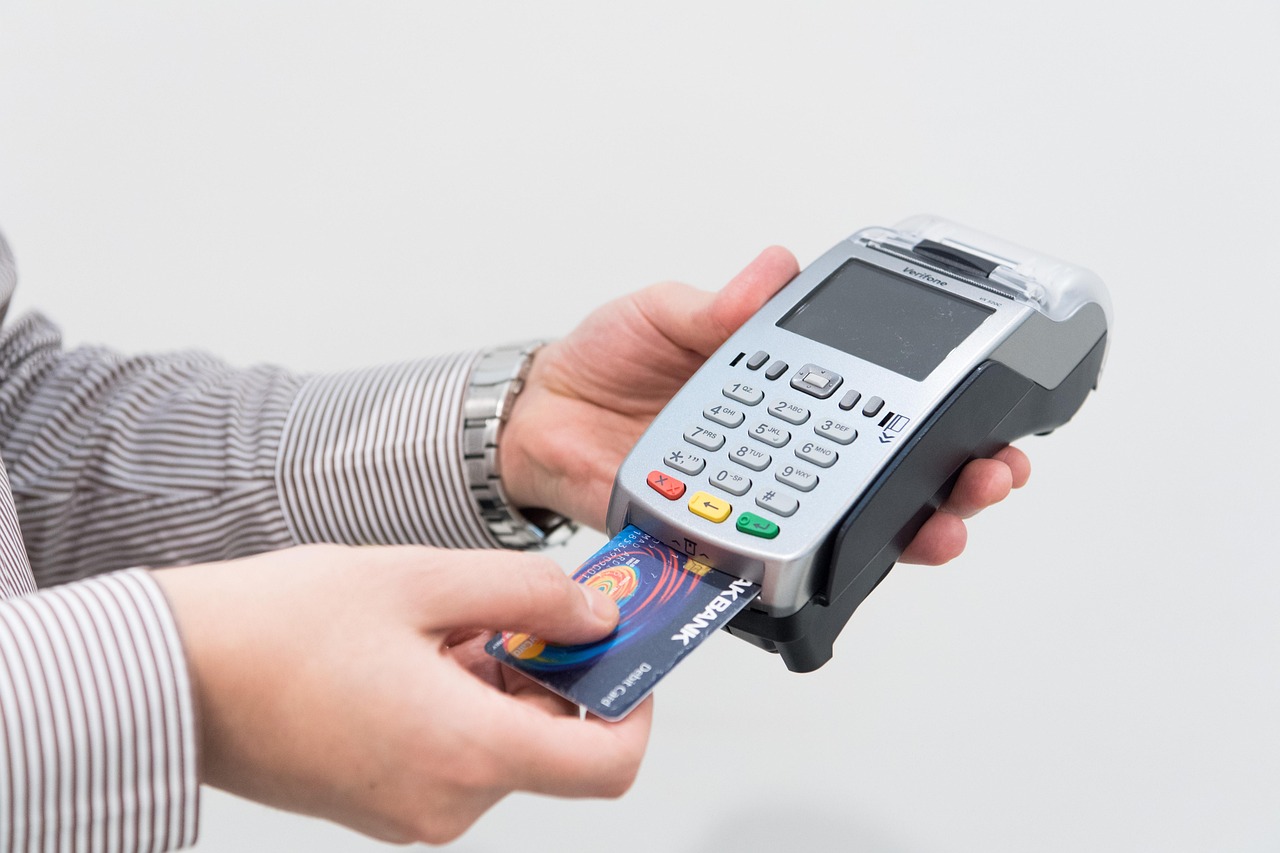
A well-chosen electronic point-of-sale system is one of the most impactful investments a convenience store owner can make. The right setup handles everything from age-restricted sales and multi-buy promotions to real-time stock control and supplier ordering — all from a single screen. This guide draws on EPOS Direct's experience working with independent convenience retailers and symbol group members across the UK to help you cut through the noise and choose with confidence.
Why Convenience Stores Require a Specialist EPOS Solution
General-purpose tills are built for simplicity, not for the operational complexity of a busy convenience store. A c-store typically holds thousands of product lines, runs rolling promotional cycles, sells age-restricted goods such as tobacco, alcohol and lottery products, and needs to reconcile cash, card and contactless payments accurately across every shift. A specialist system addresses all of these demands natively, rather than through awkward workarounds.
Symbol group members — such as those trading under Costcutter, Nisa, Spar, Premier or Londis fascias — face an additional layer of complexity: supplier-linked ordering, compliance reporting and loyalty programme integration. If your store falls into that category, your EPOS platform must be able to communicate with your symbol group's systems seamlessly.
For a broader introduction to selecting the right setup for your business, the practical buyer's guide to till systems for small businesses is a useful starting point before diving into convenience-specific requirements.
Key Features to Look for in a Convenience Store EPOS System
Not every feature list is created equal. Below are the capabilities that genuinely matter for convenience retail — and the questions worth asking every supplier before you commit.
Age Verification Prompts
The Challenge 25 policy requires staff to request proof of age from any customer who appears to be under 25 when purchasing alcohol, tobacco, energy drinks or other age-restricted goods. Your EPOS should automatically trigger an on-screen prompt when a restricted product is scanned, forcing the operator to confirm the customer's age before the transaction can proceed. This creates an auditable record and protects your licence.
Promotions and Multi-Buy Management
Convenience retail runs on promotions — meal deals, three-for-two offers, price-marked pack discounts and seasonal campaigns. Look for a system that lets you configure, schedule and deactivate promotions centrally, ideally across multiple tills simultaneously, without requiring manual price changes at each register.
Stock Control and Low-Stock Alerts
Shrinkage and out-of-stocks are two of the biggest margin killers in convenience retail. A good EPOS platform tracks stock in real time as products are sold, flagging low-stock thresholds and generating suggested purchase orders automatically. Some platforms integrate directly with your symbol group's wholesale ordering portal.
Reporting and Shift Management
Z-reading reports, shift reconciliations and daily sales summaries should be available instantly. Look for cloud-based back-office access so you can review yesterday's performance from home before your morning delivery arrives.
Integrated Card Payments
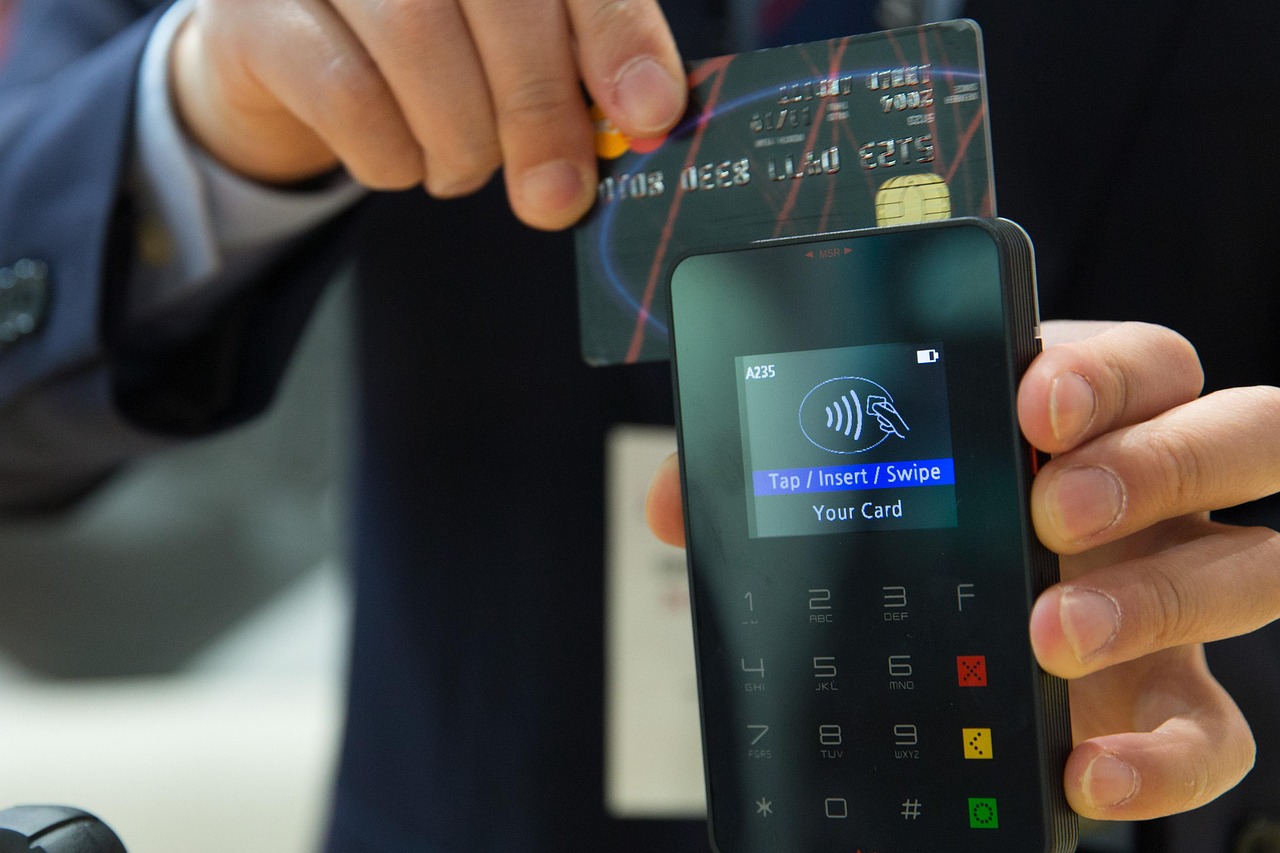
A fully integrated card machine eliminates manual keying errors and speeds up queues — both critical in a high-footfall c-store environment. Our guide to EPOS systems with integrated card payments explains what to look for and how integration affects your overall running costs.
Hardware Options: Tills, Scanners, Receipt Printers and Card Readers
The hardware combination you choose should reflect your store's footprint, throughput and budget. Most convenience stores need at minimum a touchscreen terminal, a barcode scanner, a receipt printer and a card reader. Larger stores or those with a fresh food or deli counter may benefit from additional terminals or a customer-facing display.
| Hardware Component | Recommended for Convenience Stores? | Key Considerations |
|---|---|---|
| Touchscreen EPOS Terminal | Essential | Opt for a minimum 15-inch screen; look for spill-resistant casing given the retail environment |
| Flatbed or Handheld Barcode Scanner | Essential | Flatbed scanners speed throughput at busy checkouts; handheld units are useful for stock-takes |
| Thermal Receipt Printer | Essential | Thermal printers are faster and lower-maintenance than inkjet; check paper roll compatibility |
| Integrated Card Terminal | Strongly recommended | Reduces keying errors; ensures faster queue flow; enables contactless and mobile payments |
| Cash Drawer | Essential (if taking cash) | Should be triggered automatically by the EPOS on cash tender; look for robust locking mechanisms |
| Customer-Facing Display | Optional but valuable | Improves transparency and can display promotional messaging |
| Wireless Card Machine | Useful for queue-busting | Ideal for busy weekend periods or outdoor trading; see our guide to wireless card machines for small businesses |
How EPOS Software Helps You Manage Stock, Age Verification and Promotions
The software layer is where a convenience store EPOS system earns its keep. Hardware is simply the delivery mechanism — it is the back-office software that drives profitability.
Real-Time Inventory Management
Every scan at the till reduces your stock count automatically. Cloud-based platforms make this data available across devices, so you can place a top-up order from your phone while your deputy manager serves customers. Better systems will also flag dead stock — lines that are not selling — so you can rationalise your range and free up shelf space.
Automated Age-Restriction Workflows
Beyond the initial prompt, sophisticated EPOS software logs every age-verified transaction with a timestamp and till operator ID. This audit trail is invaluable should you ever face a licensing review or Trading Standards visit. Some platforms allow you to configure Challenge 25 prompts by product category, so new restricted lines are covered automatically without manual setup.
Promotional Pricing Engine
A capable promotions engine can handle simple percentage discounts, fixed-price multibuy deals, meal deal bundles, and time-limited flash promotions — all scheduled in advance and deactivated automatically at expiry. This removes the risk of promotional prices running beyond their intended dates, which can harm margin significantly over a busy trading week.
If you would like to see these features in action before making a decision, you can book a retail EPOS software demo with the EPOS Direct team.
Integration with Suppliers, Loyalty Schemes and Accounting Tools
A convenience store EPOS system should not exist in isolation. The most efficient operations use their EPOS as a hub that connects outwards to suppliers, loyalty platforms and accounting software.
Symbol Group and Supplier Integration
Many symbol groups provide electronic data interchange (EDI) feeds that allow your EPOS to receive updated price files, promotional information and new product listings directly. This eliminates the need to manually update hundreds of PLUs each promotional cycle — a significant time saving and a meaningful reduction in pricing errors at the till.
Loyalty and Rewards Programmes
Whether you run your own stamp card scheme or participate in a wider symbol group loyalty initiative, your EPOS should be able to identify loyalty customers at the point of sale, apply relevant rewards automatically and maintain customer purchase histories. These datasets are increasingly valuable for targeted promotions.
Accounting Software Connectivity
Integration with platforms such as Xero, Sage or QuickBooks means your daily sales figures, refunds and payment types flow directly into your accounts without manual reconciliation. For busy owner-operators managing their own bookkeeping, this can save several hours each week.
For those weighing up combined payment and POS solutions, the complete guide to combined card machine and till systems covers how integrated setups compare to standalone arrangements in practice.
How Much Does an EPOS System Cost for a Convenience Store?
Cost is inevitably one of the first questions any retailer asks — and a fair one. The honest answer is that pricing varies considerably depending on hardware specifications, the number of tills, software features and payment processing arrangements. The figures below are indicative ranges typical for the UK market; your actual quote will depend on your specific requirements.
| Setup Type | Typical Indicative Range | Best Suited To |
|---|---|---|
| Single-till starter package (outright purchase) | Typically from £800–£1,500 for hardware; software from £30–£60 per month | Small independent stores with modest throughput |
| Single-till full package (subscription/finance) | Typically from £50–£120 per month all-inclusive | Owner-operators who prefer predictable monthly costs |
| Two- to three-till mid-size setup | Typically from £150–£300 per month; or £2,500–£4,500 outright | Busier stores, symbol group members, petrol forecourt c-stores |
| Multi-site or larger convenience estate | Pricing negotiated per arrangement | Regional independents, multiple-site operators |
These figures are honest indicative market guidance — not quotes. Payment processing fees (charged by your acquiring bank or payment provider, not your EPOS supplier) sit separately and are worth comparing carefully. Our article on monthly EPOS subscriptions versus outright purchase examines the financial trade-offs in detail to help you decide which model suits your cash flow.
If keeping payment acceptance costs lean is a priority, it is also worth reading our overview of card machines with no monthly fee, which outlines options available in the UK market.
To get a precise figure for your store, the most efficient step is to explore EPOS Direct's retail EPOS offers or talk to an expert online — both routes will get you to a tailored recommendation quickly.
Why EPOS Direct Is Trusted by UK Convenience Retailers
EPOS Direct is one of the UK's longest-established EPOS providers, with an in-house support team that understands the specific demands of convenience retail — from Challenge 25 compliance workflows to symbol group price file imports and multi-site reporting dashboards. Rather than selling you a generic platform dressed up with convenience-specific language, the team configures systems from the ground up for the realities of running a c-store: high transaction volumes, complex promotional cycles, mixed payment types and the constant pressure of keeping shelves stocked efficiently.
Support is available beyond the point of sale too. Whether you need to add a second till as your store grows, integrate a new card terminal or retrain staff following a change in ownership, the EPOS Direct team provides ongoing technical support and account management. For stores considering a full refresh of their current setup, our EPOS Direct home page has the latest offers and configuration options available across both hardware and software.
You can also request a free demo at a time that suits you — with no obligation and no hard sell.
Written by the EPOS Direct UK team, who work alongside UK convenience retailers, independent shops and symbol group members every day to help them get the most from their EPOS investment.
Ready to Upgrade Your Convenience Store's EPOS Setup?
A specialist EPOS system pays for itself through tighter stock control, faster service, fewer pricing errors and bulletproof compliance — all of which add up to genuine improvements in daily margin. Whether you are setting up a first till, replacing an ageing system or expanding to a second site, EPOS Direct has the hardware, software and expertise to get you operational quickly and keep you running smoothly.
Request a call back from the EPOS Direct team today and get a no-obligation recommendation tailored to your store's size, product range and trading patterns.
Frequently asked questions
- What features should a good EPOS system have for a convenience store?
- A convenience store EPOS system should include fast barcode scanning, age-verification prompts for restricted items such as alcohol and tobacco, multi-department product categorisation, real-time stock management, integrated card payments, and the ability to run promotions or meal deals. Lottery ticket sales support and newspaper returns management are also useful for many convenience retailers.
- How much does an EPOS system cost for a small convenience store in the UK?
- In the UK, a single-till EPOS setup for a convenience store typically costs between £500 and £1,500 for entry-level hardware with basic software. A more fully featured system including a touchscreen till, barcode scanner, receipt printer and integrated card reader usually falls in the £1,000 to £2,500 range. Ongoing software licences or support contracts generally run from £20 to £80 per month depending on the provider and features included. EPOS Direct offers competitive package pricing with flexible finance options — contact the team for a tailored quote.
- Can I use an EPOS system to manage stock across a busy convenience store automatically?
- Yes. Modern convenience store EPOS systems automatically deduct stock levels with every sale, send low-stock alerts and can generate purchase orders for your suppliers. Some systems integrate directly with wholesalers such as Booker or Nisa, making reordering faster and reducing the risk of running out of high-turnover lines.
