We use cookies to make your experience better.
To comply with the new e-Privacy directive, you agree to the privacy policy and our use of cookies


The Best EPOS Systems for Fish & Chip Shops: A Complete Buyer's Guide
EPOS Systems for Fish & Chip Shops: Everything You Need to Know
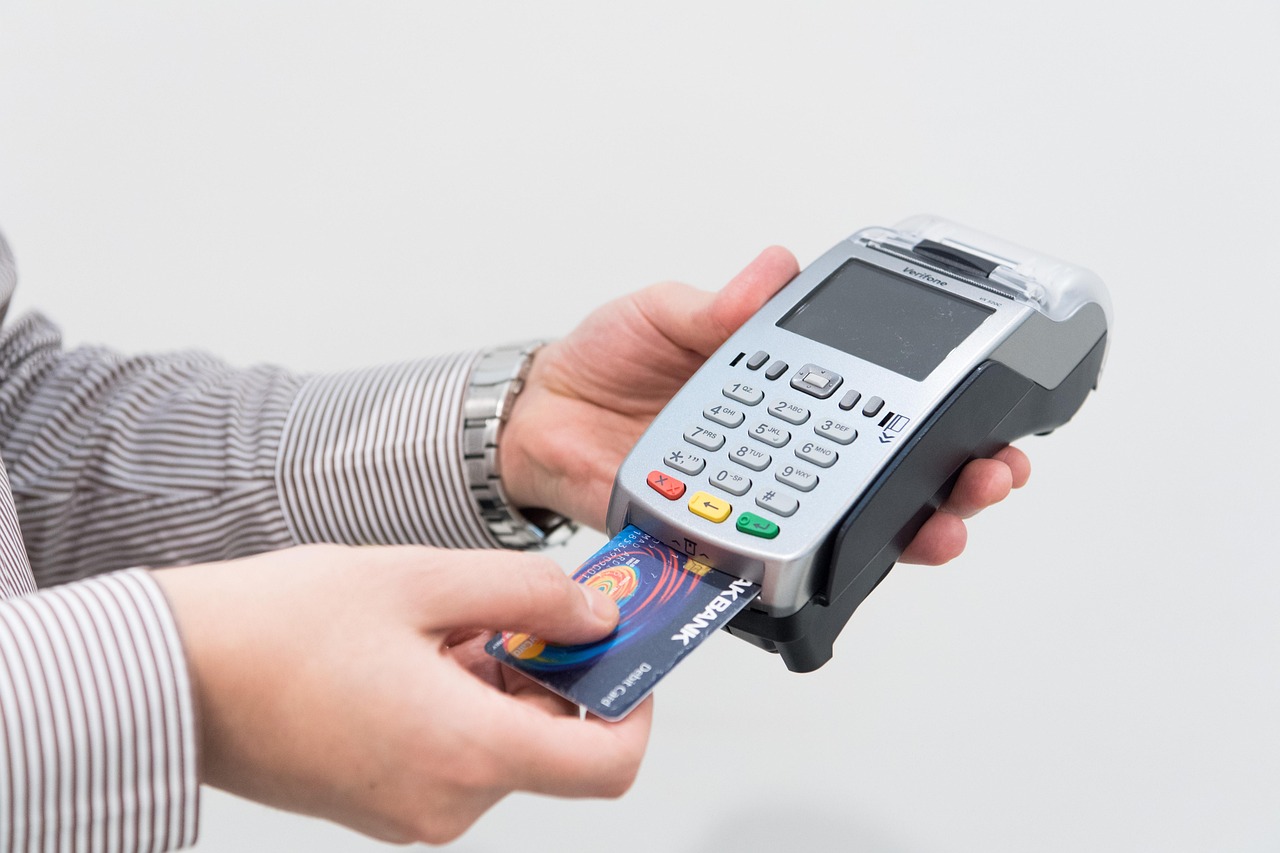
A well-chosen EPOS system transforms the way a fish and chip shop operates — cutting queue times, reducing errors and giving owners the real-time data they need to run a tighter, more profitable business. Unlike a generic till, a specialist hospitality EPOS is built around the rhythm of a chippy: rapid order entry, kitchen communication, portion tracking and end-of-day reconciliation without the headaches. This guide covers everything an independent or multi-site fish and chip shop owner in the UK needs to know before making a decision.
Why a Fish & Chip Shop Has Unique EPOS Requirements
The chip shop environment is unforgiving. Orders come in rapid bursts — particularly on Friday evenings and at lunchtime — from a mix of walk-in customers, telephone orders and increasingly, online platforms. Staff are often working in cramped, steam-filled conditions where a clunky touchscreen or slow receipt printer causes real bottlenecks.
Standard retail tills are designed for scan-and-pay transactions. They are not built for:
- Quick-service menu items that change by portion size, batter type or accompaniment
- Modifier prompts (open or wrapped? salt and vinegar? curry sauce or gravy?)
- Kitchen order routing so frying and plating staff receive tickets simultaneously
- Telephone and online order management on a single screen
- Age-verification prompts for alcohol sales if you carry canned drinks or beer
- Split billing for large group orders collected at the counter
A hospitality-grade EPOS system — properly configured for a quick-service takeaway — handles all of the above as standard. The difference in throughput during a peak period is significant, and over the course of a year that difference compounds into measurable revenue.
Key Features to Look for in a Chippy EPOS System
Not every hospitality EPOS will suit a fish and chip shop. Here are the features that genuinely matter, ranked by operational impact:
Speed-Optimised Touchscreen Interface
Look for a system with a programmable, colour-coded menu layout. Staff should be able to ring up a full order in seconds without navigating multiple sub-menus. Large touch targets, logical groupings (fish, sides, drinks, sauces) and a customisable home screen are non-negotiables.
Modifier and Options Management
A cod can be small, regular or large; battered or grilled; with chips, on its own or in a meal deal. The EPOS should prompt for modifiers automatically, reducing the chance of a wrong order leaving the counter. This is especially important for training new or seasonal staff quickly.
Kitchen Display Screens (KDS) or Kitchen Printer
Printed tickets or a digital kitchen display routed directly from the till means the fryer operator sees every order the moment it is placed — with no shouting across the shop and no missed items. This feature alone can meaningfully cut average service times during a rush.
Integrated Card Payments
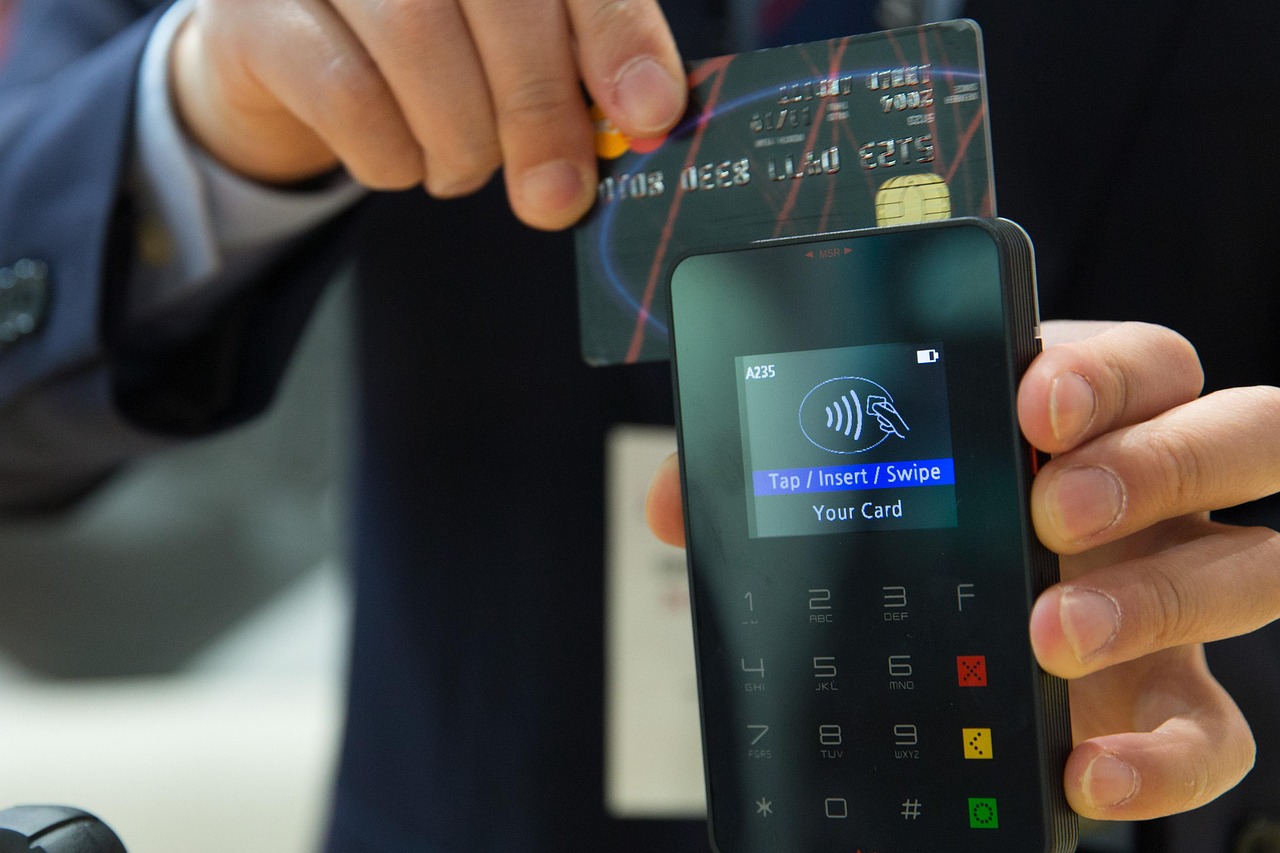
Contactless and chip-and-pin should be seamlessly integrated with the till so there is no manual keying of amounts. For more on pairing payment hardware with your till, see our guide on combining a card machine and till system for a smooth, unified checkout experience.
Online Ordering and Delivery Platform Integration
Many chippies now receive orders via their own website or third-party platforms. An EPOS that pulls these orders directly into the system — rather than requiring a member of staff to re-key them — eliminates transcription errors and prevents tickets from being missed.
Reporting and Stock Control
End-of-day Z-reports, hourly sales breakdowns, best-selling item analysis and gross margin tracking help you buy smarter, price confidently and identify waste. Stock management features are particularly valuable if you are managing a menu that varies by season or fish availability.
How an EPOS System Speeds Up Service During the Friday Rush
The Friday evening peak is the defining operational challenge for any chippy. A table-service restaurant can manage pace through bookings; a takeaway counter cannot. Every second of unnecessary delay multiplies into queues that spill onto the pavement — and customers who leave.
Here is how a well-configured EPOS system compresses service time in practice:
- One-touch preset buttons for the most popular combinations mean a "regular cod and chips" is a single tap, not a four-step process.
- Automatic modifier prompts ensure staff always ask the right follow-up questions in the right order, rather than having to remember them under pressure.
- Integrated payments mean the customer can tap their card while the order is already printing in the kitchen — no waiting for a separate terminal to connect.
- Order numbering and customer display screens manage expectations at the counter and reduce "is mine ready yet?" interruptions to staff.
- Telephone and online order queues shown on the same screen as walk-in orders allow the team to manage overall kitchen load intelligently.
If you are weighing up whether a modern system is worth the investment, it is also worth reading our broader guide on EPOS systems for small businesses, which covers the core return-on-investment arguments in detail.
Integrations That Matter: Online Ordering, Kitchen Screens & Card Payments
Integration is where many budget systems fall short. A standalone till that does not talk to your online ordering channel, kitchen display or card terminal forces staff to work across multiple devices simultaneously — creating errors and slowing everything down.
The integrations that deliver the most value for a fish and chip shop are:
- Direct online ordering integration: Orders from your own website or aggregator platforms feed directly into the kitchen queue without manual intervention.
- Kitchen Display Systems (KDS): Replace paper tickets with real-time digital screens that show order status, bump orders when complete and give the kitchen a live view of the queue.
- Integrated card terminals: Payment amount pushed from the till to the terminal automatically. No manual keying, no mismatch risk. For businesses weighing up portable payment options, our guide to wireless card machines for small businesses covers the leading hardware choices.
- Loyalty and CRM: Collect customer data at the point of sale to run targeted promotions, reward frequent visitors and build a customer base that is less dependent on passing trade.
- Accounting software: Automatic export to bookkeeping platforms saves hours of manual reconciliation each week.
You can view a live restaurant EPOS software demo to see how these integrations work in a real hospitality environment.
What Does an EPOS System for a Fish & Chip Shop Cost in the UK?
Cost is almost always the first question an owner asks — and the honest answer is that it depends on the hardware configuration, software tier and whether you are a single site or expanding to multiple locations. The following ranges are indicative of the UK market and should be treated as guidance only; always request a tailored quote.
| Setup Type | Typical Hardware | Indicative Monthly Cost | Best Suited To |
|---|---|---|---|
| Entry-level single terminal | Touchscreen till, receipt printer, card terminal | Typically from £30–£60/month (software + support) | Small single-site chippy, low volume |
| Standard single-site setup | Till, kitchen printer or KDS, integrated card terminal, cash drawer | Typically £60–£120/month | Busy single-site takeaway with online orders |
| Full-featured single site | As above + customer display, online ordering integration, loyalty module | Typically £100–£180/month | High-volume chippy or sit-in hybrid |
| Multi-site / chain | Multiple terminals, centralised reporting dashboard, multi-location stock control | Pricing on request; typically scaled per site | Small chains, franchise operators |
Hardware is often available to purchase outright or on a lease arrangement. Upfront hardware costs for a single-site setup typically fall in the range of £500–£1,500 depending on specification, though this varies widely. Some providers offer no-monthly-fee models — if that pricing structure interests you, our explainer on EPOS systems with no monthly fee sets out what to expect and where the trade-offs lie.
To get a price tailored to your specific setup, you can explore our hospitality EPOS offers or request a call back from one of our team.
EPOS Direct UK: Built for Independent and Multi-Site Chip Shops
EPOS Direct UK works with independent takeaways, established fish and chip chains and everything in between. Our hospitality EPOS software is purpose-built for quick-service environments, with the speed, flexibility and integration depth that a chippy's operation actually demands — not a retail system bolted uncomfortably onto a food business.
We offer UK-based support, flexible hardware packages and a software platform that is regularly updated to reflect changes in how chippies operate — including the growing importance of pre-order, click-and-collect and delivery. You can find a full range of current offers and information on the EPOS Direct UK home page.
For business owners who want to see the system before committing, a free demo is available with no obligation — it is the fastest way to assess whether our platform suits your workflow and team.
How to Switch to a New EPOS System Without Disrupting Trade
The prospect of changing a till system mid-trading period understandably makes many owners nervous. Done properly, a switch can be completed with minimal disruption — and the right provider will guide you through every stage.
Practical steps to a smooth transition
- Audit your current setup: List every function you currently rely on — even the workarounds — so nothing is overlooked in the new configuration.
- Plan the menu build in advance: Build and test your full menu, modifiers, pricing and categories on the new system before go-live. Request a sandbox or demo environment from your provider.
- Run a parallel test: If possible, run both systems side by side for a brief period during a quieter session — a Tuesday lunchtime, not a Friday evening.
- Train staff before go-live: Even a one-hour hands-on session dramatically reduces anxiety and error rates on the first live day.
- Choose a low-risk go-live moment: Monday morning or mid-week is always preferable to a weekend or bank holiday.
- Ensure support is reachable: Confirm your provider's support hours and contact method before you switch on. UK-based telephone support during trading hours is worth prioritising.
If you are also considering alternatives to your current till setup more broadly, our guide to till system alternatives outlines the full landscape of options available to UK businesses.
Making the Right Decision for Your Chip Shop
A chip shop is a demanding environment, and the EPOS system you choose will touch every part of your operation — from the moment a customer steps through the door to the moment you lock up and run your end-of-day reports. The right system pays for itself quickly through faster service, fewer errors and better buying decisions driven by real data.
EPOS Direct UK has helped hundreds of independent hospitality businesses across the UK find and implement a system that fits. To find out whether our platform is right for your chip shop, talk to an expert online today — or request a free, no-obligation demo and see the system in action for yourself.
Written by the EPOS Direct UK team, who support independent and multi-site hospitality businesses across the United Kingdom every day.
Frequently asked questions
- What features should a good till system for a takeaway chippy include?
- A strong EPOS system for a fish and chip shop should include fast, intuitive order entry for high-volume service, a kitchen display screen or printer integration so orders reach the fryer instantly, split-bill and cash-and-card payment handling, end-of-day sales reporting, and stock management for ingredients like fish, batter and oils. Optional but valuable additions include online ordering integration with platforms such as Just Eat or your own website, and loyalty scheme support to bring regulars back.
- How much should I expect to pay for an EPOS system for my chip shop in the UK?
- Costs vary depending on the setup you need. For a single-site fish and chip shop in the UK, a typical EPOS package including a touchscreen terminal, receipt printer, cash drawer and software licence usually starts from around £500–£800 as a one-off purchase, or from approximately £25–£60 per month on a subscription or lease plan. Multi-site or more advanced setups with kitchen screens and online ordering integration will cost more. EPOS Direct UK offers tailored quotes, so it is worth requesting a free demo to get an accurate price for your specific requirements.
- Can I keep using my existing card payment terminal if I switch EPOS systems?
- In many cases, yes — but compatibility depends on your card payment provider and the EPOS software you choose. Some EPOS systems integrate directly with card terminals from providers like Worldpay, Barclaycard or Dojo, enabling automatic payment totals to be sent to the terminal and reducing manual keying errors. EPOS Direct UK can advise on which payment integrations are available and whether your existing terminal is compatible, or whether a switch to a fully integrated solution would save you time and reduce costly mistakes during busy periods.
