We use cookies to make your experience better.
To comply with the new e-Privacy directive, you agree to the privacy policy and our use of cookies


The Best EPOS Systems for UK Hairdressers and Salons: A Complete Buyer's Guide
EPOS Systems for Hairdressers in the UK: Everything You Need to Know Before You Buy
A modern till system does far more than process payments in a busy hair salon — it manages appointments, tracks retail stock, handles staff commissions and keeps HMRC-compliant records, all from a single screen. Choosing the right EPOS setup can meaningfully reduce admin time, improve client retention and lift average transaction values. This guide walks you through everything a UK salon owner or manager needs to know before investing in a new system.
Why Hairdressers and Salons Need a Specialist EPOS System
A generic retail till handles products. A salon, by contrast, sells time, skill, retail products and often gift vouchers — sometimes in a single transaction. Standard systems struggle with this blend because they are not built around appointment logic, stylist productivity or service-based pricing.
The practical consequences of using an ill-matched system show up quickly: double-bookings handled manually in a paper diary, retail stock that cannot be tied to a specific stylist's upsell, end-of-day reconciliation that takes an hour rather than minutes, and loyalty programmes that live in a separate app with no connection to the till. A purpose-fitted EPOS solution unifies all of these in one workflow — which is why it pays to look beyond generic off-the-shelf offerings.
- Appointment-integrated payments: checkout pulls directly from the booking, eliminating re-keying and reducing human error.
- Stylist commission tracking: automatically allocates services and retail sales to each team member, simplifying payroll.
- Retail inventory management: tracks shampoos, treatments and accessories separately from services, with low-stock alerts.
- Gift vouchers and prepaid packages: sold, redeemed and tracked within the same system.
- HMRC compliance: produces audit-ready VAT reports and digital records aligned with Making Tax Digital requirements.
Key Features to Look for in a Salon EPOS System
Not every feature listed in a sales brochure will matter to your salon. The following criteria reflect what experienced salon operators across the UK consistently identify as the difference between a system they love and one they work around.
Appointment and booking integration
The till should either include a built-in booking calendar or integrate cleanly with your existing scheduling software. Friction between bookings and payments is where errors — and awkward client moments — accumulate.
Flexible pricing and service menus
Salons need variable pricing by stylist level (junior, senior, director), by service duration and by gender-neutral or à la carte options. Systems that force a rigid flat-price catalogue create daily workarounds.
Staff management and commission reporting
Look for the ability to assign individual logins, track hours, set different commission rates per service category and generate a weekly or monthly report that can be handed straight to your accountant.
Loyalty and client profiles
A searchable client record — storing purchase history, preferred stylist, allergy notes and visit frequency — turns a till into a CRM. Loyalty points or prepaid card balances applied at checkout reward regulars without slowing the queue.
Multi-tender and split payments
Clients paying part-cash, part-card, or splitting a bill with a friend, are common in salons. Your system must handle this without a manual override every time.
Integrated card payments
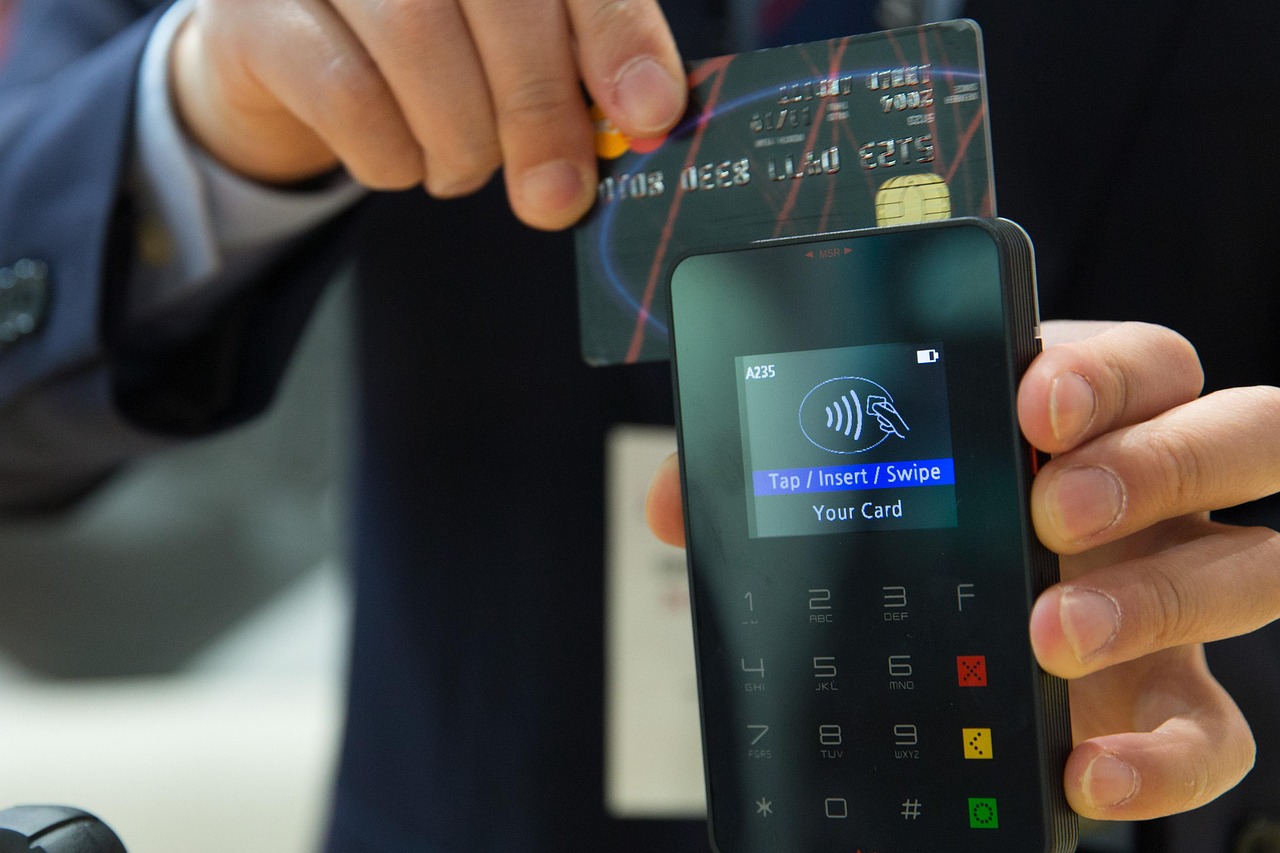
A seamlessly integrated card terminal means the EPOS sends the total directly to the reader — no double-keying, no mismatched amounts. For smaller salons weighing up their options, our guide to combining a card machine and till system explains the key trade-offs in detail.
Hardware Options for UK Salons
Salon environments have practical constraints that influence hardware choice: limited counter space, a need for wireless mobility between styling stations, and aesthetics that should not look out of place next to premium product displays.
Touchscreen tills
A countertop touchscreen — typically 10 to 15 inches — is the core of most salon setups. Compact all-in-one units that combine screen, printer and card reader in one footprint suit smaller reception desks well.
Wireless card readers
A mobile card terminal lets stylists take payment at the chair rather than directing every client back to reception. This is particularly valued in premium salons where the experience extends to a seamless, unhurried checkout. Our practical guide to wireless card machines for small UK businesses covers the questions worth asking before you commit.
Receipt printers
Thermal receipt printers remain standard; look for a model that can also print gift receipts and loyalty point balances. Bluetooth printers give flexibility if your counter layout changes.
Cash drawers
Even in an increasingly cashless salon, a lockable cash drawer is sensible for petty cash, tip management and occasional cash transactions.
What Does a Hairdresser EPOS System Cost in the UK?
This is one of the most common questions salon owners ask us — and the honest answer is that it depends on whether you are equipping a single chair or a multi-stylist site with a full retail counter. The table below shows indicative ranges for the UK market, framed as approximate guidance rather than firm quotes.
| Setup Type | Typical Hardware Cost | Typical Software / Subscription | Best Suited To |
|---|---|---|---|
| Entry-level (tablet + card reader) | From approx. £200–£400 | From approx. £20–£40 per month | Solo stylists, mobile hairdressers, chair renters |
| Single-site salon (countertop terminal + printer + drawer) | From approx. £500–£900 | From approx. £40–£80 per month | Salons with 2–6 stylists and a retail counter |
| Premium / multi-station setup | From approx. £1,000–£2,000+ | From approx. £80–£150 per month | Larger salons, multi-room or multi-brand sites |
| Multi-site / group | Hardware per site, volume pricing applies | Custom / negotiated | Mini-chains, franchise groups |
All figures are indicative only and reflect typical UK market ranges. Actual pricing depends on chosen hardware configuration, software tier and payment processing arrangements. Request a free demo from EPOS Direct to receive a tailored quote for your salon.
If monthly fees are a concern, it is also worth reading our overview of EPOS systems with no monthly fee, which explains where that model works well and where it involves compromises.
Cloud-Based vs On-Premise EPOS: Which Is Better for Your Salon?
Most new salon EPOS deployments in the UK are now cloud-based — and for good reason. Cloud systems update automatically, back up data remotely and allow you to check your sales dashboard or staff performance from a phone. If your broadband goes down, a good cloud system will continue operating offline and sync when the connection is restored.
On-premise systems store data locally and do not require a continuous internet connection, which can suit salons in rural areas with genuinely unreliable connectivity. The trade-off is that software updates, backups and troubleshooting typically require more manual involvement or a support contract.
For the vast majority of UK salons, a cloud-based system with offline resilience offers the better balance of convenience, security and ongoing value. Our complete guide to EPOS systems for small businesses explores this distinction further across multiple sectors.
How to Set Up and Migrate to a New Salon Till System
The prospect of switching systems mid-trading week rightly gives salon owners pause. The good news is that a structured migration, handled by an experienced provider, is far less disruptive than most people expect.
- Audit your current data: export your existing client list, product catalogue and pricing — even a spreadsheet is a valid starting point.
- Map your service menu: list every service with its price variants (by stylist level, duration, finish type) before onboarding begins.
- Set up staff profiles: create logins, commission rates and access permissions before go-live day.
- Import retail inventory: enter or import stock with accurate cost prices so margin reporting is meaningful from day one.
- Run a parallel period: if possible, operate both systems for a week to build team confidence before fully cutting over.
- Train your team: most modern cloud systems are intuitive, but even a two-hour guided session dramatically reduces errors at launch.
EPOS Direct UK provides setup support and on-call assistance, which means you are not navigating this alone. If you would prefer to speak with someone before committing, you can talk to an EPOS expert online at a time that suits your schedule.
Choosing Between Till Systems: A Practical Decision Framework
A real buyer's decision rarely comes down to a single feature — it is a combination of budget, team size, retail volume and how much the owner wants to manage ongoing software updates themselves. Use the questions below as a quick filter before shortlisting suppliers.
- Do you sell retail products alongside services? If yes, inventory management and supplier purchase orders should be non-negotiable features.
- Do you have more than four stylists? Individual logins and commission reporting become essential at this point, rather than a nice-to-have.
- Do clients book online or via an app? Seamless two-way sync between your booking platform and till is critical — check the specific integration, not just that one exists.
- Do you process a high volume of gift vouchers? Ensure the system tracks voucher issuance, balance and expiry natively, not as a manual workaround.
- Are you considering future expansion? A system that scales to multiple sites without a full re-implementation will save significant cost and disruption later.
For salons evaluating alternatives to their current provider, our guide to till system alternatives covers the switching process and what to look for when comparing suppliers.
Why UK Hairdressers Choose EPOS Direct
EPOS Direct is a UK-based supplier with a dedicated team that supports businesses across retail, hospitality and service sectors — including hairdressers, barbers and beauty salons. The company provides both hardware and software from a single point of contact, which matters when you need fast support rather than being passed between a software vendor and a hardware reseller.
Our retail EPOS software is designed to handle the mixed transaction types that characterise a salon — services, retail products, vouchers, loyalty redemptions — without requiring add-ons from multiple third parties. You can explore our EPOS software or book a retail EPOS software demo to see it handling a salon workflow before you commit to anything.
We also offer transparent pricing, flexible payment options and UK-based telephone support — not a chatbot. For a broader view of the systems and offers available, visit the EPOS Direct home page for current promotions and configuration options.
The Core Answer: What Type of EPOS System Does a Hairdresser Need?
A UK hairdresser needs a cloud-based EPOS system that handles both service-based and retail transactions, integrates with appointment scheduling, tracks stylist commissions and produces MTD-compliant VAT reports. A single-site salon typically requires a countertop touchscreen terminal, an integrated card reader and a receipt printer, with software that supports client profiles, loyalty programmes and gift vouchers from a single dashboard.
Ready to Find the Right System for Your Salon?
The right EPOS setup should feel like it was built for the way your salon actually operates — not like a workaround you have learned to tolerate. EPOS Direct UK works with hairdressers and salon groups across the country to find configurations that fit their team size, service mix and budget. Request a free demo to see how our systems handle a typical salon day, or talk to one of our experts online to discuss your specific requirements without any obligation.
Written by the EPOS Direct UK team, who work with hairdressers, salons and service businesses across the United Kingdom every day. For general guidance on UK EPOS regulations and Making Tax Digital requirements, refer to the official HMRC website.
Frequently asked questions
- What EPOS features are most important for running a busy hair salon?
- For a hair salon, the most valuable EPOS features include appointment booking integration, staff commission tracking, product retail sales management, loyalty scheme support, and contactless payment processing. A good system should also let you manage multiple stylists, track stock for retail products like shampoos and treatments, and generate end-of-day reports quickly. Cloud-based access is a bonus if you manage more than one location.
- How much should I expect to pay for a salon EPOS system in the UK?
- In the UK, a basic salon EPOS setup typically starts from around £300 to £500 for entry-level hardware (touchscreen terminal, receipt printer and card reader). Mid-range complete packages for a single-chair or small salon usually fall between £600 and £1,200. Larger salons with multiple stations or additional hardware needs may invest £1,500 or more. Monthly software subscriptions can range from £20 to £80 per month depending on features. EPOS Direct offers tailored quotes so you only pay for what your salon actually needs.
- Can I use an EPOS system to manage staff tips and commissions in my barbershop?
- Yes — most modern EPOS systems designed for hair and beauty businesses include built-in tip recording and staff commission tracking. You can set commission rates per stylist or per service, and the system will calculate payouts automatically at the end of each pay period. This removes manual errors and makes payroll much simpler, especially in busy barbershops with multiple members of staff.
