We use cookies to make your experience better.
To comply with the new e-Privacy directive, you agree to the privacy policy and our use of cookies

The Complete Guide to EPOS Systems for Hotels, Bars & Restaurants in the UK
The Complete Guide to EPOS Systems for Hotels, Bars & Restaurants in the UK

For hotels, bars and restaurants operating across multiple service areas, a purpose-built EPOS solution is not a luxury — it is the operational backbone that keeps service seamless, margins visible and compliance straightforward. The right hospitality EPOS system unifies your front-of-house terminals, bar stations, kitchen printers and reception desk into a single, real-time picture of your business, eliminating the costly gaps that generic till systems inevitably leave behind.
Written by the EPOS Direct UK team, who support hospitality businesses across the United Kingdom every day — from independent gastropubs to multi-outlet hotel groups.
Why Dedicated EPOS Technology Matters for Hospitality Venues
A standard retail till manages a straightforward transaction: scan, pay, done. Hospitality is fundamentally different. An order taken at the bar may need to appear instantly on a kitchen display screen, be charged to a room, split across a table, adjusted for allergens and reconciled against a property management system — all within the same service window. Generic systems buckle under that complexity.
Purpose-built hospitality EPOS handles these workflows natively, reducing human error, speeding up service and giving managers live data across every revenue centre. For UK operators navigating tight margins, the ability to spot slow-moving menu items, monitor table turn times and manage staff costs in real time translates directly into improved profitability.
- Compliance: UK food businesses must record allergen information accurately under the Food Information to Consumers Regulation. A good EPOS system embeds allergen flags at the product level, prompting staff before every order.
- Age verification: Challenge-25 prompts built into the till workflow reduce the risk of underage alcohol sales and the licence consequences that follow.
- HMRC readiness: Structured sales reports, VAT breakdowns and Z-readings simplify end-of-day reconciliation and Making Tax Digital preparation.
Core Features to Prioritise
Not every feature list is equal. Below are the capabilities that genuinely differentiate a hospitality-grade system from a repurposed retail till.
Table and Course Management
A graphical floor plan lets front-of-house staff open, transfer and merge tables without leaving the till. Course firing — sending starters, mains and desserts to the kitchen at timed intervals — keeps the kitchen from being overwhelmed and ensures dishes arrive together. Look for systems where the floor plan updates in real time across every terminal, so any member of staff can pick up a table mid-service.
Bar Tab and Round Management
Bar operations need fast transaction speeds and the ability to open running tabs against a name, room number or card pre-authorisation. Pre-authorisation capability is particularly important for venues with a high proportion of walk-in guests, reducing the risk of unpaid tabs at close of service.
Kitchen Display Systems and Printer Routing
Printed kitchen dockets are reliable but kitchen display screens (KDS) eliminate paper, reduce reprints and allow the kitchen to mark items as ready — triggering a notification to front-of-house. Whichever output you prefer, routing rules should send bar orders to the bar printer, hot food to the pass and desserts to the pastry section automatically.
Stock Control Across Multiple Outlets
A hotel with a main restaurant, a bar and a private dining room operates multiple stock locations simultaneously. Your EPOS should track each independently — deducting the correct measures from spirits bottles at the bar and ingredients from the kitchen larder — while giving a consolidated stock view in the back office.
Integrated Payments
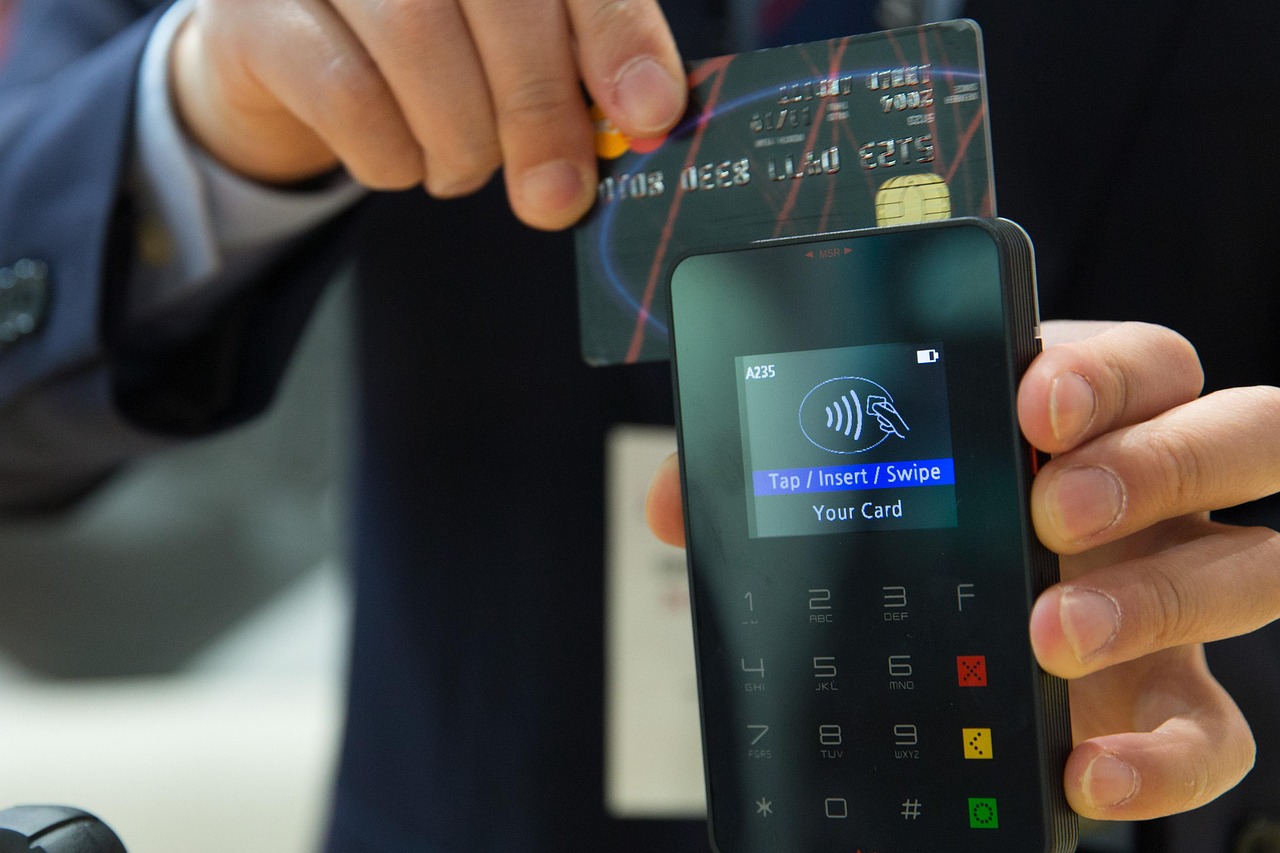
Card readers that communicate directly with the EPOS terminal remove the risk of miskeyed amounts and speed up end-of-day reconciliation. For UK operators, this means choosing a system where the card terminal and till share a single transaction record. Our guide to EPOS systems with integrated card payments explains what to look for when selecting this combination.
Connecting Your Entire Hotel Operation
One of the most compelling advantages of a modern hotel EPOS is the ability to unify what were previously separate systems: your restaurant, your bar, your function suite and your front desk. When these are connected, a guest's drinks order at the pool bar can be charged directly to their room folio with a single tap, and the revenue appears instantly in your property management system (PMS).
Property Management System Integration
PMS integration is the critical link. It allows room charges to flow in both directions: charges posted from the bar or restaurant appear on the room bill automatically, and check-out settlements clear the EPOS balance without manual intervention. Common UK-facing PMS platforms that modern EPOS solutions integrate with include Opera, Guestline, Rezlynx and Mews — always confirm compatibility before committing.
Centralised Reporting Across Revenue Centres
With a unified system, a hotel GM can pull a single dashboard showing food revenue, wet sales, accommodation revenue and payroll cost — broken down by outlet, shift or individual staff member — without exporting spreadsheets from three different platforms. That visibility is what makes genuine margin management possible.
If you are evaluating how a combined card and till solution fits into this picture, the complete guide to card machine and till system combinations covers the key considerations for UK businesses.
Hardware Built for a Hospitality Environment
Hospitality hardware needs to survive heat, humidity, spilled drinks and the relentless pace of a busy service. Selecting the wrong equipment creates maintenance headaches that compound over time.
| Hardware Type | Best Suited For | Key Specification to Check |
|---|---|---|
| 15" countertop touchscreen terminal | Main restaurant and bar stations | IP54 or better spill resistance; fanless design for kitchen proximity |
| Handheld Android order pad | Table-side ordering, terraces and function rooms | Battery life of 8+ hours; robust casing; reliable Wi-Fi roaming |
| Kitchen thermal printer | Pass, bar, dessert section | High-speed print (200mm/s+); high-temperature tolerance |
| Kitchen display screen (KDS) | High-volume kitchens looking to reduce paper | Bright sunlight-readable display; easy bump-bar interface |
| Customer-facing display | Restaurant and café counters | Clear order confirmation; promotional content capability |
| Self-service kiosk | Fast-casual dining, breakfast service | Allergen display; card payment integration; robust casing |
Handheld order pads are particularly transformative for table service. Waiting staff take orders at the table and items fire directly to the kitchen or bar, eliminating the walk back to a terminal and the transcription errors that journey introduces. If your venue operates across a large footprint — a hotel terrace or function lawn, for example — ensure the Wi-Fi infrastructure is specified to match, not left as an afterthought.
Integrations That Extend Your System's Value
An EPOS system sitting in isolation is a missed opportunity. The platforms below represent the integrations most commonly requested by UK hospitality operators.
- Online reservation platforms: Integrations with OpenTable, Collins or ResDiary bring booking data into the EPOS, pre-populating table assignments and alerting staff to pre-orders or dietary requirements before the guests arrive.
- Delivery aggregators: For hotel restaurants offering takeaway or room-service delivery, direct integrations with platforms such as Deliveroo or Uber Eats push orders straight to the kitchen printer without manual re-entry.
- Loyalty and CRM: Attaching a loyalty programme to your EPOS means every transaction builds a richer customer profile, enabling targeted offers that increase return visits — a particular advantage for hotel F&B outlets trying to convert residents into regular diners.
- Accounting software: Direct feeds to Xero or Sage remove the manual export step entirely, reducing month-end workload and the risk of transcription errors.
- Stock management platforms: For venues with complex cellar management requirements, integrations with specialist tools such as Marketman or Lightspeed Inventory layer advanced recipe costing and wastage tracking on top of your core EPOS data.
What a Hospitality EPOS System Costs in the UK
Pricing varies significantly based on outlet count, transaction volume and whether you purchase hardware outright or opt for a subscription model. Understanding the full cost of ownership — not just the upfront price — is essential before committing.
Indicative Pricing Ranges
- Entry-level single-terminal setup (tablet, stand, receipt printer, basic software): typically from around £500–£900 as an outright purchase, or from approximately £30–£60 per month on a subscription plan.
- Mid-range restaurant or bar setup (2–4 terminals, kitchen printer, handheld, full-featured software): most setups fall between £1,500 and £4,000 outright, or roughly £80–£200 per month on subscription.
- Hotel multi-outlet deployment (5+ terminals, KDS, PMS integration, stock management): investment typically ranges from £4,000 to well above £10,000 depending on scope, with enterprise subscription pricing negotiated on a per-venue basis.
These are honest indicative ranges for the UK market; your actual costs will depend on hardware specification, software tier, payment processing rates and whether installation and training are included. Always request an itemised quote. Our dedicated article on monthly EPOS subscriptions versus outright purchase helps you model which approach delivers better value for your cashflow situation.
You can also explore current pricing and packages directly on our hospitality and restaurant EPOS offers page.
Choosing and Switching Without Disrupting Your Service
The most common anxiety among operators upgrading their EPOS is the fear of going live mid-season and disrupting service. With the right implementation approach, that risk is manageable.
Questions Worth Asking Any Provider
- Can you migrate our existing menu and customer data? A competent provider will import your menu structure, modifier groups, pricing tiers and — where possible — historical sales data, saving days of manual re-entry.
- What does onsite installation and training cover? Some providers ship hardware and leave configuration to you; others send an engineer to install, configure and train your team on the day. Clarify exactly what is included.
- What happens if the system goes offline during service? Your EPOS should operate in offline mode, storing transactions locally and syncing to the cloud once connectivity is restored. Confirm this explicitly and test it before going live.
A Phased Go-Live Approach
If you are running a hotel with multiple outlets, consider a phased rollout: launch in the restaurant first during a quieter period, iron out any menu configuration issues, then bring the bar and reception online once the team is confident. For venues switching from a cash register, our guide on upgrading from a cash register to a modern EPOS system walks through the transition in detail.
It is also worth benchmarking the solution you are considering against the broader market. Our EPOS Direct vs competitors guide sets out an honest comparison of what differentiates providers on the key criteria that matter to hospitality buyers.
Your Next Step
A well-chosen EPOS system pays for itself quickly — in labour saved, stock losses prevented, and margin visibility that drives better decisions every service. For hotels, bars and restaurants operating in a competitive UK market, the question is not whether to invest in a purpose-built hospitality system, but which one to trust with your operation.
EPOS Direct UK specialises in exactly this — hardware specified for hospitality environments, software built around how your service actually runs, and a UK-based team ready to support you from initial setup through to ongoing growth. Request a free demo to see the system in action, or talk to an expert online to get honest, no-obligation advice tailored to your venue. You can also explore all current offers and further information on the EPOS Direct UK website to find the right starting point for your business.
Frequently asked questions
- Can one EPOS system manage my hotel bar, restaurant and front desk together?
- Yes. Modern hospitality EPOS platforms are built to work across multiple outlets within a single property. A unified system lets your bar, restaurant and reception share a central product library, reporting dashboard and payment processor. Staff can transfer tabs, post charges to rooms and view live stock levels across every area without switching between separate systems. EPOS Direct UK offers multi-outlet configurations designed specifically for this type of setup.
- How much does a hospitality EPOS system typically cost in the UK?
- Costs vary depending on the number of terminals, hardware spec and software tier you need. As a rough guide, a single-terminal bundle (touchscreen till, receipt printer and card reader) typically starts from around £500 to £900 for hardware, with software licences ranging from approximately £30 to £80 per month per terminal on a SaaS model. A mid-sized hotel with a bar and restaurant running three to five terminals should budget £2,000 to £5,000 for hardware upfront, plus ongoing software fees. Many providers, including EPOS Direct UK, offer leasing and finance options to spread the cost. Always request an itemised quote based on your specific outlet count and feature requirements.
- Will switching to a new EPOS system disrupt my bar or restaurant during busy service?
- A well-managed migration should cause minimal disruption. Most reputable UK EPOS providers will schedule installation during a quiet period, pre-load your menu and product data before go-live, and provide on-site or remote training for your team. EPOS Direct UK includes setup support and staff training as part of its onboarding process, so your team can go live with confidence. It is advisable to plan any switchover around your slowest trading day or week to give staff time to familiarise themselves with the new interface.
