We use cookies to make your experience better.
To comply with the new e-Privacy directive, you agree to the privacy policy and our use of cookies


The Best EPOS Systems for Small Retail Shops: A Complete Buyer's Guide
EPOS Systems for Small Retail Shops: Everything You Need to Know Before You Buy
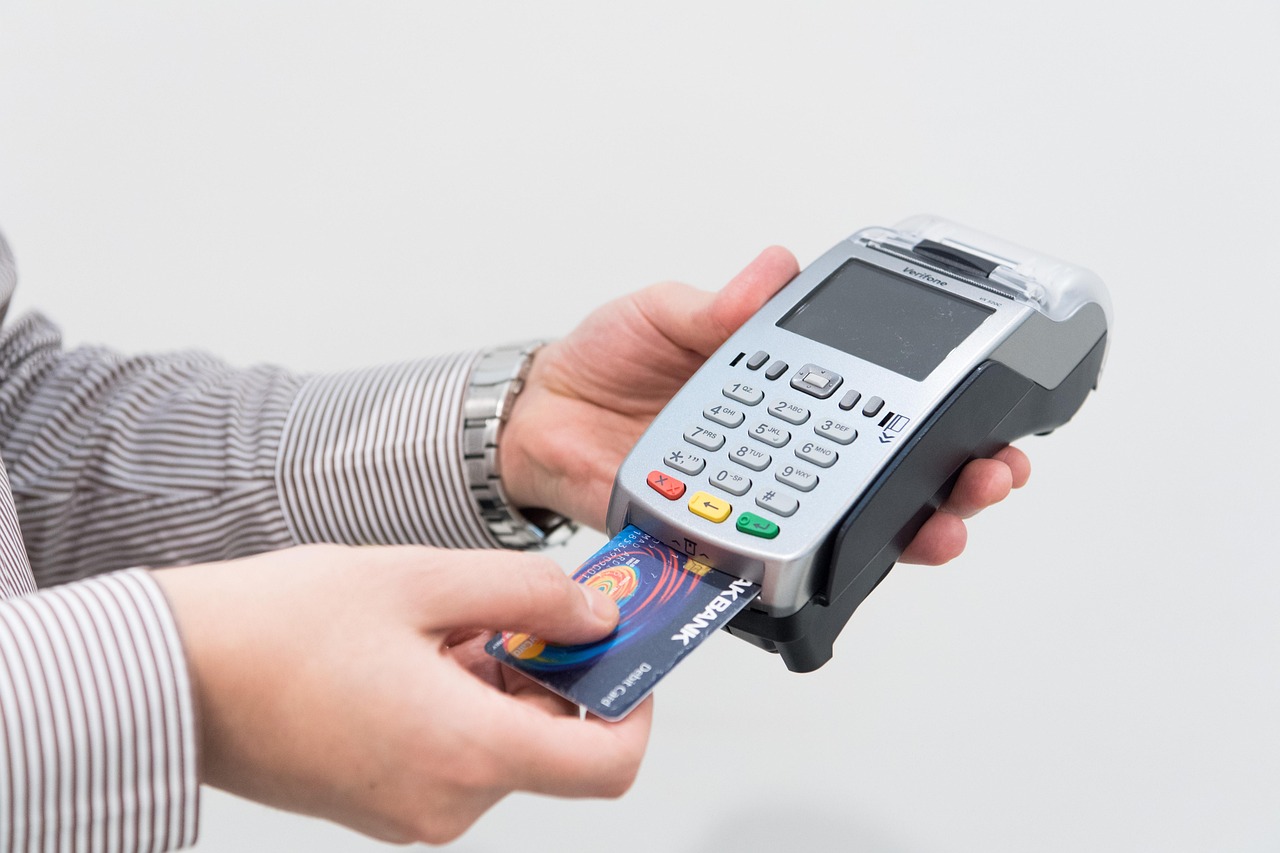
A modern EPOS system transforms a small retail shop from a simple transaction point into a fully managed retail operation — tracking stock in real time, processing card payments seamlessly, and giving owners the reporting clarity to make confident decisions. For independent retailers across the UK, choosing the right system is one of the most consequential investments they will make, and getting it right from the outset saves both money and significant operational headache. This guide covers everything a small shop owner needs to evaluate, compare and buy with confidence.
What Is an EPOS System and Why Do Small Retail Shops Need One?
EPOS stands for Electronic Point of Sale. At its core, it is the combination of software and hardware that manages your sales transactions — but a well-specified retail EPOS goes far beyond a simple till. It connects your sales data to your stock levels, your customer records, your end-of-day reports and, increasingly, your online shop.
Independent retailers often underestimate how much time they lose to manual stock counts, handwritten sales records and end-of-month reconciliations. An integrated EPOS system automates all of this, freeing up hours each week and reducing costly human error. Critically, it also keeps your business compliant: UK HMRC expects accurate, auditable sales records, and a proper EPOS system produces these as a natural by-product of daily trading.
Whether you run a gift shop in a market town, a fashion boutique in a city centre, or a convenience store on a high street, the core case is the same: a purpose-built retail EPOS system pays for itself through improved efficiency, reduced shrinkage and better buying decisions informed by real data.
Key Features to Look for in a Retail EPOS System
Not every system on the market is built with independent retail in mind. The features below are the ones that genuinely differentiate a capable retail EPOS from a basic payment terminal or generic small-business till.
Inventory Management
Real-time stock tracking — with low-stock alerts, variant management (size, colour, weight) and purchase order generation — is the single most valuable capability a retail EPOS provides. Without it, you are guessing at what to reorder and when.
Integrated Card Payments
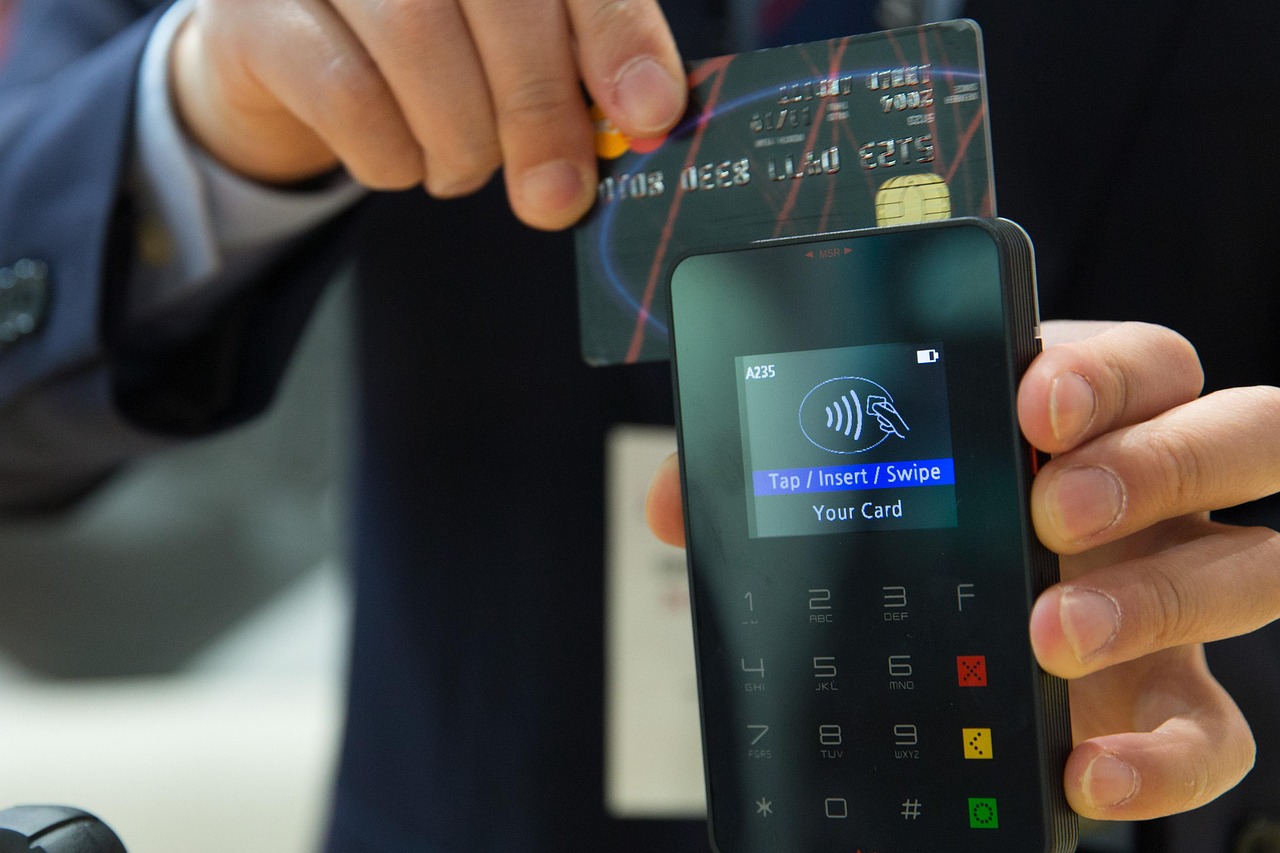
A fully integrated card reader means your payment totals are reconciled automatically with your till records. There is no manual keying of amounts, which eliminates a common and costly source of error. For practical guidance on pairing a card machine with your till, the complete guide to combined card machine and till systems explains all the integration options available to UK retailers.
Reporting and Analytics
Daily sales summaries, product performance reports, staff sales tracking and VAT reports should all be exportable in formats your accountant can use. Cloud-based systems make this available from your phone or laptop, anywhere.
Customer Management and Loyalty
Even a basic customer database — storing purchase history, contact details and loyalty points — allows you to market effectively to people who already trust your shop. This is disproportionately valuable for independent retailers competing with larger chains.
Multi-Channel Capability
If you sell online as well as in-store, your EPOS should synchronise stock across both channels automatically. Overselling online because your till does not know about it is an avoidable and reputation-damaging problem.
EPOS Hardware Explained: Tills, Scanners, Receipts and Card Readers
A complete retail EPOS setup typically comprises several hardware components, each with a specific role. Understanding what each piece does helps you specify only what your shop genuinely needs — avoiding over-spending on hardware you will never use.
- Touchscreen till terminal: The central interface for your staff. Modern retail terminals range from compact 10-inch units suitable for a small counter to larger 15-inch units with rear-facing customer displays.
- Barcode scanner: A handheld or desktop scanner dramatically speeds up checkout and also enables accurate stocktaking. For shops selling branded goods, a scanner that reads both 1D and 2D barcodes is advisable.
- Receipt printer: Thermal printers are standard — they are fast, quiet, and the rolls are inexpensive. Retailers can also offer digital receipts via email or SMS, which many customers now prefer.
- Cash drawer: Still essential for most shops, even as card payments dominate. A cash drawer connected directly to your till software opens automatically on cash transactions and logs every opening for security.
- Card payment terminal: Integrated card readers communicate directly with the EPOS software. If your shop layout requires flexibility — such as a pop-up area or outdoor market stall — a wireless option is worth considering. The practical guide to wireless card machines for small businesses covers the key criteria for choosing the right one.
- Label and tag printer: For shops that price goods individually — clothing, gifts, homeware — a dedicated label printer integrated with your EPOS saves considerable time when new stock arrives.
You do not need every component from day one. A well-structured EPOS supplier will help you specify a starter configuration that can be expanded as your business grows.
How Much Does an EPOS System Cost for a Small Retail Shop?
Pricing varies considerably depending on whether you opt for an outright purchase, a monthly subscription, or a bundled finance arrangement. The figures below are indicative market ranges for the UK and should be used for budgeting guidance only — your actual quote will depend on hardware specification, software tier and support package.
| Setup Type | Typical Upfront Hardware Cost | Typical Monthly Software Cost | Best Suited To |
|---|---|---|---|
| Entry-level single terminal | From approximately £300–£600 | From approximately £20–£40/month | Sole traders, market stalls, pop-up shops |
| Mid-range retail bundle (till, scanner, printer, drawer) | From approximately £700–£1,400 | From approximately £40–£80/month | Independent shops with one to three staff |
| Advanced multi-terminal system | From approximately £1,500 upward | From approximately £80–£150+/month | Larger independents, multi-location retailers |
| No-monthly-fee models | Higher upfront, typically £800–£2,000+ | £0/month (software included) | Owners who prefer a single capital outlay |
Transaction fees on card processing are a separate line and depend on your payment processor and monthly card turnover — they are not typically included in EPOS software pricing. If avoiding ongoing subscription fees is a priority, the guide to EPOS systems with no monthly fee explains what that model entails and the trade-offs involved. Similarly, for those evaluating all their options, alternative till system options provides a broader market overview to help you compare approaches.
Cloud-Based vs. Traditional EPOS: Which Is Right for Your Shop?
This is one of the most common questions retailers ask before committing to a system, and the answer depends on your priorities around cost, flexibility and internet reliability.
Cloud-Based EPOS
Software is hosted remotely and accessed via a browser or dedicated app. Updates happen automatically, your data is backed up off-site, and you can view reports from any device with an internet connection. This model suits most modern retailers, particularly those who want to manage their business on the move or who operate across multiple sites. The main dependency is a reliable broadband or 4G connection — most good cloud EPOS systems include offline mode for short outages, but this is worth confirming before you buy.
Traditional (On-Premise) EPOS
Software is installed locally on your hardware. It does not depend on internet connectivity for core operations, which makes it attractive in locations with unreliable broadband. However, software updates, remote support and data backup require more active management from either you or your supplier.
For the vast majority of UK small retailers opening today, a cloud-based system with a reputable local support partner represents the strongest combination of capability, flexibility and value. For a broader breakdown of the considerations relevant to any small business, the complete 2026 guide to EPOS systems for small businesses covers the decision framework in detail.
Sector-Specific Considerations: Retail Is Not One-Size-Fits-All
A gift shop has different EPOS requirements from a pharmacy, and a fashion boutique operates differently from a convenience store. Before finalising your specification, consider the category-specific features your sector demands.
- Clothing and fashion: Matrix inventory management (size and colour variants per SKU), tagging integration and seasonal stock management are essential. The guide to EPOS systems for clothing shops covers the specific requirements of fashion retail in depth.
- Food and drink retail: Weight-based selling, short shelf-life stock management and, where applicable, age-verification prompts at the till are important features to verify.
- Health and beauty: Loyalty programmes and appointment booking integration add genuine value in this category.
- Gifts and homeware: A wide, frequently changing product range makes barcode scanning and rapid product setup essential, as does strong reporting to identify best-sellers quickly.
If you are unsure whether a system fits your specific retail category, talking to an expert online is the fastest way to get a considered, sector-specific recommendation without committing to a demo or purchase.
Getting Set Up: Installation, Training and Ongoing Support
The best hardware and software combination is only as good as the support behind it. Before signing any agreement, ask every potential supplier the following questions directly:
- Is installation included or charged separately? Some suppliers include on-site setup in the package price; others charge a day rate. Clarify this upfront.
- What does the training provision look like? Your staff need to be confident and competent on the system from day one. Look for a supplier who offers structured training — not just a manual — and ideally a dedicated onboarding session.
- What are the support hours and channels? A system fault on a busy Saturday afternoon needs a fast response. UK-based telephone support during retail trading hours is a minimum standard worth insisting on.
- What is the process for software updates? Cloud systems update automatically, but confirm whether any updates require downtime or staff re-training.
- Is there a service level agreement (SLA)? A written commitment to response and resolution times protects you commercially if something goes wrong.
If you would like to explore the software before committing to anything, the retail EPOS software demo from EPOS Direct gives you a hands-on look at the interface and features in your own time, with no obligation.
Why UK Retailers Choose EPOS Direct for Their Shop Till Systems
EPOS Direct is one of the UK's longest-established EPOS specialists, supplying and supporting independent retailers across England, Scotland, Wales and Northern Ireland. The business combines in-house software development with a dedicated UK support team — meaning the people who built the system are the same people who support it when questions arise.
For small retail shops in particular, the advantages are practical: flexible hardware bundles, a cloud-based retail software platform built specifically for UK retail requirements, integrated card payment processing, and an honest approach to pricing without hidden fees. You can explore the full range of current packages and hardware configurations on the EPOS Direct home page, where offers and detailed product information are kept up to date.
Independent retailers who want to see the platform in action before committing can browse the retail EPOS offers currently available, or go straight to a free personalised demo tailored to the size and category of their shop.
Making the Right Decision for Your Shop
The right EPOS system is the one that fits your shop's category, your budget, your staff's capabilities and your supplier's ability to support you long after installation day. Prioritise genuine retail-specific inventory management, integrated card payments, clear and exportable reporting, and a UK-based support team you can actually reach when it matters.
EPOS Direct's team works with independent retailers every day and is well placed to help you match the right system to your shop without over-specifying or under-delivering. Request a call back at a time that suits you, or talk to an expert online today — no pressure, just straightforward advice from people who know UK retail EPOS inside out.
Written by the EPOS Direct UK team, who help UK retailers find, install and get the most from their EPOS systems every day.
Frequently asked questions
- How much should I expect to pay for an EPOS system for my small shop?
- For a single-till setup in a small UK retail shop, you can typically expect to pay between £300 and £800 upfront for entry-level hardware (touch-screen till, receipt printer, barcode scanner and card reader). Software licences usually range from £20 to £60 per month depending on features. Some providers, including EPOS Direct UK, offer bundled packages that reduce the total cost of ownership significantly. Always check whether card payment processing fees are included or charged separately.
- Do I need an internet connection to run a retail EPOS system?
- Most modern EPOS systems are cloud-based and work best with a stable broadband connection, as this allows real-time stock updates, remote reporting and automatic software updates. However, many systems — including those from EPOS Direct UK — offer an offline mode so your till keeps processing sales even if your internet drops, syncing data automatically once reconnected.
- Can an EPOS system help me manage stock across multiple retail locations?
- Yes. Even if you currently run a single shop, choosing a scalable EPOS system that supports multi-site stock management is a smart investment. With a cloud-based system you can view and transfer stock between locations, set reorder alerts, and generate consolidated sales reports — all from one dashboard. This makes it much easier to expand without replacing your technology.
