We use cookies to make your experience better.
To comply with the new e-Privacy directive, you agree to the privacy policy and our use of cookies


Upgrading from a Traditional Cash Register to a Modern EPOS System: A UK Business Guide
How to Upgrade from an Old Cash Register to a Modern EPOS System in the UK
Switching from a traditional cash register to a modern EPOS system is one of the most impactful technology decisions a UK retailer or hospitality operator can make. A current EPOS solution does far more than process a sale — it manages stock, generates real-time reports, integrates card payments seamlessly, and gives you the business intelligence you need to grow. If your till is holding your operation back, this guide walks you through every stage of the transition, from recognising the warning signs to going live with a system built for the way you trade today.
Signs Your Old Cash Register Is Holding Your Business Back
Most business owners don't realise how much a legacy till costs them until they compare it against what a modern system delivers. The following are clear signals that it's time to act.
- No inventory visibility: You're counting stock manually, guessing reorder points, and discovering out-of-stocks only when a customer asks for something you don't have.
- Card payment friction: Your card terminal is entirely separate from your till, requiring you to enter amounts twice and reconcile two sets of transaction records at the end of every shift.
- No sales data you can act on: Your register can tell you the day's total, but not which products are your best performers, which staff member has the highest average transaction, or what time of day drives the most revenue.
- End-of-day reconciliation is painful: Closing down takes 30–45 minutes of manual cross-referencing because nothing talks to anything else.
- No loyalty or CRM capability: You cannot record customer details, run promotions, or reward repeat buyers in any structured way.
- Software support has ended: Many legacy cash registers run on discontinued firmware with no security updates, creating compliance risk around card data handling.
If two or more of those points feel familiar, the ROI case for upgrading is almost certainly positive.
What Is an EPOS System and How Does It Differ from a Traditional Till?
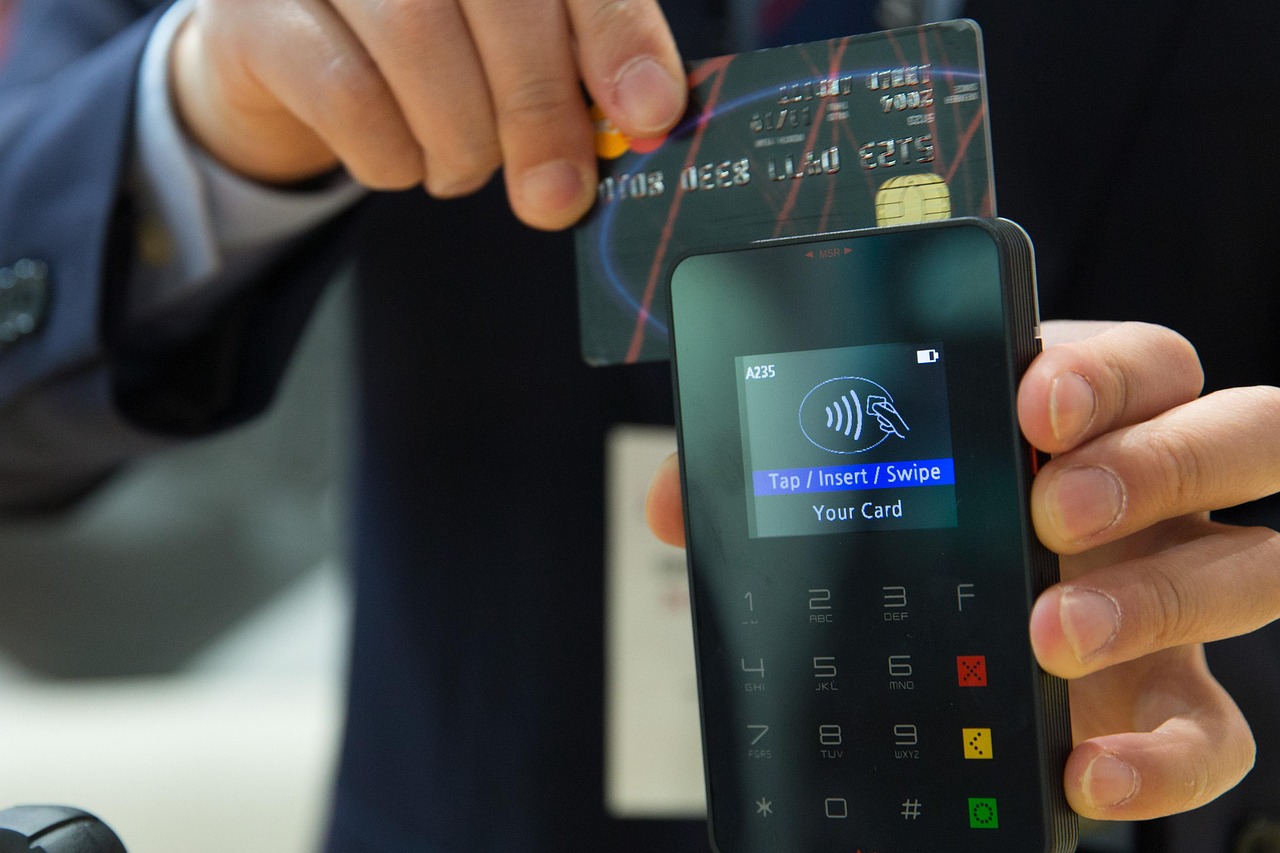
An EPOS (Electronic Point of Sale) system is a networked combination of hardware and software that manages the entire transaction lifecycle — not just the exchange of money. Where a traditional cash register records a sale and opens a drawer, an EPOS system simultaneously updates stock levels, logs the transaction against a customer account, triggers low-stock alerts, and feeds the data into your back-office reports.
The hardware typically comprises a touchscreen terminal, receipt printer, barcode scanner, cash drawer and — critically for UK businesses — an integrated card payment terminal. The software is the real differentiator: cloud-based EPOS platforms let you view live sales data from any device, push price changes across multiple sites instantly, and connect to accounting tools such as Xero or QuickBooks.
For a deeper technical comparison of how integrated card payment works alongside the till, our guide on combining a card machine and till system covers the topic in full.
Key Benefits of Switching to an EPOS System for UK Retailers and Hospitality
For Retailers
- Real-time stock control with automatic reorder triggers
- Barcode scanning and label printing to speed throughput at the counter
- Multi-site management from a single back-office dashboard
- Loyalty schemes and customer purchase history
- Seamless integration with e-commerce platforms
If you run a shop and want a structured breakdown of what to prioritise, our practical buyer's guide to till systems for small businesses is an excellent starting point.
For Hospitality and F&B Operators
- Table management and split-bill functionality
- Kitchen display system (KDS) integration to cut order errors
- Course-by-course ordering with modifier tracking
- Allergen flagging at the point of order
- Integrated EPOS and card payments that reduce end-of-service reconciliation to minutes
Across Both Sectors
- VAT-compliant receipts and Making Tax Digital (MTD)-ready reporting
- Staff clock-in/clock-out and performance tracking
- Contactless, chip-and-PIN, and mobile wallet acceptance as standard
- Cloud backup meaning a loss of power or hardware failure doesn't mean lost data
What to Look for When Choosing an EPOS System in the UK
The market offers dozens of solutions, and not all are equal. Use the following criteria to filter your options before you commit.
1. Software depth and scalability
Ask vendors to demonstrate the reporting suite, not just the sales screen. Strong back-office analytics — margin by product line, footfall patterns, staff performance — separate serious business tools from glorified tills. Book a retail EPOS software demo or a restaurant EPOS software demo to see the platform live before you decide.
2. Integrated card payments
A system where the EPOS and card terminal communicate directly eliminates double-keying errors and dramatically speeds up end-of-day reconciliation. Our guide to EPOS systems with integrated card payments explains what to check and what questions to ask your provider.
3. UK-based support
When your till goes down at 7pm on a Friday, you need to speak to someone in a UK time zone who understands your sector. Verify support hours, response-time guarantees, and whether remote diagnostics are included in your contract.
4. Hardware quality and warranty
Commercial-grade hardware — fanless all-in-one terminals, spill-resistant keyboards, high-cycle receipt printers — lasts significantly longer than consumer electronics repurposed as a till. Confirm warranty length and replacement lead times.
5. Ownership model: subscription versus outright purchase
Both models have genuine merit depending on your cash flow profile and growth plans. For a balanced analysis, read our breakdown of monthly EPOS subscription versus outright purchase before signing anything.
6. Sector-specific functionality
A pharmacy has very different compliance and workflow requirements to a coffee shop. Confirm that the platform has been built for — or properly configured for — your vertical. EPOS Direct, for example, offers a dedicated pharmacy EPOS software demo for regulated retail environments.
How Much Does an EPOS Upgrade Cost? UK Pricing Guidance
Costs vary considerably depending on the number of terminals, hardware specification, software tier, and whether you purchase outright or opt for a subscription. The figures below are indicative ranges based on typical UK market pricing — always request a personalised quote before budgeting.
| Setup Type | Typical Hardware Cost (indicative) | Typical Software Cost (indicative) | Best Suited To |
|---|---|---|---|
| Single-terminal starter bundle (outright purchase) | Typically from £500–£900 | From around £30–£60/month | Independent retailers, sole traders, pop-ups |
| Mid-range single-site system (outright purchase) | Typically £900–£1,800 per terminal | From around £50–£100/month | Established SME retailers, cafés, restaurants up to 60 covers |
| Multi-terminal or multi-site deployment | Negotiated per terminal; typically from £700/terminal | From around £80–£200/month depending on tier | Restaurant groups, multi-branch retail, hotel F&B |
| Subscription (hardware + software bundle) | Low or zero upfront cost | Typically from £40–£120/month all-in | Businesses preferring low upfront spend; startups |
Additional costs to factor in include installation, staff training, ongoing card-processing fees (set by your acquiring bank or payment partner, not your EPOS provider), and any integration work with existing accounting or e-commerce platforms. To explore current offers from EPOS Direct, visit the retail EPOS offers page or the hospitality and restaurant EPOS offers page.
Step-by-Step: How the Upgrade Process Works
A well-managed EPOS migration is far less disruptive than most business owners fear. Here is how a structured upgrade typically unfolds.
- Discovery call: A consultant reviews your current setup, transaction volumes, stock complexity, and growth plans to recommend the right hardware and software tier.
- Demo and configuration: You view a live software demonstration — tailored to your sector — and agree on the feature set, user permissions, and integrations required.
- Data migration: Existing product data, pricing, and (where available) customer records are imported into the new platform. This is a critical step that a good provider handles for you.
- Hardware delivery and installation: Equipment is delivered pre-configured where possible. An engineer assists with installation and network connectivity.
- Staff training: Hands-on training is delivered before go-live. Most retail staff are comfortable with a touchscreen EPOS interface within a few hours.
- Go-live with support cover: Your first trading period is supported by the provider's team monitoring remotely, ensuring any teething issues are resolved immediately.
- Post-installation review: A follow-up call confirms the system is configured optimally and identifies any additional reporting or automation you want to activate.
For more detail on the transition itself, including what to do with your old equipment, our dedicated guide on switching from a cash register to an EPOS system covers the process in full for UK retailers.
To begin the process with EPOS Direct, you can talk to an expert online at a time that suits you, or request a free demo to see the platform live.
Frequently Asked Questions About Switching to EPOS in the UK
Can I keep my existing card payment provider?
In many cases, yes — though the degree of integration available will depend on whether your acquirer's terminal is compatible with the EPOS platform you choose. Full integration (where the till pushes the transaction amount directly to the card terminal) delivers the greatest operational benefit. If your current acquiring relationship is not compatible, your EPOS provider can usually introduce you to a partner acquirer, and it is worth comparing the total cost of your payments rather than treating card processing as a fixed overhead.
How long does the full transition take?
For a single-site independent business, the period from initial order to going live is typically one to three weeks, depending on hardware availability, data complexity, and your own availability for training. Multi-site deployments are phased over a longer timeline, usually rolled out site by site to minimise disruption. The short answer: a well-supported upgrade does not require you to close for any meaningful period.
Is EPOS software Making Tax Digital compliant?
Making Tax Digital (MTD) for VAT requires VAT-registered businesses to keep digital records and submit returns digitally via compatible software. A quality EPOS platform will maintain the digital transaction records required under MTD and integrate with compliant accounting software for submission. Always verify MTD compatibility with your provider and check HMRC's published list of compatible software at gov.uk before committing. Your accountant can also confirm whether your proposed setup meets your specific obligations.
What happens to my data if I switch providers later?
This is an important question to ask before signing any contract. Reputable providers will export your data in a standard format (CSV, XML, or equivalent) on request. Confirm data portability rights in writing before you commit. Cloud-based systems also benefit from offsite backup, so your historical transaction data is protected against hardware failure regardless of your future decisions.
Conclusion: Ready to Make the Switch?
Upgrading from a legacy cash register to a modern EPOS system is one of the clearest operational improvements available to UK retailers and hospitality operators. Greater stock control, integrated card payments, actionable sales data, and Making Tax Digital readiness are not future-proofing luxuries — they are practical necessities for a business trading competitively today. The transition is more straightforward than most owners anticipate when handled by an experienced provider.
EPOS Direct UK works with independent retailers, restaurants, pharmacies, and multi-site operators across the United Kingdom, providing hardware, software, installation, and ongoing support from a single point of contact. Explore the full range of solutions and current offers on the EPOS Direct home page, or take the first step by requesting a free demo today.
Written by the EPOS Direct UK team, who support UK retailers and hospitality businesses through EPOS selection, installation and ongoing use every day.
Frequently asked questions
- Will I lose all my sales data when I switch from my old cash register to an EPOS system?
- In most cases, legacy cash registers store little or no exportable data, so there is nothing to migrate — you simply start fresh with your new EPOS system. A good supplier will help you import your product catalogue, pricing and any existing customer records into the new platform before you go live, ensuring zero disruption to trading.
- How much should I budget for an EPOS upgrade in the UK?
- Costs vary depending on the size and type of your business. For a single-till setup, expect to pay roughly £300–£700 for entry-level hardware (touchscreen terminal, receipt printer, cash drawer and barcode scanner) plus a monthly software subscription of around £20–£60. A mid-range all-in-one bundle from a specialist like EPOS Direct typically starts from £499 including setup. Multi-till or full hospitality installs can range from £1,000 to £3,000+. Many suppliers offer finance or leasing options to spread the cost.
- How long does it take to set up a new EPOS system and train my staff?
- For a standard single-site retail or hospitality setup, hardware installation usually takes a few hours and can be completed in one day. Modern cloud-based EPOS software is designed to be intuitive, so most staff can handle basic transactions after just 30–60 minutes of training. EPOS Direct provides remote and on-site support, plus training resources, to get your team confident quickly.
