We use cookies to make your experience better.
To comply with the new e-Privacy directive, you agree to the privacy policy and our use of cookies

EPOS System With Integrated Card Payments: The Complete UK Buyer's Guide (2026)
EPOS System With Integrated Card Payments: The Complete UK Buyer's Guide (2026)
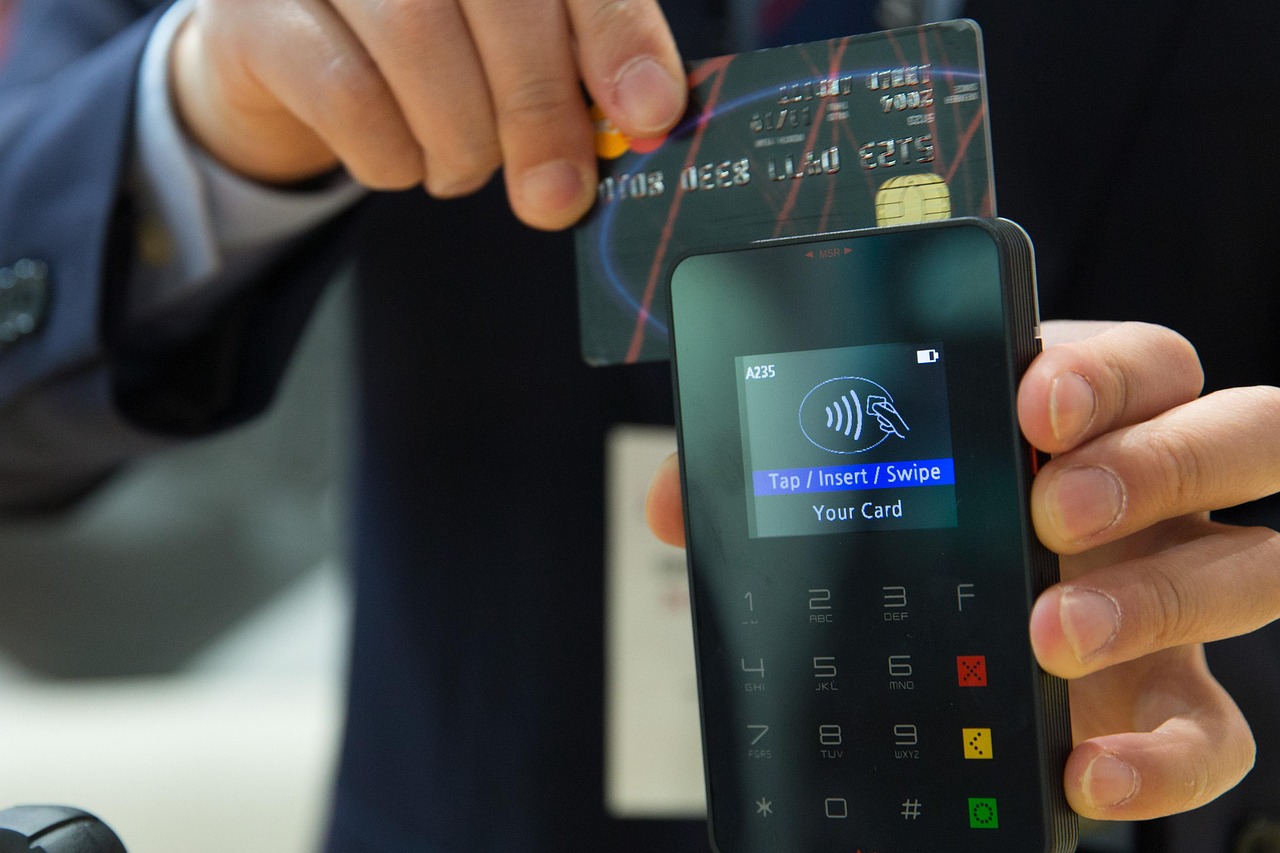
An EPOS system with integrated card payments combines your point-of-sale software, hardware, and payment processing into a single, unified platform — eliminating the friction, reconciliation errors, and lost time that come from running a separate card terminal alongside a standalone till. For UK retailers, hospitality operators, and independent businesses, this integration is no longer a luxury reserved for large chains; it is rapidly becoming the standard that customers expect and that HMRC's Making Tax Digital ambitions increasingly reward. This guide covers everything you need to make a confident, well-informed decision.
What Does a Truly Integrated Payment and EPOS Solution Actually Mean?
The word "integrated" is used loosely in the market, so it is worth being precise. A genuinely integrated system means that when a sale is completed on your EPOS software, the exact transaction amount is pushed automatically to the card terminal — no manual keying, no second screen, no double entry. The payment result flows back into the EPOS, updating stock levels, sales reports, and end-of-day totals in real time.
This is meaningfully different from simply having a card machine nearby your till. True integration creates a closed loop: one source of truth for every transaction. If you are evaluating solutions, ask suppliers to demonstrate this live data flow before you commit. Our detailed companion piece, Card Machine and Till System Combined: The Complete Guide for UK Businesses, explains the technical architecture in depth.
How Integration Compares to a Standalone Card Terminal Setup
Many businesses inherit a standalone card machine from their bank or a card processor and bolt it onto an existing till. The arrangement works — until it doesn't. The table below maps the practical differences so you can assess your current setup honestly.
| Capability | Standalone Card Terminal + Separate Till | Integrated EPOS & Card Payment System |
|---|---|---|
| Amount entry | Staff key total manually into terminal — error-prone | Amount sent automatically from EPOS software |
| End-of-day reconciliation | Manual cross-check between till Z-read and card terminal report | Single unified report; discrepancies flagged automatically |
| Stock management | Stock not updated by card payment status | Stock decremented only on confirmed payment |
| Refunds & voids | Processed separately on terminal; easy to miss in accounts | Initiated from EPOS; refund logged against original transaction |
| Reporting depth | Card and cash totals held in separate systems | All tender types unified in one dashboard |
| Staff training overhead | Two devices, two workflows, higher error rate | One workflow; faster onboarding for new staff |
| Compliance & audit trail | Gaps possible between the two systems | Complete, timestamped audit trail in one place |
The productivity gains alone — fewer keying errors, faster queues, quicker closes — typically offset the cost of integration within months for a busy site.
Key Features to Evaluate Before You Buy
Not all integrated solutions are built equally. A buyer who focuses only on headline transaction rates can miss features that matter far more to day-to-day operations. Prioritise these when comparing systems.
Payment Method Coverage
- Chip and PIN, contactless (Visa, Mastercard, Amex), and mobile wallets (Apple Pay, Google Pay)
- Split-tender payments — particularly important in hospitality where a table may split a bill across card and cash
- BNPL or alternative payment methods if your customer base expects them
Software Depth and Sector Fit
- Retail-specific features: barcode scanning, product variants (size/colour), supplier purchase orders, loyalty schemes
- Hospitality-specific features: table mapping, course management, kitchen display integration, covers tracking
- Pharmacy-specific needs: prescription management, age-verification prompts, controlled drug logging
EPOS Direct UK provides purpose-built software for each of these environments. You can explore the platform in detail — and book a retail EPOS software demo or a restaurant EPOS software demo — before you make any commitment.
Connectivity and Resilience
- Does the terminal fall back to offline mode if your broadband drops? For a busy lunchtime service, offline card acceptance is non-negotiable.
- Wi-Fi and 4G/LTE options for mobile or market-stall environments
Reporting and Accounting Integration
- Live dashboards accessible from a back-office tablet or mobile
- Exports or live feeds to accountancy packages (Xero, QuickBooks, Sage)
- VAT-ready reporting that supports Making Tax Digital requirements
What Does an Integrated EPOS and Card Payment System Cost in the UK?
Pricing varies considerably depending on the number of terminals, the software tier, and whether you purchase hardware outright or subscribe monthly. The figures below are indicative of what UK businesses typically encounter — they are honest market ranges, not quotes.
Hardware
- Entry-level countertop bundle (touchscreen till, integrated card terminal, receipt printer): typically from around £500–£900 as an outright purchase for a single-lane setup
- Mid-range retail or café setup (15" touchscreen, barcode scanner, cash drawer, integrated terminal): typically £900–£1,800 outright for a single till point
- Multi-terminal hospitality or retail estate: hardware costs scale per terminal; many operators find a monthly subscription model more cash-flow-friendly at this scale
Software and Payment Processing
- Cloud EPOS software subscriptions: typically from around £30–£80 per month per terminal for a competitively featured platform
- Card processing rates in the UK vary by volume and card type; most businesses on integrated solutions negotiate a blended rate or a flat rate rather than interchange-plus — ask any supplier to show you a full fee schedule before signing
- Monthly all-inclusive bundles (hardware rental + software + payment processing): most setups fall between approximately £50 and £150 per month per terminal depending on scope and volume
For a side-by-side look at subscription versus outright purchase, our guide on monthly EPOS subscription versus outright purchase walks through the maths for different business sizes. If card-machine costs are a particular concern, you may also find our overview of card machines with no monthly fee for UK businesses a useful reference point before comparing integrated packages.
Which Industries Benefit Most — and What Each Sector Needs
Retail
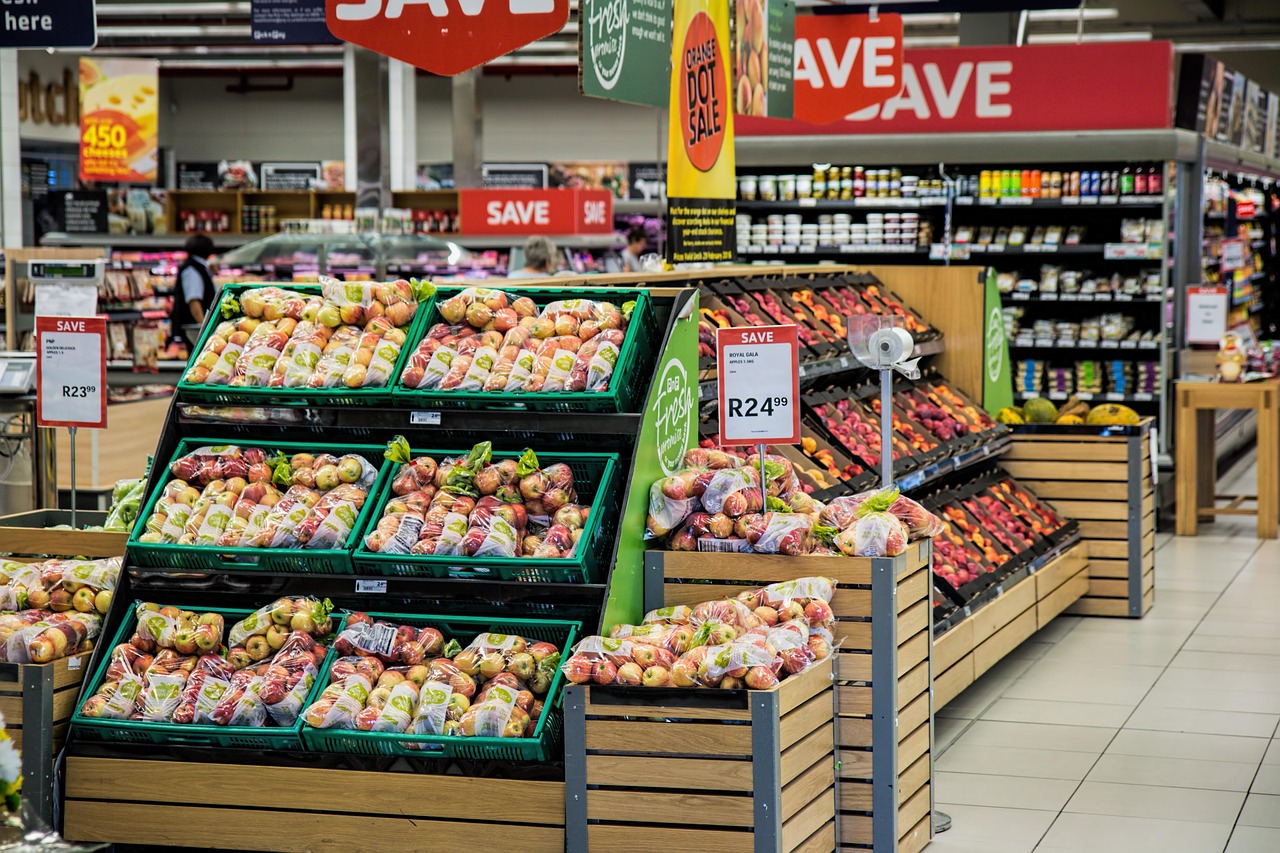
From independent gift shops to multi-branch fashion retailers, integrated payments remove queue build-up and give buyers a seamless checkout experience. Key retail priorities include real-time stock sync (so your EPOS website and shop floor never disagree), loyalty point allocation tied to card identity, and age-verification prompts for restricted goods. Independent off-licence owners, for example, have specific compliance needs — our guide to till systems for off licences goes into these in detail. For general retail guidance, see our overview of the best till systems for small businesses in the UK.
Ready to see how it works in practice? Browse our current retail EPOS offers to find a configuration suited to your store size and budget.
Hospitality and Food & Beverage
Restaurants, cafés, bars, and quick-service operators have a particular need for speed and accuracy at the point of payment. Integrated table-billing means a server can close a table from a handheld device and take contactless payment at the table — no paper bill, no trip to a fixed terminal, no opportunity for orders to be entered twice. Kitchen display systems that only fire confirmed, paid orders reduce food waste and over-preparation. Explore our hospitality EPOS solutions to see how these workflows are configured.
Pharmacies and Specialist Retail
For regulated retail environments, integration means that age-restricted or prescription-only prompts appear as part of the checkout flow — not as an afterthought on a separate screen. A pharmacy EPOS software demo will show you exactly how these workflows are enforced at the point of payment.
How to Switch Without Disrupting Your Business
The prospect of changing your payment infrastructure mid-trading week is daunting, and rightly so. A poorly managed switchover can cause queues, lost sales, and staff frustration. Here is a practical sequence that experienced EPOS implementations follow.
- Audit your current setup first. List every integration you rely on — accounting software, loyalty platforms, e-commerce feeds, stock ordering systems. Your new EPOS must accommodate all of them from day one.
- Migrate data before go-live. Product libraries, supplier details, and customer accounts should be imported and verified in a test environment before a single live transaction is processed.
- Train staff on the new workflow, not just the hardware. The biggest source of post-switchover complaints is staff reverting to old habits. Run at least one hands-on session with every team member who touches the till.
- Go live at your quietest trading time. For most retailers this is a weekday morning; for hospitality, consider a mid-week lunch rather than a Friday dinner service.
- Run parallel reporting for the first week. Keep your old system accessible (even if switched off) so you can cross-reference if a transaction query arises in the first few days.
EPOS Direct UK's onboarding team guides clients through every stage of this process. If you'd like to understand the full scope of what a transition involves for your specific setup, talk to one of our EPOS experts online — no obligation, no sales pressure, just practical advice.
Why Choose EPOS Direct UK?
EPOS Direct UK has been supplying and supporting point-of-sale systems to UK businesses across retail, hospitality, pharmacy, and specialist sectors for many years. Our integrated payment systems are built around a straightforward principle: your till, your terminal, and your back-office reporting should all speak the same language, and you should never have to chase a problem across three different support lines.
- UK-based support — you speak to people who understand UK compliance, UK card schemes, and UK trading environments
- Sector-specific software — not a generic platform shoe-horned into your industry, but purpose-built workflows for retail, hospitality, and pharmacy
- Flexible commercial models — whether you prefer to purchase hardware outright or spread costs across a monthly plan, we offer both
- End-to-end supply — hardware, software, integrated payments, and aftercare from one supplier, simplifying your vendor relationship significantly
For the full range of products, current promotions, and sector solutions, visit the EPOS Direct UK home page where you'll find everything you need to get started.
Conclusion: Making the Right Decision for Your Business
A well-chosen integrated EPOS and payment solution does more than process transactions — it tightens your stock control, accelerates your end-of-day close, reduces staff errors, and gives you the kind of real-time business intelligence that used to require a dedicated finance team. The key is matching the system to your sector, your volume, and your ambitions, not simply choosing the cheapest terminal on the market.
If you are ready to see how an integrated solution would work in your specific business, request a free demo from EPOS Direct UK — or request a call back and one of our specialists will walk you through the options at a time that suits you.
Written by the EPOS Direct UK team, who work alongside UK retailers, restaurateurs, and independent business owners every day to design and implement integrated EPOS and payment solutions across the country.
Frequently asked questions
- What does 'integrated card payments' mean on an EPOS system?
- Integrated card payments mean your card terminal communicates directly with your EPOS software, so sale totals are sent automatically to the payment device — eliminating manual re-keying, reducing human error, and producing a single unified transaction record for easier reconciliation.
- Which card payment providers work with EPOS Direct UK systems?
- EPOS Direct UK systems are compatible with leading UK acquirers and payment gateways including Worldpay, Barclaycard, Dojo, and Paymentsense. Our team will recommend the most cost-effective provider based on your monthly transaction volume and business type.
- Can I use my existing card machine with a new EPOS system?
- In some cases yes, but true integration usually requires a compatible or recommended payment terminal. Using a non-integrated terminal means staff must manually enter amounts, which slows service and increases errors. EPOS Direct UK can advise whether your current hardware is compatible before you commit.
