We use cookies to make your experience better.
To comply with the new e-Privacy directive, you agree to the privacy policy and our use of cookies


EPOS Systems with Built-In Loyalty Schemes for UK Retail: The Complete Guide
EPOS Systems with Loyalty Schemes for UK Retail Businesses
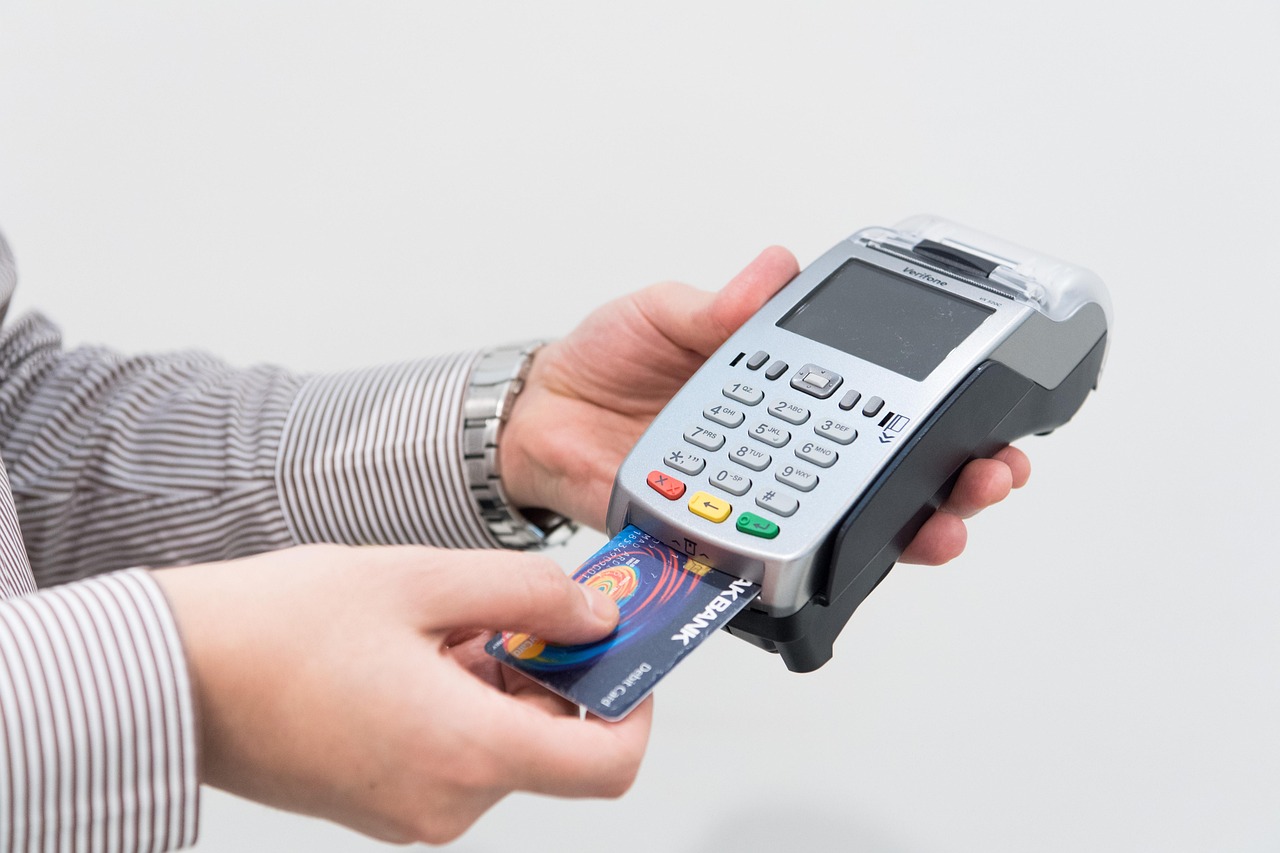
For UK retailers looking to build lasting customer relationships, the combination of a modern EPOS system and an integrated loyalty programme is one of the most effective tools available. Rather than running loyalty rewards as a separate, disconnected process, today's point-of-sale platforms can handle everything at the till — automatically tracking spend, issuing points and triggering rewards in real time. This guide explains what to look for, what to expect to pay, and how to choose a solution that genuinely drives repeat footfall rather than simply adding administrative complexity.
Written by the EPOS Direct UK team, who work with independent retailers and multi-site retail businesses across the United Kingdom every day.
Why UK Retailers Are Combining EPOS and Loyalty Programmes
Customer acquisition costs have risen sharply across UK retail, making retention a commercial priority rather than a nice-to-have. Research from the Chartered Institute of Marketing has long established that retaining an existing customer is significantly less expensive than winning a new one — and a well-structured loyalty scheme directly supports that goal by giving shoppers a compelling reason to return.
The problem with traditional loyalty card systems — paper stamps, standalone apps or third-party platforms — is fragmentation. Staff must manually log rewards, data sits in silos, and the retailer rarely gains actionable insight from the programme. When loyalty is built directly into the EPOS platform, every transaction automatically feeds the scheme. There is no double-entry, no missed stamps and no reconciliation headache at month end.
Independent fashion boutiques, health and beauty retailers, convenience stores, sports shops and gift retailers are among the sectors where integrated loyalty has shown the clearest uplift in basket size and visit frequency. If your business model depends on customers coming back — and whose does not? — a connected EPOS-loyalty solution deserves serious consideration.
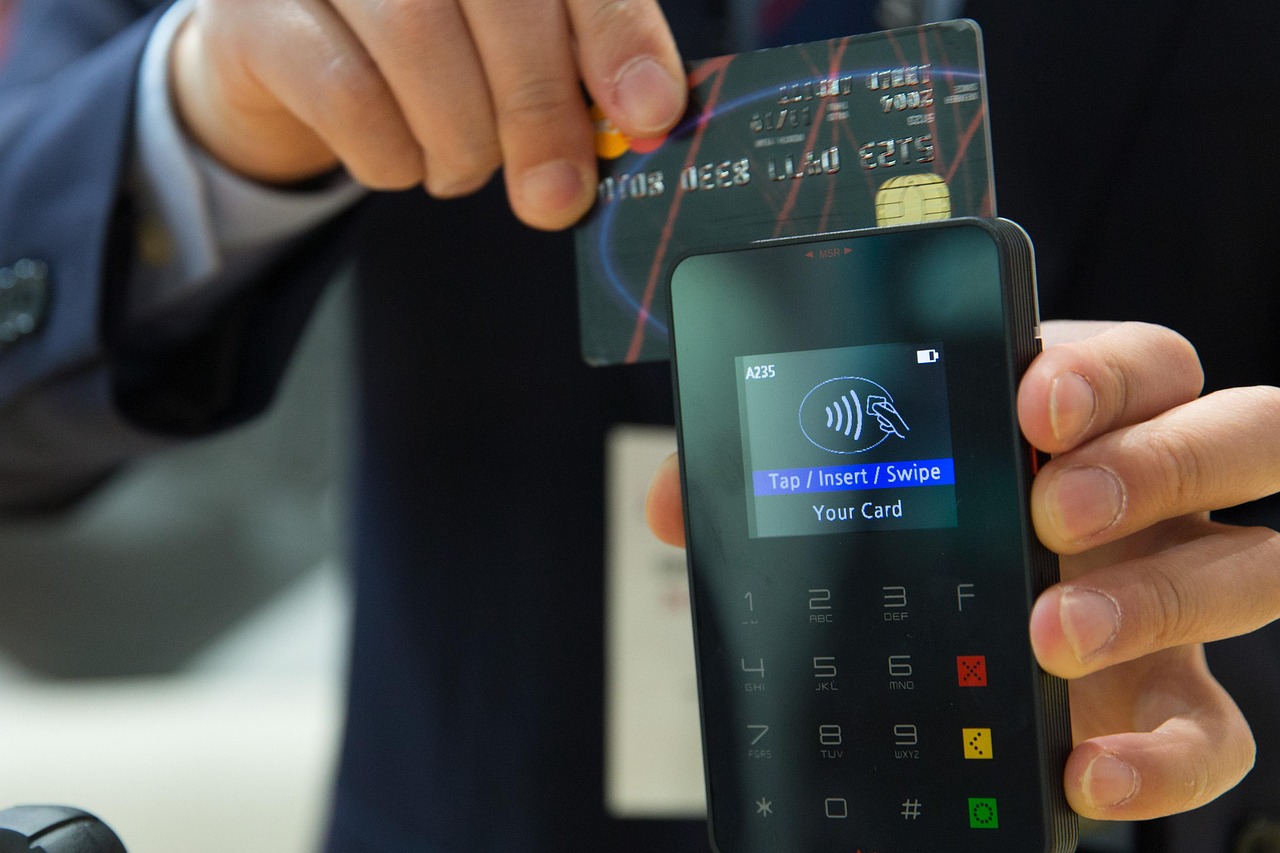
Key Features to Look for in a Retail EPOS Loyalty System
Not all loyalty modules are created equal. When evaluating platforms, the following capabilities separate genuinely useful systems from superficial add-ons.
Points and Rewards Engine
- Flexible earning rules: award points per pound spent, per item, per product category, or on specific promotional lines.
- Multiple redemption methods: discount at the till, free products, vouchers or tier-based perks.
- Expiry and minimum thresholds: control liability and encourage timely redemption.
Customer Database and CRM
- Centralised customer profiles that capture purchase history, lifetime value and visit frequency.
- Segmentation tools so you can target your top-spending customers differently from occasional visitors.
- GDPR-compliant data capture and consent management — a legal requirement for any UK retailer storing personal data. Verify your obligations at ico.org.uk.
Reporting and Analytics
- Loyalty-specific dashboards showing redemption rates, active members and programme ROI.
- Integration with sales reports so you can compare loyalty-member behaviour against non-member spend.
Multi-Channel and Multi-Site Support
- If you operate more than one location, points must transfer seamlessly across sites.
- Where you also sell online, look for ecommerce integration so loyalty balances are consistent across channels.
For a broader view of what any retail till system should deliver before you add a loyalty layer, our practical buyer's guide to the best till systems for small businesses is a useful starting point.
How a Built-In Loyalty Scheme Works at the Point of Sale
A genuinely integrated loyalty system removes nearly all friction from the customer experience. Here is how a typical transaction flows with a well-configured EPOS platform.
- Customer identification: the customer is identified at the till — via a loyalty card scan, a key-fob barcode, a mobile app QR code or simply by searching their name or phone number on the touchscreen.
- Basket scanning: items are scanned as normal. The system automatically calculates points earned based on the current earning rules for each product or category.
- Redemption prompt: if the customer has sufficient points, the system prompts the cashier (or the customer, on a customer-facing display) with available rewards. The customer chooses whether to redeem.
- Payment and confirmation: payment is taken — including via integrated card terminals — and the updated points balance is shown on the receipt and, where enabled, sent by email or SMS.
- Data capture: the transaction is logged against the customer profile, enriching the CRM for future targeting.
The entire process adds only a few seconds to a transaction when hardware and software are properly configured. For retailers concerned about queue times, this is an important detail to test during any product demonstration — which is why we recommend booking a retail EPOS software demo before committing to a platform.
The Real Business Benefits: Repeat Footfall, Basket Size and Retention
The commercial case for an EPOS-integrated loyalty programme rests on three measurable levers.
Increased Visit Frequency
When customers know they are accumulating points, they have a concrete incentive to return to your store rather than a competitor. A well-structured programme with visible progress — shown on receipts and in a customer portal — creates a psychological commitment that drives footfall independently of promotions.
Higher Average Basket Value
Tiered loyalty structures (Silver, Gold, Platinum, for example) encourage customers to spend more per visit to reach the next tier. Bonus-point promotions on specific product lines can also be used strategically to clear slow-moving stock or promote higher-margin products.
Richer Customer Data for Smarter Decisions
Perhaps the most underappreciated benefit is the data. An integrated system tells you precisely who your best customers are, what they buy, how often they visit and how they respond to promotions. This transforms vague intuition into actionable merchandising and marketing decisions — reducing wasteful blanket discounting in favour of targeted, high-conversion offers.
These benefits compound over time. A loyalty programme that runs for 12 months will have built a dataset that genuinely informs your buying, staffing and promotional calendar in ways that no external market report can replicate.
Costs and Pricing: What UK Retailers Should Expect to Pay
Pricing for retail EPOS systems with integrated loyalty varies considerably depending on the number of tills, the complexity of the loyalty module and whether hardware is included. The following are honest indicative ranges for the UK market — not quotes — to help you budget sensibly.
| Setup Type | Typical Monthly Range | What's Usually Included | Best For |
|---|---|---|---|
| Entry-level (software only) | Typically from £30–£60/mo | EPOS software with basic loyalty module, cloud reporting | Single-site retailers with existing hardware |
| Mid-tier (software + hardware) | Typically £80–£150/mo | Touchscreen till, receipt printer, loyalty software, card integration | Independent retailers starting from scratch |
| Full retail suite | Typically £150–£300+/mo | Multi-till, advanced CRM, SMS/email marketing, multi-site loyalty | Multi-location or higher-volume independent retailers |
| Outright purchase | Higher upfront; lower ongoing | Varies — hardware owned outright, licence or SaaS fee ongoing | Retailers who prefer capital expenditure over subscription |
Hardware costs — touchscreen terminals, barcode scanners, loyalty card readers — are separate from software licences in many cases, so always request an all-in quote. Installation, training and ongoing support should also be factored in; a lower headline price that excludes support can cost more in lost trading time than it saves. For a detailed look at the subscription versus purchase decision, see our guide on monthly EPOS subscriptions versus outright purchase.
Card processing fees are charged separately by your acquirer and are independent of EPOS software pricing. If integrated card payments are important to you — and for most retailers they are — our guide to EPOS systems with integrated card payments explains what to look for.
How EPOS Direct UK's Retail Loyalty Solution Compares
EPOS Direct UK provides retail EPOS platforms with loyalty functionality built into the software stack — not bolted on as a third-party workaround. Key differentiators include a cloud-based customer database accessible from any site, configurable points rules that can be adjusted without developer involvement, and loyalty reporting integrated within the same dashboard as your sales, stock and staff data.
Where many entry-level systems require separate software subscriptions for CRM, loyalty and email marketing, EPOS Direct UK's retail solution consolidates these functions, reducing both cost and the number of integrations to maintain. Support is UK-based, which matters when a technical issue arises during a busy Saturday trade period.
For a hands-on view of the platform's retail capabilities, you can request a retail EPOS software demo directly, or talk to an expert online to discuss your specific loyalty requirements before committing to anything.
For a broader overview of the brand and its full product range, the complete guide to EPOS Direct systems for UK businesses covers everything in one place.
Getting Started: Setting Up Your Loyalty Scheme In-Store
A phased approach consistently produces better results than attempting to launch a fully featured loyalty programme on day one. Here is a practical sequence that works well for most independent retailers.
Phase 1 — Define Your Programme Structure
Decide on your earning and redemption model before touching any software. How many points per pound? What is the redemption value? Will you offer tiers? A simple, transparent structure is almost always more effective than a complex one that customers find difficult to understand at the checkout.
Phase 2 — Configure and Test
Work with your EPOS provider to configure the loyalty module against your chosen rules. Run test transactions across every scenario — including partial redemptions, refunds on loyalty purchases and multi-till environments — before going live. This is where a proper onboarding process from your supplier matters.
Phase 3 — Train Staff
Cashier confidence directly determines sign-up rates. Staff should be able to enrol a new loyalty member, apply a redemption and explain the programme benefits in under 60 seconds. Build this into your standard till training and include it in onboarding for new hires.
Phase 4 — Launch and Recruit Members
Use receipts, bag inserts and point-of-sale signage to communicate the programme at launch. A sign-up incentive — bonus points on the first transaction, for example — accelerates early adoption. Collect email addresses with proper consent for ongoing communication.
Phase 5 — Review and Optimise
After 60–90 days, review your loyalty analytics. Which products drive the most points? What is your active member rate? Are high-value customers redeeming, or accumulating without spending? These insights shape your next promotional cycle and allow you to adjust the programme rules for better commercial outcomes.
If you are also considering how payment technology fits into your setup, our guide to combining a card machine and till system explains the integrated options available to UK retailers in 2026.
The Direct Answer: Does an Integrated Loyalty Scheme Pay Off?
For most UK retailers with a repeat-customer model, yes — an EPOS system with a built-in loyalty programme pays for itself through increased visit frequency and higher average transaction values, provided the programme is structured clearly, staff are properly trained and the data it generates is actively used to inform decisions. The key is choosing a system where loyalty is native to the platform, not a costly add-on requiring separate management.
Ready to Explore Your Options?
EPOS Direct UK works with independent retailers and growing retail businesses across the United Kingdom to implement EPOS and loyalty solutions that are practical, scalable and genuinely cost-effective. Whether you are starting from scratch or looking to replace a system that is holding your loyalty ambitions back, the right conversation starts with understanding your specific requirements.
Visit the EPOS Direct UK home page for current offers and more information, or take the next step now:
- Browse our retail EPOS offers — configured packages for UK retail businesses.
- Request a free demo — see the loyalty module in action with your own product data.
- Talk to an expert online — get honest, no-pressure guidance from a UK EPOS specialist.
Frequently asked questions
- Can I add a loyalty programme to my existing retail till system?
- In many cases yes, but it depends on your current hardware and software. Some older or locked-down till systems do not support loyalty integrations without an upgrade. EPOS Direct UK offers systems that include loyalty functionality built in from day one, or can advise whether your existing setup is compatible with a loyalty add-on. It is worth booking a free consultation to assess your current kit before committing to any spend.
- How much does a retail EPOS system with loyalty functionality cost in the UK?
- Pricing varies depending on the number of terminals, software tier and whether you opt for a one-off purchase or a monthly subscription. As a general guide, UK retailers can expect to pay anywhere from around £300 to £800 upfront for a single terminal with basic loyalty features, rising to £50–£120 per month on a software-as-a-service model that includes loyalty, reporting and cloud management. Multi-site or enterprise packages are priced on application. EPOS Direct UK provides transparent, tailored quotes with no hidden fees.
- What types of loyalty schemes can I run through a retail EPOS system?
- Most modern retail EPOS systems support several loyalty models, including points-per-pound-spent, tiered membership levels (bronze, silver, gold), stamp card equivalents, birthday rewards, and discount voucher generation. The best systems let you configure rules directly in the back office without needing developer support, and they capture customer data automatically at the point of sale so you can run targeted promotions later.
