We use cookies to make your experience better.
To comply with the new e-Privacy directive, you agree to the privacy policy and our use of cookies


EPOS Systems with Built-In Loyalty Schemes: The Retail Guide for UK Shops
EPOS Systems with Loyalty Schemes for UK Retailers: Reward Customers and Drive Repeat Business
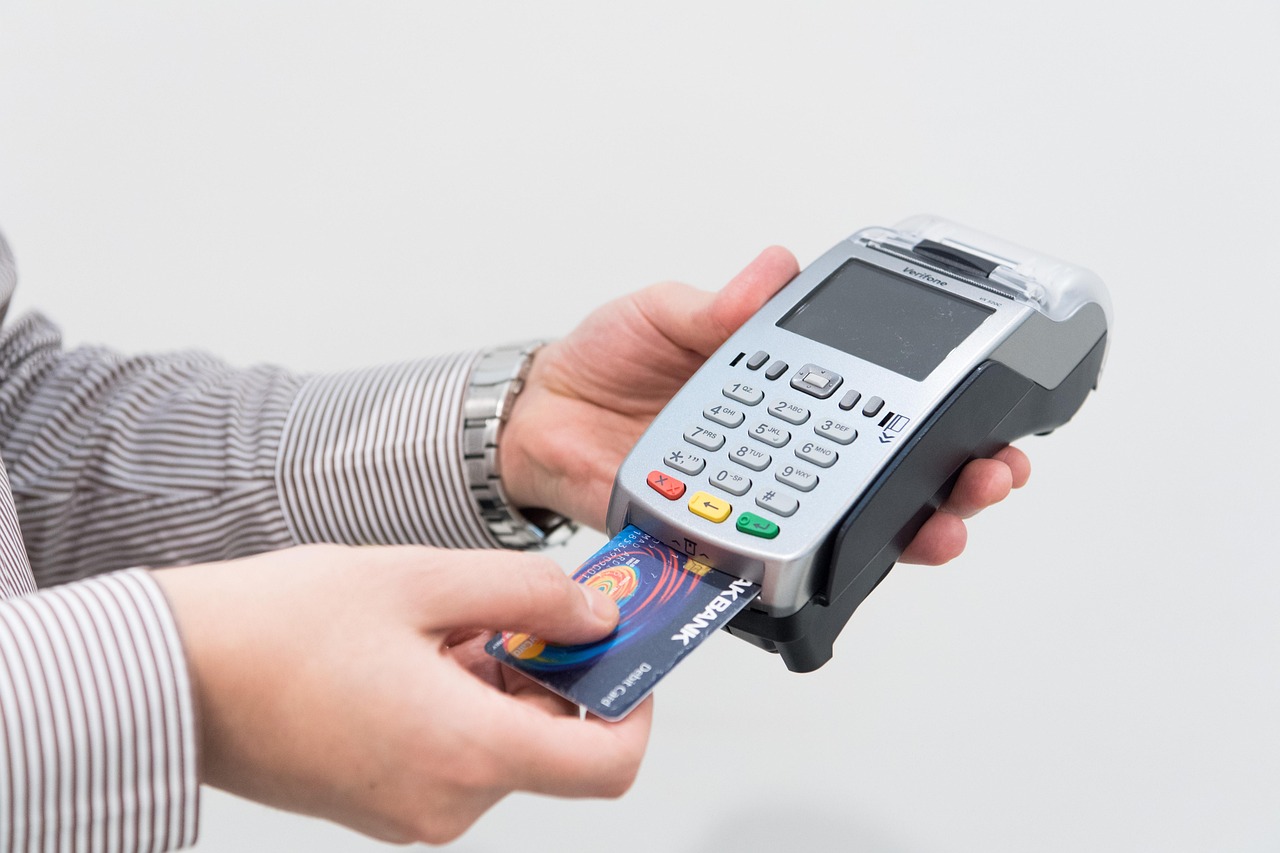
A well-chosen retail EPOS system does far more than process transactions — it gives you the infrastructure to build genuine, lasting relationships with your customers. For UK retailers looking to reduce churn and grow basket values, integrating a loyalty programme directly into your point-of-sale setup is one of the most practical and measurable steps you can take. This guide explains how built-in loyalty features work, what to look for when choosing a system, and how EPOS Direct helps retailers across the UK turn everyday purchases into long-term loyalty.
Why UK Retailers Are Prioritising Loyalty Programmes at the Till
Acquiring a new customer costs significantly more than retaining an existing one — a principle that holds true whether you run an independent convenience store, a fashion boutique, or a multi-site off-licence chain. Yet many retailers still manage loyalty through paper stamp cards or disconnected third-party apps that never talk to their till, leaving valuable customer data siloed and underused.
Embedding loyalty directly into your EPOS system closes that gap. Every purchase is automatically tracked, points are applied in real time, and your team never has to manage loyalty manually at the counter. For retailers exploring a broader technology upgrade, our guide to the best till systems for small businesses in the UK is a useful starting point for understanding the wider landscape before focusing on loyalty-specific functionality.
The competitive pressure is real: supermarkets and national chains have run sophisticated points programmes for years. An EPOS-integrated loyalty scheme levels the playing field, letting independent and regional retailers offer the same seamless experience without the enterprise budget.
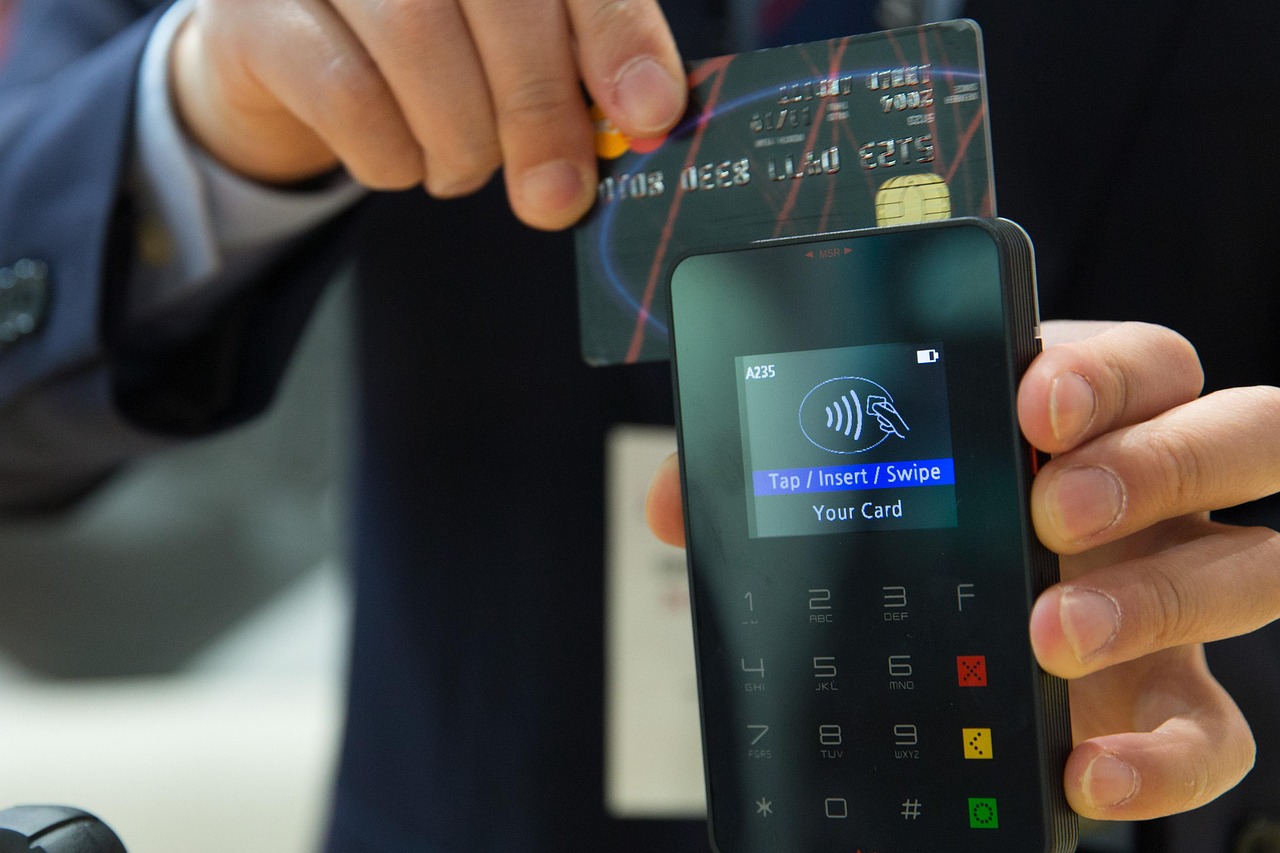
How Loyalty Features Work Inside a Retail EPOS System
At its core, a built-in loyalty module works by linking customer profiles to transaction records within your EPOS database. Here is the typical flow from first visit to repeat purchase:
- Customer enrolment: A customer is registered at the till, via a tablet kiosk, or through an online sign-up page. Their profile is created instantly in the system.
- Points accrual: Every qualifying purchase automatically adds points to the customer's account, calculated either as a fixed rate per pound spent or as a percentage of the transaction value.
- Real-time balance visibility: The cashier (and customer, via receipt or loyalty app) can see the current points balance without leaving the transaction screen.
- Redemption at the point of sale: When a customer wants to use their points, the EPOS system applies the discount or reward instantly, with no manual override required.
- Automated communications: Milestone alerts, birthday rewards, and "you're close to your next reward" notifications can be triggered automatically via email or SMS from within the system.
The critical advantage over standalone loyalty apps is that all of this happens within a single platform. There is no end-of-day reconciliation between separate systems, no risk of points being applied incorrectly, and no staff training burden beyond the standard till workflow.
Key Features to Prioritise When Choosing a Retail Loyalty Programme
Not all loyalty integrations are created equal. When evaluating systems, focus on features that will genuinely drive behaviour change rather than simply tracking points in a spreadsheet.
Flexible Reward Structures
Look for a system that supports multiple reward models: points-per-pound, tiered membership levels (for example, Silver, Gold, Platinum), product-specific multipliers, and promotional bonus events. Rigid systems that only offer a single points rate will quickly feel limiting as your programme matures.
Customer Segmentation and Targeted Promotions
The most effective loyalty programmes use purchase history to segment customers and deliver relevant offers. Your EPOS should let you identify, for example, customers who buy wine regularly and send them a targeted promotion — without needing to export data to a separate marketing tool first.
Multi-Site and Multi-Till Consistency
For retailers with more than one location, loyalty balances must be synchronised in real time across all tills. A customer earning points in your Manchester store should be able to redeem them in your Leeds branch without any friction.
Receipts, Digital Passes and App Integration
Modern shoppers expect to see their loyalty balance on a printed receipt, a digital receipt, or a branded app. Systems that support Apple Wallet or Google Wallet loyalty passes offer a particularly frictionless experience that customers actually use.
Reporting and Analytics
You should be able to measure the programme's ROI: which customers are your most loyal, what average spend uplift is loyalty driving, and which rewards are most frequently redeemed. Without this data, you are operating blind.
| Feature | Why It Matters | Questions to Ask Your Provider |
|---|---|---|
| Flexible points rules | Allows you to run promotions, double-points events and category multipliers without workarounds | Can I set different earn rates by product category or time of day? |
| Customer segmentation | Enables personalised marketing based on actual purchase behaviour | Can I filter and export customer groups based on spend, visit frequency or product type? |
| Multi-site sync | Critical for any retailer operating more than one location | Are loyalty balances updated in real time across all connected tills? |
| Automated communications | Saves staff time and ensures customers receive timely, relevant messages | Which triggers can fire automated emails or SMS — and is this included or an add-on? |
| Redemption controls | Prevents over-redemption and allows you to set minimum spend thresholds | Can I set a minimum transaction value before points can be redeemed? |
| Reporting dashboard | Lets you measure programme ROI and adjust strategy based on real data | Can I see average spend per loyalty customer versus non-loyalty customers? |
How EPOS Direct's Loyalty Tools Help UK Retailers Build Retention
EPOS Direct works with independent retailers, convenience stores, off-licences, fashion boutiques and multi-site chains across the United Kingdom, and loyalty management is built into the core retail software — not bolted on as an afterthought. The platform allows retailers to configure points rules, reward tiers and promotional events directly from the back office, with changes pushing to all connected tills instantly.
Customer profiles are created and updated automatically at the point of sale, capturing name, contact details, purchase history and loyalty balance in a single record. Staff can see a customer's points total on the transaction screen and apply redemptions in two taps, keeping queues moving and the experience feeling effortless.
For off-licence and convenience retailers in particular — sectors where repeat footfall is the lifeblood of the business — the ability to run targeted promotions for specific customer segments has a direct and measurable impact on revenue. If you operate in this space, our dedicated guide to the best till systems for off-licences covers the broader feature set worth considering alongside loyalty.
You can explore the full retail feature set at your own pace with a retail EPOS software demo, or speak with a member of the team about your specific loyalty requirements by visiting our retail EPOS offers page.
Getting More from Your Loyalty Data: CRM, Reporting and Marketing Integration
A loyalty programme generates one of the most valuable datasets a retailer can own: genuine, permission-based purchase behaviour linked to identifiable customers. The question is whether your EPOS makes that data easy to act on.
Built-In CRM Capabilities
EPOS Direct's retail platform includes customer relationship management functionality that allows you to view individual purchase histories, segment your customer base by spending tier, and flag high-value customers for personalised outreach — all without exporting data to a separate CRM tool.
Marketing Automation
Automated email and SMS campaigns triggered by loyalty events — a customer reaching a points threshold, a birthday approaching, a lapse in visits — are significantly more effective than blanket promotional blasts. Your EPOS data should be driving these triggers, not sitting separately from them.
Sales Reporting with Loyalty Dimensions
The reporting suite should allow you to compare the average transaction value and visit frequency of enrolled loyalty customers against non-enrolled shoppers. This single comparison, run monthly, tells you precisely what your programme is worth and where to invest next.
If you are also evaluating how integrated card payments feed into your reporting picture, our guide to EPOS systems with integrated card payments explains how seamless payment and data capture work together.
What Does an EPOS System with a Loyalty Programme Cost in the UK?
Cost is one of the first practical questions any retailer asks, and it deserves a direct, honest answer. The overall investment depends on three variables: the hardware you need, the software subscription or licence, and whether loyalty is included as standard or charged as an add-on module.
Indicative Price Ranges
- Entry-level single-till setups (tablet, stand, receipt printer, basic loyalty included): typically from around £300–£600 for hardware, with software subscriptions often ranging from £30–£60 per month depending on the provider and feature tier.
- Mid-range setups (dedicated touchscreen till, barcode scanner, cash drawer, customer-facing display, loyalty and CRM included): hardware packages typically from £700–£1,500, with software from £50–£100 per month.
- Multi-site or advanced configurations (multiple tills, stock management, advanced loyalty with segmentation and automated marketing): costs vary significantly based on scale, but most growing multi-site retailers budget £1,500–£4,000+ for hardware across locations, with software at £80–£150+ per month per site.
These are honest indicative market ranges — your actual investment will depend on your specific configuration, and EPOS Direct will provide a precise, obligation-free quote tailored to your setup. It is also worth understanding the trade-offs between subscription and outright purchase models; our article on monthly EPOS subscriptions versus outright purchase breaks down the financial considerations clearly.
Importantly, check whether loyalty functionality is included in the base software price or treated as a paid add-on. Systems that charge separately for loyalty modules can become meaningfully more expensive over a 24–36 month period than an all-inclusive platform.
How to Set Up and Launch a Loyalty Programme Through Your EPOS System
A successful loyalty launch is as much about preparation and communication as it is about technology. Follow this sequence to give your programme the best possible start.
Step 1: Define Your Programme Structure
Before touching the system, decide on your earn rate (for example, 1 point per £1 spent), your reward threshold (for example, £5 reward at 500 points), and any welcome bonus for new sign-ups. Keep it simple enough for a customer to understand in ten seconds at the counter.
Step 2: Configure the EPOS Back Office
Set up your points rules, reward tiers, expiry policies and any product exclusions within the back office. Test the earn and redemption flow on a practice transaction before going live.
Step 3: Train Your Team
Staff are your most important ambassadors for the scheme. They need to be confident enrolling customers at the till, explaining the benefits in a sentence, and handling redemptions without hesitation. A five-minute briefing and a one-page reference card are usually sufficient.
Step 4: Promote at the Point of Purchase
Counter cards, receipt messaging, window signage and a simple social media post announcing the launch all contribute to early enrolment. The first four weeks are when momentum is easiest to build.
Step 5: Review and Optimise
At the four- and twelve-week marks, review your loyalty reporting dashboard. Look at enrolment rate, average spend uplift, and redemption frequency. Adjust your earn rates or introduce a double-points promotional event if enrolment is slower than expected.
If you want to see how the setup process works in practice before committing, talk to an expert online — the EPOS Direct team can walk you through the loyalty configuration for your specific retail format.
Conclusion: Turn Every Transaction Into a Reason to Return
A loyalty programme built into your EPOS system is not a luxury feature — for most UK retailers, it is a practical, high-return tool for increasing visit frequency, growing basket size and building the kind of customer relationships that sustain a business through quieter trading periods. The key is choosing a system where loyalty is genuinely integrated, not retrofitted, so that your team can deliver the experience seamlessly and your data works hard for you.
EPOS Direct supplies and supports retail EPOS systems across the United Kingdom, with loyalty, CRM and marketing tools built into the core platform. Visit the EPOS Direct home page for current offers and more information, or request a free demo today to see the loyalty features in action for your own retail environment.
Written by the EPOS Direct UK team, who work with independent retailers and growing chains across the United Kingdom every day to design, supply and support EPOS solutions that drive measurable business results.
Frequently asked questions
- Can I add a loyalty scheme to my existing till system without replacing it?
- It depends on your current till system. Some older or entry-level systems do not support loyalty modules and would require an upgrade. EPOS Direct UK offers loyalty functionality built into its retail EPOS software, so if you are already using or switching to an EPOS Direct system, you can enable loyalty features without needing separate third-party software. It is worth booking a free demo to check compatibility with your current setup.
- How much does a retail EPOS system with a loyalty programme typically cost in the UK?
- In the UK, a retail EPOS system with integrated loyalty features generally starts from around £300 to £600 for a single-terminal hardware bundle, with software subscriptions ranging from approximately £30 to £80 per month depending on the number of tills and features included. Some providers charge an additional fee for loyalty and CRM modules. EPOS Direct UK offers transparent pricing with loyalty capabilities included in its retail software packages, and financing options are available to spread the cost. Contact the team for a tailored quote based on your store size and requirements.
- What loyalty scheme options can a retail EPOS system support?
- A well-designed retail EPOS system can support several loyalty models including points-per-pound-spent schemes, stamp card programmes, tiered membership rewards, discount vouchers, and birthday or anniversary offers. The best systems let you customise rules, set point redemption thresholds, and communicate with customers via email or SMS. EPOS Direct UK's retail software allows you to configure loyalty rules directly from the back office and track customer spending habits through built-in reporting.
