We use cookies to make your experience better.
To comply with the new e-Privacy directive, you agree to the privacy policy and our use of cookies


EPOS Systems with Built-In Loyalty Schemes: The UK Retailer's Guide
EPOS Systems with Loyalty Schemes for UK Retailers: Everything You Need to Know
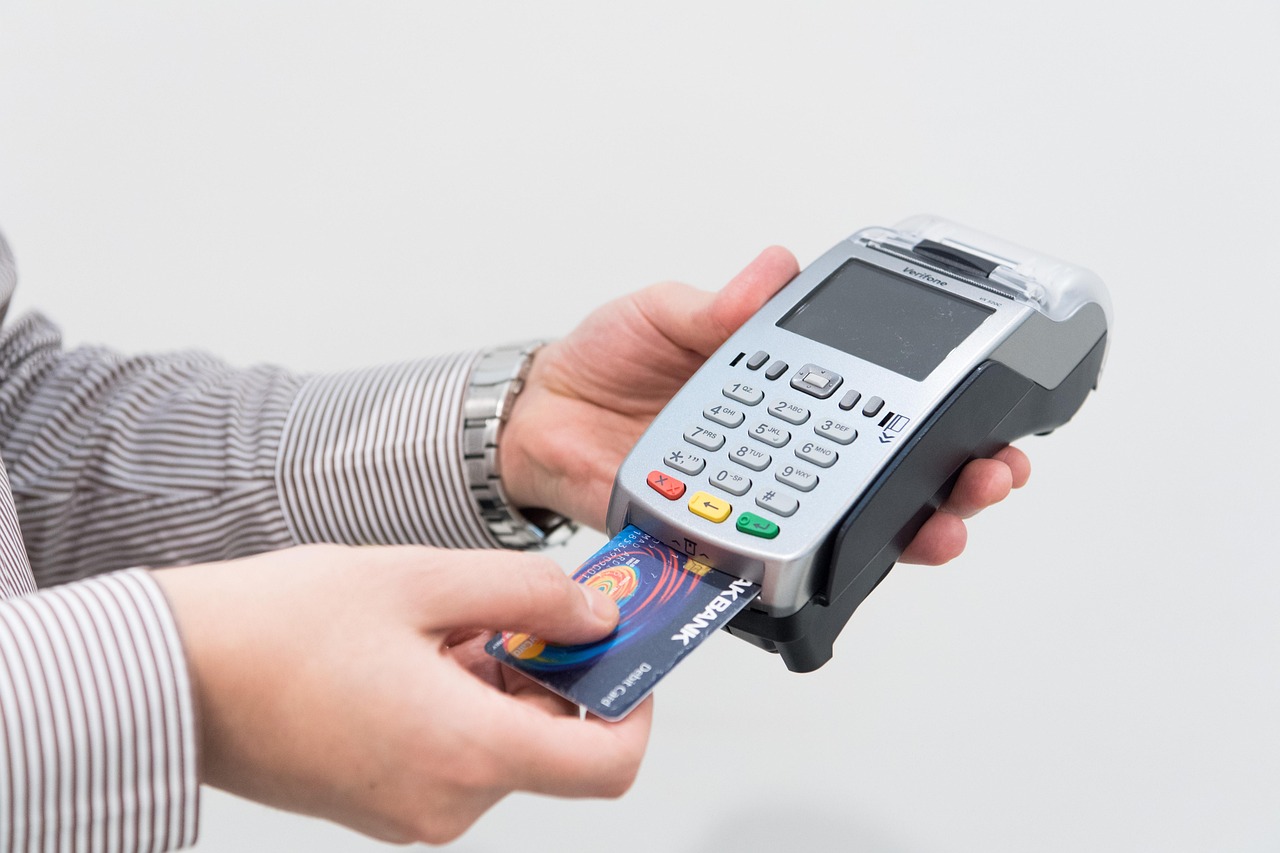
Modern retailers across the UK are discovering that combining their point-of-sale system with a built-in loyalty programme is one of the most effective ways to increase repeat visits, raise average basket size, and build genuine customer relationships — all from a single piece of hardware. The right EPOS system can automate the entire loyalty journey, from awarding points at the till to sending personalised vouchers between visits, without adding complexity for your staff. This guide covers everything a UK retailer needs to know before choosing a loyalty-enabled EPOS solution.
Why UK Retailers Are Combining EPOS and Loyalty Programmes
Standalone loyalty card schemes — punch cards, paper vouchers, third-party apps — create a fragmented experience. When your loyalty programme lives separately from your till system, data stays siloed, redemptions require manual intervention, and you lose the insight that makes loyalty genuinely valuable. An integrated approach solves all of this at once.
When loyalty is built directly into your EPOS software, every transaction automatically feeds the same database that manages your stock, sales reports, and customer records. Staff no longer need to toggle between systems or remember to ask whether a customer has a loyalty card. The system prompts them, records the transaction, and updates the customer's balance in real time.
For independent retailers competing with large chains that have sophisticated CRM budgets, a loyalty-enabled EPOS is a genuine equaliser — giving you data-driven insight and automated engagement at a fraction of what enterprise retailers historically paid.
If you are still weighing up the broader EPOS landscape, the Complete Guide to EPOS and POS Systems for UK Businesses is a strong starting point before diving into loyalty-specific features.
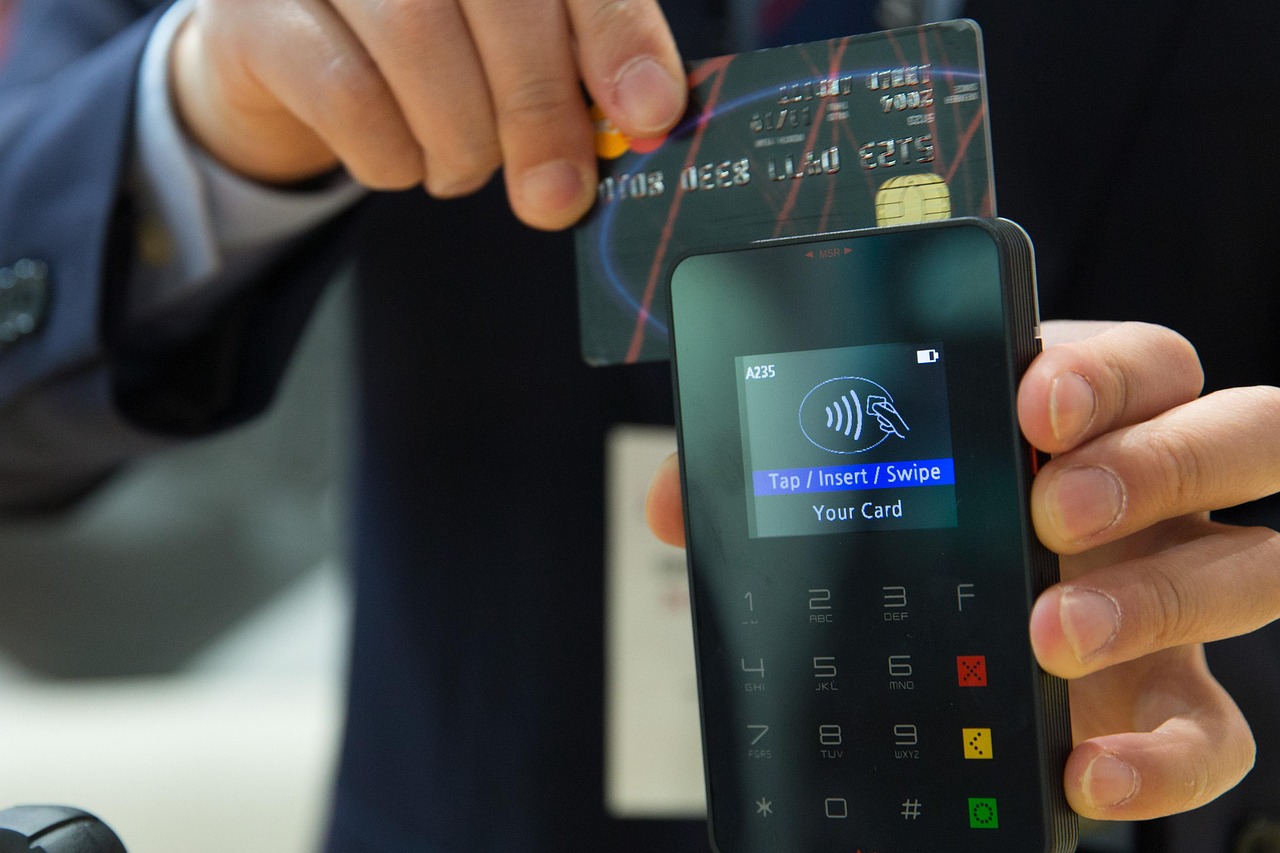
Key Features to Look for in a Loyalty-Enabled EPOS System
Not every EPOS platform that advertises loyalty delivers the same depth of functionality. Before committing, evaluate each system against the following criteria.
Core loyalty mechanics
- Points per pound spent: the most familiar model — customers accumulate points based on transaction value.
- Tiered reward levels: bronze, silver, and gold tiers incentivise higher spend and more frequent visits.
- Promotional multipliers: double or triple points on specific products, categories, or days — configured directly in the EPOS back office.
- Voucher and discount generation: automatic issuance of vouchers when a threshold is reached, printable at the till or delivered by email and SMS.
- Birthday and anniversary rewards: triggered automatically from the customer profile, with no manual effort from staff.
CRM and customer data tools
- A searchable customer database linked to every transaction.
- Purchase history reports segmented by customer group, product category, or date range.
- The ability to export customer lists for email marketing campaigns.
Hardware and integration compatibility
- Support for barcode scanners, magnetic stripe or NFC loyalty cards, and QR code identification.
- Integration with existing integrated card payment terminals — see our guide to EPOS systems with integrated card payments for more on how payment and loyalty data work together.
- Multi-site synchronisation for retailers with more than one location.
How Points, Rewards and Vouchers Work at the Till
The customer experience at the point of sale is where loyalty programmes succeed or fail. A well-configured system makes the process invisible to the customer and effortless for the cashier.
A typical transaction flow works as follows. The customer is identified — by scanning a loyalty card, entering a phone number, or presenting a QR code on their phone. The till instantly retrieves their balance and any active rewards. Items are scanned, the transaction total is calculated, and the EPOS software automatically awards the correct points based on the current promotional rules. If the customer has a redeemable voucher, the cashier is prompted and the discount is applied in a single button press. A receipt is printed (or emailed) showing the current balance and the next reward milestone.
Critically, a good loyalty EPOS also handles partial redemptions cleanly — for example, allowing a customer to use 500 points toward a £5 discount while paying the remainder by card. This requires tight integration between the loyalty module and the payment processing layer, which is why an all-in-one solution consistently outperforms bolt-on alternatives.
Integrating a Loyalty Scheme Without Disrupting Your Existing Setup
A common question from established retailers is whether they need to replace everything to gain loyalty functionality. The honest answer depends on how old and how open your current system is.
Modern EPOS platforms — including the software available through EPOS Direct — are designed with open APIs and modular architectures, meaning loyalty can often be activated as an additional module rather than a full replacement. Your existing product database, pricing rules, and user accounts carry over, and staff training is typically limited to the new loyalty-related prompts on screen.
For retailers currently running older, proprietary till systems, the calculation is different. The cost of maintaining a separate loyalty platform alongside an ageing EPOS frequently exceeds the cost of upgrading to a modern integrated solution — particularly when you factor in the time your team spends reconciling data manually.
Retailers assessing their total cost of ownership should also consider whether their current setup is a monthly subscription or an outright purchase. Our guide on monthly EPOS subscriptions versus outright purchase breaks down the financial implications clearly.
If you are ready to see how the software layer works in practice, you can book a retail EPOS software demo directly with the EPOS Direct team — no obligation, no sales pressure.
Real Costs: What UK Retailers Pay for EPOS with Loyalty Built In
Pricing for loyalty-enabled EPOS systems in the UK varies considerably based on the number of tills, the depth of functionality, and whether you opt for a subscription or capital purchase model. The figures below are honest indicative ranges based on the typical UK market — they are not quotes, and your exact investment will depend on your specific configuration.
| Setup type | Typical monthly cost (indicative) | What is usually included | Best suited to |
|---|---|---|---|
| Single-site, entry-level loyalty module | Typically from £30–£60/month (software only) | Basic points accrual, customer database, till-level voucher redemption | Independent shops, single-location boutiques |
| Mid-tier integrated system (software + hardware bundle) | Typically £80–£150/month on subscription | Full CRM, tiered rewards, email/SMS trigger campaigns, multi-user access | Growing independents, small chains (2–5 sites) |
| Multi-site or franchise EPOS with advanced loyalty | Typically £150–£300+/month depending on site count | Centralised customer database, cross-site redemption, advanced analytics, API access | Regional chains, franchise groups, larger independents |
| Outright purchase (hardware + software licence) | One-off from approx. £800–£2,500+ per terminal | Perpetual licence, ongoing support contract sold separately | Owners who prefer capital investment over recurring costs |
Hardware costs — touchscreen terminals, barcode scanners, receipt printers, and card machines — are typically additional to software subscriptions, though many providers (including EPOS Direct) offer bundled packages that reduce the upfront burden. Always verify what is included in any quoted monthly fee, particularly support response times and software update entitlements.
To explore current configurations and pricing relevant to your sector, visit the EPOS Direct retail EPOS offers page or talk to an expert online for a conversation tailored to your business.
Which Retail Sectors Benefit Most from EPOS Loyalty Features
While almost any retail business can benefit from a well-run loyalty programme, certain sectors see disproportionately strong returns from EPOS-integrated schemes.
Independent convenience and grocery stores
High transaction frequency makes points accumulation fast and satisfying for customers. Loyalty schemes in this sector drive habitual daily or weekly visits and make price-sensitive customers meaningfully stickier.
Health, beauty and wellness retail
Replenishment cycles for skincare, supplements, and beauty products align perfectly with loyalty mechanics — customers return at predictable intervals, and tiered rewards encourage trading up to higher-value product lines.
Specialist food and drink retail
Delicatessens, butchers, bakeries, and wine merchants find that loyalty programmes reinforce the premium positioning of their brand while gathering the purchase-history data needed to inform seasonal promotions and stock decisions.
Clothing and footwear independents
Lower transaction frequency means loyalty mechanics need to be more generous per visit, but the average basket value in this sector makes that arithmetic viable. Birthday rewards and seasonal double-points events are particularly effective.
Pet supplies and hobby retail
Enthusiast shoppers are naturally loyal to stores with specialist knowledge — a structured loyalty programme formalises that relationship and adds tangible financial incentive to continue buying locally rather than online.
For small businesses across these sectors, our practical buyer's guide to till systems for small businesses covers the hardware fundamentals alongside the software considerations explored here.
How to Choose the Right EPOS Loyalty System for Your UK Store
Choosing between systems is ultimately a question of matching capability to your specific retail context. Work through the following decision points before requesting a demo or committing to a contract.
- Define your loyalty objective first. Are you trying to increase visit frequency, raise average transaction value, reduce churn among your top customers, or gather data to inform buying decisions? Different objectives favour different loyalty mechanics, and the best providers will help you configure the system around your goal rather than defaulting to a generic points scheme.
- Audit your current data landscape. Do you already have a customer list, an email marketing platform, or an existing loyalty database? Confirm upfront how a new system will handle data migration and whether it connects to the tools you already use.
- Assess staff usability honestly. A loyalty system that your team finds confusing will be used inconsistently. Ask for a live demonstration focused on the cashier-facing interface, not just the back-office reporting dashboard.
- Confirm compliance with UK data protection law. Capturing customer data for loyalty purposes means you are a data controller under UK GDPR. Ensure your chosen EPOS provider gives you the tools to manage consent, handle subject access requests, and delete customer records on request. The Information Commissioner's Office (ico.org.uk) publishes clear guidance on retail CRM data obligations — verify your compliance position before launch.
- Plan for scalability from day one. If you intend to open a second location, add a webshop, or franchise your concept in the next few years, choose a system whose loyalty database and reporting architecture can scale with you without requiring a full platform migration.
- Ask about ongoing support. Loyalty programmes need periodic tuning — adjusting point values, creating seasonal campaigns, troubleshooting edge cases. Confirm what level of support is included in your contract and what falls outside it.
For a broader view of what a complete, modern EPOS setup looks like — hardware, software, payments, and loyalty working together — explore the complete EPOS guide for small businesses or browse EPOS Direct's full range of solutions and current offers.
The Short Answer: What a Loyalty-Enabled EPOS Actually Delivers
A loyalty-enabled EPOS system allows a UK retailer to automatically award points, issue vouchers, and track customer purchase history at the point of sale — all within the same platform used for stock control, sales reporting, and payment processing. This eliminates the need for separate loyalty software, removes manual data entry, and gives retailers the customer insight previously available only to large chains with dedicated CRM budgets.
Ready to See It in Action?
EPOS Direct UK works with independent retailers and growing chains across the country, helping them build loyalty programmes that are practical to run, genuinely rewarding for customers, and commercially meaningful for the business. Whether you are starting from scratch or upgrading an existing setup, the team can recommend the right configuration for your sector, your footfall, and your budget.
Request a free demo to see the loyalty module working in a live retail environment, or request a call back and one of the EPOS Direct specialists will get in touch at a time that suits you.
Written by the EPOS Direct UK team, who support UK retailers with EPOS and POS system decisions every day.
Frequently asked questions
- Can I add a loyalty scheme to my existing EPOS system without replacing the whole setup?
- In many cases, yes. Modern EPOS platforms like those from EPOS Direct can layer loyalty functionality — points, digital stamp cards, or tiered rewards — on top of your current hardware via a software upgrade or cloud module. However, if your current system is legacy or unsupported, a full upgrade may give you better long-term value and reliability. It is worth booking a free consultation to assess compatibility before committing.
- How much does a retail EPOS system with a loyalty programme typically cost in the UK?
- Costs vary depending on the number of tills, software tier and whether you need custom branding on your loyalty cards or app. As a general guide, UK retailers can expect to pay anywhere from £300 to £800 upfront per terminal for hardware, with loyalty software modules typically adding £20 to £60 per month on a subscription basis. All-in-one packages from suppliers like EPOS Direct often bundle loyalty features into the monthly software fee, making it more cost-effective than bolting on a third-party solution. Always ask for a tailored quote based on your store size and transaction volume.
- What types of loyalty rewards work best for retail shops on an EPOS system?
- The most effective loyalty mechanics for UK retailers tend to be points-per-pound-spent schemes, digital stamp cards for repeat purchases, and tiered membership levels that unlock discounts or early access. EPOS-integrated loyalty is particularly powerful because rewards are applied automatically at the till — no paper cards, no manual tracking — and you gain real customer purchase data you can use for targeted promotions and stock decisions.
