We use cookies to make your experience better.
To comply with the new e-Privacy directive, you agree to the privacy policy and our use of cookies

Restaurant EPOS Systems with Built-In Online Ordering: The Complete UK Buyer's Guide
Restaurant EPOS Systems with Integrated Online Ordering: Everything UK Operators Need to Know
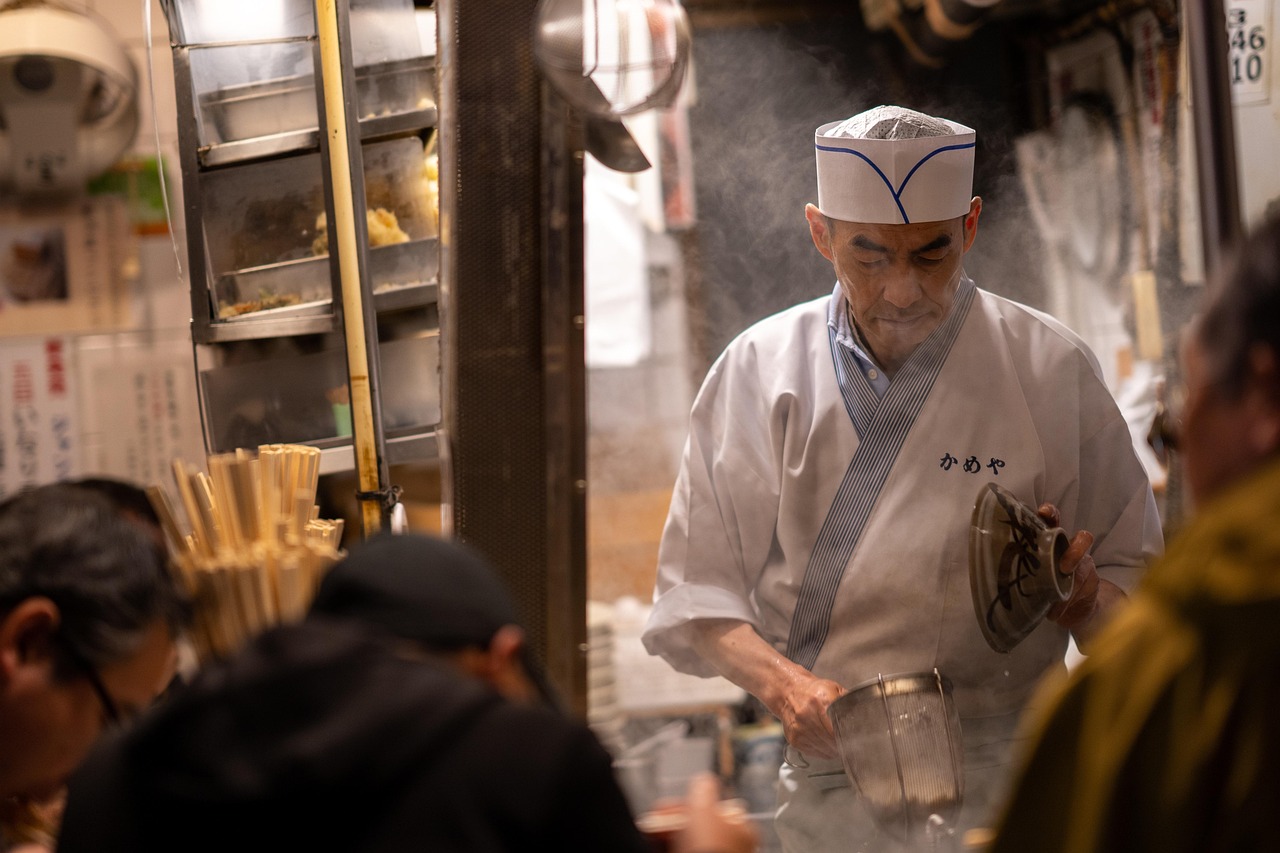
For UK restaurant operators weighing up their technology options, the combination of a robust EPOS system and a directly integrated online ordering channel has shifted from a competitive advantage to an operational necessity. A well-integrated setup means every order — whether placed at the table, over the counter, or through your website — flows into a single system, fires directly to the kitchen, and reconciles automatically in your reporting. This guide covers everything you need to make a confident, well-informed decision.
What Is a Restaurant EPOS System with Online Ordering and Why Does It Matter?
A restaurant EPOS (Electronic Point of Sale) system manages transactions, stock, menus and staff at the point of service. Online ordering integration connects that core system to a customer-facing ordering channel — typically your own branded website or app — so that web and in-house orders are processed through a single platform rather than managed separately.
Without integration, teams must manually re-enter online orders into the till or shout them through to the kitchen, which introduces errors, delays, and a second set of sales data to reconcile at the end of each shift. With full integration, an online order places itself: it triggers the kitchen display, deducts from stock, and appears in your daily reports alongside everything else. For busy independent restaurants, multi-site operators, and dark kitchens alike, that seamlessness is where the real value lies.
The distinction also matters commercially. Platforms such as Deliveroo and Just Eat charge commission on every order — often between 20% and 35% of the order value. A direct online ordering channel, fully integrated with your EPOS, eliminates that cost on every order you process through your own site.
Key Features to Look for in a Restaurant EPOS with Online Ordering
Not all integrations are built equally. Before committing to a system, use the following checklist to stress-test any supplier's offering.
- Bi-directional menu sync: Menu changes made in the EPOS — a price update, a 86'd dish, a new seasonal item — should update automatically on your online ordering page, with no manual duplication.
- Real-time kitchen display integration: Online orders must appear instantly on a Kitchen Display System (KDS) or kitchen printer, indistinguishable in the workflow from a table order taken by a server.
- Integrated payment processing: Card payments taken online should settle through the same merchant account as in-house card transactions, simplifying reconciliation and reducing processing fees through volume.
- Customer account and loyalty features: The ability to capture customer data from online orders — and use it to power a loyalty programme or email marketing — is a significant long-term revenue driver.
- Order scheduling and pre-ordering: Particularly important for collection and delivery operations, where customers expect to specify a pickup time.
- Delivery zone management: If you are running your own delivery operation, the system should support postcode-based delivery zones and dynamic delivery charges.
- Reporting and analytics: Online and in-house orders should appear in unified sales reports, making it simple to compare channels, track peak periods and monitor your best-selling items.
- Offline resilience: A system that fails when your broadband drops is a liability. Look for local data storage and the ability to continue taking in-house orders, with sync resuming when connectivity is restored.
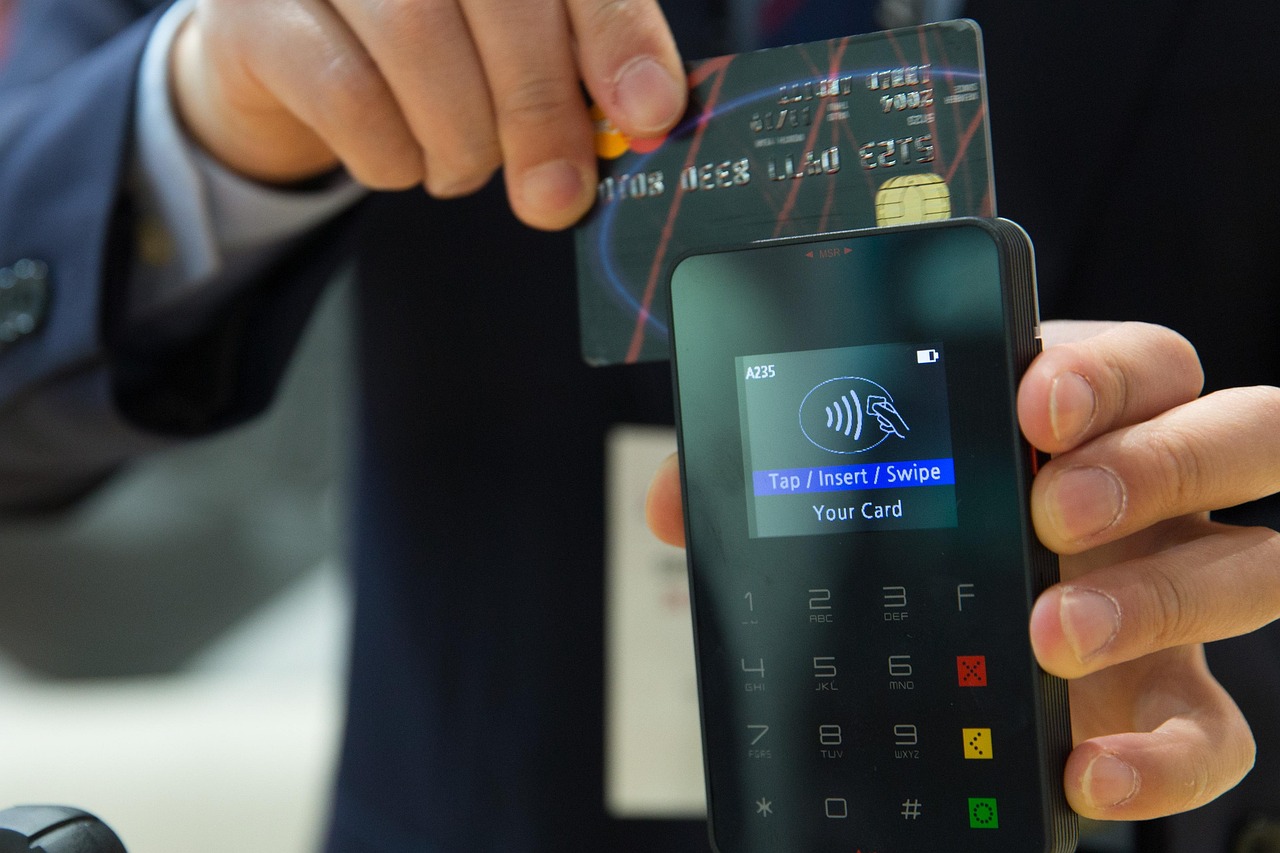
If you are also evaluating hardware requirements, our guide to combining a card machine with a till system explains how integrated payments work at the hardware level — a useful companion read.
How Online Ordering Integration Works: Kitchen Display, Menu Sync and Payments
Understanding the technical architecture helps you ask the right questions during a demo and avoid nasty surprises after installation.
Menu synchronisation
Your EPOS holds the master menu — items, modifiers, allergen notes, pricing and availability. When integration is properly configured, the online storefront pulls from that same data set via an API connection. A change to your EPOS menu propagates to the online channel automatically, usually within seconds. If a supplier cannot demonstrate live, bi-directional sync, it is not a true integration — it is two separate systems with a manual bridge.
Kitchen display and printer routing
Online orders enter the EPOS order management system and are routed to the relevant output — a bar printer, a kitchen printer, or a KDS screen — based on the same rules applied to in-house orders. This means your kitchen team works from a single, prioritised queue rather than monitoring a tablet for third-party orders while managing the main board.
Payment flow
For direct online ordering (your own branded channel), payments are captured at checkout via an integrated payment gateway — often the same acquirer handling your in-house card transactions. Funds settle to your account, usually within one to two business days. This contrasts sharply with third-party platforms, which hold and disburse funds on their own schedules, sometimes weekly. For more on how integrated card payments work across a full setup, see our guide to EPOS systems with integrated card payments.
The Real Cost of Restaurant EPOS Systems with Online Ordering in the UK
Buyers consistently tell us that pricing transparency is the area where the industry falls shortest. Here is an honest breakdown of what a UK restaurant should expect to invest.
| Cost Component | Entry-Level / Single Site | Mid-Range / Growing Restaurant | Multi-Site / High-Volume |
|---|---|---|---|
| EPOS hardware (terminal, stand, printer) | Typically from £400–£700 outright | £700–£1,500+ depending on spec | Priced per site; volume discounts apply |
| EPOS software subscription | Typically from £30–£60/month | £60–£120/month | £120–£250+/month per site |
| Online ordering module | Included or from £20–£40/month | £40–£80/month | Custom or flat fee; no per-order commission |
| Payment processing | Typically 1.2%–1.8% per transaction | Negotiable from approx. 1.0% at volume | Custom rates; interchangeable pricing available |
| Kitchen Display System | From approx. £200–£400 | £400–£800 per screen | Multiple screens; cabling and installation costs |
| Setup and training | Often included; remote or on-site | On-site commissioning recommended | Project-managed rollout |
All figures above are indicative ranges based on typical UK market conditions and are intended as budgeting guidance only — not a quote. Actual costs vary by configuration, site complexity and negotiated terms. Whether to pay monthly or outright is a meaningful decision; our article on monthly EPOS subscriptions versus outright purchase unpacks the trade-offs in detail.
The headline point: a commission-free direct ordering channel typically pays for itself within months compared with processing the same order volume through a third-party platform charging 20–35% per order.
Commission-Free vs Third-Party Platforms: Which Online Ordering Model Saves You More?
This is the question every restaurant owner asks, and the honest answer depends on your volume, margin structure, and customer acquisition context.
Third-party platforms (Deliveroo, Just Eat, Uber Eats)
These platforms provide access to an existing audience and handle their own marketing. The trade-off is significant: commission rates — typically between 20% and 35% of order value, though rates vary by agreement and are subject to change — can make low-margin dishes unprofitable when ordered through these channels. You also do not own the customer relationship; data about who ordered what is held by the platform, not you.
Direct, commission-free online ordering
A branded ordering page integrated with your EPOS charges customers directly, with no per-order commission taken by a third party. You keep the full order value (minus payment processing costs, which are a fraction of platform commission). Critically, you capture customer data, enabling loyalty programmes, re-marketing, and retention strategies that third-party platforms make impossible.
A hybrid approach
Many UK restaurants use third-party platforms for customer acquisition — particularly in early trading periods or when entering a new area — while actively steering returning customers towards their direct channel. This hybrid model reduces overall commission exposure without abandoning the audience reach that platforms can provide. The EPOS integration must support both channels simultaneously, routing all orders through the same system regardless of origin.
How to Choose the Right Setup for Your Restaurant Type
The best configuration depends significantly on your service model. Here is a practical decision framework.
Independent restaurants and cafés
Prioritise simplicity and low total cost of ownership. A single terminal with an integrated online ordering page, a kitchen printer, and straightforward reporting will serve most independents well. Look for a supplier that includes setup and training in the package and offers UK-based support.
Takeaways and delivery-first operations
Online ordering is your primary revenue channel, so it demands priority. A well-functioning KDS, order scheduling, delivery zone management, and a reliable payment gateway are non-negotiable. Your EPOS should also integrate cleanly with third-party platforms if you use them, aggregating all orders into a single queue.
Multi-site restaurant groups
Central menu management is essential — the ability to push a price change or a new dish across all sites simultaneously from a head-office dashboard. Unified reporting across sites is equally important for understanding which locations are performing and why. For an overview of what to look for across different business scales, our guide to the best till systems for small businesses offers a useful baseline comparison, even if your operation has grown beyond that tier.
Dark kitchens and virtual brands
A dark kitchen running multiple virtual brands needs an EPOS that can manage separate menus, separate branding, and separate reporting from a single physical kitchen. Multi-brand support and the ability to handle simultaneous order flows from different ordering pages — potentially on different platforms — is the critical differentiator here.
If you are approaching this as an upgrade from an older setup, our article on switching from a cash register to a modern EPOS covers the transition process clearly for operators making that leap for the first time.
Practical Questions Buyers Should Ask Before Signing Anything
These are the questions that rarely appear in supplier brochures but consistently separate good implementations from difficult ones.
- Does the online ordering page sit on my own domain? A branded URL (e.g. order.yourrestaurant.co.uk) builds customer trust and is better for search visibility than a generic ordering subdomain owned by the provider.
- What happens to my data if I leave? You should own your customer and transaction data and be able to export it in a standard format. Confirm this contractually before signing.
- What is the support arrangement? A restaurant trading seven days a week, including bank holidays and evenings, needs a supplier with support hours that reflect that. UK-based telephone support is a meaningful differentiator. Ask specifically what happens if your system goes down on a Friday night.
- Is there a contract lock-in period? Rolling monthly contracts offer more flexibility; longer-term agreements may offer better pricing. Understand what an early exit costs before you commit.
- How does the system handle allergen information? Under the Natasha's Law provisions that came into effect in October 2021, food businesses in the UK must provide clear allergen information for prepacked-for-direct-sale products. Your online menu should support allergen flagging that stays in sync with your EPOS data. Verify current requirements directly with the Food Standards Agency (food.gov.uk).
Why UK Restaurants Choose EPOS Direct for Their EPOS and Online Ordering Setup
EPOS Direct has spent years working alongside UK hospitality operators — from single-site independents to multi-location groups — building EPOS and online ordering configurations that are genuinely tailored to how restaurants trade, rather than adapted from retail or generic point-of-sale products. Our hospitality systems are built around real kitchen workflows, variable covers, split bills, table plans, and the kind of high-pressure service periods where technology must simply work.
Our online ordering integration is commission-free by design. You are not charged a percentage of each order; instead, a straightforward software subscription covers the channel, keeping the economics clearly in your favour as your order volumes grow. Menu sync, KDS routing and payment processing are all handled within a single ecosystem — there are no third-party middleware products to maintain or troubleshoot.
For operators comparing options across the market, our detailed comparison against competitor till systems sets out where EPOS Direct differs in both features and total cost of ownership, with no inflated claims or invented competitor pricing.
You can explore our software directly before speaking to anyone — the restaurant EPOS software demo gives you a clear picture of the interface and ordering workflow at your own pace. When you are ready to talk specifics — site configuration, hardware, payment rates, support options — you can talk to one of our EPOS experts online, with no obligation.
For current pricing, bundled packages and any active offers on our hospitality systems, visit our restaurant EPOS offers page, or browse the full range of EPOS Direct products and offers to see how our systems compare across different business types.
Making Your Decision
A properly integrated EPOS and online ordering setup is one of the most consequential technology decisions a UK restaurant operator will make. The right system eliminates manual order handling, cuts commission costs, gives you ownership of your customer data, and produces the kind of unified reporting that supports confident business decisions. The wrong one creates more administration than it removes.
EPOS Direct UK has the hardware, software and sector-specific experience to build a setup that works in a real restaurant environment — not just on a sales brochure. Request a free demo to see the full system in action, or request a call back and one of our hospitality specialists will walk you through the options that suit your operation specifically.
Frequently asked questions
- How much does a restaurant till system with online ordering typically cost in the UK?
- Costs vary by setup size and provider. In the UK, a single-terminal restaurant EPOS with integrated online ordering typically ranges from £500 to £1,500 upfront for hardware, with monthly software fees between £30 and £150 depending on features such as menu management, driver dispatch, and CRM. Commission-free online ordering platforms bundled with EPOS may add £20–£60 per month but can pay for themselves quickly if you currently pay 20–35% commission to third-party apps like Deliveroo or Just Eat. EPOS Direct offers tailored quotes based on your restaurant size and order volumes.
- Can I keep using my existing menu on third-party delivery apps if I switch to an EPOS with built-in online ordering?
- Yes, most modern restaurant EPOS systems — including those available from EPOS Direct — support integration with major third-party platforms such as Just Eat, Uber Eats, and Deliveroo alongside a commission-free direct ordering channel. This means orders from all sources flow into a single screen, reducing missed tickets and manual entry errors while you maintain your existing marketplace presence.
- Do I need a separate device or app for online orders, or does everything come through the main till?
- With a properly integrated system, you do not need a separate tablet for each ordering channel. Online orders — whether placed via your own website, a branded ordering app, or a delivery marketplace — are routed automatically to the main EPOS terminal and the kitchen display system (KDS). This centralised flow prevents the chaos of multiple devices pinging at once and keeps your kitchen team working from a single, accurate order queue.
