We use cookies to make your experience better.
To comply with the new e-Privacy directive, you agree to the privacy policy and our use of cookies

EPOS Systems with Online Ordering Integration: The Complete Guide for UK Businesses
EPOS Systems with Online Ordering Integration: The Complete Guide for UK Businesses
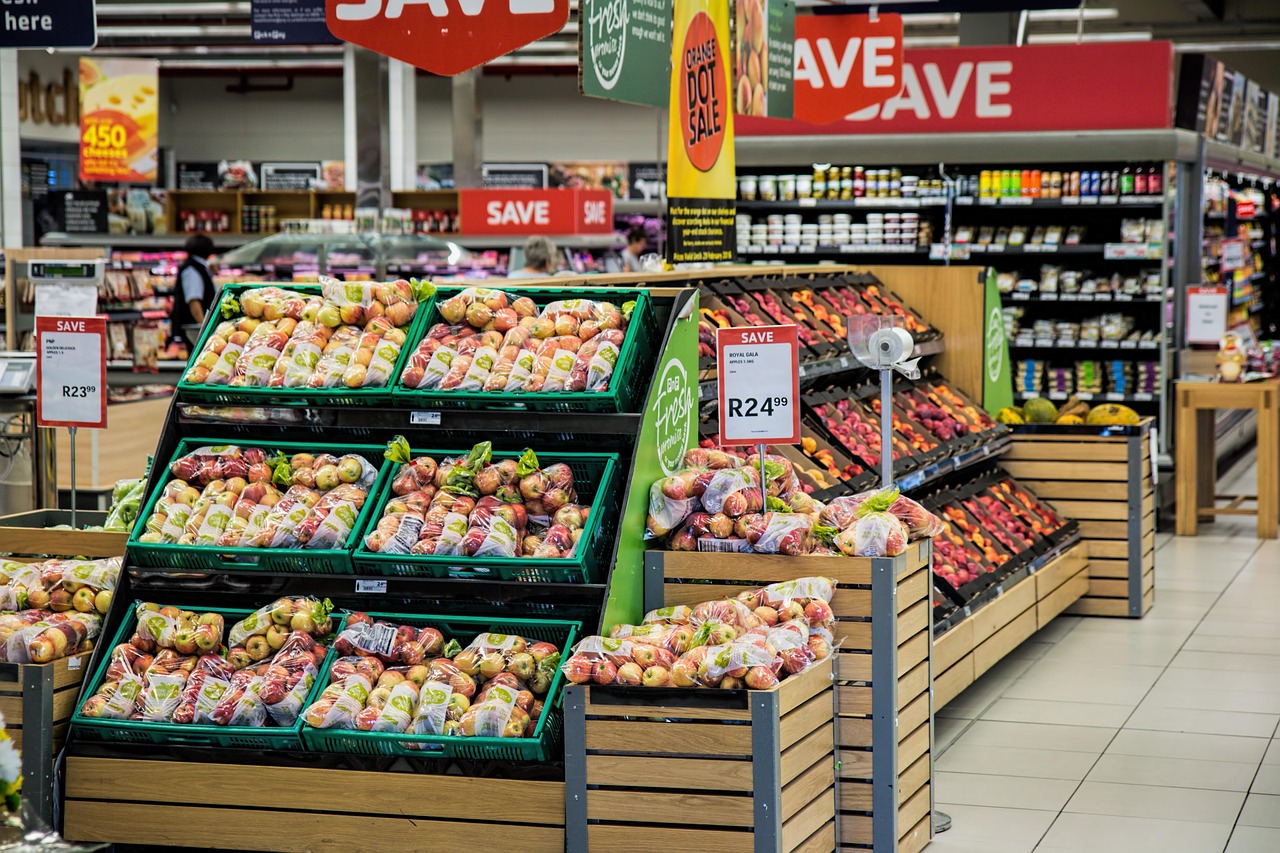
Modern UK businesses — from independent takeaways to multi-site retail groups — are increasingly expected to sell seamlessly across every channel, and the bridge between your physical till and your online store is the most operationally critical junction in that setup. A well-integrated EPOS and online ordering solution keeps stock levels, pricing and order data perfectly synchronised, eliminates the manual duplication that drives errors, and gives customers a frictionless experience whether they order in person, via your website or through a third-party delivery platform. This guide explains what to look for, what it costs, and how to choose the right integrated setup for your business.
Why Connecting Your Till to Online Ordering Changes Everything
Running separate systems for in-store and online sales is one of the most common — and costly — operational mistakes a UK business can make. When a customer orders a product online that has already sold out in your shop because the two systems never spoke to each other, you lose the sale, damage trust, and spend staff time on refunds. The same problem plays out in hospitality every evening: orders arriving via a delivery app that never update the kitchen display or reduce available menu items cause avoidable chaos.
Integration solves this at the source. When your EPOS system and online ordering channel share a single database, every sale — wherever it originates — instantly adjusts inventory, updates reporting and routes order data to the right place. The operational gains are compounding: fewer errors, less manual admin, faster table and order turnaround, and a cleaner audit trail for accounting.
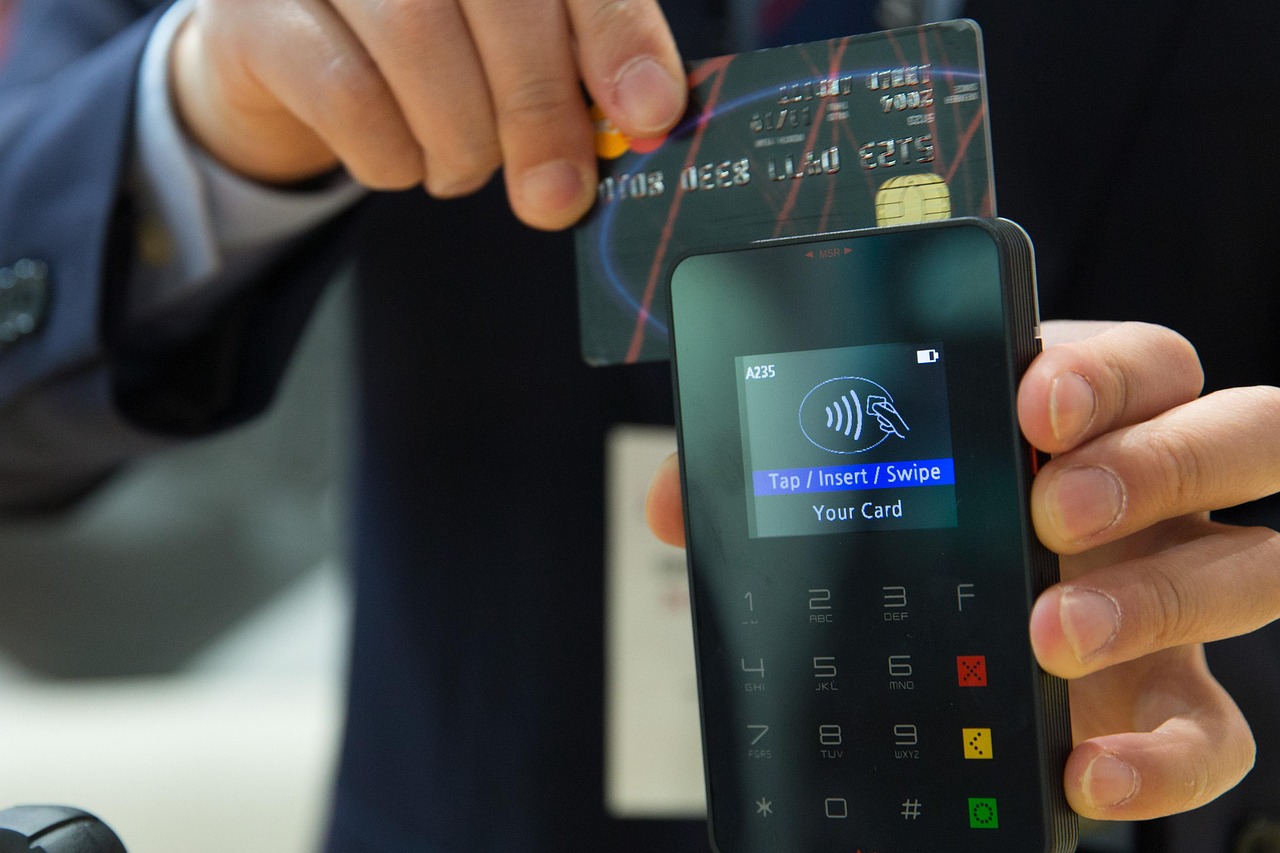
How EPOS and Online Ordering Work Together: Key Features to Look For
Not all integrations are equal. A true integration is bi-directional and real-time; a bolt-on connection or a manual CSV export is not. Before committing to any platform, use this checklist to qualify what you are actually buying.
The non-negotiable features
- Real-time inventory sync: Stock levels must update instantly across every channel — in-store, website, app and delivery platform — the moment a sale is made anywhere.
- Centralised menu or product management: Prices, descriptions, modifiers and availability should be controlled from one place, not updated separately on every channel.
- Automatic order routing: Online orders should flow directly into your kitchen display system (KDS) or fulfilment queue without staff needing to manually re-enter them.
- Unified reporting: Sales, refunds and performance data from every channel should sit in a single dashboard so you can make genuine comparisons.
- Payment reconciliation: Card payments taken online and in-store should reconcile cleanly within the same system, reducing end-of-day discrepancies.
Useful but not universal
- Customer loyalty and CRM that spans both channels
- Direct integration with delivery aggregators such as Deliveroo and Just Eat (often via middleware — ask specifically how this works)
- Table-side or QR-code ordering that feeds back into the same EPOS
- Branded online ordering pages rather than a third-party marketplace
If you are evaluating platforms, a hands-on demo is the most reliable way to verify that these features work as described rather than as marketed. You can explore EPOS Direct UK's EPOS software to see how these capabilities are built into a single connected platform.
Online Ordering Integration for Restaurants, Cafés and Takeaways
Hospitality businesses arguably have the most to gain — and the most to lose — from how well their EPOS handles online orders. A busy Friday-night takeaway receiving orders from its own website, a delivery aggregator and in-store customers simultaneously is managing three order streams that must converge in one kitchen without collision.
The right platform for a hospitality business will offer:
- A kitchen display system that receives all orders from all channels in a single queue, prioritised by prep time
- Menu 86-ing (marking items as unavailable) that propagates instantly to online channels, preventing orders for items you can no longer fulfil
- Table management that integrates with online reservation and pre-ordering tools
- Modifier and allergen data that travels with every order, regardless of channel
One practical question worth asking any supplier: if a delivery aggregator goes down or changes its API, how quickly can you reconnect or switch? Dependency on a single middleware layer without a fallback is a meaningful operational risk.
To see how this looks in practice for a restaurant or café environment, book a restaurant EPOS software demo with EPOS Direct UK, or browse the hospitality and restaurant EPOS offers to find a package suited to your size and style of service.
Online Ordering Integration for Retail and Multi-Channel Shops
For retailers, the integration challenge centres on inventory accuracy and the click-and-collect or ship-from-store proposition. A customer who adds a product to their online basket and arrives at your physical store to collect it expects that item to be there. If your EPOS and e-commerce platform are not connected in real time, overselling is almost inevitable at peak periods.
Retail-specific capabilities to look for include:
- Automatic stock reservation when an online order is placed, preventing the same unit being sold in-store
- Barcode and SKU consistency across online and in-store product listings
- Multi-location stock visibility for businesses operating more than one outlet
- Integrated returns management — online purchases returned in-store should automatically update inventory and trigger refunds
If you are making the move from a standalone till or legacy cash register, the difference in capability is significant. Our guide on switching from a cash register to a modern EPOS system covers that transition in detail. For a broader look at retail EPOS platform options, the practical buyer's guide to till systems for small businesses is a useful companion read.
Retailers can also request a retail EPOS software demo to see real-time inventory sync and online ordering tools demonstrated on the platform.
Comparing Integration Approaches: Which Model Fits Your Business?
| Integration Model | How It Works | Best For | Key Limitation |
|---|---|---|---|
| Native integration (single platform) | EPOS and online ordering built into one system with a shared database | Restaurants, cafés, single-site retailers wanting simplicity | You are limited to the features within that one ecosystem |
| API-connected platforms | EPOS connects to a separate e-commerce or ordering platform via a supported API | Established retailers with an existing e-commerce presence | Sync speed and reliability depend on the quality of both APIs |
| Middleware aggregator (e.g. Deliverect, Otter) | A third-party layer sits between EPOS and multiple delivery aggregators | Multi-platform hospitality operators using Deliveroo, Uber Eats, Just Eat simultaneously | Additional monthly cost; one more system to manage and troubleshoot |
| Manual / semi-automated export | Orders downloaded from online channels and entered into EPOS manually or via scheduled data exports | Very low online order volumes where automation is not yet justified | Highly error-prone; not scalable; no real-time sync |
For most growing UK businesses, a native integration or a robust API connection will outperform middleware in both reliability and total cost of ownership. The middleware route is worth considering only if you are genuinely operating across three or more delivery platforms simultaneously and need order management in one place — and even then, you should verify that your EPOS supplier has tested the connection thoroughly.
Costs and Pricing: What to Budget for an Integrated EPOS Setup
A common buyer question is simply: what will this actually cost me? The honest answer is that pricing varies considerably depending on hardware requirements, number of users or sites, and the specific features included in your software plan.
As indicative guidance for the UK market:
- Entry-level setups (single terminal, basic online ordering, small menu or product catalogue): software subscriptions typically start from around £30–£60 per month, with hardware costs depending on whether you opt for a tablet-based or dedicated EPOS terminal.
- Mid-range setups (restaurant or retail with integrated kitchen display, online ordering, card payments and reporting): most complete packages fall in the range of £60–£150 per month, with upfront hardware investment varying by configuration.
- Multi-site or high-volume operations: bespoke pricing is standard — expect a more detailed scoping conversation with a supplier before any figures are given.
There is also a structural decision to make about how you pay. Monthly subscription models spread the cost and typically include software updates and support, while outright purchase of hardware reduces ongoing spend. Our article on monthly EPOS subscriptions versus outright purchase breaks down the trade-offs clearly. You may also want to compare how integrated card payment costs sit within the overall package — see our guide to EPOS systems with integrated card payments in the UK for a detailed look at that aspect of pricing.
All indicative figures above are approximate guidance only and will vary based on your specific requirements. Request a free demo from EPOS Direct UK to receive accurate pricing tailored to your setup.
Questions Every Buyer Should Ask Before Signing Up
Beyond the headline features, these are the practical questions that distinguish a good long-term platform from one that creates problems six months after go-live:
- How are updates managed? If the supplier pushes a software update that temporarily breaks your online ordering integration, what is the resolution process and typical downtime?
- What happens if a third-party delivery platform changes its API? Is the middleware or integration layer maintained by the EPOS supplier, or do you carry that responsibility?
- Is support included, and at what hours? A restaurant that loses its online ordering connection at 6pm on a Saturday needs more than a Monday-morning email response.
- Can the system grow with you? Adding a second location, a new delivery platform, or a loyalty programme should be a configuration change, not a platform replacement.
How to Get Started with EPOS Direct UK
EPOS Direct UK works with independent businesses and growing multi-site operators across the UK, building EPOS configurations that connect in-store and online sales into a single, manageable system. Whether you run a single café, a multi-location takeaway chain or an independent retail shop, the starting point is understanding your specific order volumes, channels and operational priorities — not fitting your business into a generic package.
The most efficient first step is to talk to an expert online, who can advise on the right configuration for your situation. You can also request a free demo to see the platform in action before making any commitment. For sector-specific starting points, visit the hospitality and restaurant EPOS offers page or the retail EPOS offers page to explore what is available. For a broader overview of everything EPOS Direct UK offers, the EPOS Direct UK home page is the best place to start.
The Direct Answer: What Is the Best Approach for UK Businesses?
For the vast majority of UK businesses, the most reliable and cost-effective approach is a single EPOS platform with native online ordering integration built in — one database, one dashboard, one support contact. This eliminates the sync failures and hidden costs that come with connecting multiple separate systems. Businesses already committed to a particular e-commerce platform should prioritise a well-documented, actively maintained API connection over manual workarounds, and should test that connection thoroughly before going live.
Written by the EPOS Direct UK team, who support UK restaurants, retailers, cafés and independent businesses in choosing and implementing EPOS and point-of-sale solutions every day. For specific advice on your setup, request a call back and one of our specialists will be in touch.
Frequently asked questions
- Can my existing till system connect to Just Eat, Uber Eats or my own website orders?
- Many modern EPOS systems support integration with major UK delivery platforms like Just Eat and Uber Eats, as well as direct website ordering via APIs or middleware tools such as Deliverect or Orderswift. EPOS Direct UK's systems are designed to consolidate orders from multiple channels into a single screen, eliminating the need for separate tablets and manual re-entry.
- How much does an EPOS system with online ordering integration typically cost in the UK?
- Costs vary depending on your setup. In the UK, you can typically expect to pay between £300 and £800 for EPOS hardware (terminal, receipt printer, card reader), plus a monthly software subscription ranging from £30 to £100 per month depending on features and number of locations. Online ordering integration may add £20 to £60 per month depending on the platform. EPOS Direct UK offers tailored packages, so it is worth requesting a quote to get an accurate price for your specific business needs.
- Will integrating online orders with my EPOS system automatically update my menu and stock levels?
- Yes, a properly integrated system will sync your menu, pricing and stock levels in real time across your in-store EPOS and online ordering channels. This means if an item sells out on the shop floor, it is automatically removed from your online menu, preventing overselling and customer disappointment. EPOS Direct UK's integrated solutions include inventory sync as a core feature.
