We use cookies to make your experience better.
To comply with the new e-Privacy directive, you agree to the privacy policy and our use of cookies


The Complete Guide to Retail EPOS Systems: Everything UK Shop Owners Need to Know
The Complete Guide to Retail EPOS Systems: Everything UK Shop Owners Need to Know
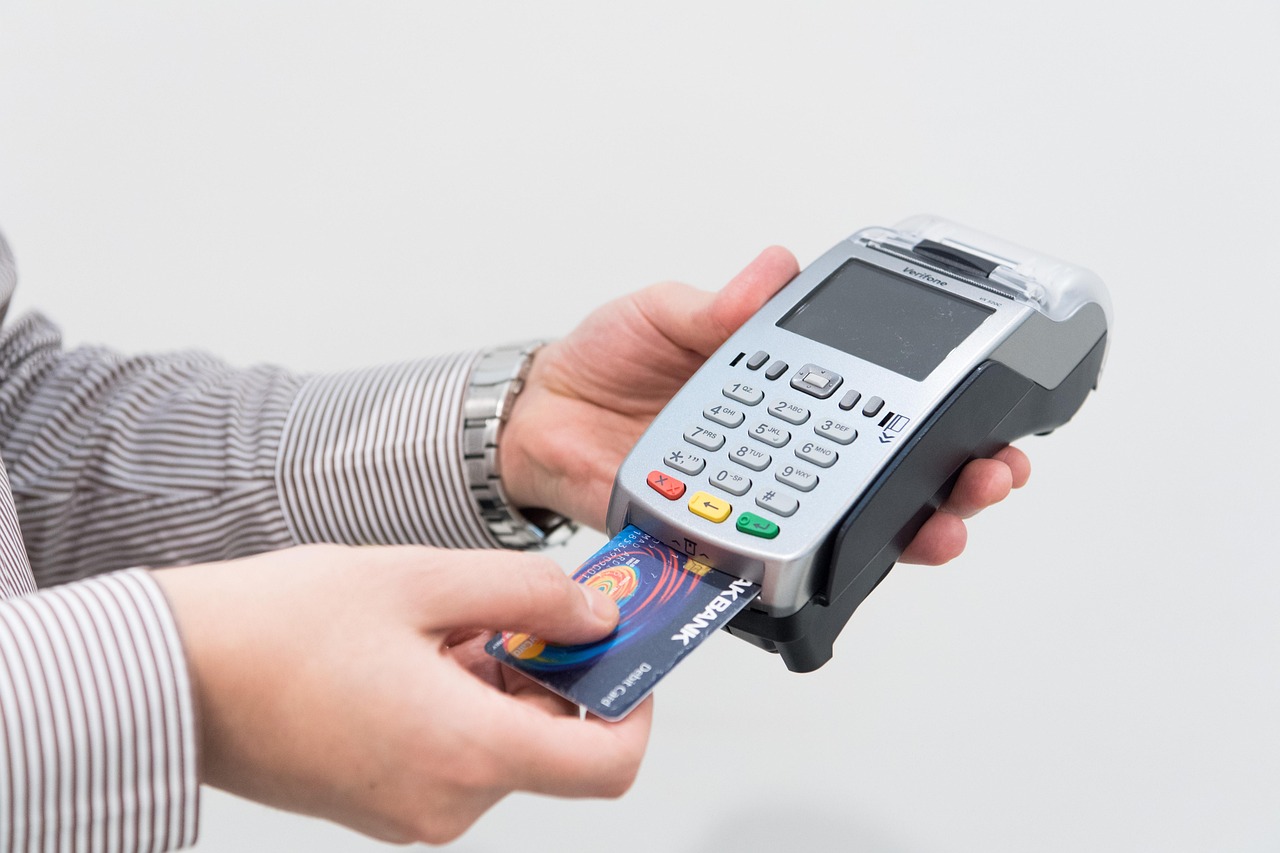
A well-chosen retail EPOS system is the operational backbone of a modern UK shop — handling sales, stock, staff and customer data from a single point of control. Whether you run a single boutique or a multi-site retail chain, the right system eliminates manual errors, accelerates checkout and gives you the real-time insight to make better buying decisions. This guide covers everything you need to know: what to look for, what to spend, and how to find the right provider for your business.
What Is a Retail EPOS System and Why Does Your Shop Need One?
EPOS stands for Electronic Point of Sale. A retail EPOS system combines hardware — a touchscreen till, barcode scanner, receipt printer and card reader — with software that manages transactions, inventory, reporting and often customer loyalty programmes. Unlike a basic cash register, an EPOS system records every transaction in a structured database, giving you an accurate, live picture of your business at any moment.
For UK retailers, that matters more than ever. With rising overheads, evolving consumer expectations and the growth of omnichannel shopping, shop owners need tools that work harder than a simple till. An EPOS system reduces stock-holding errors, speeds up busy periods, integrates with card payments and produces the VAT-ready sales reports that HMRC expects under Making Tax Digital. If you are still reconciling paper receipts at the end of each day, a modern EPOS solution will immediately reclaim hours every week.
You can explore the full range of solutions available — including current offers and bundle pricing — on the EPOS Direct UK home page.
Key Features to Look for in a Retail EPOS System
Not all EPOS platforms are created equal. Before signing any contract, benchmark every option against these core capabilities:
- Real-time stock management — automatic stock decrements at the point of sale, low-stock alerts, and multi-location stock visibility if you operate more than one site.
- Barcode scanning and product matrix — essential for fashion, homeware and any business selling items with variants (size, colour, style). Look for a system that handles product matrices natively rather than requiring workarounds.
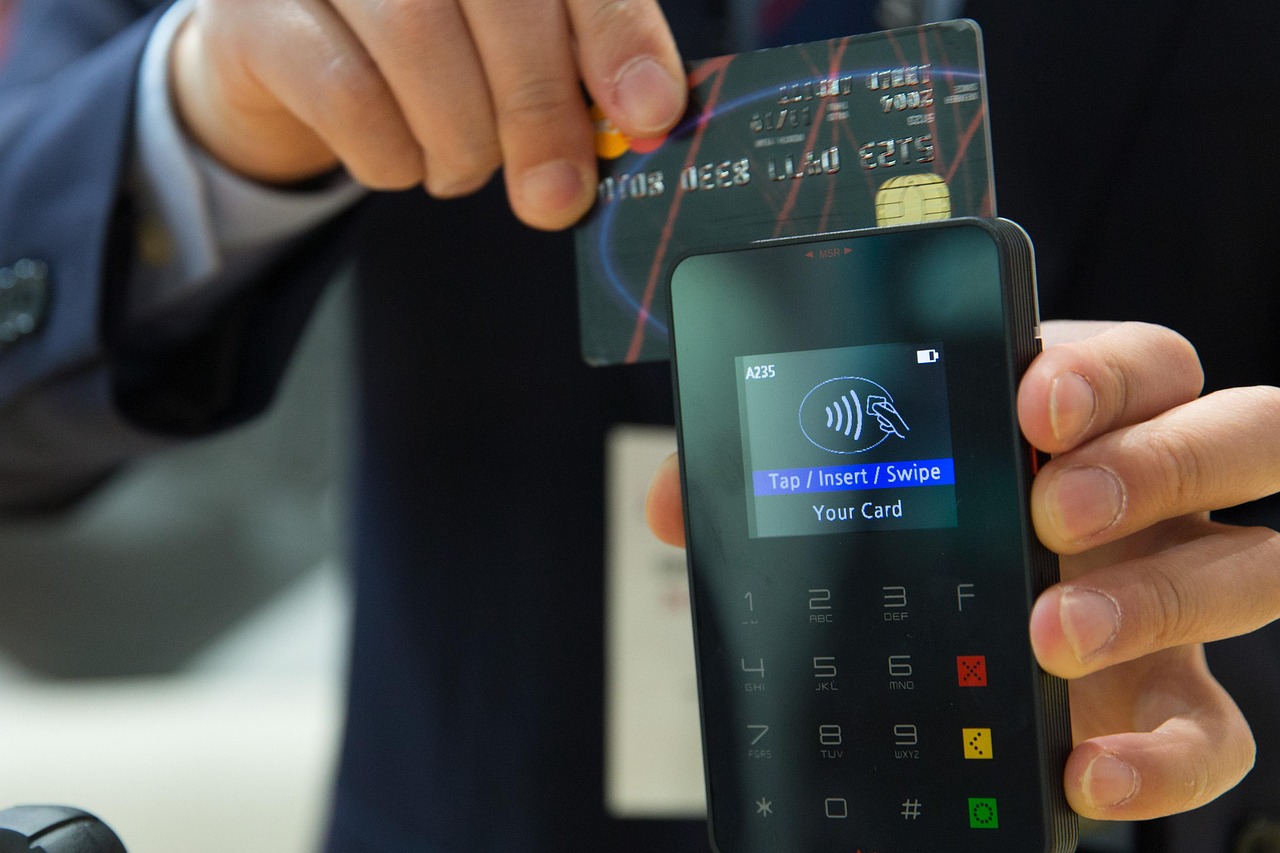
- Integrated card payments — a combined card machine and till removes reconciliation headaches. See our detailed guide on a card machine and till system combined for a full breakdown of why integration matters.
- Customer accounts and loyalty — the ability to attach purchases to a customer record, offer points or discounts, and build a mailing list from within the till.
- Multi-tender support — cash, card, gift vouchers and split payments should all be handled cleanly.
- Detailed sales reporting — hourly sales breakdowns, best-selling SKUs, margin analysis and staff performance reports give you the data to trade more profitably.
- eCommerce integration — if you sell online, your EPOS should sync inventory and orders with your website automatically.
- Cloud accessibility — the ability to view reports and manage products remotely, from any device.
If you want to see these features in action before committing, you can book a retail EPOS software demo with the EPOS Direct team at no cost.
Types of Retail Businesses That Benefit Most from EPOS Technology
EPOS technology is relevant across almost every retail category, but certain business types see particularly compelling returns:
- Fashion and clothing boutiques — managing colour and size variants, seasonal mark-downs and end-of-season stock analysis is dramatically easier with a purpose-built retail platform. Our dedicated resource on the best EPOS systems for clothing shops in the UK explores this in depth.
- Health and beauty retailers — product expiry tracking, supplier ordering and loyalty card integration are all standard requirements.
- Off-licences and convenience stores — high transaction volumes demand fast barcode scanning, age-verification prompts and accurate margin reporting on low-cost, high-volume lines.
- Garden centres and hardware shops — large, varied SKU catalogues with seasonal demand patterns benefit enormously from real-time stock management.
- Pharmacies and health stores — compliance, controlled stock management and customer account history are non-negotiable. You can explore tailored solutions via the pharmacy EPOS software demo.
- Gift shops and independent specialists — even small single-operator shops benefit from the time saved on end-of-day reconciliation and the professionalism a modern EPOS system projects to customers.
EPOS Hardware for Retail: Tills, Scanners, Receipt Printers and More
A complete retail EPOS hardware setup typically comprises several components. Understanding what each does helps you avoid over-specifying — or under-investing.
Core hardware components
- Touchscreen terminal — the central till unit, usually a 15" or 15.6" all-in-one screen with a built-in or separate PC. Ruggedised retail-grade units handle the knocks of a busy shop floor far better than consumer tablets.
- Barcode scanner — 1D laser scanners handle standard barcodes; 2D imagers also read QR codes and are increasingly common. Wireless and hands-free versions suit high-volume environments.
- Receipt printer — thermal printers (no ink cartridges) are the retail standard. Look for connectivity options that suit your counter layout — USB, Bluetooth or Ethernet.
- Cash drawer — should connect directly to the receipt printer for automatic open-on-sale triggers.
- Customer display — a pole or screen showing the customer their transaction total; builds trust and reduces disputes.
- Card payment terminal — integrated directly with the EPOS software to eliminate manual key entry and enable automatic end-of-day settlement.
- Label printer — for in-store price marking and stock receiving, particularly useful in fashion and grocery.
For businesses where serving customers away from a fixed counter is important — market stalls, pop-ups or trade shows — a portable card reader may also be worth considering. Our guide to the best wireless card machines for small businesses in the UK covers mobile payment options in detail.
How Much Does a Retail EPOS System Cost in the UK?
Cost is almost always the first question retail owners ask, and the honest answer is that pricing varies significantly depending on hardware specification, software tier and whether you opt for a subscription or outright purchase. The figures below are indicative market ranges based on typical UK retail configurations — always request a personalised quote before budgeting.
| Setup Type | Who It Suits | Typical Hardware Cost | Typical Software Cost |
|---|---|---|---|
| Entry-level single-terminal | Solo operator, small independent shop | Typically from £400–£800 (one-off) | From around £20–£40/month, or no monthly fee options available |
| Mid-range single-terminal with full peripherals | Established independents, boutiques | Typically £800–£1,500 (one-off) | Around £40–£80/month for a full-featured platform |
| Multi-terminal / multi-site | Small chains, department stores | £1,500+ per terminal, depending on spec | Negotiated per-site or per-terminal; often £60–£150+/month total |
| Managed or financed bundles | Any size of business preferring fixed monthly outlay | Hardware included in monthly payment | Bundled — typically from £50–£100/month all-in |
Some providers offer systems with no recurring software licence fee — particularly attractive for budget-conscious independents. Our resource on EPOS systems with no monthly fee explains the trade-offs and what to watch out for. For a broader view of small business EPOS pricing, the complete 2026 guide to EPOS systems for small businesses is also worth reading.
To get an accurate quote based on your specific requirements, request a call back from the EPOS Direct team.
Cloud-Based vs. Traditional EPOS: Which Is Right for Your Retail Store?
This is one of the most debated decisions in retail technology, and the right answer depends on your priorities.
Cloud-based EPOS
Software runs on remote servers and syncs data continuously. You can view sales, update products and manage staff permissions from any internet-connected device. Updates are applied automatically, and data is backed up offsite. The main consideration is internet dependency — a reliable broadband or 4G connection is essential, though most modern cloud systems offer an offline mode for basic transactions during outages.
Traditional (on-premise) EPOS
Software is installed locally on the till hardware. Transactions process whether or not you have an internet connection, and data stays on-site. This suits retailers in locations with unreliable connectivity, or businesses with strict data-handling preferences. The trade-off is that remote access is limited, updates require manual installation, and backup discipline falls to the operator.
A practical decision framework
- If you need remote reporting, multi-site management or eCommerce sync — cloud is the stronger choice.
- If you trade in a location with poor connectivity or your business model is purely in-store — on-premise remains highly capable.
- Many modern platforms are hybrid: locally installed for resilience, with cloud sync when connected. This is increasingly the recommended standard for UK retailers.
You can explore the full capabilities of EPOS Direct's software platform — including cloud features — at eposdirect.co.uk/software.
How to Choose the Right EPOS Provider for Your Retail Business
Choosing a provider is as important as choosing the software. A great system delivered by a poor support partner will cost you far more in downtime and frustration than you save on the initial price.
Questions worth asking any prospective provider
- What does your support cover, and when is it available? Retail hours are long — if your till fails on a Saturday afternoon, you need a provider with genuine weekend support, not a Monday-morning ticket queue.
- Can I see the software before I commit? Any reputable provider should offer a demonstration. Insist on seeing your actual workflow — scanning products, processing a return, running an end-of-day report — not just a polished slide deck.
- Is there a contract, and what are the exit terms? Monthly rolling agreements are more flexible than multi-year contracts. Understand what happens to your data if you leave.
- How is training delivered? Onboarding support — ideally in person or via live video — dramatically reduces staff errors in the first weeks.
- What integrations do you support? Check compatibility with your accounting software (Xero, QuickBooks, Sage), your eCommerce platform and any loyalty or booking tools you already use.
Red flags to watch for
- Vague or verbal-only answers about pricing and contract terms
- No UK-based support team
- Inability to show you a live software demo before purchase
- Hardware that is consumer-grade rather than built for retail environments
For a deeper look at the full evaluation process, the complete EPOS system guide for UK retail and hospitality businesses walks through every stage from shortlisting to go-live.
If you are ready to see what a purpose-built retail system looks like in practice, you can request a free demo or browse our current retail EPOS offers — both are available with no obligation.
Making the Right Decision for Your Shop
A retail EPOS system is a long-term investment in how your business operates day to day. The right system pays for itself — in time saved, errors prevented, margins improved and customers served better. The wrong one creates friction at every stage. Take the time to define what your shop genuinely needs, ask hard questions of every provider you speak to, and insist on seeing the software working before you sign anything.
EPOS Direct UK works with independent retailers, boutiques, convenience stores and multi-site chains across the United Kingdom, helping them find and implement the right solution for their specific circumstances. Our team is available to talk through your requirements online, or you can arrange a free, no-pressure demonstration at a time that suits you. We would be glad to help you find the right fit.
Written by the EPOS Direct UK team, who help UK retailers choose, implement and get the most from their EPOS and POS systems every day.
Frequently asked questions
- How much does a retail EPOS system typically cost in the UK?
- Costs vary depending on your setup. A basic single-till EPOS system in the UK typically starts from around £300 to £600 for entry-level hardware, while a complete retail bundle including a touchscreen till, barcode scanner, receipt printer and card reader can range from £800 to £2,000+. Ongoing software subscriptions usually run from £20 to £80 per month depending on features. EPOS Direct offers tailored packages to suit independent retailers and growing multi-site businesses alike — contact the team for a bespoke quote.
- Can I use an EPOS system to manage stock levels across multiple retail locations?
- Yes. Modern cloud-based EPOS systems allow you to monitor and manage stock in real time across multiple store locations from a single dashboard. You can set low-stock alerts, view sales performance by site, transfer stock between branches and generate consolidated reports — all without being physically present in each store.
- Will a new EPOS system integrate with my existing payment terminals and accounting software?
- Most quality retail EPOS systems are designed to integrate with leading payment processors and popular accounting platforms such as Xero, Sage and QuickBooks. When choosing a provider, always confirm which payment gateways and third-party software are natively supported. EPOS Direct systems are built to work seamlessly with major card payment providers and accounting tools commonly used by UK retailers.
