We use cookies to make your experience better.
To comply with the new e-Privacy directive, you agree to the privacy policy and our use of cookies

The Complete Guide to Till Systems for UK Retail & Hospitality Businesses
The Complete Guide to Till Systems for UK Retail & Hospitality Businesses

A till system is the operational heartbeat of any retail shop or hospitality venue — the point at which every sale is processed, every item tracked, and every payment settled. Modern electronic point-of-sale (EPOS) solutions go far beyond a simple cash drawer: they unify payments, stock management, reporting, and customer data into a single, manageable platform. This guide explains everything a UK business owner needs to know to choose, budget for, and get the most from the right system.
Written by the EPOS Direct UK team, who work with independent retailers, restaurants, pubs, and multi-site operators across the United Kingdom every day.
What Is a Till System and How Does It Work?
At its core, a till system records transactions and produces a receipt. An EPOS till system does considerably more: it runs software that manages your product catalogue, applies discounts and promotions, monitors stock levels in real time, and generates detailed sales reports — all from the same touchscreen terminal used to serve customers.
A typical EPOS setup comprises three layers:
- Hardware — a touchscreen terminal or tablet, barcode scanner, receipt printer, and cash drawer. Card payment hardware is usually integrated or paired wirelessly.
- Software — the point-of-sale application, usually cloud-based, that handles sales logic, stock, and reporting. Explore our EPOS software to understand how a modern platform handles these layers together.
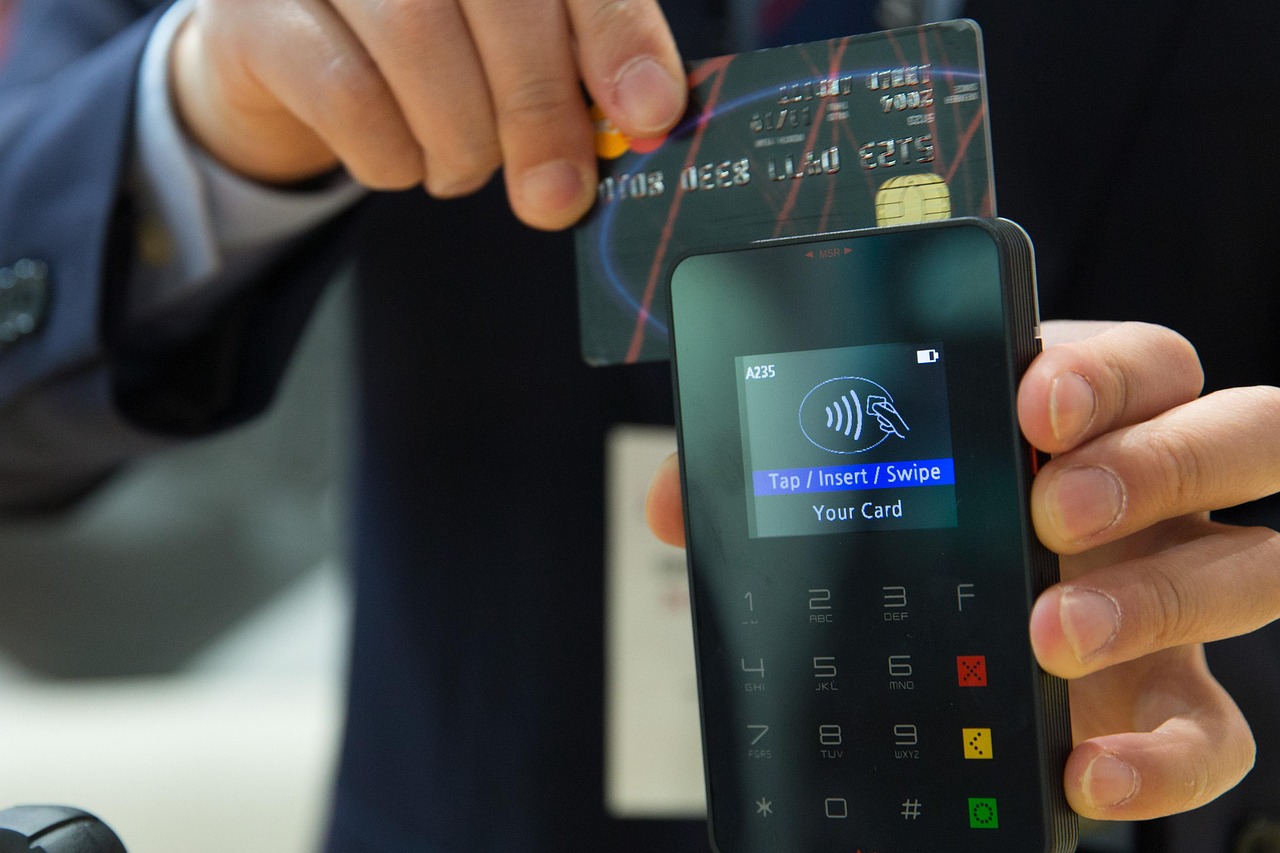
- Payment processing — an integrated card terminal or payment gateway that communicates directly with the till, removing the need to key totals in manually and reducing errors.
When a sale is made, the software decrements stock, records the revenue line, and — if a loyalty scheme is active — credits the customer's account, all in the same transaction. Cloud connectivity means you can review yesterday's performance on a mobile device before you even open the door in the morning.
Types of Till Systems Available for UK Businesses
Not every business has the same needs, and the market reflects that. The four principal categories are:
1. Traditional Cash Registers
Basic electromechanical or electronic registers. They record sales and open a cash drawer, but offer no stock management, no cloud reporting, and no card integration. They remain in use primarily because of their simplicity and low initial cost, but they create blind spots in business data. If you currently rely on one, our guide to switching from a cash register to a modern EPOS system outlines exactly what the transition involves.
2. Tablet-Based EPOS Systems
An iPad or Android tablet running a point-of-sale app, paired with a card reader, a compact printer, and a cash drawer. Popular with pop-ups, market traders, cafés, and small independent retailers for their portability and lower entry cost. Performance and feature depth can vary widely depending on the software chosen.
3. Dedicated EPOS Terminals
Purpose-built all-in-one touchscreen terminals — typically 15" to 21" — designed for counter-top use. More robust than tablets, with commercial-grade components suited to high-volume environments. Dedicated terminals from EPOS Direct UK are available with sector-specific software pre-configured, so setup is straightforward from day one.
4. Integrated Multi-Terminal Systems
Two or more tills networked together, sharing a central stock database, with back-office software and often a customer-facing display or self-service kiosk. The standard choice for busy restaurants, multiple checkout lanes in retail, or any venue where queue management matters.
Key Features to Look for in a Modern Till System
With so many products on the market, it is easy to be dazzled by features that look impressive in a brochure but add little practical value. The criteria below reflect what genuinely moves the needle for UK retail and hospitality businesses.
- Real-time stock management — automatic stock decrements on every sale, low-stock alerts, and purchase order generation prevent costly out-of-stocks and over-ordering.
- Integrated card payments — removing the manual step of transferring totals to a separate card machine eliminates keying errors and speeds up service. For a detailed breakdown, see our guide to the best EPOS systems with integrated card payments in the UK.
- Cloud-based reporting — access sales data, staff performance, and margin analysis from any device, without being physically at the till.
- User permissions and staff management — assign roles so that cashiers can process refunds but only managers can override prices or access end-of-day reports.
- Scalability — the system should handle a second location, a new product category, or a seasonal surge without requiring a platform change.
- HMRC-compliant VAT handling — the system must produce VAT receipts and reports aligned with Making Tax Digital requirements. Always verify current MTD obligations directly with HMRC's Making Tax Digital guidance.
- Reliable UK support — a system that goes down at midday on a Saturday needs a support team that answers the phone, not a chatbot.
How Much Does a Till System Cost in the UK?
Buyers frequently ask what they should budget — and the honest answer is that cost depends on hardware specification, software tier, number of terminals, and whether you purchase outright or subscribe monthly.
| Setup Type | Indicative Hardware Cost | Indicative Monthly Software | Best Suited To |
|---|---|---|---|
| Tablet-based starter kit | Typically from £300–£600 | From approx. £20–£50/month | Market stalls, pop-ups, very small cafés |
| Single dedicated EPOS terminal | Typically from £600–£1,200 | From approx. £40–£80/month | Independent retail shops, small restaurants |
| Full retail EPOS bundle (terminal, scanner, printer, drawer) | Typically from £1,000–£2,000 | From approx. £60–£120/month | Established retail, convenience stores |
| Multi-terminal hospitality system | Typically from £2,000–£5,000+ | From approx. £100–£250+/month | Restaurants, pubs, hotels, multi-site operators |
All figures are indicative market ranges for guidance only and are not quotes. Your actual cost will depend on your specific requirements. Card processing fees are set separately by your payment provider and are not included above.
One of the most common questions is whether to buy outright or subscribe. Outright purchase has a higher upfront cost but eliminates ongoing software fees; monthly subscriptions spread cost and often include support and software updates. Our detailed breakdown of monthly EPOS subscriptions versus outright purchase helps you model which approach suits your cash flow and growth plans.
Till Systems for Retail vs Hospitality: What's the Difference?
The underlying technology overlaps, but the workflow requirements diverge meaningfully between retail and hospitality environments.
Retail Priorities
- Barcode scanning speed and accuracy across large product catalogues
- Integrated stock and purchase order management
- Customer loyalty and gift card functionality
- Multi-variant product handling (size, colour, SKU)
- End-of-day cash reconciliation and shrinkage tracking
For a focused look at retail-specific solutions, browse our retail EPOS offers or try a retail EPOS software demo to see the interface in action.
Hospitality Priorities
- Table plan management and cover tracking
- Kitchen display systems (KDS) or kitchen printer integration
- Split bills, table transfers, and course management
- Allergen and modifier prompts at the point of order
- Integration with reservation platforms and delivery aggregators
Hospitality operators can view our hospitality and restaurant EPOS offers or request a restaurant EPOS software demo to explore the full table management workflow.
Pharmacy is a specialist category in its own right, requiring prescription management, medicine interaction alerts, and GPhC-aligned workflows. A pharmacy EPOS software demo demonstrates how a compliant system handles these requirements.
How to Choose the Right System for Your Business
Rather than selecting a system based on price alone, work through these decision points before approaching any supplier.
- Map your transaction volume. A boutique with twenty transactions a day has different durability and speed requirements than a busy pub serving hundreds of covers. Under-specifying hardware is a false economy.
- List your non-negotiable integrations. Accounting software (Xero, QuickBooks, Sage), delivery platforms (Deliveroo, Uber Eats), and e-commerce channels (Shopify, WooCommerce) all affect which EPOS platforms are viable for you.
- Decide on payment strategy. If wireless or mobile card acceptance matters — for tableside payments or market trading — check our guide to the best wireless card machines for small businesses in the UK to understand your options before committing to a payment provider.
- Consider your growth horizon. A system that handles one till perfectly but cannot scale to three without a full platform migration will cost you more in the medium term than a slightly higher upfront investment in a scalable solution.
- Evaluate support quality rigorously. Ask prospective suppliers their average response time, whether support is UK-based, and what happens if your system fails during a busy service. Request references from existing customers in your sector.
- Compare objectively. Our complete 2026 comparison guide sets EPOS Direct against the wider market so you can evaluate transparently.
If you run a small independent shop, our dedicated guide to the best till systems for small shops in the UK offers further sector-specific guidance.
Getting Started with EPOS Direct: Setup, Support and Next Steps
EPOS Direct UK supplies, installs, and supports EPOS systems for retail, hospitality, pharmacy, and specialist sectors across the United Kingdom. Systems arrive pre-configured with your product data where possible, and UK-based technical support is available to help you go live with confidence — not just on day one, but throughout the life of the system.
The typical onboarding process runs as follows:
- Discovery call — a specialist reviews your business type, transaction volume, integration requirements, and budget.
- Demo and proposal — you see the relevant software in a live demo and receive a written proposal with no obligation.
- Configuration — hardware is prepared and software is configured with your products, users, and tax settings before delivery.
- Installation and training — on-site or remote installation, followed by staff training tailored to your workflows.
- Ongoing support — UK telephone and remote support, plus software updates included in subscription plans.
To begin, you can request a free demo, talk to an expert online for immediate guidance, or request a call back at a time that suits you.
In Summary
A well-chosen till system does far more than open a cash drawer — it gives you accurate stock data, faster payment processing, and the management insight to make better decisions every day. The right solution depends on your sector, transaction volume, integration needs, and growth ambitions: there is no single answer that suits every business. What matters is matching the system to your specific operation, with a supplier that provides genuine UK-based support when you need it.
EPOS Direct UK has helped thousands of businesses across the UK find and implement the right EPOS solution. Whether you are starting from scratch, replacing an ageing cash register, or scaling to multiple sites, our team is ready to guide you through every step. Request a free demo today and see what the right system can do for your business.
Frequently asked questions
- What is the difference between a till system and an EPOS system?
- A traditional till simply processes cash transactions, whereas a modern EPOS (Electronic Point of Sale) system combines a touchscreen till with software that manages sales, stock, staff and reporting all in one place. Most UK businesses today opt for a full EPOS system because it provides far greater control and insight than a standalone till.
- How much should I expect to pay for a till system in the UK?
- Costs vary depending on your requirements. A basic entry-level EPOS bundle for a single terminal typically starts from around £300 to £500 as a one-off hardware cost, with monthly software subscriptions ranging from £20 to £60 per month. Multi-terminal setups for larger retail or hospitality venues can range from £800 to £2,000 or more. EPOS Direct UK offers tailored packages, so it is worth requesting a quote to get accurate pricing for your specific setup.
- Can a till system integrate with my existing card payment machine?
- Yes, most modern EPOS till systems are designed to integrate with leading card payment terminals and payment processors. EPOS Direct UK systems support integration with major UK payment providers, allowing card transactions to flow directly through your till without the need for manual entry, reducing errors and speeding up customer service.
