We use cookies to make your experience better.
To comply with the new e-Privacy directive, you agree to the privacy policy and our use of cookies


How an EPOS System Can Transform Your Retail Business
How an EPOS System Helps Your Retail Business Grow
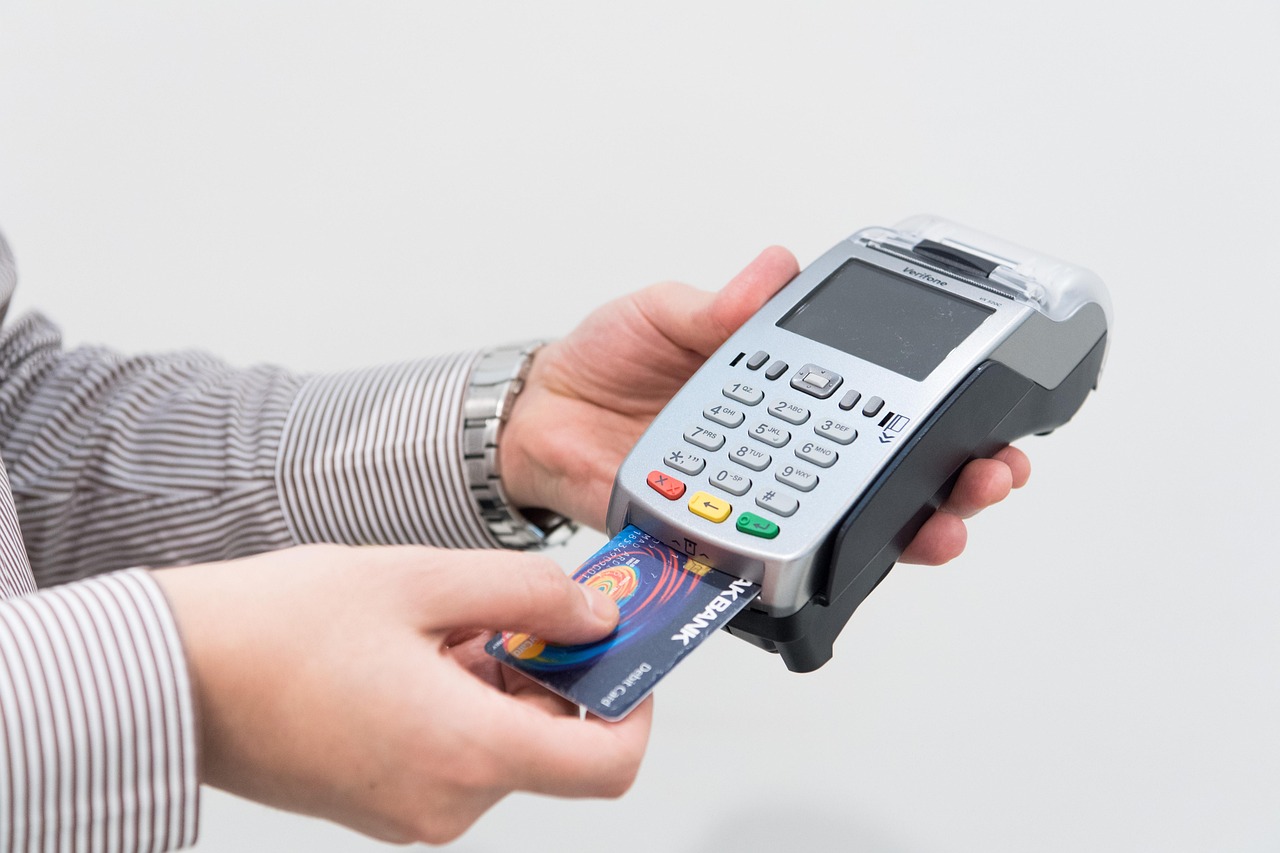
A modern electronic point of sale (EPOS) system is one of the most impactful investments a retail business can make — it accelerates transactions, automates stock control, surfaces actionable sales intelligence, and integrates seamlessly with card payments. For UK retailers navigating tighter margins and rising customer expectations, the right EPOS setup transforms daily operations from reactive to genuinely strategic. This guide explains precisely how that transformation happens, and what to look for when choosing a system that fits your store.
What Is an EPOS System and How Does It Work in Retail?
An EPOS system combines hardware — typically a touchscreen till, barcode scanner, receipt printer and cash drawer — with intelligent software that processes sales, manages stock, records customer data and generates reports. Every transaction updates a centralised database in real time, giving owners and managers a live view of the business regardless of whether they are on the shop floor or offsite.
Unlike a basic electronic cash register, which simply opens a drawer and prints a receipt, a retail EPOS platform connects every aspect of the operation. A sale reduces stock levels automatically. A low-stock alert triggers a reorder prompt. A refund is logged against the original transaction. All of it happens within a single, unified system.
For a broader technical grounding, the Complete EPOS System Guide for UK Retail and Hospitality Businesses walks through hardware configurations, software tiers and infrastructure considerations in full detail.
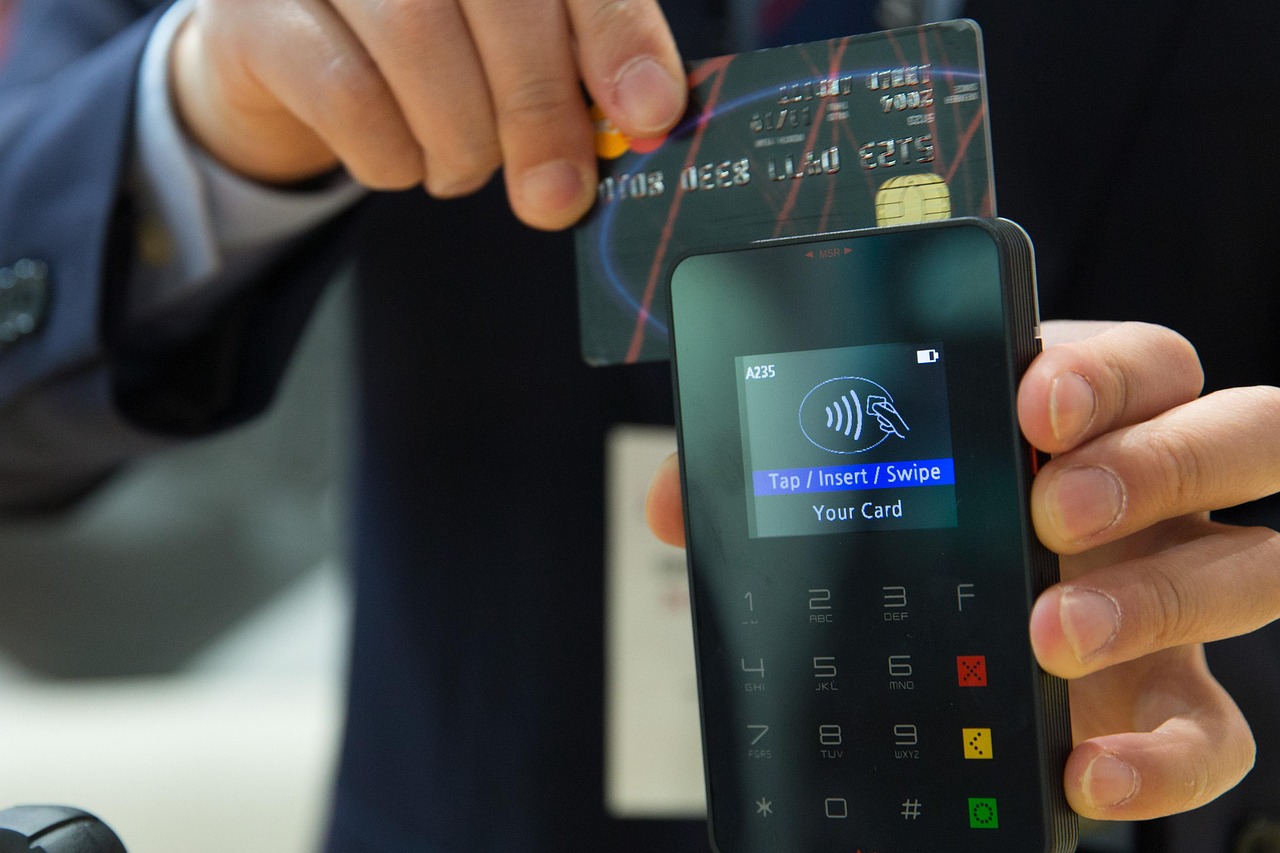
Faster Checkouts and a Better Customer Experience
Speed at the till directly affects customer satisfaction and throughput — particularly during peak trading periods. A well-configured EPOS system reduces transaction time in several measurable ways:
- Barcode scanning: Products are retrieved instantly from the database, eliminating manual price look-ups and entry errors.
- Integrated payment terminals: The sale total passes directly to the card reader; no manual re-entry means fewer keying mistakes and faster processing.
- Quick-access product tiles: For frequently sold items — particularly in fashion or convenience retail — touchscreen shortcuts let staff complete transactions without scanning.
- Automatic discounting and promotions: Multi-buy offers and loyalty rewards are applied at the point of sale without staff needing to calculate them.
The cumulative effect is a smoother queue, fewer frustrated customers and a higher number of transactions completed per hour. Retailers who move from manual or legacy systems consistently report that checkout times fall noticeably once their team is comfortable with the interface.
Real-Time Stock Control and Inventory Management
Inventory is typically a retailer's largest single asset — and the hardest to manage manually. An EPOS system eliminates the guesswork by updating stock levels automatically with every sale, return, wastage entry or goods-in scan.
Key inventory capabilities
- Live stock levels: See exactly what you have in each location, including back-of-house storage and multiple branches, at any moment.
- Reorder alerts: Set minimum stock thresholds so the system prompts a purchase order before you run out of a bestselling line.
- Variant tracking: Clothing, footwear and homewares retailers can track by size, colour and SKU — critical for accurate ordering. The best EPOS systems for clothing shops handle this particularly well.
- Supplier management: Link products to preferred suppliers so reorders are faster and records stay clean.
- Stock-take tools: Conduct cycle counts using a handheld scanner and reconcile discrepancies without closing the store.
Better stock visibility means fewer lost sales through out-of-stocks, less capital tied up in slow-moving lines, and significantly reduced time spent on manual counting.
Sales Reporting and Data-Driven Business Decisions
One of the most underappreciated advantages of a retail EPOS system is the quality of data it produces. Every transaction is recorded with time, product, quantity, price and payment method — giving owners a rich, searchable history of trading performance.
Reports that change how you run the business
- Hourly and daily sales summaries: Identify your busiest trading windows and schedule staff accordingly.
- Product performance reports: Know your top 20 sellers and your slowest-moving lines by week, month or season.
- Category and department analysis: Understand which product areas drive margin versus volume.
- Staff sales reports: Track individual performance and identify training needs without assumptions.
- Customer purchase history: For businesses running a loyalty programme, the system records each customer's preferences — enabling targeted promotions.
Cloud-based EPOS software makes these reports accessible from any device with a browser, so owners are never dependent on being physically present to make informed decisions. You can view yesterday's close-of-day figures from home before the store opens.
If you would like to see exactly how this works in practice, a retail EPOS software demo lets you explore the reporting interface without any commitment.
Integrated Payments: Cards, Contactless and Online
Customers expect to pay however they choose — contactless, chip and PIN, mobile wallet or online. A retail EPOS system with fully integrated payment processing handles all of these through a single terminal, with every transaction automatically reconciled against the day's sales log.
Integration matters because split systems — where the till and the card machine are separate — require staff to manually enter the sale amount twice, which creates opportunities for error and makes end-of-day reconciliation far more time-consuming. An integrated setup removes that friction entirely.
For retailers evaluating standalone card acceptance alongside their till, the guide to combined card machine and till systems covers the key considerations, including how to assess whether a bundled or modular approach suits your setup. Retailers who prefer flexibility should also review the options for a wireless card machine for small businesses, which can complement a fixed EPOS counter configuration.
Reducing Shrinkage, Human Error and Staff Fraud
Retail shrinkage — loss through theft, supplier discrepancy or internal fraud — is a persistent cost for most stores. An EPOS system addresses it on multiple fronts.
Controls built into the system
- Staff login and permissions: Each team member accesses only the functions relevant to their role. Managers can void transactions or apply discounts; cashiers cannot.
- Audit trail: Every transaction, refund, void and discount is logged against a user ID. Patterns of unusual activity are visible in staff sales reports.
- Cash management: Declare the opening float, log cash drops during the day, and compare the declared close against the system's expected cash figure — discrepancies are flagged immediately.
- No-sale monitoring: The system records every instance where the cash drawer is opened without a completed transaction.
- Barcode enforcement: Mandatory scanning reduces the scope for staff to charge incorrect prices intentionally or accidentally.
Together, these controls create an environment where honest mistakes are caught quickly and deliberate manipulation is far harder to sustain undetected.
What Does a Retail EPOS System Cost?
Pricing varies depending on the number of tills, the depth of software functionality and whether you opt for an outright purchase or a monthly subscription. As a practical guide for UK retailers:
- Entry-level single-till setups: Typically from around £300–£500 for hardware, with software from approximately £20–£50 per month on a subscription model.
- Mid-range retail systems with inventory management, reporting and integrated payments: hardware in the £500–£1,200 range per till, software from £50–£150 per month depending on features and number of users.
- Multi-site or high-volume retail: Bespoke pricing is common; expect monthly costs to reflect the additional data, support and integration requirements.
These are indicative market ranges — actual pricing depends on the specific configuration, contract length and hardware bundle. For businesses watching every pound, the guide to the most affordable EPOS systems for small businesses identifies where genuine value lies without compromising on essential features. It is also worth reviewing options with card machines that carry no monthly fee if keeping recurring costs low is a priority.
The most straightforward way to get an accurate figure is to view current retail EPOS offers from EPOS Direct or talk to an expert online who can build a configuration around your specific requirements.
Choosing the Right EPOS System for Your Retail Store
The best system is not the most feature-rich — it is the one that maps precisely onto how your store actually operates. Below is a practical comparison of the primary EPOS approaches available to UK retailers.
| Approach | Best suited to | Key advantages | Considerations |
|---|---|---|---|
| Cloud-based EPOS (subscription) | Most small-to-medium retailers; multi-site operators | Remote access to reports; automatic updates; lower upfront cost | Ongoing monthly fee; requires reliable internet connection |
| On-premise EPOS (licence purchase) | Retailers with unreliable broadband; high-volume single sites | Fully functional offline; one-time software cost; data stays on-site | Higher upfront investment; manual updates; no remote access by default |
| Tablet-based EPOS | Market traders; pop-up retail; small boutiques | Portable; compact footprint; lower hardware cost | Less robust than dedicated till hardware for high-volume use |
| Integrated retail suite (EPOS + payments + e-commerce) | Retailers selling both in-store and online | Single inventory database across all channels; unified reporting | More complex setup; typically higher monthly cost |
Questions worth asking before you commit
- Does it handle your product catalogue? If you sell variants (size, colour, weight), confirm the system tracks at SKU level before signing anything.
- How is support delivered? UK-based telephone support during trading hours is worth paying a modest premium for — a till failure on a Saturday afternoon has real revenue consequences.
- What does the onboarding process look like? A system you cannot get your team using confidently within a week is not the right system, regardless of its feature list.
For small retailers starting from scratch, the complete EPOS guide for small businesses is a useful companion to this article, covering setup, training and the questions most first-time buyers forget to ask. You can also explore the full range of solutions on the EPOS Direct UK home page for current offers and more information across every sector.
Conclusion
A retail EPOS system pays for itself not through a single dramatic improvement but through dozens of compounding efficiencies — faster queues, fewer stock errors, sharper purchasing decisions, tighter cash controls and richer customer data. For UK retailers serious about growth, it is infrastructure, not a luxury.
EPOS Direct UK works with independent retailers, multi-site groups and specialist merchants across the country, helping them select, configure and get the most from their EPOS investment. To find the right setup for your store, request a free demo or request a call back and speak with a specialist who understands UK retail.
Written by the EPOS Direct UK team, who support UK retailers and hospitality businesses with EPOS and POS systems every day.
Frequently asked questions
- How much does a retail EPOS system cost in the UK?
- Costs vary depending on your setup. A basic single-till EPOS bundle from a UK supplier typically starts from around £300 to £600 for hardware (touchscreen terminal, receipt printer and barcode scanner). Cloud-based software subscriptions usually run from £20 to £60 per month per terminal. Full multi-till packages with integrated card payments can range from £800 to £2,000+. EPOS Direct UK offers flexible packages with no hidden fees — contact the team for a tailored quote.
- Can an EPOS system work with my existing card payment terminal?
- Many modern EPOS systems can integrate with third-party card payment terminals, but the smoothest and most secure experience comes from using a fully integrated solution where the EPOS software and payment hardware communicate directly. This eliminates manual keying errors and speeds up end-of-day reconciliation. EPOS Direct UK offers fully integrated card payment solutions built specifically for UK retailers.
- How long does it take to set up an EPOS system in a retail shop?
- A straightforward single-till retail setup can typically be installed and configured within a few hours to a single day. More complex multi-till or multi-site deployments may take two to three days including staff training. EPOS Direct UK provides on-site installation support and ongoing UK-based customer service to get your team up and running quickly with minimal disruption to trading.
