We use cookies to make your experience better.
To comply with the new e-Privacy directive, you agree to the privacy policy and our use of cookies


How Much Does an EPOS System Cost in the UK? (2026 Pricing Guide)
How Much Does an EPOS System Cost in the UK? A Complete 2026 Pricing Guide
Understanding what an EPOS system will cost your business is one of the most practical questions you can ask before making a purchase — and the honest answer is that pricing varies considerably depending on your sector, scale, and chosen payment model. For most UK businesses, a single-terminal EPOS setup typically falls somewhere between a few hundred pounds as a one-off investment and a manageable monthly subscription, with larger or more complex operations naturally sitting at the higher end. This guide breaks down every cost component clearly, so you can budget with confidence and avoid surprises.
What Is an EPOS System and What Does It Include?
An EPOS (Electronic Point of Sale) system is a digital till solution that replaces the traditional cash register with intelligent, connected hardware and software. Rather than simply recording sales, a modern EPOS system manages inventory, generates reports, processes payments, handles staff permissions, and integrates with your wider business tools — from accounting platforms to online ordering.
A complete EPOS setup typically includes some or all of the following components:
- Touchscreen terminal or tablet — the primary interface your staff use at the point of sale
- EPOS software — the operating layer that drives everything, often available as cloud-based or locally installed
- Receipt printer — thermal printers are standard; hospitality sites may also need kitchen printers
- Cash drawer — essential for businesses that accept cash payments
- Barcode scanner — particularly important for retail environments with SKU-heavy stock
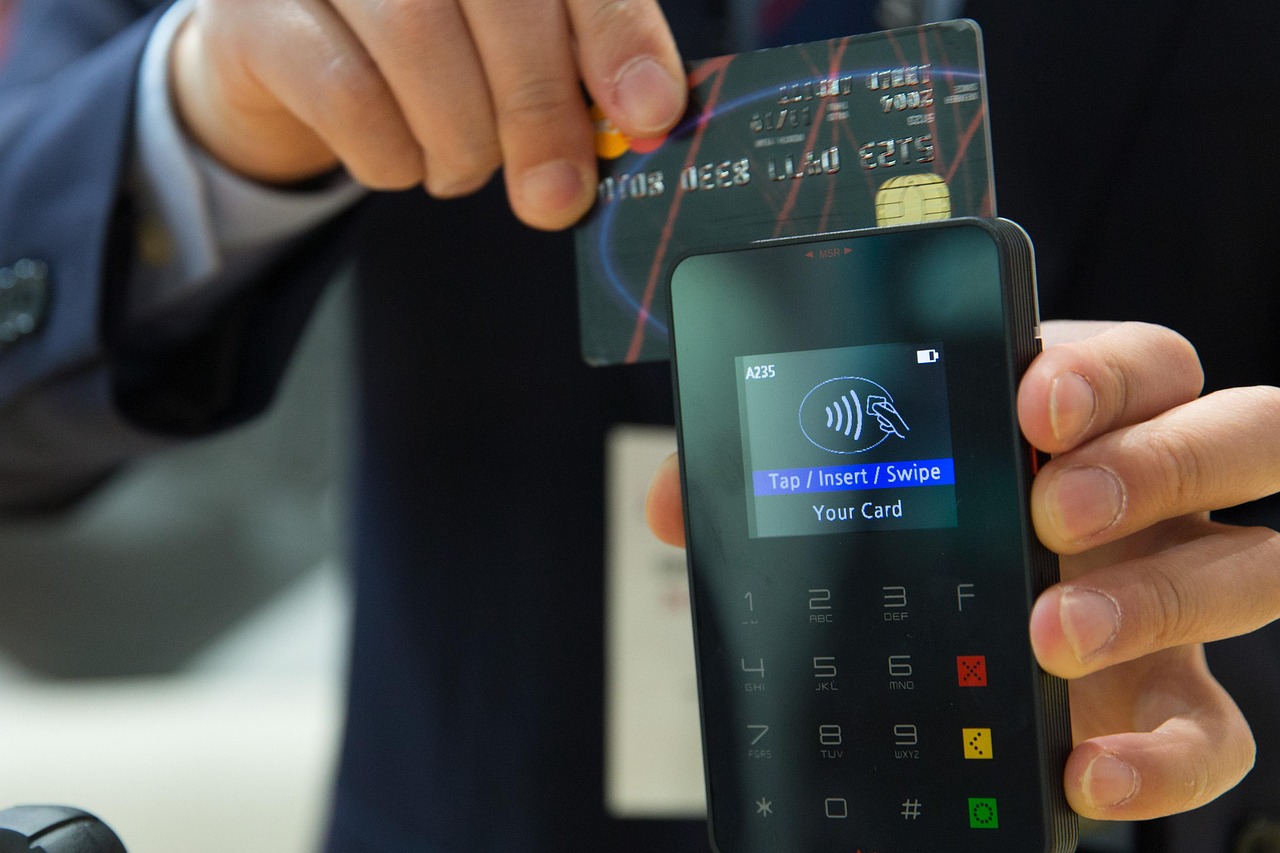
- Card payment terminal — integrated card machines reduce errors and speed up checkout
- Installation, setup and training — the human side of getting your system live
Not every business needs every component. A coffee kiosk may only need a tablet, receipt printer, and card reader; a busy fashion retailer will need scanners, robust stock management, and potentially multiple terminals. You can explore a broader overview of what's available on the EPOS Direct UK home page.
UK EPOS System Cost Breakdown: Hardware, Software & Installation
Pricing is best understood by separating the three layers of any EPOS investment: hardware, software, and setup services. Each layer has its own cost structure, and each is negotiable depending on the supplier and package you choose.
Hardware Costs
Hardware is generally a one-off outright purchase, though some suppliers offer lease or rental arrangements. Indicative ranges for individual components in the UK market:
- Touchscreen EPOS terminal: typically from around £300 to £900 per unit, depending on screen size, processing power, and build quality
- Thermal receipt printer: typically from around £80 to £250
- Barcode scanner: typically from around £50 to £200 for a handheld unit
- Cash drawer: typically from around £40 to £150
- Card machine (integrated): varies widely by payment processor — see our guide to the best wireless card machines for small businesses in the UK for a full breakdown
A complete single-station starter bundle — terminal, printer, cash drawer, and scanner — will typically fall between £500 and £1,500 as an outright purchase, depending on specification.
Software Costs
Software is where pricing models diverge most sharply. Cloud-based subscriptions are now the dominant model and typically range from around £20 to £150 per month per terminal for retail or hospitality EPOS software, depending on features and the number of integrations included. Some suppliers offer a perpetual licence (a one-off purchase), though this is less common and usually means updates and support are charged separately.
To understand what the software layer actually does before committing, you can explore the EPOS Direct software platform and request a hands-on demo for your specific sector — including a dedicated retail EPOS software demo or a restaurant EPOS software demo.
Installation and Training
Professional installation can range from a few hundred pounds for a single-site setup to several thousand for a multi-terminal, multi-site deployment. Many suppliers bundle basic setup and remote training into their packages; on-site training is often an optional paid add-on. Always clarify what is included before signing.
EPOS Pricing by Business Type: Retail, Hospitality & Restaurant
The type of business you run directly affects both the features you need and the total cost of ownership. A general-purpose EPOS system will rarely serve a complex kitchen environment as well as a purpose-built restaurant solution — and overpaying for features you never use is equally wasteful.
| Business Type | Core Requirements | Typical Monthly Software Cost | Typical Starter Hardware Cost |
|---|---|---|---|
| Independent Retail (single site) | Stock management, barcode scanning, sales reporting, loyalty | From ~£25–£60/month | From ~£500–£1,200 |
| Clothing / Fashion Retail | Variant management (size/colour), label printing, returns handling | From ~£35–£80/month | From ~£600–£1,500 |
| Café / Coffee Shop | Fast order entry, modifier options, integrated payments, simple reporting | From ~£30–£70/month | From ~£400–£1,000 |
| Restaurant / Full-Service | Table management, kitchen display/printer, covers & courses, staff splits | From ~£50–£150/month | From ~£800–£3,000+ |
| Pharmacy | Dispensary integration, patient records link, controlled-drug logging | From ~£60–£150/month | From ~£700–£2,000 |
| Multi-Site / Enterprise Retail | Centralised stock control, multi-location reporting, advanced CRM | From ~£100–£300+/month | Per-site hardware costs apply |
For clothing retailers specifically, there are additional considerations around variant management and seasonal stock — our article on the best EPOS systems for clothing shops in the UK covers these in detail. Restaurateurs and café owners can view dedicated packages via our hospitality and restaurant EPOS offers page.
One-Off Purchase vs Monthly Subscription: Which Delivers Better Value?
This is one of the questions buyers ask us most often, and the right answer genuinely depends on your cash flow, growth plans, and appetite for maintaining software yourself.
The Case for Outright Purchase
Buying hardware outright means no ongoing hardware cost and full ownership from day one. For businesses with predictable, stable operations and a longer planning horizon, this model can be more economical over three to five years. The risk is that software becomes outdated if you are not on a supported update plan.
The Case for Monthly Subscription (SaaS)
A subscription model typically bundles software, automatic updates, cloud data backup, and support into a single predictable monthly cost. This suits growing businesses, those with limited upfront capital, or any operator who wants to avoid managing their own software updates. Most modern EPOS providers — including EPOS Direct — offer this model precisely because it de-risks adoption.
A Practical Calculation
A monthly subscription at £50/month over three years costs £1,800 in software alone. A one-off perpetual licence might cost £600–£1,000 upfront, but if support and updates cost £200–£400 per year on top, the gap narrows quickly. Always model the total three-year cost of ownership — not just the sticker price — before deciding.
If you are running a smaller operation and cost efficiency is paramount, our guide to the most affordable EPOS systems for small businesses in the UK is worth reading before you commit to any model.
Hidden Costs to Watch Out for When Buying an EPOS System
The headline price of any EPOS system rarely tells the full story. Experienced buyers know to interrogate the detail before signing anything.
- Payment processing fees: If your EPOS provider also supplies card processing, transaction fees can have a significant cumulative impact. Always compare the effective rate against your current or alternative card machine options — our guide to card machines with no monthly fee is a useful reference point.
- Data migration: Moving your existing product catalogue, customer records, or historical data to a new system takes time and may carry a professional services charge.
- Additional user licences: Some software plans restrict the number of staff logins or till terminals. Adding more can trigger a higher pricing tier.
- Integrations: Connecting your EPOS to your accountancy software, e-commerce platform, or loyalty scheme may require a paid add-on or API access at a higher tier.
- Support contracts: Basic email support may be free; priority phone or on-site support is typically a paid extra. Understand response-time guarantees before you need them.
- Hardware replacement and warranty: Entry-level hardware often carries a one-year warranty. Commercial-grade equipment with extended cover protects you against costly failures during peak trading periods.
- Connectivity: Cloud EPOS systems require a reliable internet connection. Factoring in a business-grade broadband upgrade or a 4G backup solution may be necessary.
What Affects the Price of an EPOS System in the UK?
Several variables drive the final cost of any system — understanding them gives you more leverage when requesting quotes.
- Number of terminals: Each additional till point adds hardware cost and, often, an additional software licence fee.
- Number of sites: Multi-location businesses need centralised management and real-time stock synchronisation — functionality that sits at a higher price point.
- Feature depth: Advanced loyalty programmes, CRM, e-commerce integration, and detailed analytics all push costs upward compared to basic sales-and-reporting functionality.
- Hardware specification: Consumer-grade tablet setups are cheaper but may not withstand the demands of a busy hospitality environment. Purpose-built EPOS hardware costs more but is designed for longevity.
- Support level: On-site installation, dedicated account management, and 24/7 support naturally carry a premium over self-service onboarding.
- Contract length: Longer commitments often unlock lower monthly rates, but they also reduce your flexibility if your business needs change.
For a practical perspective tailored to smaller operations, see our guide to EPOS systems for small businesses, which covers the specific trade-offs that matter most when budgets are tight and simplicity is a priority.
How to Get the Best EPOS System for Your Budget in 2026
The best value EPOS system is not necessarily the cheapest — it is the one that matches your operational needs precisely, scales with your ambitions, and comes with the support infrastructure to keep it running reliably. Here is a structured approach to making the right decision.
- Map your requirements before requesting quotes. List every function your team actually needs — from stock management and staff clock-in to kitchen printing and online ordering integration. This prevents you from being upsold features you will never use, or discovering after purchase that a critical function is missing.
- Compare total cost of ownership over three years. Build a simple spreadsheet: hardware (including warranty), software (including all users and integrations), payment processing fees, support, and any training costs. Three-year TCO is a far more honest comparison than monthly headline pricing.
- Request a working demo before committing. No amount of brochure reading replaces thirty minutes with the actual software. EPOS Direct offers a free demo — use it to test the interface with your own product data or order scenarios.
- Check support credentials and response times. Ask specifically: what happens if your system goes down on a Saturday afternoon? Who do you call, what is the contractual response time, and is there an offline mode if your internet drops?
- Negotiate on bundles. Hardware, software, installation, and payment processing are often bundled together — and the composition of those bundles is frequently negotiable. Ask what can be adjusted to meet your budget without removing essential functionality.
- Consider a combined till and card machine solution. Integrating your payment terminal with your EPOS saves staff time, reduces end-of-day reconciliation errors, and often simplifies your supplier relationship. Our guide to card machine and till systems combined explains the practical benefits in depth.
If you are still weighing up which solution tier is right for you, our broader guide to the best till systems for small businesses in the UK covers the decision criteria in accessible detail.
The Direct Answer: What Should You Budget?
For most single-site UK businesses, a complete EPOS system — hardware, software, and setup — will require an initial investment of approximately £500 to £2,000, with ongoing software and support costs of roughly £25 to £150 per month depending on features and sector. Restaurants, pharmacies, and multi-site retailers typically sit at the higher end of both ranges. These are indicative market figures intended as a planning guide; your actual quote will depend on the specific configuration you choose.
Ready to Find the Right System for Your Business?
EPOS Direct has been helping UK businesses across retail, hospitality, pharmacy, and beyond find EPOS and POS solutions that genuinely fit — not just in terms of features, but in terms of price, support, and long-term value. Whether you are a sole trader setting up your first till or a growing chain looking to standardise across sites, our team can help you cut through the noise and find the right configuration for your budget.
Talk to an EPOS expert online for immediate guidance, view our current retail EPOS offers, or request a call back at a time that suits you. There is no obligation — just straightforward advice from people who work with UK EPOS businesses every day.
Written by the EPOS Direct UK team, who support retailers, restaurateurs, and independent businesses across the United Kingdom with EPOS and POS system selection, installation, and ongoing service.
Frequently asked questions
- How much does a basic EPOS system cost in the UK?
- A basic single-till EPOS system in the UK typically costs between £300 and £800 for hardware, plus software subscriptions starting from around £20 to £50 per month. Entry-level bundles from providers like EPOS Direct UK can reduce upfront costs significantly.
- Is it better to rent or buy an EPOS system in the UK?
- Buying outright has a higher upfront cost but lower long-term spend, while renting or subscribing spreads the cost and usually includes support and updates. For most UK small businesses, a monthly plan between £30 and £100 offers flexibility and keeps cash flow manageable.
- Are there any hidden costs with EPOS systems?
- Yes. Common hidden costs include payment processing fees, software update charges, installation and training fees, card reader rental, and additional licences for extra tills. Always request a full quote that itemises every cost before committing to a provider.
