We use cookies to make your experience better.
To comply with the new e-Privacy directive, you agree to the privacy policy and our use of cookies

How to Choose the Right EPOS System for Your Business
How to Choose the Right EPOS System for Your Business
Choosing the right EPOS system is one of the most consequential technology decisions a UK business owner will make — the wrong choice can mean years of frustration, hidden costs and missed sales opportunities, while the right one becomes the operational backbone of your entire business. The good news is that the market has matured considerably, and with a clear framework for evaluation you can confidently identify the system that fits your sector, your scale and your ambitions. This guide walks you through every dimension of that decision, from hardware and software to pricing and provider questions.
What Is an EPOS System and Why Does Your Choice Matter?
An Electronic Point of Sale (EPOS) system is far more than a digital till. At its core it combines hardware — touchscreen terminals, receipt printers, barcode scanners and cash drawers — with software that manages sales, inventory, staff, reporting and customer data in real time. Modern EPOS platforms connect those functions across multiple locations, integrate with payment terminals, accounting software and online stores, and surface the kind of trading intelligence that used to be reserved for large retailers.
The stakes are high because EPOS systems are not easily swapped out. Hardware has a physical lifespan; software configurations require staff training and data migration; and payment processing contracts often run alongside the system itself. A decision made in haste can lock a business in for three to five years. Conversely, a well-chosen system compounds its value over time — speeding up service, reducing shrinkage, automating reordering and turning raw transaction data into actionable insight.
For more offers and information on EPOS Direct UK's full range of solutions, visit the EPOS Direct UK home page.
Key Factors to Consider Before Buying an EPOS System
Before you compare products or request demonstrations, it pays to map your requirements across four dimensions:
1. Business Type and Transaction Volume
A single-lane boutique with 50 transactions a day has fundamentally different needs from a busy pub with table service, split bills and a kitchen display system. Be realistic about peak load — a system that performs adequately on a quiet Tuesday may buckle on a Saturday afternoon.
2. Inventory Complexity
Retail businesses carrying thousands of SKUs across multiple variants (size, colour, batch) need robust stock management with automated purchase ordering. Hospitality businesses need modifier options, allergen flagging and menu engineering tools instead. Knowing which you need prevents you paying for features you will never use — or discovering too late that you need features the system cannot deliver.
3. Integration Requirements
List every system your EPOS must talk to: accounting software (Xero, QuickBooks, Sage), an online store (Shopify, WooCommerce), a booking platform, a loyalty programme, or a staff scheduling tool. Integrations that are native within the platform are almost always more reliable than third-party connectors built on fragile APIs.
4. Growth Plans
A system that fits a single shop may not handle a second site, a franchise model or a wholesale arm. Ask providers directly how their pricing and architecture scales — this is one of the most important questions a growing business can ask, and the answer will tell you a great deal about how the provider thinks about long-term relationships.
EPOS Systems for Retail vs Hospitality: What's Different?
The fundamental transaction logic differs between retail and hospitality, and this shapes every layer of the system.
| Capability | Retail EPOS Priority | Hospitality EPOS Priority |
|---|---|---|
| Stock management | SKU-level tracking, variants, purchase orders | Ingredient-level (recipe costing), waste logging |
| Sales flow | Barcode scanning, quick checkout | Table plans, course management, split bills |
| Kitchen communication | Not required | Kitchen display system (KDS) or printer routing |
| Customer accounts | Loyalty cards, store credit, lay-by | Reservations, covers history, dietary preferences |
| Reporting focus | Margin by product/category, shrinkage | Revenue per cover, GP%, staff productivity |
| Compliance needs | Age verification prompts | Allergen management, licensing compliance |
If you operate in hospitality, explore the practical buyer's guide to till systems for small businesses which covers both environments in depth. Retailers considering an upgrade from a legacy cash register will find the guide to switching from a cash register to a modern EPOS system particularly useful.
Cloud-Based vs On-Premise EPOS: Which Is Right for You?
This is the architectural question that underpins every other decision.
Cloud-Based EPOS
Data is stored remotely and synced in real time. You access reports from any device, updates are automatic, and multi-site management is straightforward. The risk is internet dependency — though most modern cloud systems include offline transaction capability and sync when connectivity is restored. Monthly subscription costs are predictable, which suits businesses that prefer operational expenditure over capital expenditure.
On-Premise EPOS
Data lives on a local server. The system functions without internet, which matters in locations with poor connectivity. Upfront costs are higher but ongoing fees are lower. Custom configurations can be more extensive, and some regulated industries (such as pharmacy) may prefer on-premise for data governance reasons. The trade-off is that software updates require manual intervention and remote access to your data is limited.
For a detailed analysis of how these cost models compare over time, the article on monthly EPOS subscription vs outright purchase provides an honest breakdown of both approaches.
What to Look for in EPOS Hardware, Software and Payments
Hardware
Prioritise build quality and form factor above all. A hospitality terminal needs to survive grease, spills and constant physical contact; a retail terminal in a fashion boutique may benefit from a slimmer, more aesthetic design. Key hardware elements to evaluate:
- Touchscreen terminals: Screen size, brightness, and whether they are purpose-built or repurposed tablets
- Receipt printers: Speed (measured in mm per second), paper roll capacity and network connectivity
- Barcode scanners: 1D vs 2D capability; wired vs wireless; range for large warehouses or stockrooms
- Cash drawers: Build quality, cable or Bluetooth connectivity, and compatibility with the printer
- Warranty and support: On-site replacement vs return-to-base — critical for business continuity
Software
The interface should be intuitive enough that a new member of staff can process a basic sale within minutes of training. Beyond usability, look for: depth of reporting, ease of menu or product changes, permission levels by staff role, and the quality of the provider's development roadmap. Explore EPOS Direct UK's EPOS software to see what a well-designed platform looks like in practice, or book a retail EPOS software demo or a restaurant EPOS software demo to evaluate each environment hands-on.
Integrated Payments
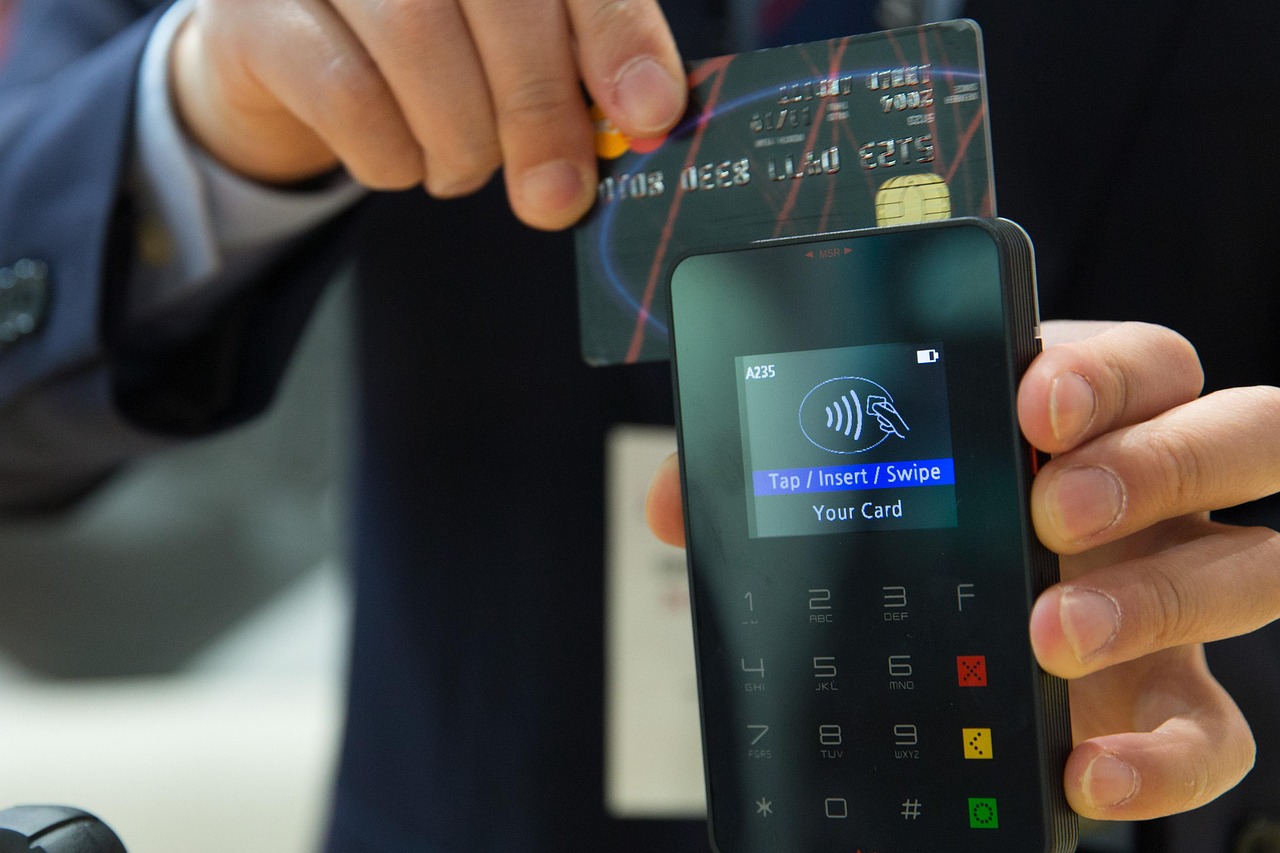
Payment integration — where your card terminal and EPOS communicate directly — eliminates manual keying errors, speeds up checkout and simplifies end-of-day reconciliation. When comparing providers, ask whether card processing fees are bundled or separate, and whether the system supports contactless, mobile wallets and Pay by Link. For a thorough treatment of this area, the guide to EPOS systems with integrated card payments in the UK is well worth reading alongside this article.
How Much Does an EPOS System Cost in the UK?
Pricing varies considerably based on the number of terminals, software tier, payment processing arrangement and whether hardware is purchased outright or bundled into a monthly plan. The following ranges are indicative and based on typical UK market conditions — always request a personalised quote before budgeting.
| Setup Type | Indicative Monthly Cost | Indicative Upfront Hardware Cost | Best Suited To |
|---|---|---|---|
| Single terminal, cloud software | Typically from £30–£80/month (software only) | From approximately £300–£800 | Solo traders, market stalls, pop-ups |
| Small business bundle (1–2 tills) | Typically £50–£150/month (software + support) | From approximately £600–£1,500 | Independent retailers, cafés, small restaurants |
| Multi-terminal retail/hospitality | Typically £150–£400/month | From approximately £1,500–£5,000+ | Medium retailers, busy restaurants, pubs |
| Enterprise / multi-site | Typically £400+/month (negotiated) | Variable; often leased or financed | Groups, franchises, large venues |
Payment processing fees are charged separately to system costs and typically range from around 0.5% to 1.75% per card transaction depending on card type, volume and negotiated rates — you should verify current interchange and scheme fee structures directly with your payment provider, as these are set by card networks (Visa and Mastercard publish their fee schedules publicly). All figures above are approximate guidance only and should not be relied upon as quotes.
Questions to Ask Any EPOS Provider Before You Commit
The quality of a provider's answers to the following questions reveals far more than any brochure:
- What happens if my internet connection fails mid-trading day? — A credible provider should be able to describe their offline mode clearly and specifically.
- Who owns my data, and how can I export it if I switch? — Data portability is a legal right under UK GDPR. Any hesitation here is a red flag.
- What does your support cover — and at what hours? — A restaurant running Friday evening service needs support available on Friday evening, not Monday morning.
- Is software development in-house, and how often are updates released? — Frequent, stable updates suggest an active product team; infrequent or unannounced updates suggest the opposite.
- Can I see a live demo in my specific environment? — A retail configuration and a hospitality configuration are different products. Insist on seeing what you will actually use. You can request a free demo from EPOS Direct UK to experience the system in a low-pressure setting.
It is also worth comparing how providers position themselves against alternatives. The complete comparison guide to EPOS Direct UK vs competitors offers a transparent look at how key features and value propositions stack up in the current market.
Bringing It All Together
Selecting the right EPOS system comes down to one disciplined process: map your real operational requirements first, then evaluate systems against those requirements — not against marketing claims. Prioritise integration depth, support quality and data ownership over superficial feature counts. And always negotiate on total cost of ownership over a three-year horizon, not just the headline monthly figure.
EPOS Direct UK works with independent retailers, hospitality businesses and specialist operators across the United Kingdom every day, helping them identify systems that genuinely fit their workflows and grow alongside them. Whether you are opening your first site or consolidating a growing estate, the team is ready to help you make a confident, informed decision. Talk to an expert online or explore our retail EPOS offers — and if you operate in hospitality, take a look at our hospitality and restaurant EPOS offers to find a solution built for the demands of food and drink service.
Written by the EPOS Direct UK team, who support businesses across the United Kingdom with EPOS and POS system selection, implementation and ongoing service every day.
Frequently asked questions
- What is the difference between a POS system and an EPOS system?
- A traditional POS (Point of Sale) system is a basic till that records transactions. An EPOS (Electronic Point of Sale) system goes further — it combines payment processing with real-time stock management, sales reporting, staff management, and often cloud-based access. For most UK retail and hospitality businesses today, an EPOS system is the practical standard, offering far greater visibility and control over your operation.
- How much should I expect to pay for an EPOS system in the UK?
- Costs vary depending on your setup. A basic single-terminal EPOS system in the UK typically starts from around £300–£600 for hardware (touchscreen till, receipt printer, card reader). Software subscriptions commonly range from £20–£80 per month per terminal depending on features. A full hospitality or multi-site retail setup with multiple terminals, kitchen display screens, and integrated payments can cost £1,500–£5,000+ upfront. Many providers, including EPOS Direct UK, offer leasing and monthly payment options to spread the cost.
- Can I use my existing card payment terminal with a new EPOS system?
- Sometimes, but not always. It depends on whether your current payment provider supports integration with your chosen EPOS software. Many modern EPOS systems offer fully integrated card payments, meaning the till and card terminal communicate automatically — eliminating manual keying errors and speeding up checkout. It is worth checking compatibility before you buy, or opting for an all-in-one solution where hardware and payments are provided together.
