We use cookies to make your experience better.
To comply with the new e-Privacy directive, you agree to the privacy policy and our use of cookies

How to Choose the Right Card Payment Machine for Your Business
How to Choose the Right Card Payment Machine for Your Business
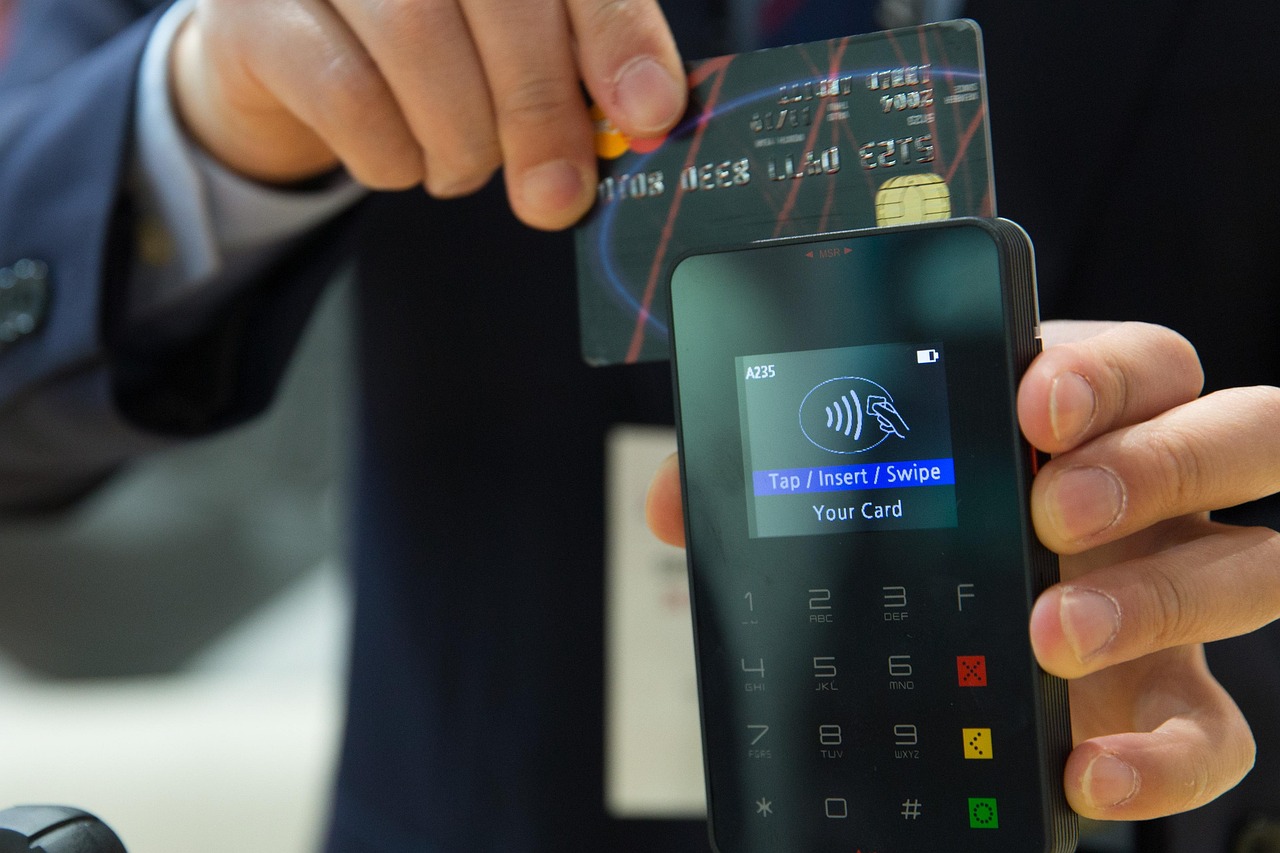
Choosing a card payment machine is one of the most consequential operational decisions a UK business owner makes — the wrong choice costs money, frustrates customers, and locks you into terms that no longer suit you as you grow. The right terminal, however, feels invisible: payments clear quickly, costs are predictable, and the device works seamlessly with the rest of your technology. This guide walks you through every factor worth weighing, from terminal types and transaction fees to integration with your EPOS system, so you can commit to a solution with genuine confidence.
What Types of Card Payment Machines Are Available in the UK?
The UK market offers four main categories of card terminal, each suited to a different operational context:
- Countertop terminals — Wired via Ethernet or broadband, these offer the most stable connection and are the workhorse choice for fixed retail counters and reception desks. They are typically the lowest-cost hardware option.
- Portable (cordless) terminals — Connected over Wi-Fi, these allow staff to take payment anywhere within a premises — ideal for table-service restaurants, hotel lobbies, or trade counters where the customer should not leave their seat.
- Mobile (GPRS/4G) terminals — SIM-enabled devices that work wherever there is a mobile signal. The natural choice for market traders, mobile beauticians, delivery drivers, and field-service engineers.
- Integrated EPOS card readers — Hardware that communicates directly with your point-of-sale software, removing the need to re-key the transaction total and eliminating a major source of human error. For a detailed comparison of combined solutions, see our guide to card machine and till system combinations for UK businesses.
Some providers also offer software-only solutions — a payments app paired with a card reader dongle that plugs into a tablet or smartphone. These suit very low-volume sellers but rarely scale gracefully into a busy retail or hospitality environment.
Key Features to Look for in a Card Payment Terminal
Hardware spec sheets can be misleading. Focus on the features that genuinely affect day-to-day trading:
Acceptance capabilities
- Chip and PIN — Still the regulatory baseline for in-person card payments.
- Contactless (NFC) — Including Apple Pay, Google Pay, and Garmin Pay. The UK contactless limit for consumer cards is set by the Financial Conduct Authority (FCA) and card schemes; always verify the current limit on the FCA or UK Finance website, as it has changed in recent years.
- Magstripe fallback — Increasingly rare but occasionally needed for older international cards.
Connectivity and reliability
A terminal that drops its connection during a lunch rush is not a small inconvenience — it costs sales and damages trust. Look for dual connectivity (Wi-Fi plus 4G fallback) on portable devices, and confirm the provider's uptime SLA before signing anything.
Battery life
For portable and mobile terminals, real-world battery life under continuous use matters far more than the manufacturer's headline figure. Ask your provider for a realistic working-day estimate, particularly if you run long shifts or outdoor events.
Receipt options
Printed, SMS, email, or no receipt — customers increasingly prefer digital receipts, but a built-in printer remains standard for many retail and hospitality settings.
Security and compliance
Every terminal sold by a reputable UK provider should be PCI DSS compliant and carry the relevant card scheme certifications. Do not assume — ask to see the compliance documentation.
Understanding Transaction Fees and Contract Terms
This is where many businesses get caught out. The advertised rate is rarely the whole story.
Fee structures to compare
- Blended rate — A single percentage applied to all card types. Simple to understand, but often more expensive for businesses that accept many debit cards.
- Interchange-plus (IC+) — You pay the card scheme's interchange cost plus a fixed markup. More transparent and frequently cheaper at higher volumes.
- Monthly service charge — A fixed fee covering terminal rental, gateway access, or software licencing.
- Minimum monthly service charge (MMSC) — If your transaction fees fall below a floor set by the provider, you pay the difference. Check this carefully if your business is seasonal.
- Authorisation fees — A small per-transaction charge applied on top of the percentage rate by some providers.
Indicative cost ranges for UK businesses
The following ranges are approximate market guidance only — actual costs depend on your card mix, monthly volume, and the specific provider you choose. Always request a personalised quote.
| Business type | Typical monthly volume | Indicative transaction rate range | Indicative monthly terminal cost |
|---|---|---|---|
| Solo trader / mobile worker | Under £5,000 | 1.5%–2.5% (blended) | £0–£20 (pay-as-you-go models available) |
| Small independent retailer | £5,000–£30,000 | 0.8%–1.6% | £15–£40 per terminal |
| Restaurant or café | £10,000–£50,000 | 0.6%–1.4% | £15–£45 per terminal |
| Multi-site retail or hospitality | £50,000+ | Negotiated IC+ (often below 0.5% on debit) | Volume-based agreements |
Contract length and exit terms
Standard contracts run from 12 to 48 months. Shorter terms offer flexibility; longer terms sometimes unlock better rates. Always establish the early-termination fee before signing — some providers charge the full remaining contract value. If you are weighing up a monthly subscription model against an outright purchase, our comparison of monthly EPOS subscriptions versus outright purchase covers the financial trade-offs in detail.
How to Match a Card Machine to Your Business Type
Terminal choice should follow your trading pattern, not a provider's sales pitch.
- Bricks-and-mortar retail — A countertop terminal integrated directly with your EPOS till is almost always the right call. Explore our practical buyer's guide to the best till systems for small businesses for context on how terminals and tills interact.
- Table-service restaurants and bars — Portable Wi-Fi terminals let staff take payment tableside, which reduces walk-offs, speeds up table turns, and improves the guest experience. View our hospitality and restaurant EPOS offers for a sense of integrated solution options.
- Markets, pop-ups, and mobile services — A 4G-enabled mobile terminal is non-negotiable. Our guide to the best wireless card machines for small businesses compares leading portable options.
- Healthcare and pharmacy — Compliance requirements add a layer of complexity; a terminal integrated with specialist software is strongly advisable. You can book a pharmacy EPOS software demo to see how a fully integrated system handles these requirements.
- High-footfall fast food and quick service — Speed is paramount; look for terminals with fast chip-and-PIN response times and robust contactless acceptance, ideally integrated with kitchen display systems.
Integrating Your Card Terminal with an EPOS System
An unintegrated terminal — one that sits beside your till but does not communicate with it — means staff must manually enter the amount on the card machine after ringing up the sale. That double-entry is a source of errors, voids, and fraud. True integration sends the total directly from your EPOS software to the terminal, reconciles card takings automatically, and feeds transaction data back into your reporting.
For businesses ready to upgrade beyond a standalone card reader, our comprehensive guide to EPOS systems with integrated card payments covers the leading UK options in detail. If you are still running a traditional cash register and wondering whether integration is within reach, our guide on switching from a cash register to a modern EPOS system sets out the process clearly.
To explore EPOS Direct's own integrated payment solutions, browse our EPOS software or request a free demo tailored to your sector.
Questions to Ask Before Committing to a Provider
A few pointed questions at the sales stage can save considerable frustration later:
- What is the total monthly cost, including all fees, at my expected card volume? Ask the provider to model this for you in writing — a reputable supplier will do so without hesitation.
- Does the terminal integrate natively with my EPOS software, or via a third-party middleware? Native integrations are more reliable; middleware adds a dependency that can break when either system updates.
- What happens if the terminal fails during trading hours? Establish the replacement SLA — next business day is standard, but some providers offer same-day courier for mission-critical environments.
- What are the settlement times? Most providers settle within one to three business days; some offer next-day settlement as standard, others as a premium add-on.
- Is the hardware owned or rented, and who is responsible for repairs? Rented hardware is typically covered by the provider; purchased hardware may require separate insurance or a support contract.
If you would prefer to talk through these questions with a specialist, you can talk to an expert online at EPOS Direct — no obligation, no sales script.
Common Mistakes to Avoid
Experience working with UK businesses across retail, hospitality, and specialist sectors reveals the same errors appearing repeatedly:
- Choosing on transaction rate alone — A low headline rate attached to a high MMSC, long contract, and expensive hardware rental can cost more than a slightly higher rate with no monthly minimums and a short term.
- Ignoring the total cost of ownership — Factor in hardware costs, gateway fees, PCI compliance charges (some providers charge a monthly PCI fee), chargeback handling fees, and any software licencing tied to the terminal.
- Overlooking scalability — A solution that works for one terminal today should accommodate five terminals across two sites in two years without requiring a completely new contract.
- Failing to test before signing — If a provider will not offer a demo or trial period, that is a meaningful signal about how they treat customers post-sale.
- Assuming all card machines accept all payment types — Confirm American Express acceptance explicitly if you trade in sectors where Amex is common (hotels, premium retail, corporate hospitality). Acceptance rates differ from standard Visa/Mastercard rates.
- Not reading the chargeback policy — Understand the process, timescales, and fees involved before a dispute arises, not after.
For a direct comparison of how different integrated till-and-payment systems stack up, our complete 2026 till system comparison guide is a useful reference point before you make a final decision.
The Direct Answer: What Should You Prioritise?
If you need a concise steer: match the terminal type to your physical environment (countertop for fixed retail, portable for table service, mobile for on-the-go trading), insist on native integration with your EPOS software, and evaluate total monthly cost — not headline rate alone — across the full contract term. A provider that will model your real costs transparently and replace a failed terminal within hours is almost always worth more than one offering a marginally lower transaction fee with poor support behind it.
Ready to Find the Right Setup for Your Business?
EPOS Direct UK works with independent retailers, hospitality operators, pharmacies, and multi-site businesses across the United Kingdom — helping them choose, configure, and integrate card payment solutions that fit the way they trade. Visit the EPOS Direct UK home page to explore our current offers and product range, or take the next step now:
- View our retail EPOS offers — configured packages with integrated card payments for shops and independents.
- Book a restaurant EPOS software demo — see tableside payment and kitchen integration in action.
- Request a call back — speak with a specialist who can model the real monthly cost for your business.
Written by the EPOS Direct UK team, who support UK retail and hospitality businesses every day with EPOS and payment technology decisions.
Frequently asked questions
- What is the difference between a countertop, portable, and mobile card machine?
- A countertop machine connects via a fixed phone or broadband line and suits businesses with a permanent checkout, such as a shop or reception desk. A portable machine uses Bluetooth or Wi-Fi so staff can take payments table-side or anywhere within range — ideal for restaurants and cafes. A mobile machine uses a SIM card and works anywhere with a mobile signal, making it perfect for market traders, pop-ups, or field-based services. Your trading environment should drive which type you choose.
- How much does a card payment machine cost for a small UK business?
- Costs vary significantly depending on the provider and contract type. Outright purchase of a terminal typically ranges from £50 to £300. Monthly rental agreements usually cost between £15 and £40 per month. Transaction fees generally range from 0.3% to 1.75% per card transaction, depending on card type and your monthly turnover. Some providers, like SumUp or Square, charge a flat per-transaction rate with no monthly fee, which suits very low-volume businesses. For higher-volume retailers or hospitality businesses, a negotiated merchant services contract integrated with a full EPOS system often delivers better overall value.
- Can I connect a card payment machine directly to my till or EPOS system?
- Yes, and doing so is strongly recommended for retail and hospitality businesses. An integrated card terminal communicates directly with your EPOS software so that the transaction amount is sent automatically to the terminal, reducing manual keying errors and speeding up checkout. It also means sales data, end-of-day reports, and refunds are all managed in one place. When choosing a card machine, always confirm it is compatible with your EPOS platform before signing any agreement.
