We use cookies to make your experience better.
To comply with the new e-Privacy directive, you agree to the privacy policy and our use of cookies


Best Portable Card Machines for UK Market Traders: What to Look For
Portable Card Payment Machines for Market Traders in the UK
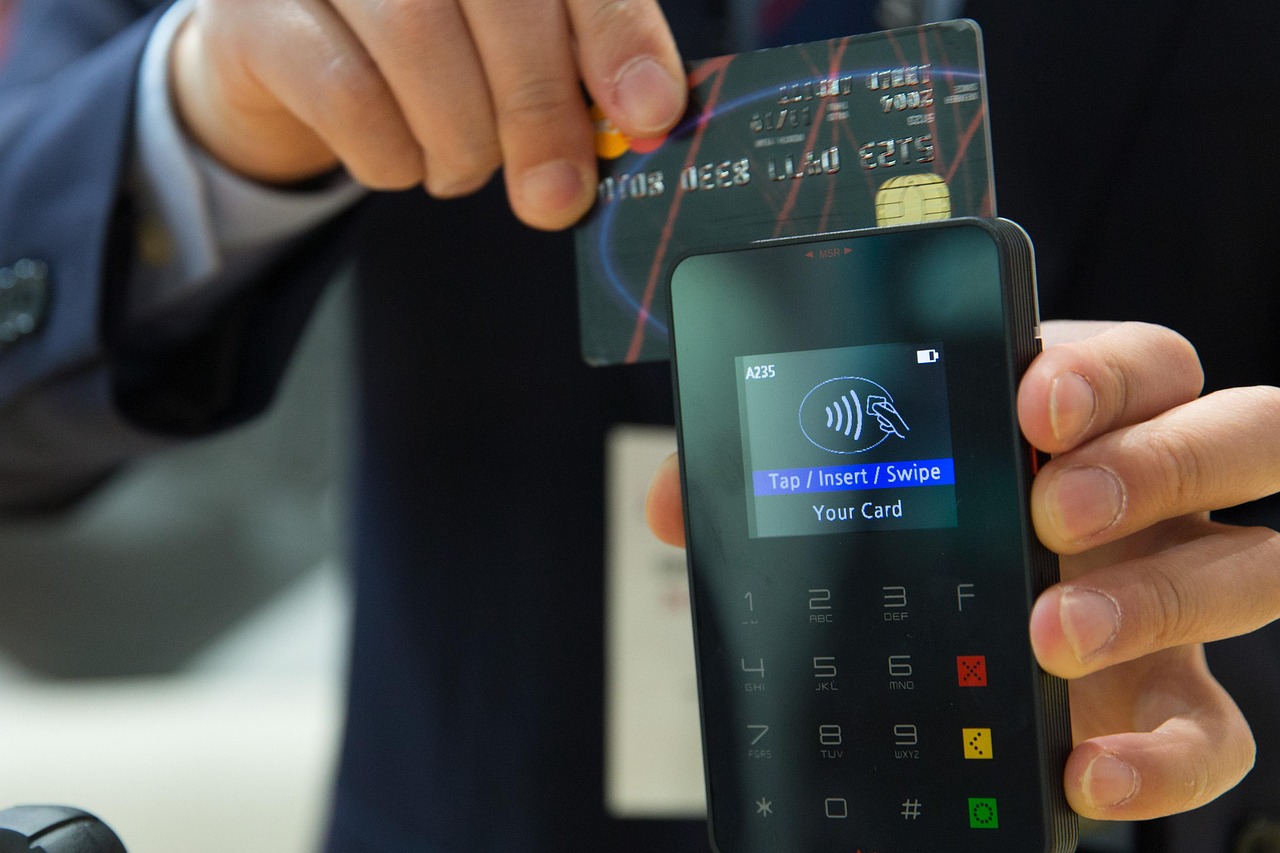
For market traders across the UK, accepting card payments is no longer optional — customers increasingly arrive without cash, and a reliable portable card payment device can be the difference between a sale made and a sale lost. The good news is that today's market-ready card machines are genuinely compact, resilient, and capable of running a full trading day on a single charge, with connectivity options that work even on busy outdoor pitches. This guide, written by the EPOS Direct UK team who support businesses across the country every day, walks you through everything you need to choose, cost, connect, and operate the right solution for your stall.
Why Market Traders Need a Reliable Portable Card Payment Device
The shift away from cash has accelerated significantly since the early 2020s, and outdoor retail environments have felt it acutely. Farmers' markets, craft fairs, street food pitches, and traditional covered markets now see a substantial proportion of customers who carry no cash at all. Beyond customer expectation, there are practical business reasons to have a robust card acceptance solution:
- Higher average transaction values: Customers paying by card tend to spend more freely than when counting out notes and coins.
- Reduced cash handling risk: Less physical cash on the stall means less exposure to theft and fewer end-of-day reconciliation errors.
- Professionalism and trust: A card machine signals that you are a legitimate, established trader — important for first-time customers.
- Competitive pressure: If the stall next to yours accepts card and you do not, the customer will move along.
None of these advantages matter, however, if your card machine loses its signal mid-transaction, runs flat by noon, or is so bulky that it takes up half your counter space. That is why the specification of the device matters enormously for outdoor trading.
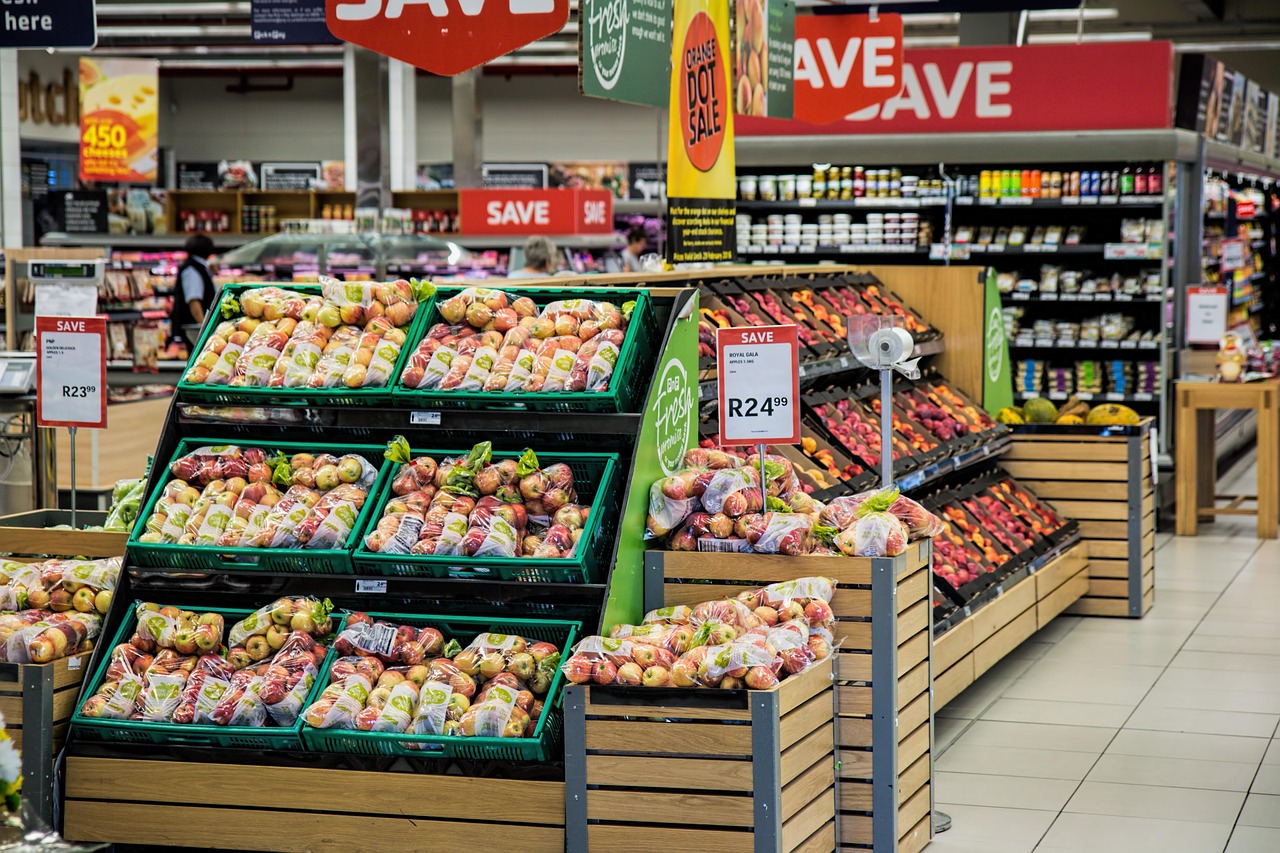
Key Features to Look for in a Market-Ready Card Payment Device
Not every card machine designed for retail shops is suited to the demands of outdoor trading. Here are the criteria that genuinely matter when you are choosing a device for a market pitch:
Connectivity
A market-ready machine should support at least two connectivity modes. 4G/SIM-based connectivity is typically the most reliable for outdoor locations where there is no Wi-Fi. Some devices also support Wi-Fi as a fallback. Look for machines that can switch between networks automatically rather than requiring manual intervention mid-sale.
Battery Life
A standard trading day at a UK market can run six to ten hours. Your card machine needs to last the full session without needing a charge. Look for a stated battery life of at least eight hours of active use, and check whether the device supports USB-C charging so you can top up from a portable power bank if needed.
Durability and Build Quality
Outdoor pitches expose equipment to dust, moisture, and the occasional knock. Devices with an IP-rated enclosure (indicating dust and splash resistance) are significantly more appropriate than consumer-grade hardware. A robust rubberised casing also helps with accidental drops.
Print or Digital Receipts
Some traders prefer a built-in thermal receipt printer; others send SMS or email receipts to reduce consumable costs. Consider which suits your customers and your pitch setup. Printerless models are lighter and have longer battery life.
Card and Payment Method Acceptance
Ensure the device accepts chip-and-PIN, contactless (including Apple Pay, Google Pay, and Samsung Pay), and all major card schemes — Visa, Mastercard, and American Express. Contactless transactions, in particular, are the norm at markets where speed of service is critical.
Ease of Use
You may be handling a queue of customers with cold hands on a winter Saturday. A large, clear touchscreen, logical menu flow, and quick transaction approval times all reduce friction for both you and your customer.
Solution Tiers: Comparing the Main Approaches for Market Traders
There is no single "best" option — the right solution depends on your trading volume, whether you also have a fixed location, and how deeply you want to integrate payments with your wider stock management. The table below compares the main approaches available to UK market traders.
| Solution Tier | Best For | Typical Monthly Cost | Transaction Fee Range | Integration with EPOS |
|---|---|---|---|---|
| Standalone portable card machine (SIM-based, no contract) | Occasional or part-time traders, low volume | No monthly fee; pay-per-use | Typically 1.5%–2.5% per transaction | None — manual reconciliation |
| Portable card machine with low monthly plan | Regular traders, moderate volume | Typically from £10–£25/month | Often 0.5%–1.5% per transaction | Limited — summary reports only |
| Integrated EPOS terminal with portable card reader | Full-time traders, multiple lines, stock control | Typically from £30–£60/month | Negotiated rates, often lower at volume | Full — real-time stock, sales reporting |
| Combined EPOS and card machine (all-in-one) | Traders with a permanent pitch or indoor market | Typically from £40–£80/month | Negotiated; included in bundle | Seamless — single system, single supplier |
If you are just starting out and unsure about your trading volume, our guide to card machines with no monthly fee for UK businesses explains the pay-as-you-go model in detail and helps you work out whether a contract plan would save you money at your volume.
How Much Does a Portable Card Machine Cost for Market Traders?
Cost is one of the first questions traders ask, and the honest answer is that it depends on your transaction volume and whether you want an integrated EPOS solution or a standalone device. Here is a realistic breakdown of what you can expect to pay in the UK market:
- Hardware: Entry-level portable card readers are typically available from around £20–£50 outright, while more capable 4G Android-based terminals with integrated screens and longer battery life typically range from £100–£300 depending on the provider and any contract terms.
- Monthly service fees: No-contract pay-as-you-go options carry no monthly fee but higher per-transaction percentages. Monthly plans typically start from around £10–£20 for basic payment-only packages and rise to £30–£60 or more where EPOS software and reporting are included.
- Transaction fees: These vary considerably by provider, card type, and scheme. Indicatively, most UK traders on standard retail plans see effective rates somewhere between 0.75% and 2.5% per transaction. Negotiated flat-rate plans can bring this down for higher-volume operations.
- Additional costs to consider: SIM data costs (often bundled by the provider), thermal paper rolls if your device has a printer, and any chargeback or currency conversion fees for international cards.
For a full-time market trader turning over a meaningful weekly sum, the maths almost always favours a monthly plan with a lower transaction rate over pay-as-you-go. Use your average weekly card takings to estimate the break-even point before committing.
Connectivity and Battery Life: What Really Matters Outdoors
This is the area where market traders are most frequently let down by devices chosen without outdoor use in mind. A machine designed for a Wi-Fi-equipped shop can become entirely useless on an outdoor pitch with no broadband access.
4G Versus Wi-Fi
4G SIM connectivity is the gold standard for market use. A good 4G terminal will connect to whichever mobile network has the strongest signal at that location, and many modern devices support dual-SIM or automatic network switching. Before committing to a device, check which mobile networks the SIM supports and verify coverage in the areas where you trade. Ofcom's coverage checker (available at ofcom.org.uk) allows you to look up 4G availability by postcode or area.
Offline Mode
Some terminals can operate in a limited offline mode, storing transactions locally and processing them when connectivity is restored. This is a useful safety net — but check the provider's exact terms, as offline transactions may be declined or subject to liability if the card is later found to be fraudulent.
Battery Performance in Cold Weather
Lithium batteries lose capacity in low temperatures. If you trade through winter markets, a device rated for eight hours in lab conditions may deliver noticeably less in cold outdoor conditions. Consider a device that supports charging via a USB power bank, and carry a backup.
For a broader look at wireless device options, our guide to the best wireless card machines for small businesses in the UK covers the technical specifications worth comparing across leading device types.
How to Integrate a Card Machine with Your Market Trader EPOS System
Many market traders start with a standalone card machine and a manual or app-based stock list, then find themselves frustrated by the time spent reconciling card sales against their inventory at the end of each day. Integrating your card machine with an EPOS system solves this problem elegantly.
A properly integrated setup means that every card transaction automatically updates your stock count, feeds into your daily sales report, and requires no separate end-of-day reconciliation between your card terminal totals and your till receipts. For traders who run multiple product lines or track best sellers to inform restocking decisions, this is genuinely transformative.
EPOS Direct's retail systems are designed to work with portable card readers in exactly this way, giving you a single view of your trading day regardless of whether you are on a Saturday morning market pitch or fulfilling online orders at home. You can explore the full capabilities of our EPOS systems with integrated card payments to see how a connected solution compares to running separate tools.
If you are also considering a combined terminal — where the EPOS software and card payment hardware are housed in a single device — our detailed guide to card machine and till system combinations explains how these all-in-one setups work and who they suit best.
Ready to see the software in action? You can book a retail EPOS software demo directly online and see how the system handles a typical market trading scenario before committing to anything.
Common Questions Market Traders Ask Before Buying
Can I use a card machine without a business bank account?
Most payment providers in the UK require at least a UK bank account for settlement, and many require a business account for commercial use. Sole traders using a personal account may be accepted by some providers but should check the terms carefully, as some providers require a business account to be opened before they will process card payments.
What happens if my card machine loses signal mid-transaction?
This depends on the terminal and provider. In most cases, an interrupted transaction will either time out and require the customer to re-present their card once connectivity is restored, or — on devices with offline mode — it will be stored locally. Always ensure your terminal's offline policy is clearly explained before you rely on it at a busy event.
Do I need a separate contract for each market I trade at?
No. A portable card machine with a 4G SIM travels with you and works wherever you have mobile coverage. Your payment processing contract is with your provider, not with any specific market or venue. You take the machine wherever you trade.
Getting Started: How to Order and Set Up Your Card Machine with EPOS Direct
EPOS Direct supplies portable card payment solutions to traders and small businesses across the UK, with options ranging from lightweight standalone readers to fully integrated EPOS and payments bundles. Our team works with market traders regularly and understands the specific demands of outdoor retail — short setup windows, variable connectivity, and the need for everything to simply work from the moment you open your stall.
Getting started is straightforward:
- Assess your needs: Think about your average weekly card turnover, whether you need stock management, and the environments you trade in. If you are unsure, our practical guide to till systems for small businesses offers a useful framework for mapping requirements before you buy.
- Explore offers online: Browse our current retail EPOS offers to see current configurations and pricing for portable and integrated solutions.
- Talk to a specialist: Our team can help you choose between solution tiers, connectivity options, and integration levels. Talk to an expert online — no commitment required, just straightforward guidance.
- Request a demo or call back: If you would prefer to see everything in context, request a free demo or request a call back and one of our team will walk you through the options at a time that suits your trading schedule.
For a broader overview of everything EPOS Direct offers — from card readers to full EPOS suites — visit the EPOS Direct home page for current offers and information.
Conclusion
Choosing the right portable card payment solution for your market stall is not simply about picking the cheapest device. It is about finding a machine with the battery life, connectivity, and integration capabilities to support a full trading day — reliably, every week, in all conditions. Whether you are a part-time craft seller or a full-time food market trader, EPOS Direct has solutions designed to meet those demands without over-engineering the setup.
If you are ready to take the next step, talk to one of our EPOS Direct specialists online today — and start accepting card payments with confidence at your very next market.
Frequently asked questions
- What is the best type of card machine for an outdoor market stall in the UK?
- For outdoor UK market stalls, look for a 4G-enabled portable card machine with a long battery life of at least 8 hours, IP-rated weather resistance, and support for contactless, chip-and-PIN, and mobile wallet payments like Apple Pay and Google Pay. Devices that integrate with an EPOS system let you track sales and stock in real time, even away from a fixed location.
- How much does a card machine typically cost for a market trader in the UK?
- In the UK, portable card machines for market traders generally range from around £20 to £100 upfront if purchased outright, with some providers offering them free on a monthly contract. Transaction fees typically sit between 1.5% and 2.75% per card payment, depending on your provider and monthly turnover. Monthly rental plans can range from £10 to £30 per month. EPOS Direct offers competitive pricing tailored to smaller retail and market businesses — contact the team for a personalised quote.
- Do I need a Wi-Fi connection to use a portable card machine at a market?
- No. Most modern portable card machines designed for market traders use 4G SIM connectivity, so they work anywhere with a mobile signal — no Wi-Fi required. This makes them ideal for outdoor markets, car boot sales, and pop-up events. Always check the device supports 4G and has a strong signal in your typical trading location before committing.
