We use cookies to make your experience better.
To comply with the new e-Privacy directive, you agree to the privacy policy and our use of cookies

How to Choose the Right POS System for Your Business: A Complete Buyer's Guide
How to Choose the Right POS System for Your Business: A Complete Buyer's Guide
Choosing the right electronic point-of-sale system is one of the most consequential technology decisions a UK business owner makes — it shapes how you serve customers, manage stock, report on performance, and ultimately grow. The right system will pay for itself many times over; the wrong one creates daily friction and expensive regret. This guide walks you through every key decision, from hardware configurations and software features to realistic UK pricing, so you can buy with confidence.
What Is a POS System and Why Does Your Business Need One?
A point-of-sale (POS) system — or EPOS (electronic point of sale) system — is the combination of hardware and software that processes customer transactions, manages your product catalogue, and generates the business intelligence you need to make informed decisions. Modern EPOS platforms go far beyond accepting payment: they track stock in real time, integrate with accounting tools such as Xero and Sage, manage staff rotas, and produce detailed sales reports by product, time of day, or location.
For a retailer, café, restaurant, or service business operating without a proper EPOS system, the costs are largely invisible — shrinkage goes undetected, popular lines run out unannounced, and end-of-day reconciliation eats hours. Upgrading from a cash register to a full EPOS setup is often transformative; our guide on how to switch from a cash register to a modern EPOS system explains what to expect from that transition.
Types of POS Systems: Which Setup Suits Your Business?
Hardware and software configurations vary enormously across sectors and business sizes. Understanding the main categories prevents you from over-specifying (and overpaying) or under-specifying (and creating bottlenecks).
Fixed countertop terminals
The classic all-in-one touchscreen till is ideal for high-volume retail counters, pharmacy dispensing points, and busy bar or café serveries. A robust countertop terminal processes transactions quickly and typically connects to a barcode scanner, receipt printer, and cash drawer. If your business runs a single or dual point of sale in a fixed location, this remains the most reliable and cost-effective configuration.
Mobile and tablet-based systems
iPad or Android tablet systems mounted on stands — or used entirely handheld — suit businesses that need flexibility: pop-up shops, table-side ordering in restaurants, market stalls, or salons where staff move between stations. The trade-off is battery management and the need for robust Wi-Fi or 4G coverage. Our detailed overview of the best till systems for small businesses in the UK covers how tablet-based systems compare for lower-volume operations.
Multi-terminal and multi-site systems
Larger retailers, restaurant groups, or hospitality chains need systems that synchronise inventory and reporting across multiple tills or locations in real time. Cloud-based EPOS platforms handle this elegantly, centralising your product library and reporting dashboard so head office always has an accurate picture of what is happening across every site.
Integrated card payment systems
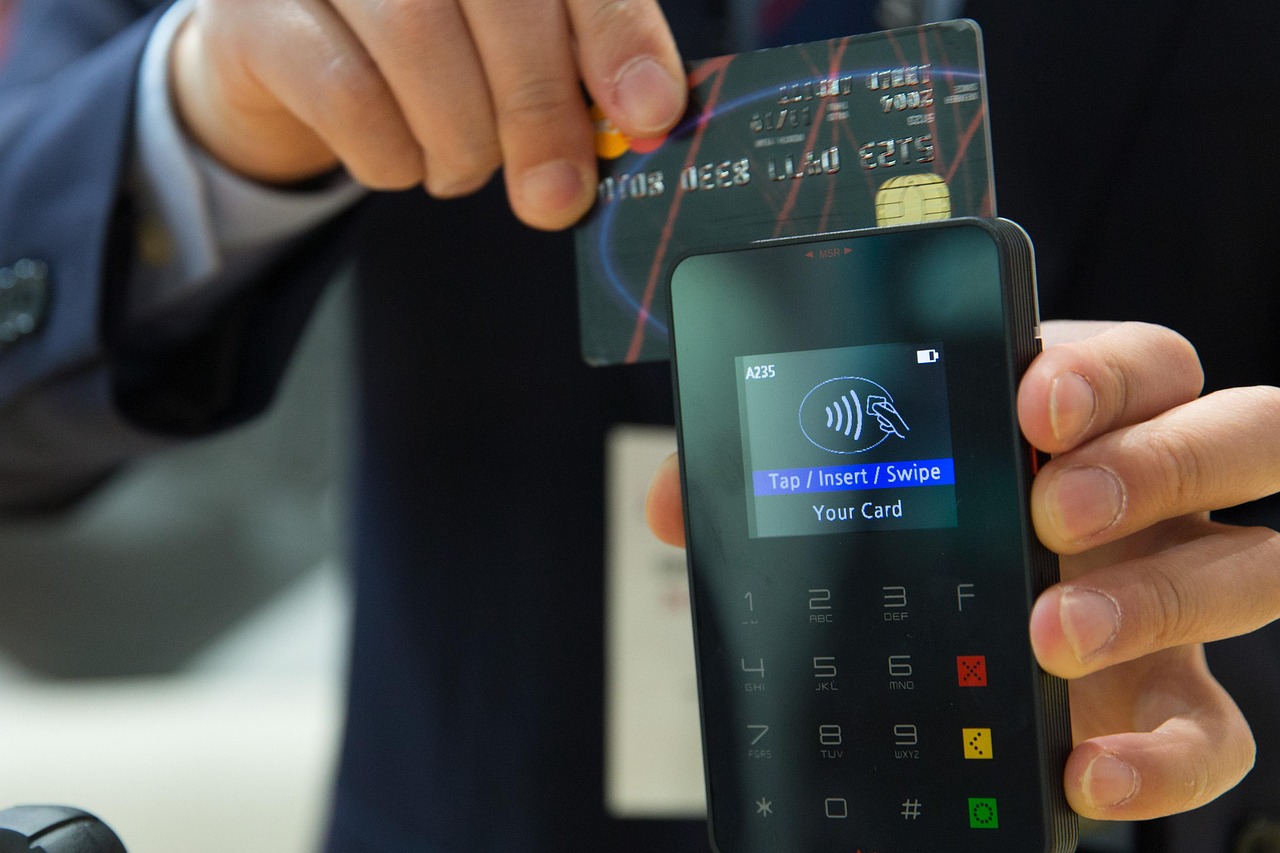
One of the most important decisions is whether to use a fully integrated card payment setup — where the EPOS software and payment terminal communicate seamlessly — or a standalone card machine. Integration eliminates manual keying errors, speeds up checkout, and simplifies end-of-day reconciliation. Read our complete guide to card machine and till system combined solutions for a thorough breakdown of how integrated payment works in practice.
Essential Features to Look for in a Modern EPOS System
Not all EPOS software is created equal. Before you compare quotes, establish which capabilities are genuinely essential for your operation versus which are attractive extras you are unlikely to use.
- Real-time stock management: Automatic stock deduction on every sale, low-stock alerts, and purchase order generation are non-negotiable for any business with meaningful product range.
- Integrated card payments: A system that talks directly to your payment terminal removes human error and dramatically speeds up reconciliation. Our guide to EPOS systems with integrated card payments in the UK explores what to look for in a payment-ready platform.
- Reporting and analytics: Hourly, daily, and weekly sales reports; best-seller analysis; margin tracking; and staff performance summaries should all be available within a few taps.
- CRM and loyalty: Customer profiles, purchase history, and loyalty point schemes drive repeat visits and are now expected by customers in retail, hospitality, and beauty sectors.
- Multi-channel and online integration: If you sell via an e-commerce platform alongside your physical store, ensure the EPOS system can synchronise stock levels and orders automatically.
- Offline functionality: A cloud-based system should keep processing transactions even when internet connectivity drops, syncing data once the connection is restored.
- Role-based staff access: Different permission levels for managers, supervisors, and cashiers protect your business and create a clear audit trail.
- Compliance-ready reporting: VAT reporting, Making Tax Digital (MTD) compatibility, and HMRC-compliant till receipts are essential for UK businesses. Always verify current HMRC requirements at gov.uk.
If you would like to see these features in action before committing, EPOS Direct offers sector-specific software demonstrations: retail EPOS software demo, restaurant EPOS software demo, and pharmacy EPOS software demo — all available online with no obligation.
How Much Does a POS System Cost in the UK?
UK EPOS pricing spans a wide range depending on hardware specification, software tier, payment processing rates, and whether you buy outright or subscribe monthly. The following are honest indicative ranges based on typical market pricing — they are guidance only, not quotes.
| Business Type | Typical Hardware Cost | Typical Software Cost | Best Fit |
|---|---|---|---|
| Single-till small retailer or café | Typically from £400–£900 outright | Typically from £30–£60/month (SaaS) or included with hardware bundle | Independent shops, market traders, small cafés |
| Restaurant or pub (1–3 terminals) | Typically £800–£2,500 for a full kit including kitchen printer | Typically £50–£120/month depending on features | Table-service restaurants, pubs, bistros |
| Multi-till retail or hospitality group | Typically £1,500–£5,000+ depending on terminal count | Typically £100–£300+/month for multi-site licences | Chains, franchises, department stores |
| Pharmacy or specialist sector | Typically £600–£1,800 per terminal | Specialist software pricing varies; request a tailored quote | Pharmacies, opticians, health & beauty |
The outright-purchase versus monthly-subscription question deserves careful thought. Outright purchase means higher upfront cost but lower long-term outlay; subscription models spread cost and typically include software updates and support. For a thorough financial analysis, our guide on monthly EPOS subscription versus outright purchase lays out the real numbers and decision criteria clearly.
Remember to factor in card processing fees, which are charged by your payment provider on every transaction and are separate from your EPOS software cost. These are regulated in the UK; the Payment Systems Regulator (PSR) publishes current interchange and scheme fee guidance at psr.org.uk.
Cloud-Based vs On-Premise POS: Which Is Right for You?
This is the question most buyers wrestle with longest, and the answer depends on your connectivity environment, IT resource, and growth plans.
Cloud-based EPOS
Software runs on remote servers; you access it via an internet connection. Updates are automatic, data is backed up continuously, and you can view reports from any device anywhere. Most new installations in UK retail and hospitality choose cloud-based systems for exactly these reasons. The dependency on internet connectivity is the main consideration — look for systems with robust offline mode as a safeguard.
On-premise EPOS
Software and data live on a local server on your premises. This suits businesses in locations with unreliable broadband, or those with strict data-sovereignty requirements (certain healthcare or financial environments, for example). On-premise systems typically require a local IT resource for maintenance and updates, and hardware investment is higher upfront.
For the vast majority of UK small and medium businesses, a cloud-based EPOS with solid offline capability is the pragmatic and future-proof choice.
Common Mistakes to Avoid When Buying a POS System
Experienced EPOS consultants see the same avoidable errors repeatedly. Knowing them in advance saves you significant time, money, and frustration.
- Buying on price alone: The cheapest system rarely includes adequate support, training, or a realistic upgrade path. Total cost of ownership over three to five years is the figure that matters.
- Ignoring integration requirements: Confirm that your EPOS system works with your existing accounting software, e-commerce platform, and payment provider before you sign anything.
- Underestimating staff training time: A powerful system is worthless if your team cannot use it confidently under pressure. Ask suppliers how training is delivered and what ongoing support looks like.
- Locking into proprietary payment processing: Some vendors bundle hardware with mandatory payment processing at uncompetitive rates. Always verify what payment providers the system supports.
- Not testing the offline mode: Simulate a broadband failure during any demo. If the system freezes or loses data, that is a serious operational risk.
- Skipping the supplier due-diligence step: Check that the supplier has genuine UK-based support, verifiable case studies in your sector, and a clear process for hardware replacements and software escalations.
How to Choose the Right POS Supplier in the UK
The supplier relationship matters as much as the system itself — you will rely on them for installation, training, and ongoing support for years. Here are the due-diligence questions that separate confident buyers from regretful ones.
- Do they specialise in your sector? A supplier with deep experience in retail, hospitality, or pharmacy will have pre-configured workflows, better support scripts, and more relevant case studies. Generic IT resellers often struggle with sector-specific requirements.
- What does UK-based support look like? Confirm support hours, response time commitments, and whether you will speak to a technically qualified UK team or be routed to an overseas call centre.
- Can you see a live demo tailored to your business? Any serious supplier should be willing to walk you through the system using your product types, menu structure, or service workflows — not a generic demonstration.
- How do they handle hardware failure? Ask specifically: if your till fails on a Saturday morning, what happens? Next-business-day replacement is the minimum acceptable standard for most businesses.
- Are contract terms transparent? Review minimum contract lengths, cancellation clauses, and what happens to your data if you leave. GDPR obligations mean data portability is both a legal right and a practical requirement.
If you are evaluating multiple providers, our independent comparison resource — EPOS Direct vs competitors: a complete till system guide — gives you a structured framework for assessing the differences. For wireless payment flexibility, our overview of the best wireless card machines for small businesses in the UK is also worth reading alongside your EPOS research.
EPOS Direct UK serves businesses across retail, hospitality, pharmacy, and specialist sectors from our UK base. Talk to an expert online to discuss your specific requirements — no scripts, no pressure, just experienced advice from people who configure these systems every day.
Making Your Final Decision: A Quick-Reference Summary
The right EPOS system is the one that fits your sector, scales with your growth, integrates with the tools you already use, and is backed by a supplier who will be genuinely responsive when you need help. A system bought on price alone, without verifying integration compatibility or support quality, is a false economy that costs far more in lost time and trading disruption than the initial saving was ever worth.
Start by defining your non-negotiable features, set a realistic total-cost-of-ownership budget, and then request live demonstrations — not recorded videos — from your shortlisted suppliers. The EPOS Direct UK team helps businesses across the UK navigate exactly this process every day, matching the right system to the right operation without overselling or overcomplicating.
Explore the full range of solutions and current offers on the EPOS Direct UK home page, or go directly to our sector pages: retail EPOS offers and hospitality and restaurant EPOS offers. Ready to see the software for yourself? Request a free demo and we will arrange a session tailored to your business type and size — at a time that suits you.
Written by the EPOS Direct UK team, who help UK retail, hospitality, and specialist businesses select, configure, and get the best from their EPOS systems every day.
Frequently asked questions
- How much should I expect to pay for a POS system in the UK?
- Costs vary depending on your setup. A basic single-terminal retail POS system in the UK typically starts from around £300–£600 for hardware, with software subscriptions ranging from £20 to £100 per month. A full hospitality or multi-terminal setup can cost £1,000–£3,000+ upfront. Some suppliers, including EPOS Direct UK, offer bundled packages with hardware, software, and support included, which can reduce upfront costs significantly.
- What features should a good EPOS system have for a retail shop?
- For retail, look for real-time stock management, barcode scanning, integrated card payments, customer loyalty tools, sales reporting, and multi-location support if you run more than one site. Cloud-based access so you can check performance remotely is increasingly essential.
- Can I use my existing payment terminal with a new POS system?
- Not always. Many modern EPOS systems integrate directly with specific payment processors or card terminals to enable seamless end-of-day reconciliation. Before buying, confirm which payment providers your chosen POS supports and whether your existing terminal is compatible — otherwise you may face additional integration costs.
