We use cookies to make your experience better.
To comply with the new e-Privacy directive, you agree to the privacy policy and our use of cookies


How Much Does a POS System Cost for UK Businesses? A Complete Pricing Guide
How Much Does a POS System Cost? UK Pricing Explained for Retail & Hospitality
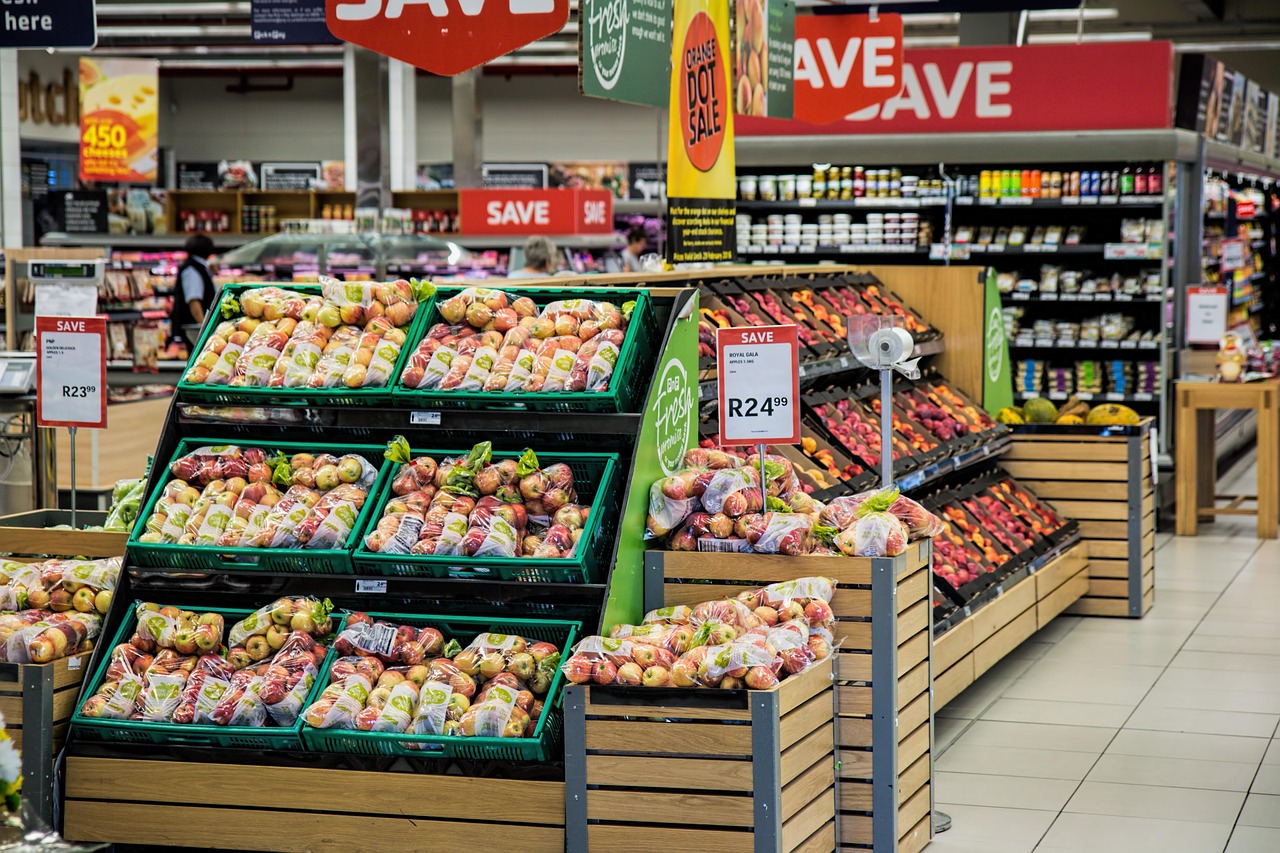
A modern EPOS setup for a UK business typically costs anywhere from a few hundred pounds for a basic single-till configuration to several thousand pounds for a fully integrated multi-terminal system — with ongoing software and payment processing fees on top. The exact figure depends on your hardware choices, software model, business type and payment volumes. This guide breaks down every component of the cost so you can budget accurately and avoid surprises.
Written by the EPOS Direct UK team, who help UK retail and hospitality businesses find the right EPOS and POS solutions every day.
What Affects the Price of a POS System in the UK?
No two businesses need identical kit, and pricing reflects that reality. Before comparing quotes or packages, it helps to understand the five variables that drive cost the most:
- Number of terminals: A single-till café has very different requirements from a multi-lane supermarket or a restaurant with separate bar, floor and kitchen stations.
- Hardware specification: Entry-level all-in-one touchscreen tills differ enormously in build quality, screen size and processor speed from commercial-grade units designed for high-volume environments.
- Software model: Perpetual licences, monthly SaaS subscriptions and cloud-based plans all carry different upfront and recurring cost profiles.
- Payment processing: Whether you use an integrated card reader or a standalone terminal — and which acquirer you choose — directly affects your per-transaction costs.
- Support and installation: Self-setup is cheaper upfront but carries hidden time costs; professional installation, training and an ongoing support contract add predictable recurring spend.
Understanding these levers puts you in control of the conversation when comparing suppliers. For a broader overview of the market, the complete guide to EPOS and POS systems for UK businesses is a useful starting point.
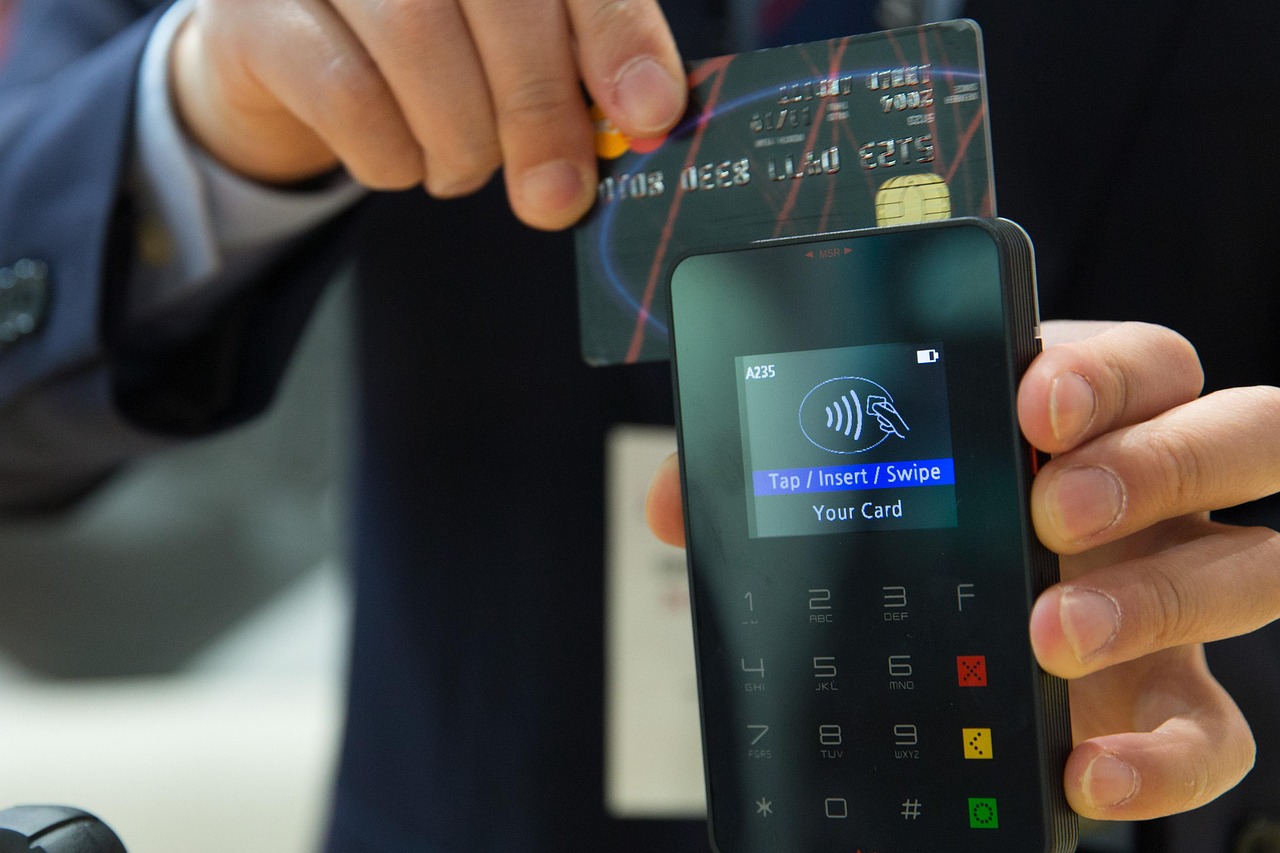
POS Hardware Costs: Tills, Scanners and Receipt Printers
Hardware is typically the largest single upfront investment. The table below summarises indicative UK market ranges for the most common components — treat these as ballpark guidance, not fixed quotes.
| Hardware Component | Entry Level | Mid-Range | Commercial Grade |
|---|---|---|---|
| Touchscreen EPOS till (all-in-one) | Typically from £300 | £500–£900 | £900–£1,500+ |
| Barcode scanner (USB or wireless) | From £30 | £80–£150 | £150–£400 |
| Thermal receipt printer | From £60 | £100–£200 | £200–£400 |
| Cash drawer | From £40 | £70–£120 | £120–£250 |
| Kitchen display system (KDS) | From £150 | £250–£450 | £450–£800+ |
| Customer-facing display | From £80 | £150–£300 | £300–£600 |
A realistic single-till starter bundle — screen, printer, cash drawer and scanner — typically falls between £500 and £1,200 depending on specification. Multi-terminal retail or hospitality setups commonly run from £1,500 to £5,000 or more for hardware alone. Many suppliers, including EPOS Direct UK, offer bundled packages that reduce the per-unit cost significantly compared with buying components individually.
EPOS Software Costs: Licences, Subscriptions and Cloud Plans
Software is where the market has changed most dramatically in recent years. Three broad models now exist:
Perpetual Licence
A one-off purchase, often £500–£1,500 per terminal, that you own outright. Updates may carry an additional annual fee. Suits businesses that prefer predictable spend and do not need frequent feature releases.
Monthly SaaS Subscription
The most common model today. Plans typically start from around £20–£40 per month for basic single-terminal retail software and rise to £80–£150 or more per month for full hospitality suites with table management, online ordering integration and detailed analytics. Annual billing usually provides a meaningful discount over monthly.
Cloud-Based or Hybrid Plans
Cloud software stores data centrally, enabling real-time reporting across locations and offline resilience when connectivity drops. Pricing overlaps with SaaS but may include additional fees for multi-site dashboards or API access.
If you would like to see how modern EPOS software is structured before committing to a plan, you can watch a retail EPOS software demo or explore the restaurant EPOS software demo to understand the feature set at each tier.
Payment Processing Fees: What UK Merchants Actually Pay
Card acceptance is a recurring cost that is often underestimated when budgeting for a POS setup. The UK payment landscape broadly involves two fee types:
- Transaction fees: A percentage of each card transaction, plus a small fixed pence-per-transaction charge in some models. Consumer debit and credit card rates are regulated under UK and retained EU interchange rules — check the Payment Systems Regulator (PSR) website for the current framework.
- Monthly terminal or gateway fee: Some acquirers charge a flat monthly fee in exchange for lower per-transaction rates; others use a pay-as-you-go model with no monthly commitment.
Integrated card payments — where the card reader communicates directly with the EPOS till — reduce manual keying errors and speed up checkout. If this is a priority for your business, our guide to EPOS systems with integrated card payments in the UK covers the main options in detail. For businesses sensitive to fixed monthly costs, it is also worth reading about card machines with no monthly fee before signing any acquirer contract.
POS System Costs by Business Type
The same hardware components carry very different total cost of ownership depending on the sector, because software complexity and peripheral requirements vary so significantly.
Independent Retail
A single-till independent retailer — gift shop, clothing boutique, hardware store — typically requires a till, scanner, receipt printer and cash drawer, plus retail inventory software. A realistic all-in budget including software for year one is commonly £1,000–£2,500, with ongoing monthly software and processing costs from around £40–£100 per month. Our guide to the best till systems for small businesses in the UK explores this segment in depth.
Restaurants, Cafés and Pubs
Hospitality environments add complexity: table management, split bills, course firing, kitchen display systems and often online ordering integration all push costs higher. A two-terminal restaurant setup with KDS and full hospitality software typically falls between £2,500 and £6,000 for hardware, with software subscriptions from approximately £80–£200 per month. To explore tailored options, view our hospitality and restaurant EPOS offers.
Takeaways and Quick-Service Food
Takeaways prioritise speed and online order aggregation (Deliveroo, Just Eat, Uber Eats integrations). A single robust till with order management software and online integration typically costs £800–£2,000 upfront, with monthly software fees from £50 onwards depending on integration volume.
Pharmacies and Specialist Retail
Pharmacy EPOS requires dispensary workflow features, prescription management and specific reporting. Specialist software adds cost — typically from £80–£150 per month — but the compliance and audit-trail value justifies it. If you operate a pharmacy, request a pharmacy EPOS software demo to see the specific feature set.
Hidden Costs to Watch Out for When Buying a POS System
Many buyers focus on the headline hardware price and overlook costs that accumulate significantly over a three-to-five-year ownership period. Common areas where real buyers are caught out include:
- Installation and data migration: Moving product catalogues, customer records and historical sales data from a legacy system is rarely free. Budget for professional setup time if your data is complex.
- Staff training: A system that staff cannot use confidently is a productivity liability. Ask whether initial training and refresher sessions are included, or priced separately.
- Support contract tiers: Basic support during business hours differs from 24/7 priority support with next-day hardware replacement. Understand the SLA before signing.
- Consumables: Receipt paper, label rolls and barcode printer ribbons are ongoing costs that are easy to underestimate for high-volume environments.
- Contract length and exit terms: Some software subscriptions lock you into 12–36 month terms. Read termination clauses carefully before committing.
- PCI-DSS compliance costs: Businesses that store, process or transmit card data must comply with PCI-DSS standards. Some acquirers charge an annual compliance or non-compliance fee — confirm this before choosing your payment processor.
How to Choose the Right POS System for Your Budget
Buyers often ask: "Should I buy the cheapest system available and upgrade later, or invest properly from the start?" The honest answer depends on growth trajectory. A system that is too limited will cost more to replace than a slightly higher upfront investment in something scalable. Here is a practical decision framework:
- Map your must-have features: List the non-negotiable functions — inventory management, table service, online ordering, loyalty schemes — before looking at prices. This stops you being upsold on features you will never use, and prevents you buying something that cannot do what you need.
- Calculate total cost of ownership over three years: Add hardware, software subscriptions, processing fees, support and consumables. A cheaper upfront system with high monthly fees often costs more over three years than a premium bundle.
- Check integration compatibility: Your accounting software (Xero, QuickBooks, Sage), e-commerce platform and booking system all need to talk to your EPOS. Confirm integration availability before purchasing.
- Evaluate the supplier's support model: Hardware fails. Software has bugs. The quality of after-sales support is as important as the product itself for business continuity.
- Request a demonstration before committing: No amount of brochure reading substitutes for seeing the software in action with your specific workflows in mind.
For small businesses weighing value against functionality, our guide to the most affordable EPOS systems for small businesses in the UK provides an honest assessment of where to save and where to spend. If combining your card machine and till into one device appeals for simplicity, the guide to card machine and till system combined solutions is also worth reading before you decide.
You can browse the full range of current packages and offers — including hardware bundles and software plans — on the EPOS Direct UK home page, where the latest deals and configuration options are always kept up to date.
Getting an Accurate Quote for Your Business
Because every business is different, the most reliable way to understand your actual investment is to speak with a specialist who can assess your specific footprint — number of tills, service style, payment volumes and software requirements — and build a package accordingly. Generic online configurators rarely reflect the real options available to UK businesses at different volume tiers.
To get a clear picture without any obligation, you can request a free demo from the EPOS Direct UK team, or talk to an expert online to discuss your requirements in real time. If retail is your focus, explore our retail EPOS offers for current packages and pricing guidance tailored to UK retail businesses.
The Bottom Line
A well-specified EPOS system is not a cost — it is an investment in faster service, fewer errors, better stock control and richer business insight. Most UK small businesses can expect to invest between £1,000 and £3,000 in their first year, encompassing hardware, software and processing, with ongoing costs from approximately £50–£150 per month thereafter. Larger or more complex operations will sit higher, but the productivity and revenue gains consistently outweigh the outlay when the system is chosen carefully.
EPOS Direct UK works with independent retailers, restaurants, cafés, takeaways, pharmacies and multi-site businesses across the United Kingdom to match the right system to the right budget. Whether you are replacing a legacy till or setting up from scratch, the team is ready to help you make a confident, well-informed decision. Request a call back and speak with a specialist today.
Frequently asked questions
- How much does a complete EPOS system typically cost for a small UK retail shop?
- For a small UK retail shop, a complete EPOS setup typically ranges from £300 to £1,200 for hardware (touchscreen till, barcode scanner and receipt printer) plus software costs of £20 to £80 per month depending on the provider and features. Some suppliers like EPOS Direct offer bundled packages that reduce upfront spend significantly.
- Is it better to pay monthly or buy a POS system outright in the UK?
- It depends on your cash flow. Buying outright costs more upfront but avoids ongoing licence fees, making it more economical long-term for established businesses. Monthly subscription models suit startups or seasonal businesses that prefer lower initial investment. Many UK providers offer both options, so compare total 3-year cost before deciding.
- Are there any ongoing costs I should budget for beyond the initial POS purchase?
- Yes. Beyond hardware and software, budget for payment processing fees (typically 1.2%–2.5% per transaction for UK card payments), annual maintenance or support contracts, software update subscriptions, and potential costs for adding extra terminals or integrations such as accounting or online ordering platforms.
