We use cookies to make your experience better.
To comply with the new e-Privacy directive, you agree to the privacy policy and our use of cookies

The Best POS System for Fish and Chip Shops: A Complete Buyer's Guide
POS Systems for Fish and Chip Shops: Everything You Need to Know Before You Buy
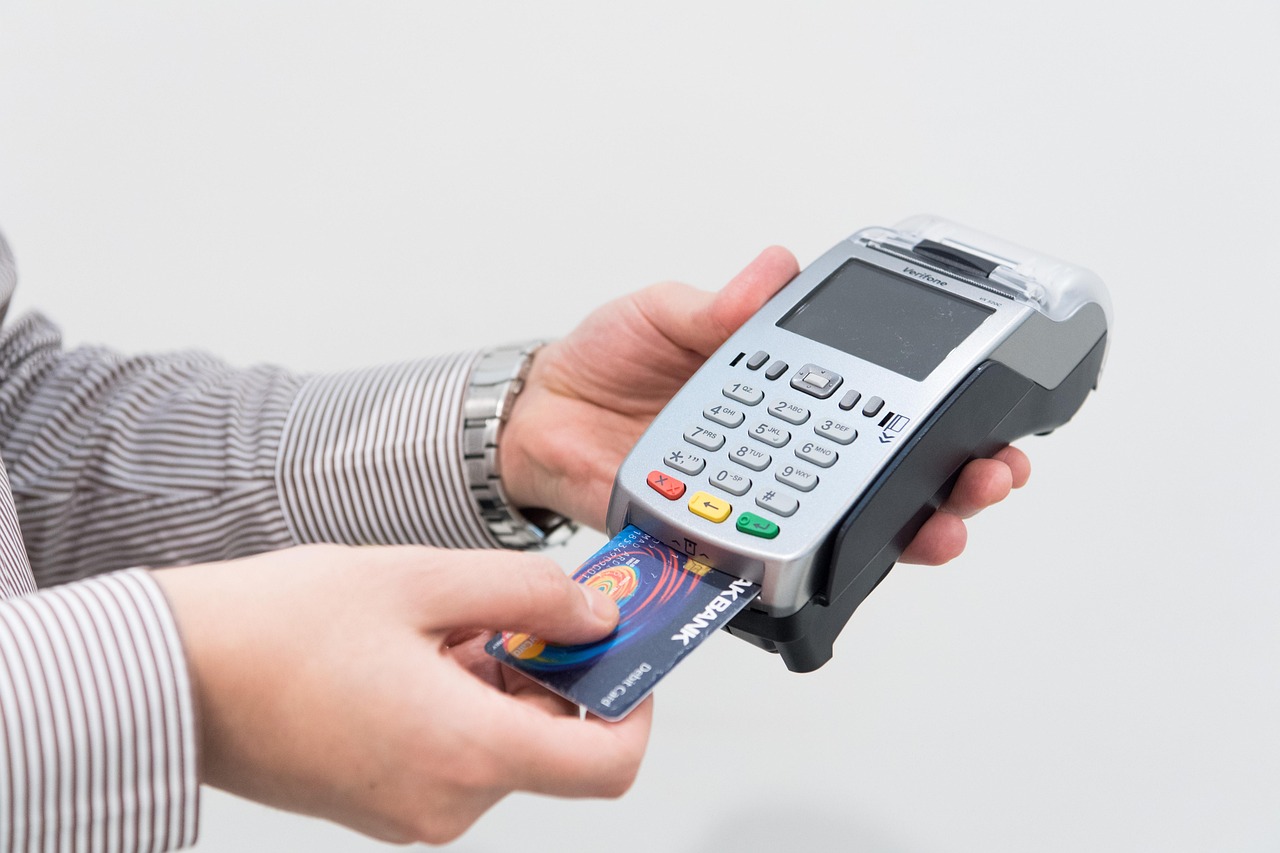
A well-chosen till system can be the difference between a smooth Friday-night rush and a queue that stretches out the door. For fish and chip shops — with their rapid counter service, ingredient-level stock management and growing demand for online ordering — a purpose-built EPOS system delivers measurable improvements in speed, accuracy and profitability. This guide covers everything an owner or manager needs to evaluate, compare and confidently choose the right system for their chippy.
Why Fish and Chip Shops Have Unique Till Requirements
A chip shop operates quite differently from a café or a retail outlet. Transactions are fast, portions vary, customers often customise their orders, and the kitchen needs to receive tickets instantly during peak hours. A generic cash register — or even a basic card reader with a manual notepad — simply cannot keep pace.
Beyond speed, chip shops face specific operational pressures:
- High-volume, low-dwell counter service — customers expect to order, pay and collect within minutes.
- Variable portion pricing — small, regular and large portions of fish, chips and sides need to be rung up accurately every time without relying on staff memory.
- Ingredient-level stock — batter mix, oil, potatoes and packaging need tracking separately from finished menu items.
- Mixed payment types — cash remains common in chip shops, but contactless and mobile payments are now expected.
- Online and collection orders — a growing share of revenue comes through delivery platforms and branded ordering apps.
These demands require a hospitality-grade EPOS system rather than a retail or generalist one. If you are currently running a cash register or an older till, our guide on how to switch from a cash register to a modern EPOS system sets out everything you need to plan the transition.
Key Features to Look for in a Chip Shop Till System
Not every EPOS platform is built for the pace of a chip shop counter. Before committing to any system, assess it against the following criteria.
Speed and Simplicity at the Counter
The till interface should allow staff to build an order in three taps or fewer. Look for large, clearly labelled product buttons, the ability to create menu favourites, and a quick-modifier flow for portion size or accompaniments (e.g. curry sauce, mushy peas, gravy). A cluttered or slow screen costs you customers during a Friday-night peak.
Kitchen Display System (KDS) or Receipt Printer Integration
Orders taken at the counter need to reach the fryer instantly. A kitchen display screen or a dedicated kitchen printer eliminates the shouting, the mishearing and the forgotten extras that damage both throughput and margins.
Integrated Card Payments
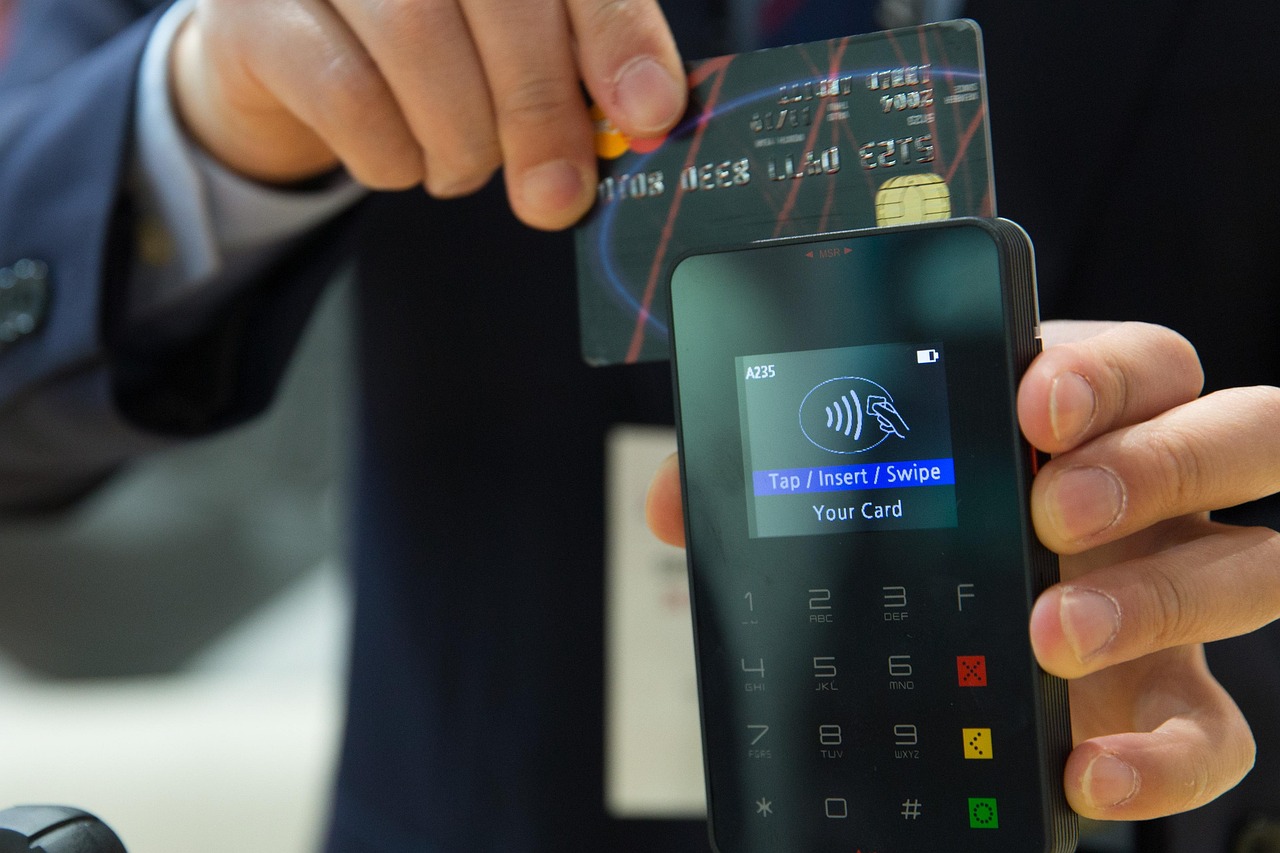
Separate card machines and tills create reconciliation headaches and slow down service. An integrated setup means the amount is passed automatically to the card reader — no manual keying, no risk of charging the wrong figure. Our detailed overview of EPOS systems with integrated card payments explains what to look for in the UK market.
Online Ordering and Delivery Integration
Systems that connect directly to delivery platforms or a branded ordering page allow incoming orders to appear on the same screen as counter orders, reducing the dual-screen chaos that many chip shop owners currently manage.
Reporting and End-of-Day Summaries
Daily Z-reports, weekly sales trends and item-level performance reports reveal which products drive margin and which ones tie up cost. These reports also simplify VAT calculations and help with Gift Aid claims where applicable.
Reliable Offline Mode
A cloud-connected system that cannot process payments when the broadband drops is a liability. Ensure any system you evaluate continues to take orders and payments locally, then syncs when connectivity is restored.
Comparing Your Options: A Practical Selection Table
The table below maps the most common approaches chip shop owners consider, with an honest assessment of fit.
| System Type | Best Suited For | Key Strengths | Limitations for Chip Shops |
|---|---|---|---|
| Basic cash register | Very low-volume, cash-only shops | Simple, low upfront cost | No card integration, no reporting, no stock management |
| Tablet-based POS (generic) | Small cafés, market stalls | Portable, low entry cost | Fragile in busy environments; limited kitchen integration; may lack offline mode |
| Hospitality EPOS (specialist) | Chip shops, takeaways, quick-service restaurants | Fast UI, KDS/kitchen printer support, stock at ingredient level, integrated payments | Higher upfront or monthly cost than generic options |
| Hospitality EPOS + online ordering module | Chip shops with delivery/collection revenue | Single system for in-store and online; reduces errors; unified reporting | Requires stable broadband; slightly more complex initial setup |
| All-in-one EPOS with integrated card machine | High-volume counter service operations | Fastest checkout, single supplier, simplified reconciliation | May require additional hardware for multi-station setups |
For a broader look at how different till configurations compare for small food businesses, the practical buyer's guide to till systems for small businesses is a useful reference alongside this article.
Managing Stock and Ingredients with Your EPOS System
Ingredient-level stock management is one of the most underestimated benefits of a specialist EPOS for chip shops. Rather than tracking finished products, the system decrements raw ingredients — so each portion of chips sold automatically reduces the potato stock figure, and every battered fillet updates the batter mix and fish inventory simultaneously.
Practical benefits include:
- Automated low-stock alerts when oil, potatoes or packaging reach reorder levels.
- Accurate food cost analysis, helping you identify where margin is being lost (over-portioning, waste, theft).
- Supplier order management directly from the back-office dashboard.
- Reduction in over-ordering and the spoilage that eats into weekly profit.
Owners who move to ingredient-level stock tracking frequently report a meaningful tightening of food cost percentages within the first few months — not because anything dramatic changes, but because the data makes previously invisible waste visible. If you are weighing whether a monthly subscription to an EPOS system is worthwhile for these features, our analysis of monthly EPOS subscriptions versus outright purchase sets out the honest trade-offs.
Taking Orders Faster: Counter, Kitchen and Online
Speed is everything at a chip shop counter. A modern EPOS system accelerates service at every point in the order journey.
Counter Ordering
A well-configured counter terminal with custom quick-keys for your most popular items — large chips, cod, plaice, saveloy, specials — means staff can ring through an entire order in seconds. Quantity buttons, easy modifiers and a clear on-screen display for the customer build confidence and reduce disputes.
Kitchen Communication
Whether you prefer a kitchen display screen or a dedicated thermal printer by the fryer, orders should arrive the moment payment is confirmed at the counter. This eliminates the relay of verbal tickets, reduces errors on complex orders (e.g. no salt, extra batter, separate bags) and helps the kitchen team prioritise during surges.
Online and Collection Orders
Systems that integrate with ordering platforms or a branded online menu push incoming collection and delivery orders directly into the kitchen queue — displayed alongside counter orders in real time. This means no second tablet to monitor, no risk of missing an online order during a busy spell, and a complete sales picture in one place at the end of every day.
If your shop also accepts payments via a separate wireless card reader, it is worth reviewing our guidance on the best wireless card machines for small businesses to ensure your setup is as streamlined as possible.
How EPOS Direct UK Supports Fish and Chip Shop Owners
EPOS Direct UK has worked with independent takeaways and quick-service food businesses across the UK, building systems configured specifically for the demands of counter-service hospitality. Rather than supplying off-the-shelf hardware and leaving you to it, the team provides menu setup support, on-site or remote installation, staff training and ongoing technical support.
Key elements of the EPOS Direct UK proposition for chip shop owners include:
- UK-based support team — accessible during trading hours, understanding the reality of a busy chippy evening service.
- Flexible hardware options — from compact all-in-one terminals to multi-station setups for larger shops with separate seating areas.
- Integrated card processing — no need to manage a second supplier for your card machine.
- Cloud back-office — check sales, stock levels and reports from any device, even when you are not on site.
- Scalable software — the same platform grows with your business, whether you add a second site, a dine-in area or an online ordering channel.
You can view a live restaurant EPOS software demo to see how the interface works before committing to anything, or talk to an EPOS expert online to discuss your specific counter layout and menu requirements. Explore the full range of current packages and pricing on the EPOS Direct UK home page.
What Does a Chip Shop EPOS System Cost in the UK?
Pricing varies depending on hardware specification, software tier, payment processing and support arrangements. The figures below are honest indicative ranges based on the current UK market — they are guidance only and should not be treated as formal quotes.
Typical Cost Ranges
- Entry-level setup (single terminal, basic software, card integration): typically from around £300–£600 upfront, or from approximately £30–£60 per month on a subscription plan.
- Mid-range setup (single terminal, kitchen printer or KDS, full stock management, online ordering integration): most setups fall between £600–£1,200 upfront, or £50–£100 per month on subscription.
- Multi-station or larger operation (two or more terminals, advanced reporting, dedicated KDS, integrated payments): typically from £1,200 upwards, depending on configuration.
Card processing fees are separate and depend on your transaction volume and chosen payment provider — expect percentage-based rates with most UK providers; a specialist EPOS supplier can often negotiate competitive rates or bundle processing into a single monthly figure.
To understand the full financial picture — including whether to buy outright or subscribe — our detailed breakdown of combined card machine and till system costs is well worth reading before you request a quote. If you want to see how EPOS Direct UK's pricing compares to other providers in the market, our competitor till system comparison guide offers an objective overview.
What Affects the Final Price?
- Number of terminals required (counter stations, manager terminal).
- Whether you need kitchen display screens or just a kitchen printer.
- Online ordering integration — some platforms charge a separate monthly fee.
- Length of support contract and level of on-site installation service.
- Card processing volume and average transaction size.
To get an accurate, no-obligation figure for your specific shop, explore the current hospitality EPOS offers from EPOS Direct UK or request a call back to discuss your requirements directly.
Getting Started: Installation, Training and Ongoing Support
Switching to a new till system during trading hours is rarely practical, so the implementation process matters as much as the product itself. A reputable EPOS supplier will configure your menu, payment settings and stock structure before the hardware arrives on site — so installation day is a connection exercise, not a setup marathon.
What a Good Onboarding Process Looks Like
- Discovery call — discussing your menu, number of stations, kitchen setup and reporting needs.
- Remote configuration — menu items, modifiers, pricing, stock units and user accounts built in advance.
- On-site installation — hardware fitted, connected and tested, ideally before a live service.
- Staff training — a short, practical session covering counter operations, end-of-day procedures and basic troubleshooting.
- Ongoing support — phone, email or remote access for software queries, updates and any hardware issues.
Ask any supplier how long their average installation takes from order to go-live, and whether training is included or charged separately. A provider who is cagey about implementation timelines is worth approaching with caution.
If you would like to see the software in action before committing, request a free EPOS demo from EPOS Direct UK — it takes a matter of minutes to arrange and gives you a realistic picture of what your team will be working with daily.
The Short Answer: Is a Specialist EPOS System Worth It for a Chip Shop?
Yes — decisively. A purpose-built hospitality EPOS system pays for itself through faster counter service, reduced order errors, tighter stock control and the reporting clarity needed to manage a food business profitably. For any chip shop handling meaningful volume, the operational advantage over a cash register or basic tablet POS is substantial and measurable within weeks of going live.
Ready to Upgrade Your Chip Shop Till System?
EPOS Direct UK works with independent food businesses throughout the UK, providing systems built for the speed and complexity of counter-service hospitality. Whether you are opening a new shop, replacing an ageing till or expanding to multiple sites, the team can design a setup that fits your operation precisely.
Talk to an EPOS expert online today, or browse the current hospitality EPOS offers to find a package that matches your budget and ambitions. The right system is closer than you think.
Written by the EPOS Direct UK team, who support independent food businesses and retailers across the United Kingdom every day with tailored EPOS and point-of-sale solutions.
Frequently asked questions
- What features does a till system need for a busy chip shop takeaway?
- A chip shop till system should handle rapid item entry for high-volume counter service, support easy menu customisation (such as portion sizes and combo deals), integrate with card payment terminals, and offer end-of-day sales reporting. Kitchen display integration and online ordering connectivity are also increasingly important for modern takeaways.
- How much should I expect to pay for a POS system for my fish and chip shop in the UK?
- In the UK, a basic standalone chip shop EPOS setup typically starts from around £299–£499 for entry-level hardware. A full system including touchscreen till, receipt printer, cash drawer, and card payment integration usually ranges from £600 to £1,500 depending on the specification. Monthly software subscriptions can range from £20 to £60 per month. EPOS Direct UK offers flexible packages with no hidden costs, so you only pay for what your business needs.
- Can I connect my chip shop POS system to Just Eat or Uber Eats?
- Yes, many modern EPOS systems — including those from EPOS Direct UK — support integration with third-party delivery platforms such as Just Eat and Uber Eats. This means orders placed online flow directly into your till system, reducing manual entry errors and speeding up kitchen fulfilment during busy periods.
