We use cookies to make your experience better.
To comply with the new e-Privacy directive, you agree to the privacy policy and our use of cookies

The Best EPOS Systems for Fish and Chip Shops in the UK
EPOS Systems Built for UK Fish and Chip Shops
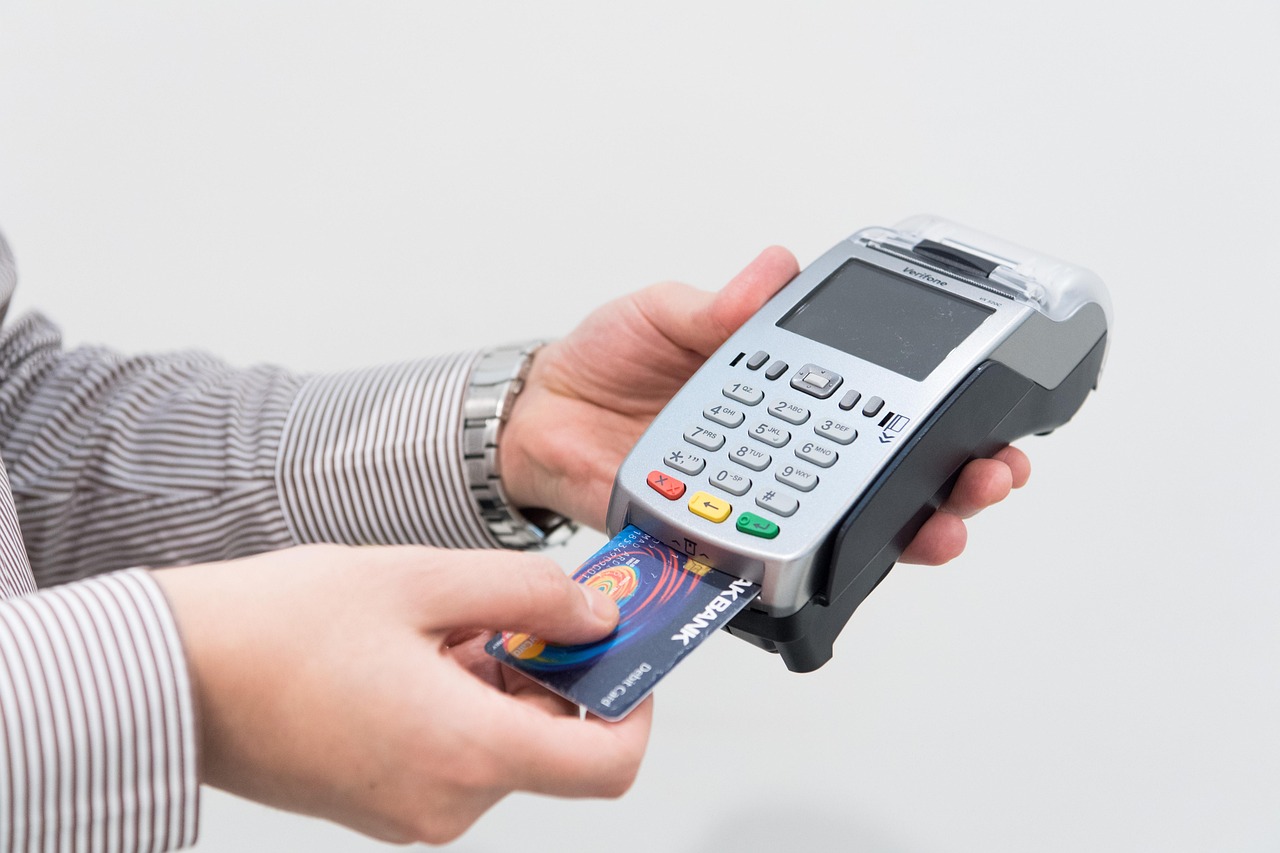
A modern EPOS system does far more than process transactions — for a busy chip shop, it can be the difference between a smooth Friday-night rush and a queue stretching out the door. Fish and chip businesses across the UK have distinct operational demands: speed at the counter, tight portion control, cash-heavy trading patterns, and a need for allergen visibility. The right till system addresses all of these from day one, and this guide explains exactly what to look for, what to expect to pay, and why so many chip shop owners across the UK trust EPOS Direct.
Why Fish and Chip Shops Have Unique Till Requirements
A chip shop is neither a restaurant nor a straightforward retailer. Customers expect to order, pay and collect within minutes, which means your till needs to work at counter speed without delays caused by complex menus or slow touchscreens. At the same time, you are managing raw ingredients, cooked-to-order items, portion sizes and daily waste — all of which affect profitability if left untracked.
There is also a regulatory dimension. UK food businesses are required to communicate allergen information to customers under the Food Information for Consumers Regulation (Regulation EU 1169/2011, retained in UK law post-Brexit). A capable EPOS system can flag allergens at the point of sale, reducing risk and saving staff from memorising every ingredient interaction. Verify your current obligations with the Food Standards Agency at food.gov.uk.
Beyond compliance, chip shops often trade heavily in cash, yet contactless and card payments are now the norm across all demographics. Your system needs to handle both efficiently, ideally from a single integrated terminal.
Key Features to Look for in a Chippy Till System
Not every EPOS package is configured for fast-turnaround food businesses. When evaluating options, prioritise the following:
- Fast-entry product buttons: Large, colour-coded touchscreen buttons for your most common items — cod, haddock, sausage, peas, curry sauce — so staff can build an order in seconds without scrolling through menus.
- Kitchen printer or KDS integration: Orders print instantly in the prep area, eliminating shouted tickets and reducing errors during peak service.
- Allergen flagging: Per-item allergen tagging that surfaces relevant warnings at the point of sale and on customer receipts.
- Modifiers and upsells: Prompt staff to ask about extras — open or wrapped, salt and vinegar, scraps — increasing average transaction value effortlessly.
- Split payments: Handles part-cash, part-card transactions without manual workarounds.
- End-of-day Z-reports: Accurate daily summaries reconciled across cash and card takings, essential for bookkeeping.
- Cloud-based back office: Review sales, voids and refunds remotely — useful for multi-site operators or owners who are not always behind the counter.
If you are exploring your options more broadly, the practical buyer's guide to the best till systems for small UK businesses covers the decision criteria in detail and is worth reading alongside this page.
How EPOS Technology Speeds Up Rush-Hour Service
The Friday and Saturday evening rush is where a chip shop's till system is truly tested. A slow or unreliable system causes bottlenecks that cost you sales and damage your reputation. A well-configured EPOS setup addresses this on several fronts.
One-Touch Order Building
Your most popular items should be reachable in a single tap. A properly programmed chippy till has your core menu on the first screen, with modifiers available as pop-ups, so a standard order takes three to five taps rather than fifteen. This alone can cut average transaction time noticeably during busy periods.
Integrated Card Payments
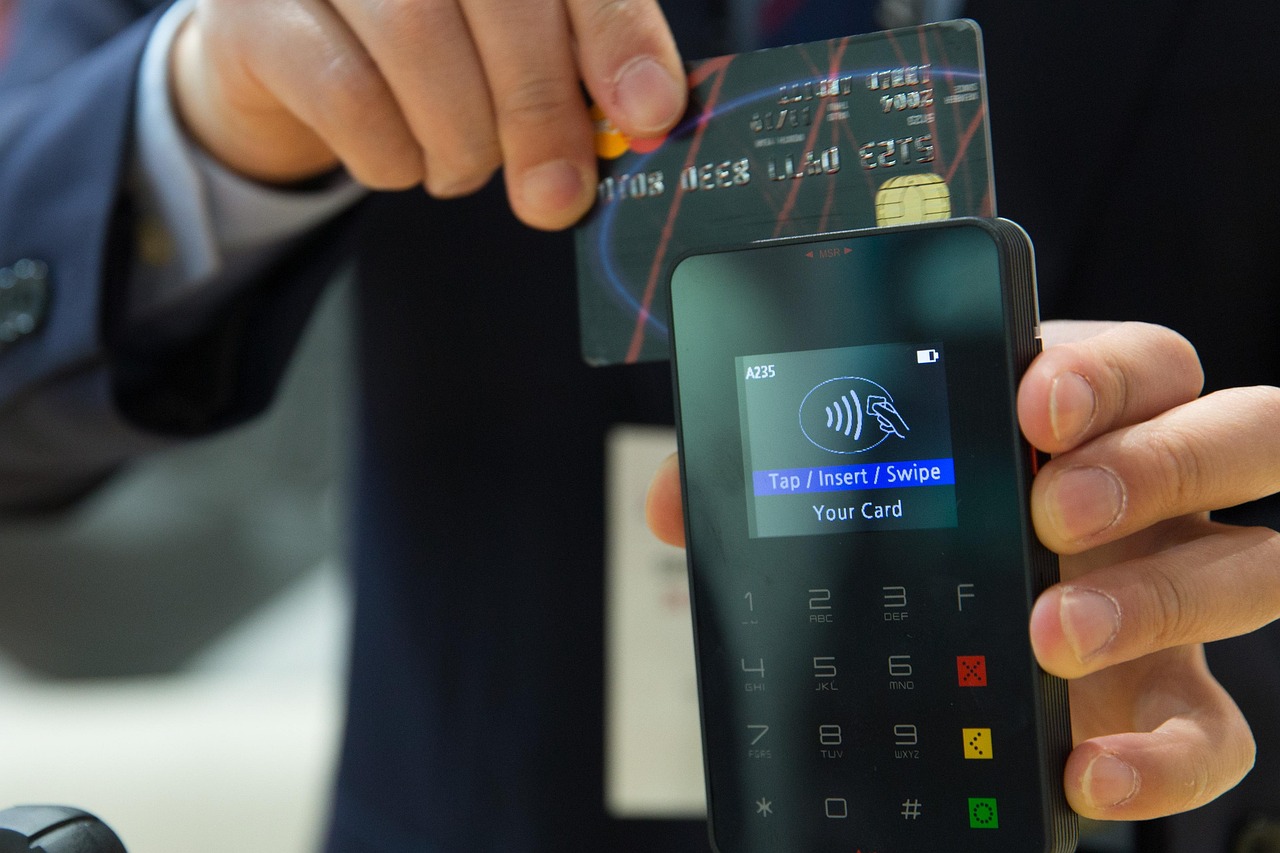
When your EPOS terminal and card reader are separate devices, every card transaction requires a manual amount entry on the reader — a small delay that compounds across hundreds of covers. An integrated system sends the total automatically, so the customer simply taps or inserts their card. For a detailed breakdown of how integration works in practice, see our guide on combining a card machine and till system.
Offline Resilience
A good cloud EPOS system continues to process transactions locally if your broadband drops, syncing data when connectivity is restored. For a shop in a busy high street location where internet reliability can be patchy, this continuity is essential.
Stock and Ingredient Management for Fried Food Businesses
Profitability in a chip shop is won and lost in the fryer. Portion creep — where staff unconsciously serve slightly heavier portions — can erode margins significantly over a week. An EPOS system with ingredient-level stock tracking allows you to:
- Set theoretical portion weights per menu item and compare them against actual stock depletion.
- Track daily usage of key ingredients: fish fillets, potatoes, oil, batter mix.
- Identify high-waste periods and adjust prep quantities accordingly.
- Generate low-stock alerts so you never run out of popular lines mid-service.
- Produce supplier order reports based on sales velocity, reducing over-ordering.
Even a basic stock module will outperform a manual spreadsheet approach. For shops that are currently relying on an older cash register and no digital stock management, the step-change in visibility can be significant — and the transition is simpler than most owners expect. If that sounds like your situation, our guide on switching from a cash register to a modern EPOS system walks you through exactly what is involved.
Taking Card and Contactless Payments at the Counter
Card payments now account for a substantial proportion of UK consumer spending, and fish and chip shops are no exception. Many customers — particularly younger demographics — will simply not carry cash, so turning them away is not a viable option.
The most efficient setup for a counter-service business is an integrated card terminal that communicates directly with your EPOS software. Payments settle faster, transaction records are reconciled automatically, and end-of-day reporting becomes straightforward. Wireless card machines also allow a single member of staff to take payment at different points along the counter without being tethered to one spot.
For guidance on choosing a standalone or integrated card reader for a small food business, our guide to the best wireless card machines for small UK businesses provides an objective comparison of the key considerations. Alternatively, explore our complete guide to EPOS systems with integrated card payments for a fuller picture of how the technology works end to end.
If you would like to see how EPOS Direct's integrated payments work in a real environment, you can request a free demo at a time that suits you.
How Much Does an EPOS System Cost for a Fish and Chip Shop?
This is the question most chip shop owners ask first, and the honest answer is: it varies depending on hardware configuration, software tier, payment processing rates and whether you purchase outright or subscribe monthly. The ranges below are indicative of the UK market and are intended as planning guidance only — not as quotes.
| Setup Type | Typical Indicative Cost | Best Suited To |
|---|---|---|
| Entry-level monthly subscription (software + basic hardware) | Typically from around £30–£60 per month | Single-site shops wanting low upfront commitment |
| Mid-range outright purchase (touchscreen till, receipt printer, card terminal) | Typically £500–£1,200 upfront, plus software fees | Established shops preferring to own their equipment |
| Full counter setup (till, kitchen printer, integrated card reader, back-office software) | Typically £1,000–£2,000+ upfront, or spread over a monthly plan | Busy sites with high transaction volumes |
| Multi-site or franchise package | Bespoke pricing — contact EPOS Direct for a tailored quote | Groups of two or more locations |
All figures above are approximate, illustrative ranges based on typical UK market conditions as of 2025–2026. They are not contractual quotes. Your actual cost will depend on hardware selection, transaction volumes and chosen software tier.
One important decision is whether to subscribe monthly or purchase outright. Each model has genuine advantages depending on your cash flow and how long you plan to stay at the same location. Our dedicated article on monthly EPOS subscriptions versus outright purchase sets out the trade-offs clearly so you can make an informed choice.
To get a figure specific to your setup, talk to an EPOS Direct expert online — the conversation is obligation-free and typically takes under fifteen minutes.
What Makes a Good EPOS System for a Takeaway Counter?
Counter-service food businesses share a set of requirements that differ meaningfully from table-service restaurants or general retail. The core question is not simply "does it process payments" but rather: does this system help my staff serve faster, waste less and report accurately?
The answer lies in three areas working together: intuitive front-of-counter software that staff can learn in an hour; reliable, purpose-built hardware that handles the heat and humidity of a kitchen environment; and a back-office reporting suite that gives the owner genuine commercial insight without requiring an accountancy qualification. EPOS Direct's hospitality-focused software is designed with exactly this balance in mind — you can explore it directly via our restaurant and takeaway EPOS software demo.
Why UK Chip Shop Owners Choose EPOS Direct
EPOS Direct has been supplying EPOS hardware and software to UK businesses for many years, with a particular depth of experience in fast-turnaround food businesses. Chip shop owners who make the switch consistently highlight three things: the speed of the touchscreen interface for high-volume service, the quality of UK-based support when questions arise, and the transparency of pricing with no hidden transaction fees.
Unlike some providers whose hardware is locked to a single payment processor, EPOS Direct's systems are designed to work with your existing or preferred merchant services, giving you control over your payment costs. And because the software is cloud-based, updates and new features arrive automatically — there is no need to call out an engineer every time a menu item changes or a new promotional price needs setting.
For a full comparison of how EPOS Direct's offering stands up against the alternatives, our complete 2026 competitor comparison guide provides an objective look at the market. You can also browse the range of current hardware and software packages on the hospitality and takeaway EPOS offers page.
More information about the full EPOS Direct range — including retail and specialist sector solutions — is available on the EPOS Direct UK home page.
Ready to Upgrade Your Chip Shop Till?
A well-chosen EPOS system pays for itself quickly in faster service, tighter stock control and fewer end-of-day reconciliation headaches. Whether you are opening your first chip shop or replacing an ageing cash register in an established business, EPOS Direct has a configuration to suit your counter, your budget and your team.
Request a free demo to see the software in action, or request a call back from one of the EPOS Direct UK team — specialists who work with independent food businesses every day and can recommend the right setup for your specific operation.
Written by the EPOS Direct UK team, who advise and support UK EPOS and POS system businesses daily across retail, hospitality and specialist sectors.
Frequently asked questions
- What features should a good till system have for a busy chip shop?
- A till system for a chip shop should handle fast-paced counter service without slowing staff down. Look for a large, easy-to-read touchscreen, quick-access product buttons for your most popular items, integrated card and contactless payment processing, kitchen display or printer integration, and end-of-day reporting. Inventory tracking for key ingredients like fish, potatoes and oil is also a major advantage for controlling waste and food costs.
- How much does a POS system typically cost for a small fish and chip shop in the UK?
- For a single-terminal setup, UK fish and chip shop owners can typically expect to pay anywhere from £300 to £800 upfront for the hardware, with monthly software licences ranging from around £30 to £80 per month depending on the features included. Some providers, including EPOS Direct, offer bundled packages or leasing options that spread the cost, making it easier to budget. Always check what is included — card payment processing, support and software updates can all affect the true monthly cost.
- Can an EPOS system help me manage stock for a fish and chip shop?
- Yes, a good EPOS system can track ingredient-level stock in real time, alerting you when key supplies such as fish portions, batter mix or cooking oil are running low. By linking sales data to stock deductions automatically, you can reduce over-ordering, cut waste and ensure you never run out of your best-selling items during a busy Friday night service.
