We use cookies to make your experience better.
To comply with the new e-Privacy directive, you agree to the privacy policy and our use of cookies

How Much Does a POS System Cost? A UK Buyer's Guide to EPOS Pricing
How Much Does a POS System Cost? A UK Buyer's Guide to EPOS Pricing
For most UK businesses, the total cost of an EPOS system falls somewhere between a few hundred pounds for a compact single-till setup and several thousand pounds for a fully integrated multi-site solution — with ongoing software and payment fees on top. Understanding exactly where your business sits within that range is the key to budgeting confidently and avoiding the surprises that catch many first-time buyers off guard. This guide breaks down every cost layer, from hardware and software to processing fees and hidden extras, so you can make an informed decision before you commit.
What Determines How Much an EPOS System Costs?
EPOS pricing is not a single figure — it is the sum of several distinct components, each of which scales differently depending on your business model, transaction volume and operational complexity. Before comparing quotes, it helps to understand what each layer actually contains.
- Hardware configuration: The number of tills, screen types, peripherals and whether you need portable or fixed units.
- Software tier: Whether you need a basic sales terminal, a full back-office suite, loyalty programmes, kitchen display integration or advanced reporting.
- Payment processing: Card transaction fees vary significantly between providers and are often negotiated separately from the EPOS contract itself.
- Number of sites and users: Multi-location businesses typically pay higher licence fees or per-site charges.
- Support and training: Onboarding, installation, and ongoing helpdesk access are sometimes included and sometimes billed separately.
A single-site independent retailer and a ten-cover restaurant both need an EPOS system, but their total cost of ownership can differ by thousands of pounds a year. Getting this scoped correctly from the start is where experienced providers add real value — you can talk to an expert online at EPOS Direct UK if you want a realistic cost estimate tailored to your situation.
Typical EPOS Hardware Costs in the UK
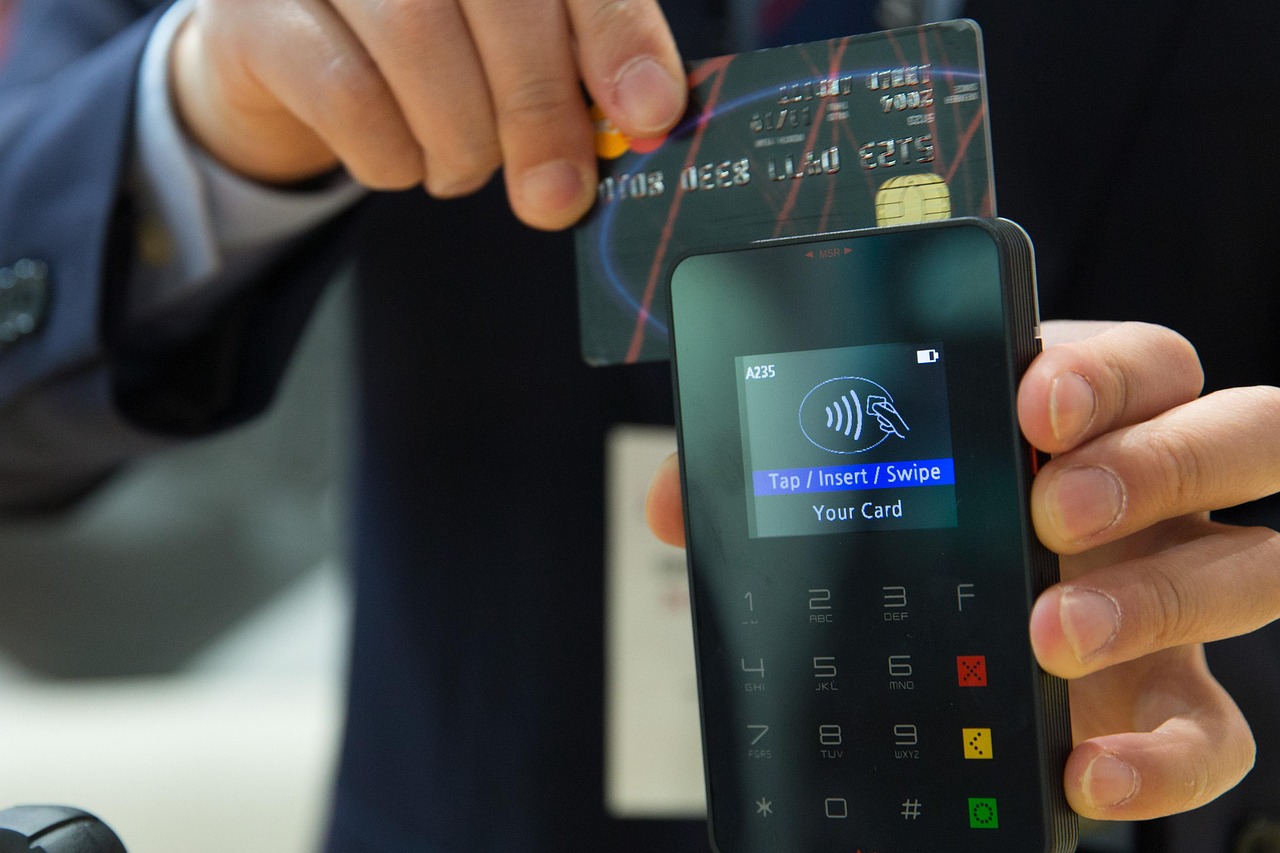
Hardware is usually the largest single upfront expense. Below are honest indicative ranges for the most common components; actual prices depend on specification, supplier and whether you bundle hardware with a software contract.
Core till hardware
- All-in-one touchscreen EPOS terminal: typically from £300 to £900 per unit, depending on screen size, processor and build quality.
- Cash drawer: typically from £50 to £150.
- Thermal receipt printer: typically from £80 to £250.
- Barcode scanner: typically from £50 to £200 for a handheld unit; more for a presentation scanner.
- Kitchen display system (KDS): typically from £200 to £600 per screen, relevant for hospitality environments.
- Customer-facing display: typically from £100 to £300.
Bundled hardware packages
Most reputable suppliers — including EPOS Direct UK — offer pre-configured bundles that bring the per-component cost down considerably. A complete starter bundle for a small retail or hospitality business (terminal, printer, cash drawer and scanner) typically falls between £500 and £1,500, depending on specification. Explore current retail EPOS offers or hospitality and restaurant EPOS offers to see what is currently available.
If you are moving from a traditional cash register, the hardware upgrade is often less dramatic than businesses expect — for a practical breakdown of what is involved, see our guide on how to switch from a cash register to a modern EPOS system.
EPOS Software Pricing: Subscriptions, Licences and What Is Included
Software costs are where the market varies most. The two dominant models are a monthly subscription (software as a service, or SaaS) and an outright licence purchase. Each has genuine advantages depending on your cash flow and long-term plans.
| Model | Typical monthly cost (per site) | Upfront cost | Best suited to | Key consideration |
|---|---|---|---|---|
| Entry-level SaaS subscription | From £30–£60/month | Low or none | New businesses, tight cash flow | Features may be limited; check what is excluded |
| Mid-tier SaaS subscription | From £60–£150/month | Low or none | Growing SMEs needing reporting, loyalty or integrations | Best value when utilising full feature set |
| Full-featured SaaS (multi-site or advanced) | From £150–£350+/month | Low or none | Multi-site operators, hospitality groups, franchises | Per-site fees can add up quickly; negotiate volume pricing |
| Outright licence purchase | £0 ongoing (support fee may apply) | From £500–£2,000+ | Established businesses with stable requirements | Updates and support often cost extra; less flexibility |
For a deeper analysis of which model suits your business, our dedicated guide on monthly EPOS subscriptions versus outright purchase walks through the real-world trade-offs. You can also explore EPOS Direct UK's software platform to see what is included at each tier before committing to a demo.
Payment Processing Fees: What UK Businesses Should Expect
One of the most common questions we hear from buyers is: "What will I actually pay per card transaction?" The answer depends on your card mix, monthly turnover and the payment processor you use — but the following guidance reflects realistic UK market conditions.
- Consumer credit and debit cards: Most UK businesses pay between 0.5% and 1.75% per transaction, depending on volume and card type.
- Commercial and corporate cards: These typically attract higher interchange rates, often 1.5% to 2.5%.
- Flat-rate pricing: Some providers offer a single blended rate (commonly 1.5%–1.75% for small businesses) for simplicity.
- Monthly terminal rental: If your card machine is rented rather than purchased, expect an additional £15–£40 per month per terminal.
Integrating card payments directly into your EPOS removes manual reconciliation errors and speeds up the checkout process significantly. For a comprehensive look at how combined systems work, see our guide on card machines and till systems combined, or explore our best EPOS systems with integrated card payments to compare integrated options.
EPOS Costs by Business Type
The right configuration — and therefore the realistic budget — differs materially across sectors.
Independent retail
A single-site independent retailer typically needs one terminal, a barcode scanner, receipt printer and cash drawer, plus retail-focused software with stock management. An indicative total setup cost of £600–£1,500 in hardware, combined with a software subscription from around £40–£80 per month, represents a realistic baseline. Our guide to the best till systems for small businesses covers what features matter most at this level.
Hospitality and restaurants
A café, restaurant or pub typically requires more complexity: table management, kitchen display screens, course-by-course ordering and, often, integration with online ordering platforms. Hardware costs for a modest operation might run to £1,500–£4,000, with software subscriptions from around £80–£200 per month. You can book a restaurant EPOS software demo to see exactly how EPOS Direct UK handles these workflows.
Pharmacy and specialist retail
Pharmacies require age-verification prompts, specific product categorisation and often NHS integration considerations. If this describes your business, our pharmacy EPOS software demo is the most efficient way to assess fit before requesting a quote.
Multi-site and franchise operations
Multi-site businesses benefit from centralised reporting and stock visibility across locations, but per-site licence fees accumulate fast. Volume pricing negotiation is standard at this level — most providers, including EPOS Direct UK, will discuss custom packages for three or more sites.
Hidden Costs to Watch Out For
Transparent suppliers will itemise everything upfront. Less transparent ones will not. These are the costs most often discovered only after signing a contract.
- Installation and configuration fees: Some providers charge separately for on-site setup, data migration or initial stock loading.
- Training costs: Staff training is sometimes included in an onboarding package and sometimes billed hourly. Clarify this before signing.
- Integration fees: Connecting to accountancy software (such as Xero or QuickBooks), online marketplaces or reservation platforms may involve a one-off or monthly fee.
- Contract exit clauses: SaaS contracts often include minimum term commitments of 12–36 months. Read termination clauses carefully.
- Support tier limitations: Out-of-hours support or dedicated account management may sit behind a higher-tier plan.
- Software update costs: With outright licence purchases, major version upgrades are rarely free.
Asking each provider for a full total cost of ownership (TCO) breakdown over 24 months — not just a monthly headline figure — is the single most effective way to compare quotes honestly.
How to Get the Best Value EPOS System for Your Business
Value is not the same as cheapness. The lowest-priced system that lacks the stock management, reporting or integration your business relies on will cost you more in inefficiency than it saves in licence fees. These principles consistently separate good buying decisions from regrettable ones.
- Map your workflows first. List every operational step that your EPOS will touch before speaking to a supplier. This prevents you from being upsold features you do not need and prevents you from missing features you do.
- Request a live demo. Screenshots and feature lists are no substitute for seeing the system process a real transaction in your context. A free demo request costs nothing and can save you from a costly mistake.
- Compare total cost of ownership, not monthly headline price. Include hardware, software, payment processing, support and any integration fees over a 24-month window.
- Check references in your sector. A supplier experienced in your specific business type will anticipate operational needs that a generalist may miss.
- Understand the upgrade path. Your business will grow. Confirm that the platform scales without requiring a full system replacement.
For an honest side-by-side assessment of how different providers compare across these criteria, our complete 2026 guide to EPOS systems versus competitors is a useful starting point. And for more offers, current packages and further information, the EPOS Direct UK home page is always the most up-to-date place to start.
A Quick Summary: What Does an EPOS System Actually Cost?
For a single-site UK business, a complete EPOS setup — hardware, software and payment processing — typically costs between £600 and £2,000 to get started, with ongoing monthly costs of £50 to £200 depending on software tier and card processing volume. Multi-site or hospitality operations with complex requirements will usually spend more, both upfront and monthly. These figures are indicative and should be verified with a direct quote from your chosen supplier based on your specific configuration.
Next Steps with EPOS Direct UK
EPOS Direct UK's team helps businesses across the United Kingdom find the right EPOS configuration at a price that genuinely reflects their needs — not a one-size package built for someone else's business. Whether you are setting up your first till or replacing an ageing system across multiple sites, the most efficient next step is a conversation. Request a call back at a time that suits you, or talk to an expert online right now to get honest, experience-led guidance with no obligation.
Written by the EPOS Direct UK team, who work with UK retailers, hospitality businesses and specialist operators every day to help them find the right EPOS solution for their budget and business model.
Frequently asked questions
- How much does a complete EPOS system typically cost for a small UK retailer?
- For a small UK retail business, a complete EPOS setup typically costs between £500 and £1,500 for hardware (touchscreen till, receipt printer, barcode scanner and cash drawer). Software can range from free basic tiers up to £30–£80 per month for feature-rich packages. All-in bundles from specialist suppliers like EPOS Direct often start around £799 and can include installation and support, making them better value than piecing together components separately.
- Is it better to buy or lease an EPOS system for my business?
- Buying outright gives you lower long-term cost and full ownership, which suits established businesses with upfront capital. Leasing or paying monthly spreads the cost — useful for new businesses managing cash flow — but you typically pay more overall. Some UK suppliers offer flexible payment plans that sit between the two, so it's worth comparing the total cost of ownership over 3–5 years before deciding.
- Are there any ongoing costs after purchasing an EPOS system?
- Yes. Beyond the initial purchase you should budget for software licence or subscription fees, payment processing rates (usually 0.5%–1.75% per transaction depending on your provider and card type), annual support or maintenance contracts, and occasional hardware replacements. Cloud-based systems may also charge per terminal per month. Always ask suppliers for a full breakdown of year-one and year-two costs so you can compare like for like.
