We use cookies to make your experience better.
To comply with the new e-Privacy directive, you agree to the privacy policy and our use of cookies

Offline POS Systems for UK Businesses: How to Keep Trading When the Internet Goes Down
Offline POS Systems for UK Businesses: How to Keep Trading When the Internet Goes Down
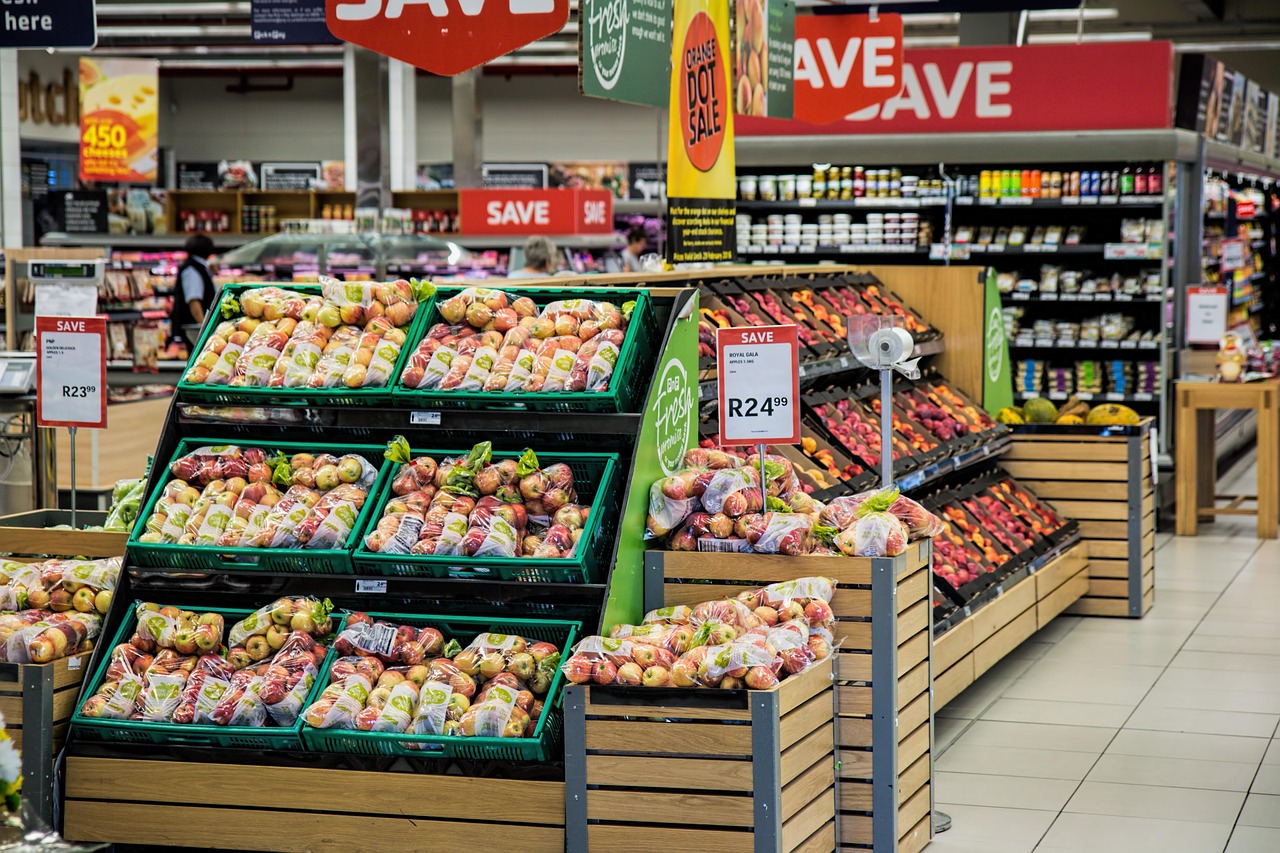
Modern EPOS systems can continue processing sales, printing receipts and accepting payments even when your broadband or 4G connection drops entirely — and for UK retailers and hospitality venues, that capability is no longer a luxury. Offline mode is built into quality EPOS hardware and software precisely because outages are unpredictable, and a system that stops trading the moment your router flickers is a genuine liability. This guide explains how offline EPOS works, what to look for when choosing one, and how to make sure your business is never held hostage by a failed connection.
Why Internet Outages Are a Real Risk for UK Retailers and Hospitality Venues
Ofcom's Connected Nations reports consistently show that a significant proportion of UK premises experience at least one broadband outage each year, and rural businesses on slower infrastructure face disproportionately higher risk. Even in urban centres, cabinet faults, accidental cable cuts, severe weather and ISP maintenance windows can drop a connection for hours at a stretch.
The commercial consequences are immediate. A restaurant mid-service that cannot take card payments loses revenue, reputation and table turns simultaneously. A convenience store that cannot scan products or print receipts risks queues, errors and lost sales. A market trader relying solely on cloud-based software is effectively offline the moment their mobile signal falters in a basement venue or a signal-poor postcode.
The question for most UK business owners is not whether an outage will happen, but whether their EPOS setup is built to handle it gracefully.
How Offline Mode Works in a Modern EPOS System
A well-designed offline-capable EPOS system stores a local copy of your critical data — product catalogue, prices, tax rates, staff permissions and stock levels — directly on the till hardware itself, not solely in the cloud. When the internet connection is lost, the system detects the outage automatically and switches to local processing without interrupting the transaction in progress.
What happens during an outage
- Sales continue uninterrupted: The terminal processes transactions against its locally cached database, so cashiers need not change their workflow.
- Receipts are issued normally: Thermal receipt printers operate independently of connectivity, so customers receive printed proof of purchase.
- Stock adjustments are queued: Inventory deductions are recorded locally and flagged for synchronisation once the connection returns.
- Loyalty and discount rules apply: Because these are cached locally at the last sync point, most promotional and loyalty logic continues to function.
Card payments in offline mode
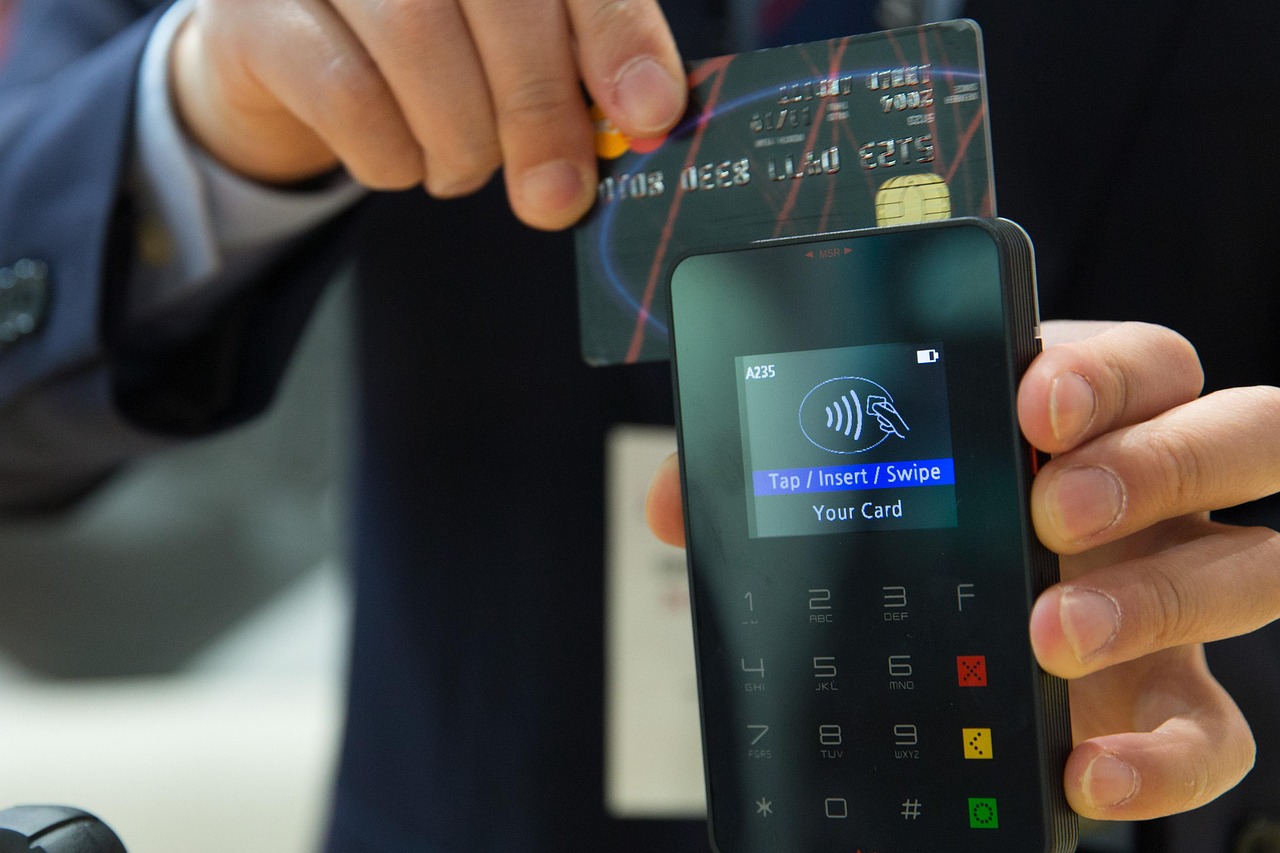
This is the area that causes the most buyer confusion. Many integrated card terminals — particularly those using full EMV chip-and-PIN processing — require a live connection to the payment network to authorise transactions in real time. Some payment processors offer a store-and-forward or offline authorisation mode, where the terminal accepts the card locally and queues the authorisation request for batch processing once connectivity is restored. This carries a small risk of declined cards being accepted, so it is worth discussing the risk threshold settings with your payment provider. For businesses where card-only offline trading is critical, speak with the EPOS Direct UK team about integrated solutions — you can talk to an expert online to find the right configuration for your situation.
Key Features to Look for in an Offline-Capable EPOS System
Not all systems labelled "cloud EPOS" offer the same depth of offline functionality. When evaluating options, ask suppliers specific questions rather than accepting vague reassurances.
Must-have offline capabilities
- Local database caching: The full product catalogue and pricing must reside on the device, not just a subset.
- Automatic failover: The switch to offline mode should be seamless and require no staff intervention.
- Offline transaction logging: Every sale made offline must be logged with a timestamp and transaction reference for reconciliation.
- Conflict resolution on sync: When the connection returns, the software must intelligently reconcile offline transactions with any changes made elsewhere — for instance, a price update applied from head office during the outage.
- Clear connectivity indicator: Staff should be able to see at a glance whether the system is operating online or offline.
Questions worth asking any supplier
- How long can the system operate offline before data integrity is at risk?
- Does offline mode cover all product categories, or only a subset?
- What happens to loyalty points accrued offline — are they reconciled correctly on sync?
- Is the offline capability included in the standard software licence, or is it a premium add-on?
If you are comparing EPOS hardware and software options, our guide to the best till systems for small businesses in the UK covers the broader selection criteria alongside offline considerations.
Which UK Business Types Benefit Most from Offline-Capable EPOS
While every business benefits from resilience, certain trading environments make offline EPOS close to essential.
- Independent retailers and off licences: High-footfall environments where even a 15-minute outage generates significant queues and lost goodwill. Age-verification workflows for alcohol must also function offline. Our dedicated guide to the best till systems for off licences covers this in detail.
- Restaurants, cafés and pubs: Mid-service outages are operationally catastrophic. Table management, kitchen order routing and bill splitting should all continue functioning without a live connection.
- Market traders and mobile vendors: Operating from locations with inconsistent 4G coverage means offline capability is not a backup feature — it is a core requirement.
- Events and festival venues: Temporary sites frequently have saturated or absent mobile data. A system that fails here can cost thousands in lost revenue within hours.
- Rural businesses: Farms, garden centres, rural pubs and village shops on copper or fixed wireless broadband face longer mean repair times when faults occur.
- Pharmacies: Dispensing workflows and product lookups must not be interrupted by connectivity failures. If you run a pharmacy, you can explore a pharmacy EPOS software demo to see how offline resilience is built into specialist systems.
How Offline POS Data Syncs When Your Connection Is Restored
Synchronisation is where the quality gap between EPOS systems becomes most visible. A robust system handles reconnection automatically, typically within seconds of detecting a restored connection, and presents the business owner with a clear post-sync report.
A good sync process does all of the following
- Uploads all queued offline transactions to the cloud in chronological order.
- Reconciles stock levels, flagging any discrepancies for management review.
- Applies any configuration changes (price updates, new products, staff changes) that were made remotely during the outage.
- Triggers any pending loyalty point allocations or promotional credits.
- Generates an exception report if any conflicts were detected and resolved automatically.
Multi-site businesses should verify that their EPOS platform handles inter-site sync intelligently — particularly if central stock is allocated across locations, since offline sales at one site should not create phantom stock at another.
Offline POS vs Cloud-Only POS: What UK Buyers Need to Know
The table below sets out the practical differences between a hybrid offline-capable system and a cloud-only system, so you can evaluate the trade-offs clearly.
| Capability | Hybrid Offline-Capable EPOS | Cloud-Only EPOS |
|---|---|---|
| Continues processing sales without internet | ✓ Yes — full local processing | ✗ No — dependent on connectivity |
| Receipt printing during outage | ✓ Yes | ✗ No (or severely limited) |
| Stock tracking during outage | ✓ Queued and synced on reconnect | ✗ No real-time tracking |
| Card payment acceptance offline | ◑ Depends on payment provider's store-and-forward support | ✗ Typically not possible |
| Remote management and reporting | ✓ When online | ✓ When online |
| Software updates | ✓ Applied on reconnect | ✓ Continuous |
| Setup complexity | Moderate — local database must be maintained | Lower — browser or app only |
| Best suited to | Retailers, restaurants, pharmacies, rural and mobile businesses | Low-volume, low-risk environments with reliable connectivity |
For businesses that also need integrated card payment hardware, our guide to combining a card machine with a till system explains how to choose payment hardware that complements your offline EPOS setup.
What Does an Offline-Capable EPOS System Cost in the UK?
Pricing varies depending on whether you purchase outright or subscribe monthly, the number of terminals, and the complexity of features required. The following are indicative market ranges to help you budget — not fixed quotes.
- Entry-level single-terminal setups (small retail or café): hardware typically from around £300–£600 outright; software subscriptions typically from £30–£60 per month.
- Mid-range hospitality or retail systems (2–4 terminals, kitchen display, stock management): hardware investment typically in the region of £1,000–£2,500; software from approximately £50–£120 per month depending on feature tier.
- Multi-site or high-volume operations: enterprise pricing is usually bespoke, but monthly software costs across sites typically run from several hundred pounds upward.
Monthly subscription models spread the cost and typically include software updates and support, while outright purchase has a higher upfront cost but lower long-term expense. Our article on monthly EPOS subscription vs outright purchase walks through the financial trade-offs in detail. You can also explore the range of available configurations at the EPOS Direct UK home page for current offers and further information.
When requesting quotes, always ask whether offline capability is included in the base licence or costs extra — this is a genuine differentiator between suppliers.
How to Choose and Set Up the Right Offline-Capable EPOS for Your Business
Choosing the right system is a combination of matching your trading environment, your technical tolerance and your budget. Here is a practical framework.
Step 1 — Assess your connectivity risk
Review your broadband provider's service history and check whether your area is served by full fibre, part-fibre or copper. If you are in a rural area or operate from a temporary or mobile location, treat offline mode as a primary requirement rather than a contingency.
Step 2 — Map your critical workflows
Identify which functions absolutely must continue during an outage — sales processing, age verification, kitchen order printing, loyalty redemption. Any system you evaluate should be tested against those specific workflows in offline mode before you commit.
Step 3 — Request a live offline demonstration
Do not accept a supplier's verbal assurance. Ask them to demonstrate the system with the network cable unplugged or Wi-Fi disabled. Process a sale, print a receipt, apply a discount, and then restore connectivity and watch the sync happen. A confident supplier will do this without hesitation. You can request a free demo from EPOS Direct UK to see exactly how our systems perform under these conditions.
Step 4 — Consider your payment integration
Discuss your payment provider's offline authorisation policy before committing to integrated card hardware. For retail businesses, our guide to EPOS systems with integrated card payments explains what to look for and what questions to ask.
Step 5 — Plan your staff training
Even with automatic failover, staff should understand what offline mode looks like on screen, what they can and cannot do during an outage, and how to escalate if an anomaly occurs. Build a one-page cheat sheet into your onboarding documentation.
For restaurants and hospitality businesses ready to move forward, you can explore our hospitality and restaurant EPOS offers, or if retail is your focus, browse our retail EPOS system options.
The Bottom Line
A reliable EPOS system does not simply stop when your broadband does. The best systems for UK businesses — whether in retail, hospitality, pharmacy or mobile trading — cache essential data locally, process transactions without interruption, and reconcile seamlessly when the connection returns. The technology is mature, the benefits are measurable, and the cost of not having it — lost revenue, frustrated customers, manual reconciliation — is invariably higher than the modest additional investment in resilient hardware and software.
EPOS Direct UK has been helping businesses across the United Kingdom find and configure the right EPOS setup for their specific trading environment. If you want to understand how an offline-capable system would work in your business, talk to an expert online or request a call back at a time that suits you — our team will give you an honest, no-pressure assessment of exactly what you need.
Written by the EPOS Direct UK team, who advise UK retailers, restaurateurs and independent business owners on EPOS and POS systems every day.
Frequently asked questions
- Will my EPOS system still accept card payments if my broadband goes down?
- It depends on the system and payment terminal. Many modern EPOS solutions, including those from EPOS Direct, support an offline mode that lets you record sales and accept cash without an internet connection. For card payments specifically, some payment terminals offer offline authorisation for low-value transactions, though these carry a small risk of declined funds later. The safest approach is a system with robust offline cash handling plus a 4G-enabled backup payment terminal, which many UK merchants now use as a fallback.
- How much does a POS system with offline capability typically cost for a small UK business?
- In the UK market, entry-level offline-capable EPOS bundles — covering a touchscreen terminal, receipt printer, cash drawer, and software — typically start from around £399 to £699 as a one-off hardware cost, with monthly software licences ranging from £0 to £50 depending on features. EPOS Direct offers tailored packages for retail and hospitality, and our team can provide a no-obligation quote based on your specific site requirements. Ongoing support contracts are available from around £20 per month and are strongly recommended to ensure your system stays updated and functional.
- Does an offline POS system automatically sync my sales data once the internet is restored?
- Yes — quality offline POS systems store all transaction data locally on the terminal and automatically synchronise it with the cloud back-office or head office dashboard as soon as connectivity is re-established. This means your stock levels, sales reports, and customer records are updated without any manual effort. When evaluating systems, always confirm the sync is fully automatic, that data is encrypted during local storage, and that there is no cap on how long the terminal can operate offline before a forced sync is required.
