We use cookies to make your experience better.
To comply with the new e-Privacy directive, you agree to the privacy policy and our use of cookies

How to Replace Your Cash Register with an EPOS System: A UK Business Guide
How to Replace Your Cash Register with a Modern EPOS System
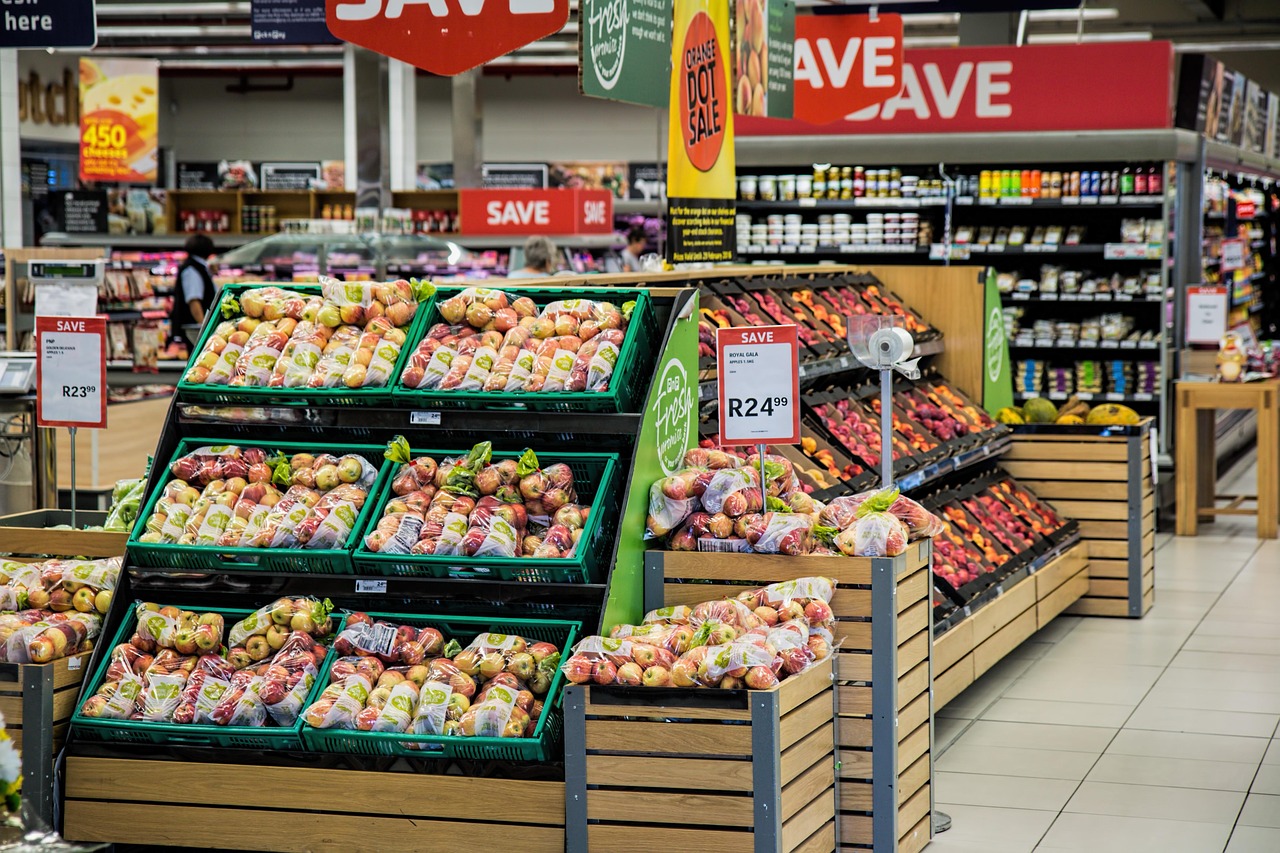
Switching from a traditional cash register to an electronic point-of-sale system is one of the most impactful operational decisions a UK retailer or hospitality operator can make. A modern EPOS system does far more than open a cash drawer — it manages stock, processes card payments, generates real-time reports, and integrates with your accounting software, all from a single touchpoint. This guide walks you through every stage of that transition, from recognising the warning signs that your current till is limiting you, to choosing the right system and getting live with confidence.
Signs Your Cash Register Is Holding Your Business Back
Most business owners reach a tipping point — a moment when the limitations of a basic cash register become impossible to ignore. Recognising these signals early can save you months of lost efficiency and revenue.
- You can't see your stock levels in real time. If you're manually counting shelves or discovering you've sold out of a bestseller only when a customer complains, your till is not working hard enough for you.
- End-of-day reconciliation takes too long. Balancing a cash-only or card-and-cash register manually every evening introduces human error and eats into your margins in labour time.
- You have no sales data to act on. A cash register tells you how much money is in the drawer. It cannot tell you which product lines drive your profit, which hours are your busiest, or which staff member performs best.
- Card payments feel disconnected. Running a separate card machine that doesn't talk to your till creates double-entry, reconciliation headaches, and slower service during peak hours.
- You're missing loyalty and repeat-customer opportunities. Without customer records, every transaction is anonymous — you cannot run promotions, reward loyal buyers, or build a mailing list.
- HMRC Making Tax Digital requirements are growing. Manually maintained records become a compliance burden as MTD for Income Tax extends to more businesses. Digital, integrated sales records simplify your obligations considerably — visit HMRC's Making Tax Digital pages to check your current and upcoming obligations.
What Is an EPOS System and How Does It Differ from a Cash Register?
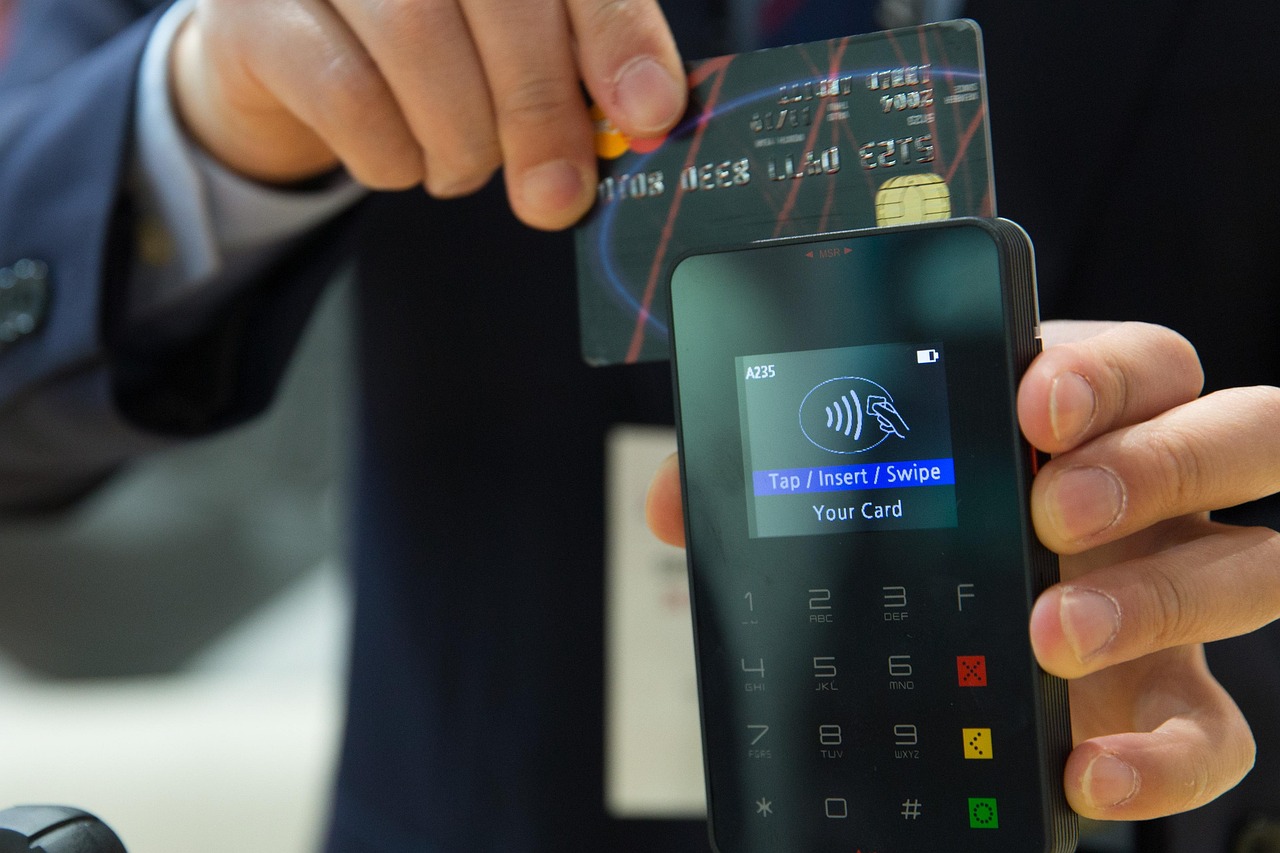
A cash register is an electromechanical device designed to record sales and store cash. An EPOS (Electronic Point of Sale) system is a networked computing platform that handles the entire sales workflow — and everything downstream of it.
| Feature | Traditional Cash Register | Modern EPOS System |
|---|---|---|
| Payment types accepted | Cash only (or cash + separate card reader) | Cash, chip & PIN, contactless, mobile pay, online |
| Stock management | None | Real-time inventory tracking, low-stock alerts |
| Sales reporting | Basic daily totals | Granular reports by product, time, staff, and channel |
| Accounting integration | Manual entry required | Direct sync with Xero, QuickBooks, Sage and others |
| Customer management | Not available | CRM, loyalty programmes, purchase history |
| Multi-site management | Not available | Centralised dashboard across all locations |
| Software updates | Hardware replacement required | Cloud updates delivered automatically |
| HMRC MTD readiness | Manual records needed | Digital audit trail built in |
The practical difference is not just convenience — it is competitive advantage. An EPOS system gives small and independent businesses access to the same operational intelligence that larger chains have relied on for years. For a detailed breakdown of the best options available in the UK market today, our complete buyer's guide to the best till systems for small businesses is an excellent starting point.
Key Benefits for UK Retailers and Hospitality Operators
The return on investment from upgrading your point-of-sale setup manifests across several areas simultaneously.
Faster, More Flexible Transactions
Integrated card payments eliminate the need to re-enter amounts on a separate terminal, reducing queue times and the risk of keying errors. Contactless and mobile wallet acceptance has become a baseline customer expectation in the UK — not an optional extra. If you're evaluating standalone options first, our guide to the best wireless card machines for small UK businesses covers the key considerations.
Stock Control That Works While You Sleep
Every sale automatically decrements your stock count. Reorder alerts fire when quantities fall below the threshold you set. For retailers managing hundreds of SKUs — or an off-licence balancing a complex range of products with age-verification obligations — this alone justifies the switch. See how EPOS systems are used in specialist retail environments in our guide to the best till systems for off licences.
Business Intelligence on Demand
Cloud-based dashboards let you review sales performance from any device, at any time. Identify your peak trading windows, your highest-margin lines, and your slowest-moving stock — then act on that intelligence rather than guessing.
Simplified Compliance
Digital sales records, VAT-ready reporting, and automatic receipt generation reduce the administrative burden of year-end accounting and VAT returns. The data is already structured; your accountant simply imports it.
Scalability Without Disruption
Adding a second terminal, a second location, or an online sales channel is straightforward on a cloud EPOS platform. A cash register cannot grow with your business without being replaced entirely — a modern system scales by configuration.
What to Look for When Choosing Your First EPOS System
Not all EPOS platforms are equal, and the right choice depends on your trading environment. Ask these questions before committing.
Is It Designed for Your Sector?
Retail, hospitality, and specialist sectors such as pharmacy each have distinct workflows. A restaurant needs table management, course splitting, and kitchen display integration. A pharmacy needs PMR-linked dispensing records. A general retailer needs robust barcode scanning and supplier management. Verify that the software has been built — not just adapted — for your environment. EPOS Direct offers sector-specific demos: retail EPOS software demo, restaurant EPOS software demo, and pharmacy EPOS software demo.
Are Card Payments Fully Integrated?
Integrated card payments — where the EPOS software and the card terminal communicate directly — save time, reduce errors, and simplify your reconciliation. Our guide to EPOS systems with integrated card payments explains what to look for and what questions to ask your provider.
What Does the Support and Training Package Look Like?
The hardware is only as good as the support behind it. Confirm you have access to UK-based telephone and online support, onboarding training, and clear documentation. Ask specifically what happens if your system goes offline during a busy service.
Cloud or On-Premise?
Cloud-based systems offer automatic updates, remote access, and lower upfront cost. On-premise solutions can operate without an internet connection and may suit businesses in areas with unreliable connectivity. Many modern systems offer a hybrid — they function offline and sync when the connection is restored.
How Much Does It Cost to Switch to an EPOS System in the UK?
Cost is invariably the first question buyers ask, and the honest answer is that it depends on the scale of your setup. The figures below are indicative market ranges, not quotations — actual pricing varies by supplier, hardware specification, and software tier.
- Entry-level single-terminal setup: Hardware (touchscreen till, receipt printer, cash drawer, barcode scanner) typically starts from around £500–£800 as an outright purchase. Software subscriptions typically begin from approximately £30–£60 per month for a single site.
- Mid-range retail or café setup: A more comprehensive bundle with integrated card payments and cloud software typically falls in the region of £1,000–£1,800 upfront, or £60–£150 per month on a subscription model.
- Multi-terminal hospitality setup: Full restaurant configurations with kitchen printers, table management, and multiple terminals commonly range from £2,000 upward, with monthly software and support from approximately £100–£250 per month depending on feature set.
It is worth noting that many businesses find a subscription model better suited to their cash flow than a large capital outlay — our article on monthly EPOS subscriptions versus outright purchase walks through the pros and cons of each approach in detail. You can also explore current offers directly on the EPOS Direct home page for the latest bundles and promotions.
Factor in potential savings alongside the cost: reduced manual reconciliation time, fewer stock-loss incidents, tighter VAT compliance, and faster service during peak periods all contribute to a measurable return. Many operators report that the system pays for itself within the first year.
Step-by-Step: Moving from a Cash Register to an EPOS System
The transition is more straightforward than most business owners expect, particularly with a provider who offers onboarding support. A typical migration follows this sequence.
- Audit your current setup. List every payment type you accept, your approximate daily transaction volume, the number of staff who operate the till, and any software (accounting, booking, loyalty) you currently use.
- Define your must-have features. Separate essential functionality (stock control, card payments, VAT reporting) from desirable extras (online ordering, loyalty schemes, kitchen display). This prevents over-purchasing and keeps the decision focused.
- Request demonstrations. Never commit based on a brochure. A live demo of the software in a realistic scenario — your menu, your products, your workflows — reveals usability issues that spec sheets conceal. Request a free demo from EPOS Direct to see the platform in action.
- Migrate your product data. Export your product list from any existing system or spreadsheet. Most EPOS platforms accept CSV imports, meaning your full catalogue can be loaded before go-live rather than entered manually.
- Train your team before launch. Even an intuitive system requires familiarisation. Schedule a training session during a quiet period — not an hour before opening. Most good providers include training as part of their onboarding package.
- Run in parallel briefly if needed. For high-volume operations, running the new system alongside the old till for a day or two provides a safety net while confidence builds.
- Go live and review. After the first week, review your reports, confirm stock levels are tracking correctly, and identify any workflow adjustments needed. Your support team should be accessible throughout this period.
For a more detailed walkthrough of this process, our dedicated guide to upgrading from a cash register to an EPOS system covers each stage with additional sector-specific advice.
Why UK Businesses Choose EPOS Direct for Their Upgrade
EPOS Direct is a specialist UK provider with a dedicated focus on point-of-sale hardware and software for retailers, hospitality operators, and specialist businesses including pharmacies and off-licences. Unlike generic technology resellers, the team works exclusively in this space — which means the advice, the configuration, and the aftercare are all grounded in genuine sector knowledge.
Key reasons businesses make the switch with EPOS Direct include:
- Sector-specific software built for retail, restaurant, and specialist environments — not adapted from a generic platform
- Integrated card payment solutions that communicate directly with your EPOS terminal, eliminating double-entry
- Flexible purchasing options — outright purchase or monthly subscription — to suit different cash-flow profiles
- UK-based support and onboarding, with real people available when you need them
- A transparent product range with no hidden fees or lock-in surprises
If you operate a retail business, browse our retail EPOS offers to see current hardware and software bundles. Hospitality operators can explore hospitality and restaurant EPOS packages tailored to F&B environments. You can also explore the EPOS Direct software platform in detail before speaking to anyone.
Not sure which route is right for your specific business? Our comparison of EPOS Direct against other till system providers gives an honest overview of where each solution excels.
Ready to Make the Switch?
Replacing a basic cash register with a modern EPOS system is not simply an upgrade — it is a fundamental shift in how your business operates, reports, and grows. The businesses that make this transition gain visibility, speed, and control that a mechanical till can never provide. The longer you delay, the wider the operational gap between you and competitors who have already made the move.
The EPOS Direct UK team helps independent retailers, restaurateurs, and specialist operators across the country navigate this transition every day. Talk to an expert online for guidance tailored to your business, or request a call back at a time that suits you. If you'd prefer to see the system before committing, request a free, no-obligation demo — the most confident buyers are always the ones who've seen the software running in their own context first.
Written by the EPOS Direct UK team, specialists in EPOS and POS systems for UK retail, hospitality, and specialist businesses.
Frequently asked questions
- How much does it cost to switch from a cash register to an EPOS system in the UK?
- The cost varies depending on your business size and requirements. In the UK, a basic EPOS setup — including a touchscreen terminal, receipt printer, cash drawer and software — typically starts from around £300 to £600 as a one-off purchase. Cloud-based EPOS software subscriptions can range from £20 to £80 per month. EPOS Direct UK offers a range of packages to suit different budgets, and their team can provide a tailored quote based on your specific needs.
- Will I lose my sales data when I switch from my old cash register to an EPOS system?
- Traditional cash registers store very little structured data, so there is usually nothing to migrate directly. However, switching to an EPOS system means you will start building a rich database of sales, stock levels, and customer information from day one. EPOS Direct can help you set up your product catalogue and configure your new system so the transition is as smooth as possible.
- Do I need a strong internet connection to run an EPOS system?
- Many modern EPOS systems, including those offered by EPOS Direct UK, support offline mode, meaning your till can continue processing sales even if your broadband drops temporarily. Data then syncs automatically once your connection is restored. For cloud-based reporting and real-time stock management, a reliable broadband or 4G connection is recommended but not always essential for day-to-day trading.
