We use cookies to make your experience better.
To comply with the new e-Privacy directive, you agree to the privacy policy and our use of cookies


How to Upgrade from a Traditional Till to a Modern EPOS System (Complete UK Guide)
How to Replace Your Old Till with a Modern EPOS System
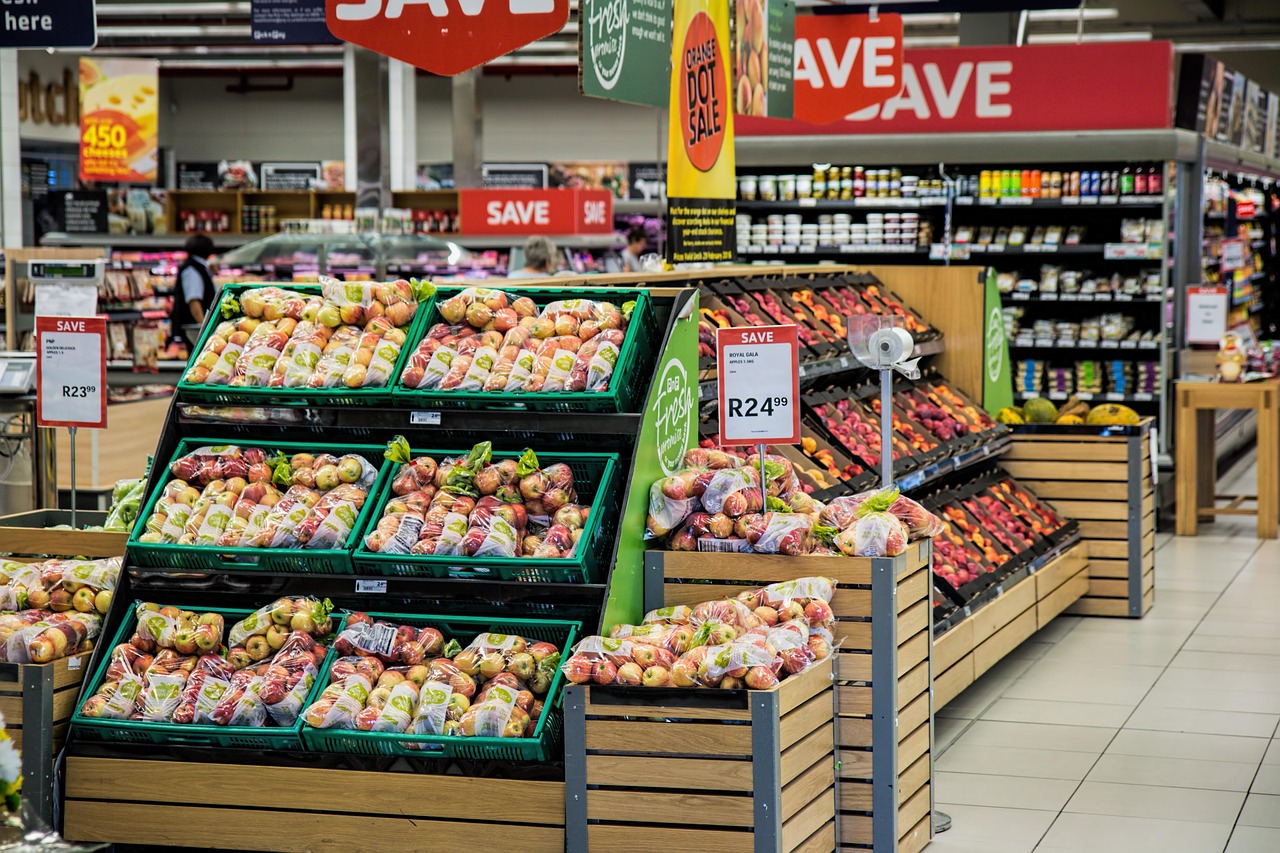
Switching from a traditional cash register to a cloud-connected EPOS system is one of the most impactful operational upgrades a UK retailer or hospitality business can make. A modern EPOS system does far more than process transactions — it manages stock, tracks customer behaviour, integrates with card payments, and delivers real-time reporting accessible from anywhere. If your current till is slowing down your team, limiting your insight, or simply failing to keep pace with how your customers want to pay, this guide walks you through everything you need to know to make a confident, well-informed switch.
Signs Your Old Till Is Holding Your Business Back
Traditional electronic cash registers (ECRs) were designed to do one thing: total a sale and open a drawer. For many businesses, the moment their till starts to feel like a bottleneck rather than a tool, the gap between what they have and what a modern system can offer becomes impossible to ignore.
- No real-time stock visibility. If you are manually counting shelves or discovering out-of-stocks only when a customer asks, your till has no inventory awareness at all.
- End-of-day reconciliation takes too long. Manually cross-referencing till rolls with receipts is a drain on time that modern reporting eliminates entirely.
- You cannot see sales data without being on-site. Cloud-based EPOS gives owners and managers live dashboards accessible from any device, anywhere.
- Card payments are processed on a completely separate device. Disconnected terminals mean double-entry errors, slower service, and no unified transaction history.
- Staff training is inconsistent. Older tills often have unintuitive interfaces with no guided workflows, leading to pricing errors and slow service during peak hours.
- No customer data or loyalty capability. If you have no idea who your repeat customers are or what they buy, you are leaving revenue opportunities on the table.
If two or more of these describe your current setup, the case for upgrading is strong — and the transition is more straightforward than most business owners expect.
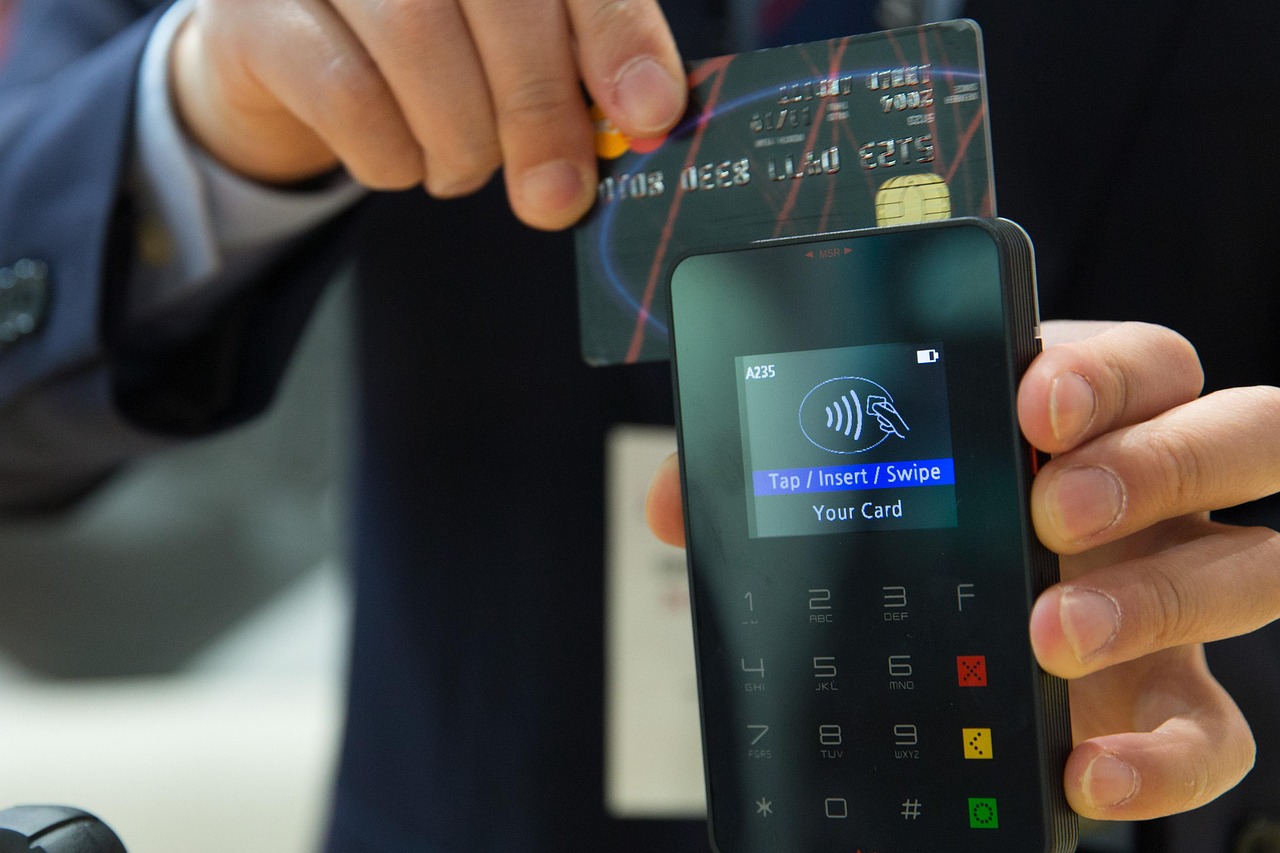
What a Modern EPOS System Can Do That a Till Cannot
An EPOS (Electronic Point of Sale) system combines purpose-built hardware — touchscreen terminal, receipt printer, barcode scanner, cash drawer — with intelligent software that manages every aspect of a sale and its downstream impact on your business.
Core capabilities that traditional tills simply lack
- Live inventory management: Stock levels update automatically with every transaction. Low-stock alerts and automated reorder triggers remove the guesswork from purchasing.
- Integrated card and contactless payments: Card processing runs directly through the EPOS terminal, producing a single, reconciled transaction record. Read more in our guide to combining a card machine and till system.
- Detailed sales analytics: Identify your best-selling products, peak trading hours, average basket value, and margin performance — all from a browser or mobile app.
- Customer relationship tools: Build profiles, track purchase history, run loyalty schemes, and send targeted promotions.
- Multi-site management: Operate multiple locations from a single back-office dashboard with unified reporting.
- Staff management: Clock-in/clock-out, individual sales performance, and permission-based access controls.
- Accounting integration: Direct data feeds to Xero, QuickBooks, Sage, and similar platforms eliminate manual bookkeeping.
For a broader overview of what the right software platform looks like, explore EPOS Direct's full EPOS software suite — including dedicated modules for retail, hospitality, and pharmacy.
Key Features to Look for When Choosing an EPOS System in the UK
Not every EPOS system is built for your sector. A fast-casual restaurant has different workflow requirements from a fashion boutique or a pharmacy. When evaluating platforms, prioritise the following:
Sector-specific functionality
- Retail: Barcode scanning, variant management (size, colour, weight), purchase orders, supplier management, and loyalty programmes.
- Hospitality (restaurants, cafés, pubs): Table management, kitchen display system (KDS) integration, split-bill capability, allergen flagging, and course-by-course ordering.
- Pharmacy: PMR integration, age verification prompts, dispensing workflow, and controlled-drug audit trails.
Integration and payment compatibility
Ensure your chosen system connects with your existing accounting software, e-commerce platform, and preferred payment processor. Deeply integrated card payments remove reconciliation headaches — our guide to EPOS systems with integrated card payments explains what to look for in detail.
Support and reliability
UK-based telephone and online support is non-negotiable for a business-critical system. Ask prospective suppliers about their guaranteed response times and whether on-site engineering is available.
Ease of use and staff training
A touchscreen interface that staff can learn in under an hour reduces training cost and minimises errors during service. Request a hands-on demo before committing — you can book a retail EPOS software demo or a restaurant EPOS software demo directly with EPOS Direct.
How Much Does It Cost to Upgrade to an EPOS System in the UK?
Cost is one of the most common questions business owners have — and rightly so. EPOS pricing in the UK varies considerably depending on hardware specification, number of terminals, software tier, and whether you purchase outright or subscribe monthly. The figures below are honest indicative ranges, not formal quotes.
| Setup Type | Typical Indicative Cost | Best For |
|---|---|---|
| Entry-level single terminal (monthly subscription) | Typically from £30–£60/month (software + support) | Start-ups, market traders, small independents |
| Single terminal outright purchase (hardware + software) | Typically from £500–£1,200 one-off + software licence | Established businesses preferring ownership |
| Mid-range retail setup (2–3 terminals, peripherals) | Typically £1,500–£3,500 hardware; £60–£120/month software | Growing retailers, multi-till environments |
| Hospitality system (terminals + KDS + handheld ordering) | Typically £2,000–£5,000+ hardware; bespoke software pricing | Restaurants, pubs, hotels |
| Multi-site enterprise | Quoted on scope | Chains, franchises, high-volume retailers |
All figures are approximate market guidance for the UK and will vary by supplier and specification. Always request a formal quote before budgeting.
Monthly subscription models spread the cost and typically include software updates and support, whereas outright purchase suits businesses that prefer to own their hardware. Our article on monthly EPOS subscriptions versus outright purchase lays out the financial considerations in full. For businesses concerned about payment acceptance costs, it is also worth exploring card machines with no monthly fee as part of your wider payments strategy.
Step-by-Step: How to Switch from a Traditional Till to an EPOS System
The transition is far more manageable with a structured approach. Here is a practical sequence that experienced EPOS installers follow:
- Audit your current setup. List every piece of hardware in use, every software subscription, and every payment contract. Identify what must integrate with a new system.
- Define your requirements by role. Talk to front-of-house staff, managers, and your accountant. Their day-to-day frustrations will sharpen your specification.
- Request sector-specific demos. Generic demos rarely reveal sector-specific gaps. Ask to see exactly how the system handles your most complex daily transaction type.
- Negotiate a data migration plan. A reputable supplier will help you import existing product catalogues, customer records, and historic sales data — removing the need to re-enter everything manually.
- Plan a phased or off-peak go-live. Schedule the switch for your quietest trading period (early morning, a Monday, or post-holiday). Run parallel systems for one to two days if volume permits.
- Train all staff before go-live. Hands-on sessions with real scenarios — refunds, discounts, split payments — build genuine confidence rather than surface familiarity.
- Review performance after 30 days. Use your new reporting tools to benchmark against the same period in the prior year and identify any workflow adjustments.
Will an EPOS System Integrate with My Existing Software and Payments?
Integration anxiety is one of the most common reasons businesses delay upgrading. The honest answer is: it depends on your chosen platform and supplier, but most modern EPOS solutions are designed to connect with the tools UK businesses already use.
Common integrations to confirm before you commit
- Accounting: Xero, QuickBooks, Sage — check whether the integration is native (automatic sync) or requires a third-party connector.
- E-commerce: Shopify, WooCommerce, BigCommerce — unified stock across online and physical channels prevents overselling.
- Payroll: If your EPOS tracks staff hours, does it export directly to your payroll provider?
- Payment processing: Confirm which card payment providers are supported and whether integrated card acceptance is included or requires a separate contract.
- Delivery platforms: For restaurants, integration with Deliveroo, Uber Eats, or Just Eat via middleware (e.g. Deliverect) can dramatically simplify order management.
If you are considering wireless or mobile payment hardware alongside a new EPOS, our guide to the best wireless card machines for small businesses covers the practical options available in the UK.
Choosing the Right EPOS System: A Quick Decision Framework
| Your Situation | What to Prioritise | Useful Next Step |
|---|---|---|
| Single-site independent retailer | Inventory management, integrated payments, ease of use | Best till systems for small businesses |
| Restaurant or café | Table management, KDS, allergen compliance, split billing | Hospitality & restaurant EPOS offers |
| Multi-location retail chain | Central reporting, stock transfers, staff permissions | Retail EPOS system offers |
| Pharmacy | PMR integration, age verification, dispensing audit trail | Pharmacy EPOS software demo |
| Budget-conscious start-up | Low upfront cost, scalable monthly plan, solid support | Monthly subscription vs outright purchase guide |
Why UK Retailers and Hospitality Businesses Choose EPOS Direct
EPOS Direct has been supplying and supporting EPOS systems to UK businesses across retail, hospitality, and specialist sectors for many years. The team combines hardware expertise with sector-specific software knowledge, and all support is delivered from within the UK — meaning when something needs resolving, a knowledgeable engineer is accessible quickly, not routed through an overseas call centre.
Key reasons businesses across the UK work with EPOS Direct include:
- Purpose-built software for retail, restaurants, and pharmacy — not generic, one-size-fits-all platforms
- Flexible purchasing options: outright buy or monthly subscription
- Full data migration support so your product catalogue, customer records, and pricing transfer cleanly
- On-site installation and staff training as standard on qualifying systems
- UK-based technical support with clear escalation paths
You can find current deals, system bundles, and further information on the EPOS Direct home page, or dive deeper into how everything fits together in our complete guide to EPOS and POS systems for UK businesses.
Ready to Make the Switch?
Upgrading from a traditional till to a modern EPOS system is not merely a technology decision — it is a commitment to running a sharper, more informed, more profitable business. The right system pays for itself through reduced shrinkage, faster service, fewer errors, and the kind of commercial insight that previously required a dedicated analyst.
The EPOS Direct team works with UK businesses at every stage of this process — from an initial needs assessment through to installation, training, and ongoing support. Talk to an expert online to discuss your specific requirements, or request a free demo and see exactly what a modern EPOS system can do for your business — with no obligation and no sales pressure.
Written by the EPOS Direct UK team, who advise and support UK businesses on EPOS and POS systems every day across retail, hospitality, and specialist sectors.
Frequently asked questions
- How much does it cost to switch from a cash till to an EPOS system in the UK?
- Costs vary depending on the size of your business and the features you need. In the UK, a single-terminal EPOS system typically starts from around £300 to £600 for the hardware (touchscreen terminal, receipt printer, and card reader), with software subscriptions ranging from £20 to £80 per month. Full multi-terminal setups for restaurants or larger retailers can range from £800 to £2,500+. EPOS Direct offers flexible finance and leasing options, so you can spread the cost rather than paying upfront. Always ask about setup, training, and ongoing support fees before committing.
- Will I lose all my sales data and product information when I switch to a new EPOS system?
- Not if you plan the migration carefully. A reputable EPOS provider will help you import your existing product catalogue, pricing, and where possible historical sales data, before you go live. EPOS Direct includes a data migration and onboarding service to ensure your business experiences minimal disruption during the switchover.
- How long does it take to set up a new EPOS system and train my staff?
- Most single-site installations can be completed within one to two days, including hardware setup, software configuration, and basic staff training. Modern EPOS systems are designed to be intuitive, so most team members become comfortable within a few hours of hands-on use. EPOS Direct provides on-site installation, remote support, and training resources to get your team up to speed quickly.
