We use cookies to make your experience better.
To comply with the new e-Privacy directive, you agree to the privacy policy and our use of cookies

Retail EPOS Systems with Built-In Stock Management: The Complete Buyer's Guide
Retail EPOS Systems with Built-In Stock Management: The Complete Buyer's Guide
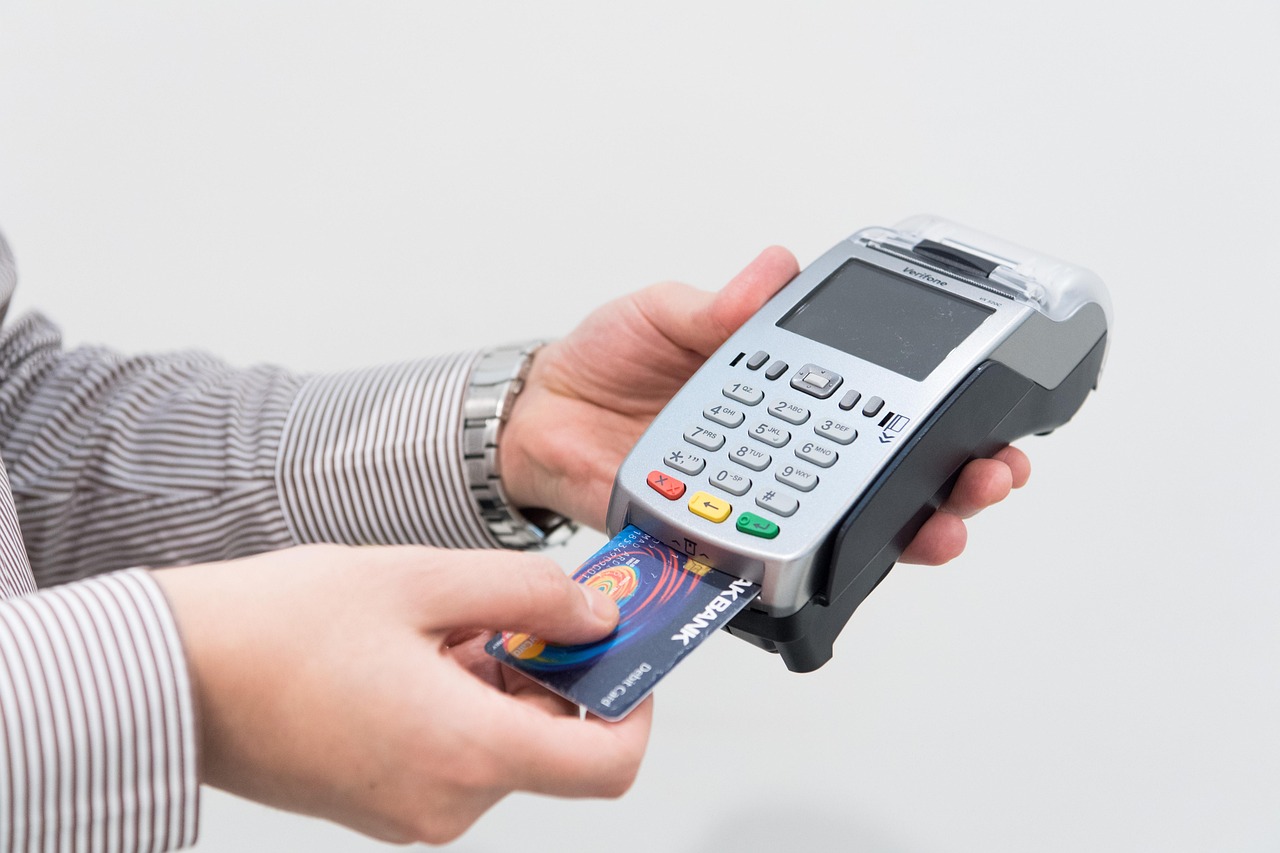
A modern retail EPOS system with integrated stock management does far more than process transactions — it gives you a real-time, accurate picture of every product in your business, from the moment goods arrive to the moment they leave the till. For independent retailers and multi-site chains alike, this combination of point-of-sale and inventory control is the single most effective way to reduce waste, prevent stockouts, and make confident buying decisions. This guide covers everything you need to know to choose the right system for your shop.
What Is a Retail EPOS System with Stock Management, and Why Does It Matter?
An EPOS (Electronic Point of Sale) system is the hardware and software that powers your till, receipts, and payments. When stock management is built directly into that system — rather than bolted on as an afterthought — every sale automatically updates your inventory count in real time. There is no manual reconciliation, no spreadsheet to maintain overnight, and no guessing whether a product is actually on the shelf.
For a UK retailer, this matters enormously. Shrinkage (losses from theft, admin errors, and supplier discrepancies) is estimated by the British Retail Consortium to cost the sector hundreds of millions of pounds annually. Simultaneously, overstock ties up cash and storage space. A properly integrated retail EPOS with live inventory data addresses both problems simultaneously, making it one of the highest-return investments a shop can make.
If you are currently running a basic cash register or a standalone card machine with separate stock spreadsheets, our guide on how to switch from a cash register to a modern EPOS system explains the migration process in practical detail.
Key Stock Management Features to Look for in a Retail EPOS System
Not all inventory modules are created equal. Before committing to any system, confirm it offers the following capabilities:
- Real-time stock depletion: Every sale, return, or exchange should update stock counts instantly, not in batches at the end of the day.
- Low-stock alerts and reorder triggers: Configurable thresholds that notify you — or automatically generate purchase orders — when a product falls below a minimum level.
- Barcode and SKU management: Support for scanning barcodes at goods-in and point of sale, with the ability to assign your own SKUs to unbranded or own-label products.
- Supplier and purchase order management: The ability to raise, send, and receive purchase orders directly from the EPOS back office, so your stock ledger reflects what is on order as well as what is on shelf.
- Variants and matrix stock: Essential if you sell clothing, footwear, or any product that comes in multiple sizes or colours — each variant should be tracked independently.
- Stock take and adjustment tools: A guided stocktake process, ideally using a handheld scanner, with a clear audit trail for every manual adjustment.
- Waste and write-off recording: Particularly important for food retail, where products pass sell-by dates and that loss needs to be captured accurately for P&L purposes.
- Reporting and analytics: Sell-through rates, slow-movers, best-sellers by category, margin by product — all immediately accessible without exporting to spreadsheets.
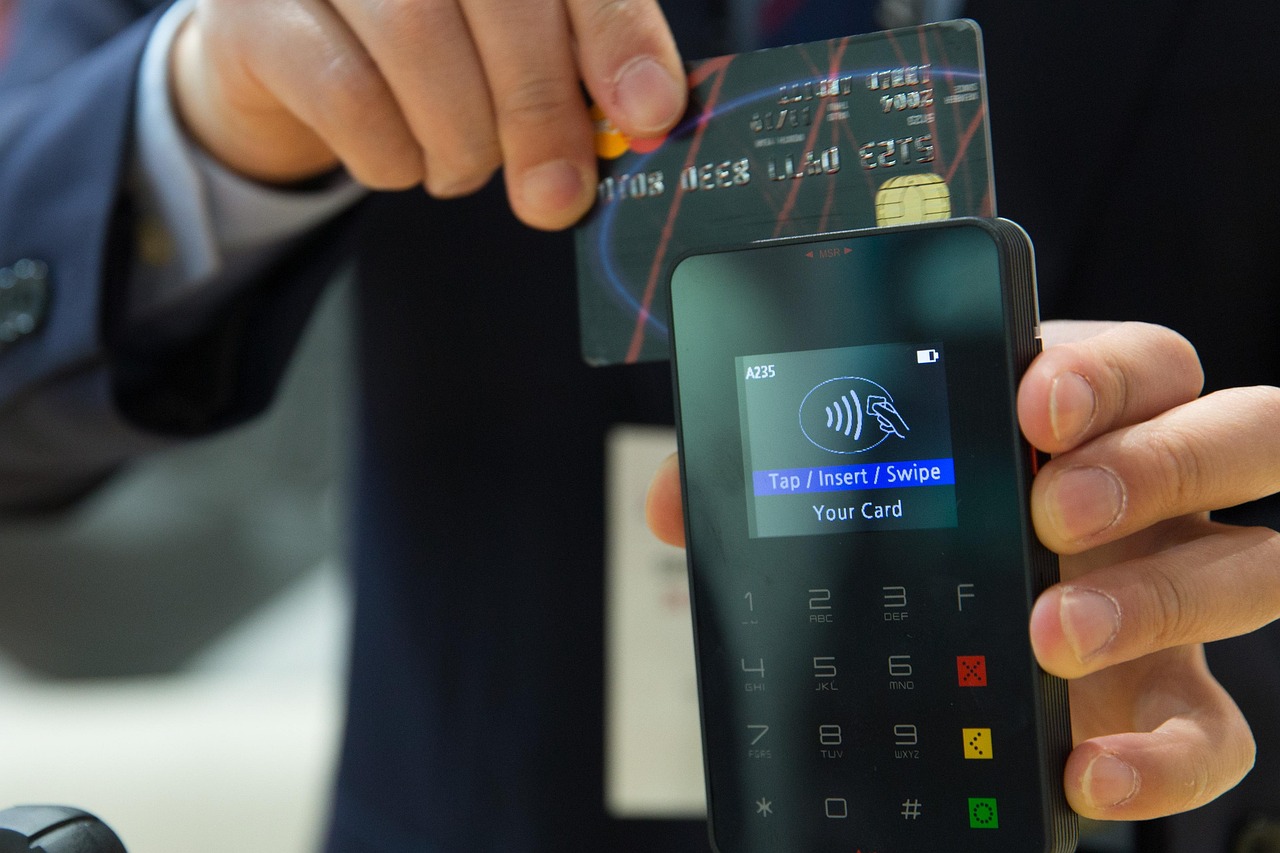
If your business also processes card payments at the till, it is worth ensuring your EPOS integrates payments natively. Our overview of the best EPOS systems with integrated card payments in the UK covers what to check before you sign any payment processing agreement.
How Real-Time Inventory Tracking Reduces Shrinkage and Overstock
The most expensive stock problems share a common root cause: visibility gaps. When your till system and your inventory records are not synchronised, discrepancies accumulate silently until a stocktake reveals the damage weeks or months later.
Shrinkage reduction
Real-time tracking makes discrepancies visible immediately. If ten units of a product were received at goods-in but only eight are now on the system after no recorded sales, the system flags a variance. This prompts investigation — whether the cause is internal theft, supplier short-delivery, or a miscounted goods-in receipt — before the loss compounds. EPOS systems that require a reason code for every manual stock adjustment create an audit trail that is particularly valuable if you ever need to investigate an employee or supplier dispute.
Overstock prevention
Automated reorder triggers replace gut-feel buying with data-driven replenishment. By setting a reorder point and a reorder quantity for each product (based on lead time from your supplier and typical daily sales velocity), the system prompts you only when a top-up is genuinely needed. Over a buying season, this alone can materially reduce the volume of markdown stock you carry at period end.
Supplier accuracy
Purchase order matching — where the system compares what was ordered against what was actually booked in at delivery — catches supplier short-shipments and overcharges before invoices are approved. In high-volume retail environments, this feature often pays for the EPOS system itself within the first year.
Cloud-Based vs On-Premise EPOS Stock Management: Which Is Right for Your Shop?
This is one of the most common questions independent retailers ask when evaluating systems, and the answer depends on your infrastructure, budget model, and growth plans.
| Factor | Cloud-Based EPOS | On-Premise EPOS |
|---|---|---|
| Stock data access | Anywhere, any device with a browser | In-store only (unless VPN configured) |
| Multi-site stock visibility | Natively centralised across all locations | Requires additional networking infrastructure |
| Software updates | Automatic, included in subscription | Manual, often a paid upgrade |
| Upfront cost | Lower (hardware + monthly fee) | Higher (hardware + perpetual licence) |
| Ongoing cost | Predictable monthly subscription | Lower ongoing fees, but maintenance costs apply |
| Internet dependency | Requires reliable broadband; offline mode available on quality systems | Functions without internet connectivity |
| Scalability | Add new sites or tills quickly | Significant IT work required to expand |
| Best for | Growing retailers, multi-site operators, owners who travel | Single-site shops with unreliable broadband or specific compliance requirements |
The clear trend in UK retail is towards cloud-based systems, driven primarily by the convenience of managing stock remotely and the lower barrier to adding new locations. If you are weighing up whether a monthly subscription model suits your cash flow better than an outright purchase, our dedicated guide on monthly EPOS subscription vs outright purchase sets out the maths honestly.
How Much Does a Retail EPOS System with Stock Management Cost in the UK?
Costs vary considerably depending on hardware specification, number of tills, software tier, and whether you opt for a subscription or an outright purchase. The following ranges are indicative of what UK retailers typically encounter in the current market — treat them as a planning guide, not a quote.
Hardware
- Entry-level single-till setup (touchscreen terminal, receipt printer, cash drawer, barcode scanner): typically from around £500 to £900 as a bundle.
- Mid-range setup with a higher-spec terminal, customer-facing display, and handheld stock scanner: typically from £900 to £1,800.
- Multi-till or multi-site deployments: hardware costs scale per till; most retailers budget per-terminal and add central infrastructure (back-office server or cloud subscription) on top.
Software
- Cloud subscription: most setups fall between £30 and £100 per month per site for a full-featured retail package including stock management, reporting, and support. More advanced tiers with advanced analytics or e-commerce integration sit at the higher end.
- Perpetual (on-premise) licence: typically a larger upfront payment, often £500–£1,500 or more for a single-site licence, with annual support and maintenance fees thereafter.
Support and installation
Professional installation, staff training, and data migration (importing your existing product catalogue and historic stock data) are typically charged separately by most providers, ranging from a few hundred pounds for a simple single-site setup to considerably more for complex multi-site deployments. Always confirm what is included in any quoted package.
To explore current offers from EPOS Direct UK, including bundled hardware and software packages for retail, visit our retail EPOS offers page for up-to-date pricing and configuration options.
How EPOS Direct UK's Retail Systems Handle Stock Across Single and Multi-Site Stores
EPOS Direct UK supplies retail EPOS systems to independent shops, small chains, and larger multi-site retailers across the United Kingdom. Our retail software is built with stock management at its core — not added on as an optional module — which means inventory functionality is deeply integrated with sales, purchasing, and reporting from day one.
Single-site retailers
For a single shop, the system gives you a complete product catalogue with real-time stock levels, automated low-stock alerts, and a structured stocktake process accessible from the back-office screen or a handheld device. Reporting surfaces your fastest and slowest sellers, your stock value on hand, and your margin per line — giving you the data to make confident buying decisions rather than relying on habit or supplier pressure.
Multi-site and chain retailers
Where EPOS Direct's platform demonstrates particular strength is across multiple locations. Stock is managed centrally: head office can view live inventory at every site, transfer stock between branches with a recorded transfer note, and run consolidated reports across the entire estate. Pricing updates, new product additions, and promotion configurations can be pushed from the centre to all tills simultaneously — a significant operational advantage over managing each site independently.
If you operate more than one site and are evaluating solutions, our guide to the best till systems for small shops and the complete buyer's guide for small businesses both discuss what to prioritise at different scales of operation. You can also book a retail EPOS software demo to see the stock management tools in action before making any commitment.
More information, current offers, and product information is available on the EPOS Direct UK home page.
How to Get Started: Switching to a Smarter Retail EPOS Solution
The prospect of replacing your till system can feel daunting, particularly if you have years of product data or a large catalogue to migrate. In practice, a well-managed transition is straightforward when broken into clear stages.
- Audit your current setup: List every integration you rely on — accounting software, e-commerce platform, payment terminal — and confirm any new system supports them natively or via a connector.
- Define your stock management requirements: How many SKUs do you carry? Do you need variant tracking? Do you manage multiple suppliers with different lead times? The answers shape which software tier you need.
- Prepare your product data: Export your existing product catalogue, including barcodes, cost prices, and current stock counts. Clean data at migration saves significant time during setup.
- Plan your go-live around a quiet trading period: Many retailers choose to switch over a Monday morning after a full stocktake on Sunday, so the opening stock count in the new system is accurate from day one.
- Train your team before go-live: Staff confidence at the till is directly linked to how well they understand the system. Ensure everyone has practiced sales, returns, and stock adjustments before the first live transaction.
If you have questions about any step in this process, you can talk to an expert from EPOS Direct UK online — our team works with UK retailers every day and can advise on the right configuration for your specific situation.
Ready to Take Control of Your Retail Inventory?
Integrated stock management transforms an EPOS system from a sophisticated till into the operational backbone of your retail business. When your inventory data is accurate, real-time, and accessible, the downstream benefits — fewer stockouts, less shrinkage, smarter buying, and cleaner accounts — compound quickly.
EPOS Direct UK has helped retailers across the United Kingdom implement systems that work from day one and grow with the business. Whether you run a single shop or a small chain, the right EPOS solution is within reach. Request a free demo from EPOS Direct UK today, or request a call back and one of our retail specialists will be in touch to discuss your requirements.
Written by the EPOS Direct UK team, who work with independent retailers and multi-site businesses across the United Kingdom every day, helping them select, configure, and get the most from their EPOS and stock management systems.
Frequently asked questions
- Can a retail EPOS system automatically reorder stock when levels run low?
- Yes — most modern retail EPOS systems, including those supplied by EPOS Direct UK, allow you to set minimum stock thresholds for each product. When stock drops below that level, the system can generate an automatic purchase order or alert your supplier, saving you time and preventing costly stockouts.
- How much should I expect to pay for a retail EPOS system with stock management in the UK?
- Costs vary depending on the number of tills, software features and whether you choose a cloud or on-premise solution. As a general guide, UK retailers can expect to pay anywhere from £300–£800 upfront for entry-level hardware, with software subscriptions typically ranging from £30 to £150 per month per till. Fully managed bundles with stock management, reporting and payment integration from providers like EPOS Direct UK are often available from around £499 as a starter package. Always ask about setup fees, training and ongoing support costs.
- Will a new EPOS system work with the barcode scanners and receipt printers I already own?
- In many cases, yes. Most retail EPOS platforms support standard USB and Bluetooth peripherals including barcode scanners, receipt printers and cash drawers. However, compatibility depends on the specific hardware model and software. EPOS Direct UK can assess your existing equipment during a free consultation and advise whether it can be integrated or whether an upgrade makes better commercial sense.
