We use cookies to make your experience better.
To comply with the new e-Privacy directive, you agree to the privacy policy and our use of cookies


Upgrading from a Traditional Till to a Modern EPOS System: A Complete Guide for UK Businesses
How to Switch from a Traditional Till to an EPOS System: Everything UK Businesses Need to Know
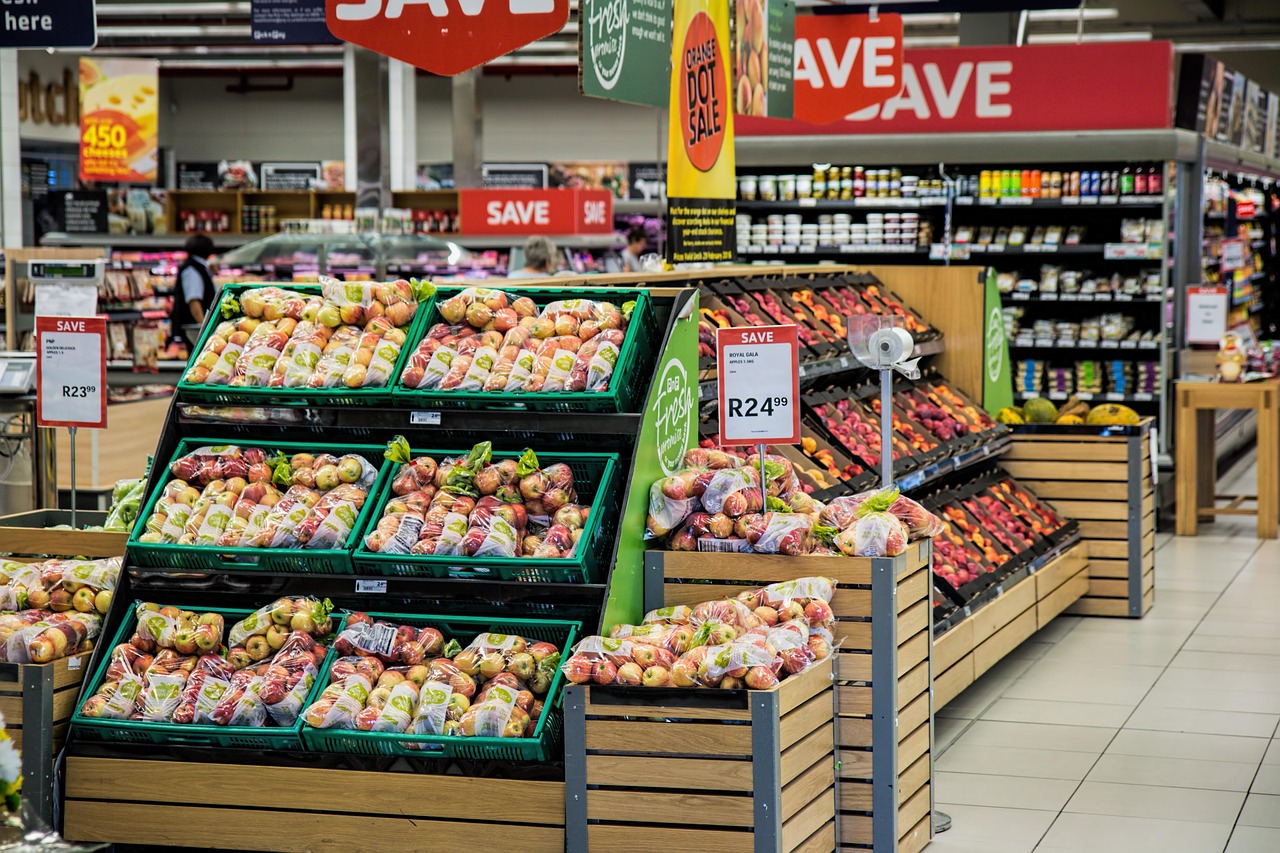
Moving from a traditional cash register to a modern EPOS system is one of the most impactful operational decisions a UK retailer or hospitality operator can make. Done well, the transition is far simpler than most business owners expect — and the payoff in speed, insight and customer experience is immediate. This guide walks you through every stage of the process, from recognising the warning signs that your current till is costing you money, to choosing the right system and going live with confidence.
Signs Your Current Till Is Holding Your Business Back
A traditional cash register does one thing: it opens a drawer and prints a receipt. For many UK businesses, that was enough — until it wasn't. If any of the following feel familiar, it is likely time to upgrade.
- You cannot see what is selling. Without sales reporting, stock decisions are guesswork. Over-ordering ties up cash; under-ordering loses sales.
- End-of-day reconciliation takes too long. Manually counting and cross-referencing cash against a paper till roll is error-prone and time-consuming.
- Card payments feel disconnected. If your card machine is separate from your till, you are keying amounts twice — doubling the chance of human error and slowing every transaction.
- You have no loyalty programme or customer data. Independent businesses increasingly compete on relationship, not just price. A traditional till cannot help you build either.
- Staff training takes days, not hours. Modern EPOS software is designed to be intuitive; if your current system is slow or unintuitive, it is costing you in labour and accuracy.
- You operate across more than one location. Coordinating stock, pricing or promotions across sites is almost impossible without a centralised system.
If two or more of these apply, the cost of staying with your existing till is almost certainly higher than the cost of switching. Explore our practical buyer's guide to till systems for small businesses to see how modern options compare.
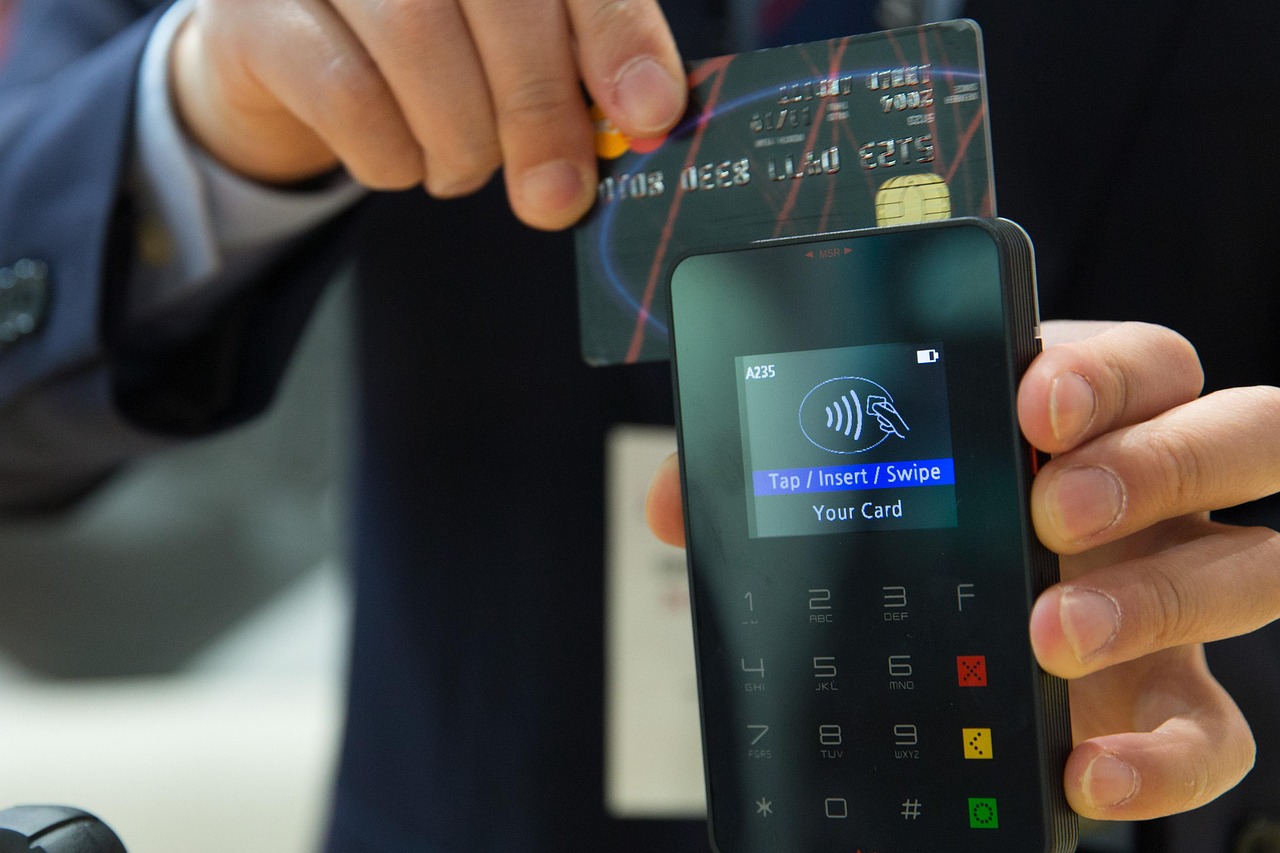
What Is an EPOS System and How Does It Differ from a Cash Register?
EPOS stands for Electronic Point of Sale. Where a cash register is purely a transactional device, an EPOS system is a connected retail or hospitality platform. At its core it combines purpose-built software with hardware — typically a touchscreen terminal, receipt printer, barcode scanner and cash drawer — but its real power lies in what happens behind the transaction.
The key differences at a glance
| Feature | Traditional Cash Register | EPOS System |
|---|---|---|
| Sales reporting | Basic totals only | Real-time, itemised, filterable |
| Stock management | None | Automatic deduction per sale; low-stock alerts |
| Card payment integration | Separate terminal, manual entry | Fully integrated — one tap, one record |
| Staff management | None | Clock-in/out, permissions, performance tracking |
| Customer records & loyalty | None | Built-in CRM and loyalty tools |
| Multi-site management | Not possible | Centralised dashboard across all locations |
| Accounting integration | Manual export/re-keying | Automatic sync with Xero, Sage, QuickBooks etc. |
| Remote access | None | Cloud-based access from any device, anywhere |
The distinction matters because an EPOS system does not just record sales — it generates the data you need to run a tighter, more profitable business. Learn more about the full range of solutions on the complete EPOS Direct guide to EPOS and POS systems for UK businesses.
Key Benefits for UK Retail and Hospitality Businesses
The practical advantages of a well-chosen EPOS system compound over time. Here are the most impactful gains reported by UK businesses after upgrading.
For retailers
- Accurate, real-time stock control — every sale automatically updates your inventory, reducing shrinkage and preventing stockouts.
- Faster checkout — barcode scanning and integrated payments shorten transaction times significantly, particularly at busy periods.
- Smarter buying decisions — sales reports highlight your best and worst performers, so reordering is driven by evidence, not intuition.
- Loyalty and promotions — run discount codes, bundle offers and points schemes directly from the system. See how this works for fashion retailers in our guide to EPOS systems for clothing shops.
For hospitality and F&B operators
- Table and course management — orders flow directly to kitchen printers or display screens, reducing miscommunication and waste.
- Split bills and flexible payments — handle complicated group bills quickly, including mixed cash and card splits.
- Allergen and menu management — update menus and flag allergens centrally, supporting your legal obligations under UK allergen regulations (Natasha's Law, in force since October 2021 — verify current requirements at food.gov.uk).
- Real-time covers and revenue tracking — understand your busiest periods and your most profitable dishes without manual analysis.
How the Switch Works: A Step-by-Step Migration Guide
The prospect of migrating from one system to another can feel daunting, but for the majority of UK businesses the process follows a straightforward sequence — and a good provider handles much of the heavy lifting for you.
- Audit your current setup. List every product, category, price and modifier your business uses. Identify which data (if any) your current till can export.
- Choose your system. Match the software feature set and hardware configuration to your business type. A fashion boutique has different needs from a café — see the section below on choosing the right system.
- Build your product library. Upload your product or menu data. Many EPOS providers, including EPOS Direct, offer import templates that make bulk uploads fast. For smaller menus this can be done in hours.
- Configure your settings. Set tax rates, payment methods, staff permissions, receipt layouts and any integrations (accounting software, online ordering, delivery platforms).
- Train your team. Modern EPOS software is designed for rapid onboarding. A focused half-day session is typically sufficient for most staff; supervisors may benefit from a second session covering reporting and back-office tools. You can preview how training-ready our software is via the retail EPOS software demo or the restaurant EPOS software demo.
- Run parallel for a short period. Where practical, operate both systems for one to three trading days. This gives staff confidence and lets you verify data accuracy.
- Go live and monitor. Switch fully to the new system. Review your end-of-day reports daily for the first week to confirm everything reconciles correctly.
A reputable UK EPOS provider will assign a dedicated onboarding contact and offer remote or on-site support during the go-live period. If a provider cannot describe their onboarding process clearly, that is a red flag.
What Does an EPOS System Cost in the UK?
This is almost always the first question business owners ask — and it deserves a straight, honest answer, even if the precise figure depends on your specific configuration.
Indicative pricing tiers (guidance only — not contractual quotes)
| Business type | Typical hardware outlay | Typical software subscription | What is usually included |
|---|---|---|---|
| Small single-till retail or café | Typically from £500–£900 | Typically from £30–£60/month | Terminal, printer, scanner, cash drawer, core software |
| Mid-size restaurant or retail shop | Typically £900–£2,000+ | Typically £60–£120/month | Multiple terminals, kitchen printer, table management, stock module |
| Multi-site or high-volume business | Quoted per project | Typically £120–£250+/month | Centralised management, advanced reporting, integrations, priority support |
These are indicative market ranges based on typical UK EPOS configurations. Your actual cost will depend on hardware choices, number of terminals, software tier and any integrations required. Always request a written, itemised quote before committing.
Integrated card payments are a separate but related consideration. Bundling your card machine with your EPOS can simplify reconciliation and sometimes reduce overall cost. Our guide to EPOS systems with integrated card payments covers the key options in detail, and if you prefer to keep payments separate, our guide to wireless card machines for small businesses is worth reading alongside this one.
What to Look for When Choosing an EPOS System
Not all systems are built equally, and the wrong choice can be as disruptive as sticking with an old till. Use these criteria to evaluate any provider you speak to.
Software capability
Does the software cover your specific business type? A hospitality system needs table plans, kitchen display integration and course management. A retail system needs strong stock control, purchase orders and label printing. Generic systems sometimes cut corners on sector-specific features — explore the EPOS Direct software platform to see how a purpose-built solution addresses different verticals.
Hardware reliability and UK support
Consumer-grade tablets are tempting on cost, but they are not built for eight-hour-a-day commercial use. Look for purpose-built POS terminals with a clear warranty and UK-based technical support. Ask specifically: what is the guaranteed response time if a terminal fails on a Saturday morning?
Integration ecosystem
Your EPOS should connect cleanly to your accounting package, online ordering platform, delivery aggregators and any loyalty or CRM tools you use. Integrations that require manual exports are not true integrations — they just move the re-keying problem somewhere else.
Scalability
Choose a system you will not outgrow in 18 months. If you plan to open a second site, add an online shop or expand your team, confirm the system can scale before you sign anything.
Transparent pricing and contract terms
Understand exactly what you are paying for hardware (owned outright or leased?), software (monthly rolling or annual commitment?), payment processing (flat rate or interchange-plus?) and support. For a useful breakdown of combined options, see our guide to card machine and till systems combined.
Onboarding and training commitment
A strong provider will include structured onboarding, data migration assistance and staff training as standard — not as paid extras. If these are listed as add-ons, factor the true cost into your comparison.
Common Concerns About Switching — and How to Address Them
"What if we lose data or something goes wrong mid-migration?"
Cloud-based EPOS systems back up data continuously — there is no local hard drive to fail. A competent provider will migrate your product data before go-live is even discussed. The risk of data loss is far greater with an ageing cash register than with a modern EPOS platform.
"Will my staff find it difficult to learn?"
Modern EPOS interfaces are designed around the same touchscreen logic your team already uses on smartphones. Most staff reach comfortable competence within a single shift. Managers typically need a short additional session to get the most from reporting and back-office tools. You can judge the interface yourself before committing — request a free demo to see the system in action.
"Is now the right time, given cash flow pressures?"
This is a legitimate concern, but it is worth reframing: an EPOS system typically pays for itself through reduced waste, faster service, fewer errors and better purchasing decisions. Many providers offer monthly subscription models that spread the cost, and some offer finance options on hardware. If upfront capital is a constraint, ask specifically about rolling monthly arrangements and what is included at each tier. For small businesses in particular, our complete guide to EPOS systems for small businesses addresses the cost-benefit question directly.
"What about connectivity — what happens if the internet goes down?"
Reputable EPOS systems include offline mode, allowing you to continue trading through connectivity interruptions and sync data automatically when the connection is restored. Confirm this feature is included before you choose a provider — it is non-negotiable for busy trading environments.
Conclusion: Making the Move with Confidence
Upgrading from a traditional till to a modern EPOS system is not a leap into the unknown — it is a structured, well-supported process that hundreds of UK retailers and hospitality businesses complete every month. The right system reduces errors, surfaces the data you need to grow, and gives your team tools that make their working day easier. The right provider makes the transition feel straightforward rather than stressful.
EPOS Direct UK works with independent retailers, restaurant groups, pharmacies and hospitality operators across the United Kingdom, providing sector-specific EPOS software, purpose-built hardware and dedicated UK support. Whether you are replacing a single till in a corner shop or rolling out across multiple sites, the team is here to help you make the right choice.
Browse EPOS Direct's full range of EPOS systems, offers and resources, or take the next step today: talk to an expert online for tailored advice, view our retail EPOS offers or our hospitality and restaurant EPOS offers, or request a call back at a time that suits you.
Written by the EPOS Direct UK team, who support UK retailers, restaurateurs and independent business owners with EPOS and POS systems every day.
Frequently asked questions
- How long does it take to set up a new EPOS system when moving from a basic till?
- For most small to medium UK businesses, a new EPOS system can be fully installed and configured within one to three days. Cloud-based systems are often ready to trade the same day. EPOS Direct UK provides on-site installation support and remote setup assistance to minimise any disruption to your trading hours.
- How much should I budget for an EPOS system in the UK?
- Costs vary depending on your business size and requirements. Entry-level single-terminal EPOS packages for small UK retailers or cafés typically start from around £300 to £600 for hardware, with software subscriptions ranging from £20 to £60 per month. Multi-terminal setups for larger hospitality venues can run from £1,000 to £3,000 or more. Many providers, including EPOS Direct UK, offer finance options or bundled packages that spread the cost, making the switch far more affordable than most business owners expect.
- Will I lose my sales data and product information when I switch to an EPOS system?
- No — a good EPOS provider will help you migrate your existing product catalogue, pricing and, where possible, historical sales data to the new system. EPOS Direct UK offers a full data migration service as part of the onboarding process, so you can hit the ground running without re-entering information manually.
