We use cookies to make your experience better.
To comply with the new e-Privacy directive, you agree to the privacy policy and our use of cookies


How to Choose the Right Till System for Your Business: The Complete Buyer's Guide
Till System Buying Guide: Everything UK Businesses Need to Know Before They Buy
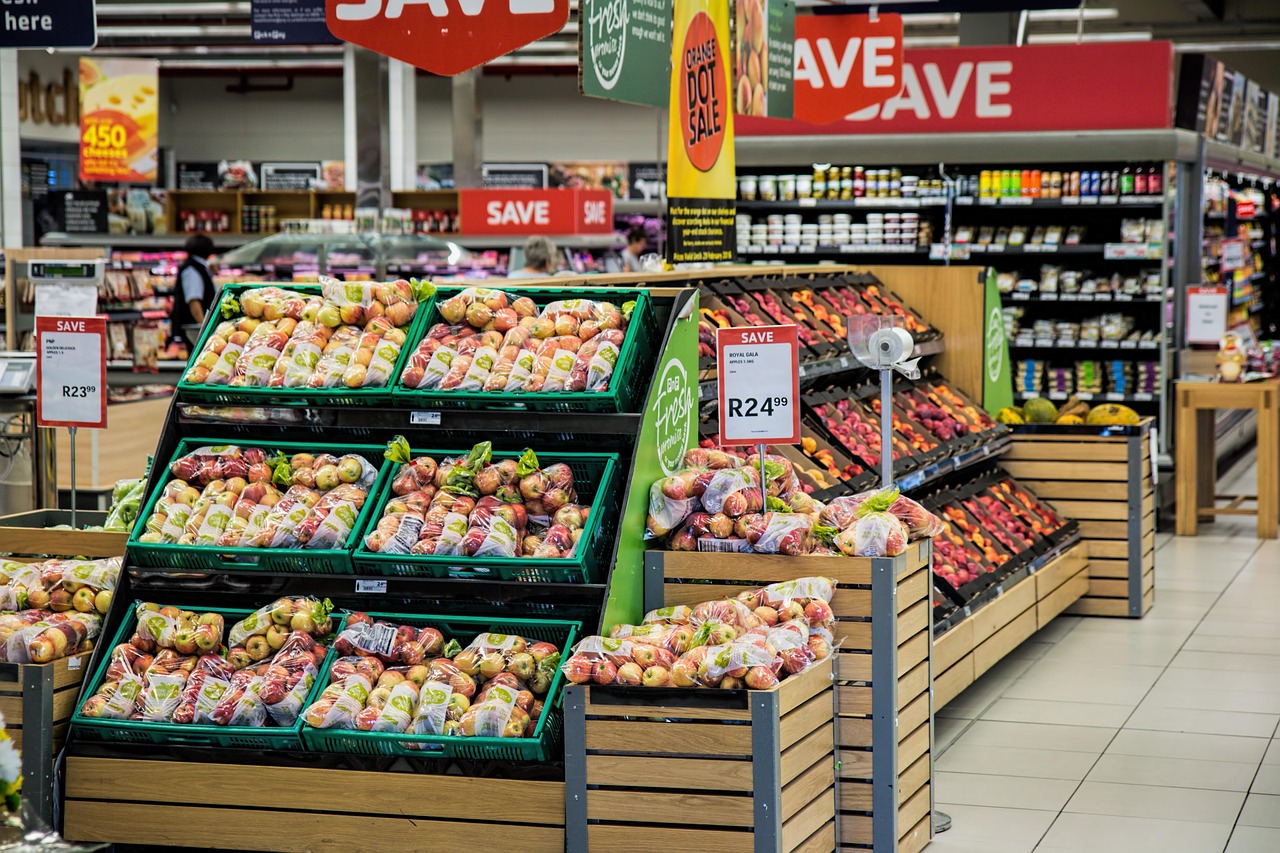
Choosing the right till system is one of the most consequential technology decisions a UK business owner will make — the wrong choice creates daily friction, limits growth, and can cost more to fix than it saved upfront. This guide cuts through the noise: whether you run an independent boutique, a busy café, or a multi-site retail chain, you will find clear, practical criteria to evaluate your options, understand the real costs involved, and buy with confidence.
Written by the EPOS Direct UK team, who help businesses across the United Kingdom select and deploy EPOS and POS systems every day.
What Is a Till System and Do You Actually Need One?
A modern till system — more precisely called an EPOS (Electronic Point of Sale) system — is not simply a cash drawer with a screen. It is the operational hub of a trading business: processing payments, tracking stock in real time, recording sales data, managing staff, and feeding financial reports that would otherwise require hours of manual work.
Strictly speaking, any business that handles transactions can benefit. A sole trader selling a handful of products at a market stall might manage adequately with a basic card reader and a spreadsheet. But the moment you are managing multiple product lines, employing staff, offering promotions, or reporting VAT through Making Tax Digital, a proper EPOS system pays for itself in accuracy and saved time alone.
The core question to ask yourself is: where is your business losing time or money because of how you currently process sales? If stocktakes are manual, refunds are chaotic, or end-of-day reconciliation takes longer than it should, you need more than a basic till.
For a deeper look at small-business-specific options, our guide to the best till systems for small businesses in the UK covers practical scenarios in useful detail.
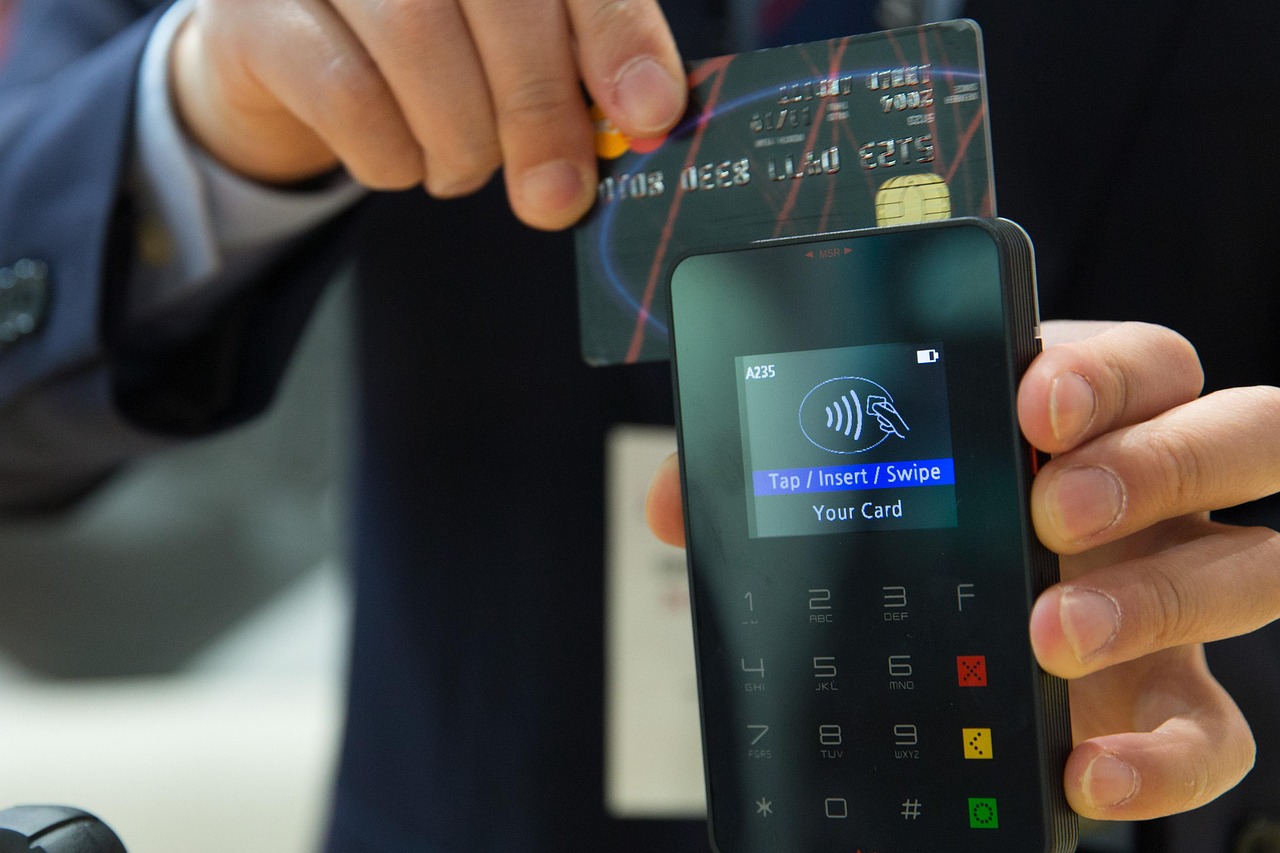
Types of Till Systems: Traditional EPOS, Cloud-Based POS and Mobile Solutions
The market has matured considerably, and the category now spans three broadly distinct approaches. Understanding the differences is the starting point for every purchasing decision.
Traditional On-Premise EPOS
Hardware-centric systems where software runs locally on a dedicated terminal. Data is stored on-site; processing continues during internet outages. Historically favoured by larger retailers and hospitality operators who need guaranteed uptime and tight control over their data environment. Hardware investment is higher upfront, but ongoing software costs can be lower.
Cloud-Based POS
Software runs on remote servers and is accessed via a browser or dedicated app. Updates happen automatically, data is accessible from anywhere, and multi-site reporting is straightforward. Most modern deployments from reputable suppliers — including EPOS Direct — are cloud-connected, giving the best of both worlds: local processing resilience with cloud-backed reporting and management.
Mobile and Tablet POS
iPad or Android-tablet-based systems, often paired with a compact receipt printer and a card reader. Ideal for pop-ups, market traders, table-side ordering in restaurants, and businesses where the counter space is limited. They integrate naturally into a broader EPOS setup when the business grows.
Many businesses find they need a combination — fixed terminals at the counter, mobile devices on the shop floor or at tables, and a cloud dashboard accessible from the back office. See our complete overview of EPOS and POS systems for UK businesses for a broader picture of how these pieces fit together.
Key Features to Look For — Retail vs Hospitality
Features that matter enormously in one sector are irrelevant in another. Before you evaluate any system, map your must-haves against your sector's specific demands.
| Feature | Retail Priority | Hospitality Priority |
|---|---|---|
| Barcode scanning & product lookup | Essential | Low |
| Stock management & reorder alerts | Essential | Useful (for bar stock) |
| Modifier & variant handling (size, colour) | Essential | Useful (dish customisation) |
| Table layout & course management | Not needed | Essential |
| Kitchen display / printer integration | Not needed | Essential |
| Split bills & tab management | Rare | Essential |
| Loyalty & promotions engine | High value | Moderate value |
| Age verification prompts | High (off-licences, pharmacies) | High (licensed premises) |
| Integrated card payments | Essential | Essential |
| Reporting & MTD VAT integration | Essential | Essential |
Integrated card payments deserve particular attention. A seamless link between your EPOS terminal and your payment device eliminates manual keying errors and speeds up transaction times noticeably during peak periods. Our guide on EPOS systems with integrated card payments in the UK explains exactly what to look for and what questions to ask your supplier.
Till System Costs in the UK: Hardware, Software and Hidden Fees Explained
Cost is where buyers most frequently go wrong — either by underestimating the total of ownership, or by choosing the cheapest option and discovering costly gaps later. Below is an honest breakdown of the typical cost layers for UK buyers.
Hardware
A single-terminal setup (touchscreen terminal, receipt printer, cash drawer, barcode scanner) typically falls in the range of £500–£1,500 for entry-level to mid-range equipment. Premium all-in-one units and customer-facing displays push that figure higher. Multi-terminal setups for larger sites scale accordingly. Hardware can be purchased outright or included in a financed package — both are legitimate approaches depending on your cash flow.
Software
Cloud-based EPOS software is commonly priced on a subscription basis, often from around £30–£80 per terminal per month for retail or hospitality packages at the independent-business level, rising with additional features such as multi-site management, advanced loyalty, or CRM integrations. Some suppliers, including EPOS Direct, offer outright purchase options. For a structured comparison of both approaches, read our analysis of monthly EPOS subscription vs outright purchase.
Payment Processing
Card processing fees are separate from EPOS software costs and are charged by your payment processor, not typically by your EPOS supplier. Rates vary depending on card type, transaction volume, and the processor you use. Always clarify this distinction with any supplier you speak to — bundled "all-in-one" pricing can obscure where costs sit.
Hidden Costs to Ask About
- Installation and onboarding: Some suppliers charge for setup; others include it. Ask explicitly.
- Training: Good suppliers invest time in training your team at go-live. Confirm what is included.
- Support contracts: Phone support, remote access diagnostics, and next-day hardware replacement are often separate tiers.
- Software updates: With cloud systems, updates are typically included. With legacy on-premise software, version upgrades can carry a fee.
- Card reader costs: Separate from the main terminal, card readers carry their own pricing. Our guide to card machines with no monthly fee is worth reading if you want to keep recurring costs lean.
How to Choose the Right System for Your Business Size and Sector
Once you understand the feature landscape and cost structure, the selection process becomes a matter of honest self-assessment. Use this framework:
Define Your Non-Negotiables First
Write down the three to five things your current setup cannot do — or does poorly — that directly cost you money or time. These are your minimum requirements. Any system that cannot deliver them is eliminated regardless of price.
Consider Your Growth Trajectory
A system that fits perfectly today but cannot support a second location, an online store, or a loyalty programme in two years' time is the wrong choice. Ask every supplier: what does scaling up look like, and what does it cost?
Match the System to the Sector
- Independent retail: Prioritise strong stock management, barcode integration, and clean sales reporting. See our guide to the best till systems for small businesses for a curated view of suitable options.
- Cafés, restaurants and bars: Table management, kitchen display integration, and split-payment handling are non-negotiable. Explore EPOS Direct's hospitality and restaurant EPOS offers to see what a purpose-built solution looks like.
- Pharmacies and specialist retail: Regulatory compliance, age-verification workflows, and prescription management require specialist software. EPOS Direct offers a pharmacy EPOS software demo so you can evaluate functionality before committing.
- Multi-site or growing businesses: Cloud-based systems with centralised reporting dashboards are almost always the correct choice.
Evaluate the Supplier, Not Just the Software
The system is only as reliable as the company standing behind it. Ask about UK-based support hours, average response times, and what happens if a terminal fails during a busy Saturday service. References from businesses of a similar size and sector are worth requesting.
Common Mistakes to Avoid
Experienced EPOS consultants see the same errors repeated across sectors. Knowing them in advance is a material advantage.
- Buying on price alone. The cheapest system rarely remains cheap once support costs, limitations, and workarounds are factored in.
- Ignoring payment integration. A till and a card machine that do not communicate properly create reconciliation headaches every single day. Read our guide on combining a card machine and till system to understand why integration matters so much.
- Skipping the demo. Software that looks good in a brochure can feel clunky in use. Always test the actual interface before committing. You can request a retail EPOS software demo or a restaurant EPOS software demo from EPOS Direct directly.
- Underestimating training time. Even intuitive systems require staff onboarding. Factor this into your launch timeline.
- Locking in too long without a trial period. Reputable suppliers are confident enough in their product to offer trials or short initial contracts. Be cautious of unusually long lock-in periods with no exit clause.
- Not asking about MTD compliance. HMRC's Making Tax Digital requirements affect VAT-registered businesses. Confirm that any system you consider can produce MTD-compatible records. HMRC's GOV.UK pages are the authoritative source to verify current obligations.
Why UK Businesses Choose EPOS Direct
EPOS Direct has been supplying and supporting businesses across the United Kingdom with purpose-built EPOS hardware and software across retail, hospitality, pharmacy, and specialist sectors. The business combines UK-based expert support with robust, scalable software and a hardware range that covers everything from single-site independents to multi-location operators.
Key reasons businesses return to — and refer — EPOS Direct:
- Purpose-built retail and hospitality software, not a generic platform adapted for sector use
- Integrated card payment solutions that eliminate double-keying and reduce end-of-day errors
- Transparent pricing with no hidden setup surprises
- UK-based support from people who understand the operational realities of British businesses
- Scalable systems that grow with the business rather than constraining it
You can explore the full EPOS Direct offer range, request live demonstrations, and speak directly with an advisor. For retail businesses, view our current retail EPOS offers to see hardware and software packages available right now. If you prefer a conversation first, talk to an expert online — no obligation, no hard sell, just clear guidance.
For more details on the full product and service range, the EPOS Direct home page is the best starting point for current offers and information.
Making Your Decision: A Practical Summary
The right till system is the one that solves your specific operational problems, integrates cleanly with how you take payments, scales with your ambitions, and is backed by a supplier who answers the phone when something goes wrong. The worst purchase decision is the one made quickly on price without testing the software or interrogating the support terms.
Take the time to demo at least two systems, ask hard questions about total cost of ownership, and insist on speaking to existing customers in your sector. EPOS Direct's team is available to walk you through the options with no pressure — request a free demo today, or request a call back at a time that suits you. Getting this decision right is worth the conversation.
Frequently asked questions
- How much does a till system cost for a small UK business?
- Costs vary depending on your setup. A basic cloud-based till system in the UK typically starts from around £300–£600 for a single terminal including hardware (touchscreen, receipt printer, cash drawer). Mid-range EPOS bundles for retail or hospitality range from £600–£1,500. Software subscriptions usually add £20–£80 per month. Larger multi-terminal setups or bespoke configurations can run £2,000–£5,000+. EPOS Direct offers transparent, all-inclusive packages tailored to your business size — contact us for a no-obligation quote.
- What is the difference between a traditional till and a modern EPOS system?
- A traditional cash register simply records sales and opens a cash drawer. A modern EPOS (Electronic Point of Sale) system does far more: it tracks stock in real time, generates sales reports, manages staff permissions, integrates with payment terminals, and often connects to your accounting or e-commerce platforms. For most UK businesses, an EPOS system pays for itself quickly through better stock control and reduced admin time.
- Do I need an internet connection to run a till system?
- It depends on the system. Cloud-based EPOS systems require a reliable broadband or 4G connection to sync data in real time, though many operate in offline mode and sync automatically once reconnected. On-premise systems store data locally so they work without internet but miss out on cloud reporting and remote access. For most UK hospitality and retail environments, a cloud system with offline capability is the safest and most flexible choice.
