We use cookies to make your experience better.
To comply with the new e-Privacy directive, you agree to the privacy policy and our use of cookies


The Best Till Systems for Clothing Shops: A UK Buyer's Guide
Till Systems for Clothing Shops: Everything UK Fashion Retailers Need to Know
A clothing retail business has genuinely different operational demands from a café, a hardware shop or a pharmacy — and the EPOS system at the heart of it needs to reflect that. From managing dozens of size-and-colour combinations per product to synchronising in-store stock with an online boutique, the right till setup can be the difference between smooth trading and daily frustration. This guide, written by the EPOS Direct UK team who support fashion retailers across the country every day, covers every decision point a UK clothing shop owner or manager needs to consider before investing.
Why Clothing Shops Have Specialist Till Requirements
Most generic till systems are built around simple one-SKU-per-product logic. That works well for a coffee shop or a newsagent, but clothing retail is fundamentally different. A single jacket might exist in five sizes and four colours — twenty individual stock-keeping units that each need to be tracked, priced, and replenished independently. When a customer exchanges a medium for a large, the system needs to handle that seamlessly, adjusting stock across both variants instantly.
Beyond variant management, clothing retailers also deal with seasonal range changeovers, promotional pricing on end-of-line stock, loyalty schemes, gift cards, and — increasingly — a need to unify what happens in the fitting room with what happens on a Shopify or WooCommerce store. A till system that cannot handle these realities creates manual workarounds that cost time and introduce errors.
Key Features to Look for in a Fashion Retail EPOS System
Not every feature matters equally to every retailer. The list below prioritises the capabilities that genuinely separate a competent fashion EPOS from an inadequate one.
Non-negotiable capabilities
- Matrix product entry: Create one product record and assign attributes (size, colour, length, fit) as a matrix rather than entering each variant manually.
- Barcode and label printing: Generate garment tags in-house for own-label stock, or scan supplier barcodes on arrival.
- Customer accounts and purchase history: Essential for personalised service, returns processing, and loyalty rewards.
- Flexible promotions engine: Seasonal markdowns, buy-two-get-one, percentage-off entire categories, and time-limited flash sales.
- Staff management: Clocked hours, individual sales performance, and role-based permissions so junior staff cannot access cost data.
- Refunds and exchanges: Itemised returns with the option to exchange for a different variant and handle the price difference cleanly.
Desirable but context-dependent
- Multi-location stock visibility (especially relevant for small chains or a shop plus market stall)
- Integrated e-commerce synchronisation
- Customer-facing display or self-checkout
- Gift card and store credit management
If you are weighing up a fully featured retail system against a simpler setup, our guide to EPOS systems for small businesses offers a useful grounding in what different tiers of solution provide.
Handling Size, Colour and Variant Management
This is the area where generic till systems most frequently let clothing retailers down. A well-designed fashion EPOS presents stock in a visual matrix: columns for sizes (XS through 3XL, or UK 6 through 22), rows for colours, and live stock levels in each cell. A sales assistant can glance at the screen and immediately tell a customer which combinations are available, without leaving the counter.
On the receiving side, good variant management means a goods-in screen where a buyer can receive a supplier delivery by scanning each barcode — or importing a CSV from the supplier — and the system automatically reconciles quantities against the purchase order, flagging discrepancies. This transforms a laborious end-of-delivery check into a five-minute task.
For retailers with their own label or unbranded imported stock, integrated label printing means a garment can be tagged and rack-ready within minutes of being received, with the correct price, barcode and care information already assigned in the system.
Integrating Your Till with Stock Control and Online Sales
The clearest sign that a clothing business is outgrowing its current setup is when the person managing the website is doing a manual stock check before updating product availability online. That single inefficiency can result in overselling, customer disappointment, and time wasted on refunds.
A modern retail EPOS integrates with the most common e-commerce platforms — Shopify, WooCommerce, Magento and others — so that every in-store sale instantly reduces the available quantity online, and every online order triggers a pick instruction. This bidirectional sync removes the need for manual reconciliation and means your website never shows a size as available when the last one sold an hour ago in-store.
For retailers operating on multiple channels or thinking about launching online, the combined card machine and till system guide explains how integrated payments across channels simplify end-of-day reconciliation considerably.
Stock control reporting is equally important. A good fashion EPOS will show you which sizes sell fastest by category, which colourways are sitting unsold, and what your stock turn rate is per product line. These insights inform buying decisions — reducing the capital tied up in slow-moving stock and helping you order more confidently of your bestsellers.
What Does a Till System for a Clothing Shop Cost in the UK?
This is one of the most common questions retailers ask before committing to a system, and the honest answer is that costs vary considerably depending on hardware, software, and whether you opt for a cloud subscription or an outright purchase model.
As a general guide for the UK market:
- Entry-level cloud subscription (software only, tablet-based): typically from around £30–£60 per month, excluding hardware.
- Mid-range retail EPOS bundle (touchscreen till, receipt printer, barcode scanner, card reader): hardware typically from around £800–£1,500 as a one-off purchase, plus software from around £40–£80 per month if cloud-based.
- Multi-terminal or multi-location setups: budget from around £1,500–£3,000+ for hardware across a small chain, with monthly software fees scaling per terminal or per site.
- Outright purchase with no ongoing monthly fee: some providers offer perpetual licence models; see our guide to EPOS systems with no monthly fee to understand the trade-offs.
These are indicative ranges based on typical UK market conditions and should be used for budgeting guidance only. Your actual costs will depend on your specific requirements, chosen provider, and whether you bundle in payment processing. To get a clear picture of what your setup would cost, request a call back from our team and we can walk through a configuration matched to your shop.
For retailers prioritising affordability without sacrificing core functionality, our guide to affordable EPOS systems for small UK businesses is worth reading before you commit.
Cloud-Based vs Traditional EPOS: Which Suits a Fashion Retailer?
| Consideration | Cloud-Based EPOS | Traditional On-Premises EPOS |
|---|---|---|
| Upfront cost | Lower — software accessed via subscription | Higher — perpetual licence purchased outright |
| Ongoing cost | Monthly or annual subscription | Lower ongoing cost once purchased; support fees may apply |
| Remote access | Full — view reports and manage stock from anywhere | Limited — usually requires VPN or on-site access |
| Software updates | Automatic, included in subscription | Manual — may incur upgrade costs |
| Internet dependency | Requires reliable broadband; offline mode varies by provider | Fully operational without internet |
| E-commerce integration | Generally stronger — API-first design | Possible but may require third-party middleware |
| Best suited to | Growing retailers, multi-channel sellers, those wanting flexibility | Retailers in areas with poor broadband, or those preferring ownership |
For most clothing retailers in 2025 and beyond, cloud-based EPOS offers a compelling combination of accessibility, automatic updates, and e-commerce connectivity. However, if your shop is in a rural location with unreliable connectivity, or if you have a philosophical preference for owning your software outright, a traditional system remains a perfectly valid choice — provided it has strong variant management built in.
Accepting Card Payments at the Till
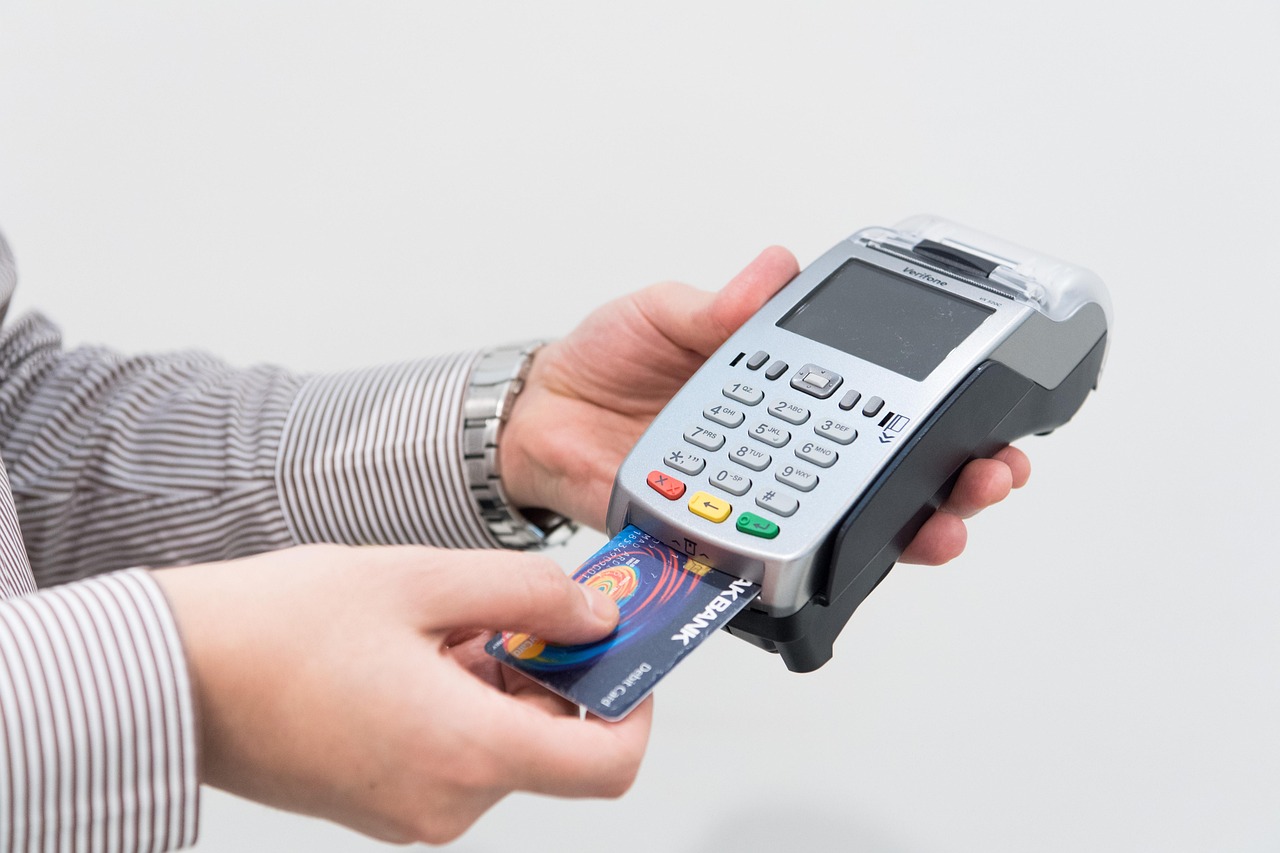
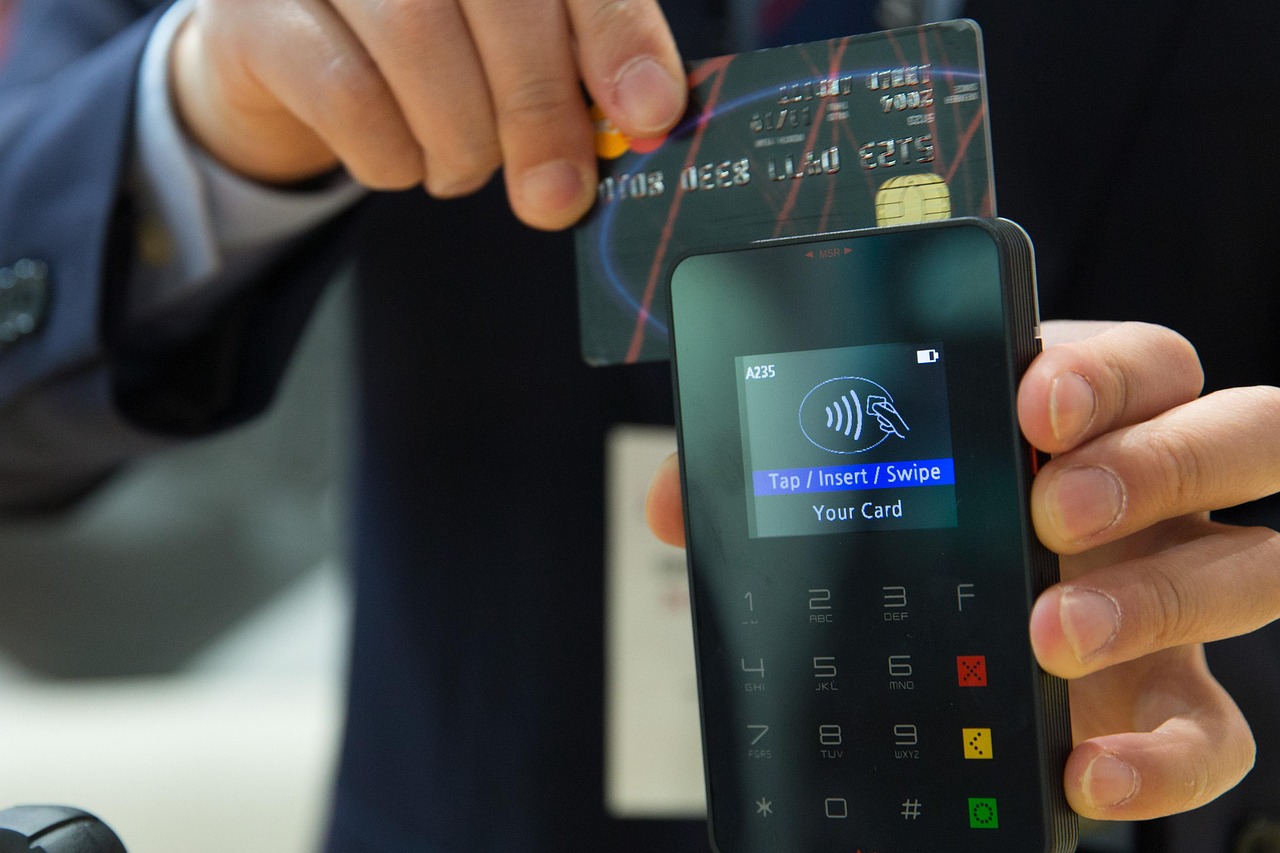
Card and contactless payments now account for the overwhelming majority of retail transactions in the UK, and clothing shops — where average transaction values are typically higher than in convenience retail — feel this acutely. An EPOS system that integrates natively with your card terminal removes the need for manual entry of totals on a separate device, eliminates keying errors, and speeds up the checkout experience meaningfully at busy periods.
When evaluating card payment options, consider whether your provider offers integrated payment processing or simply connects to a third-party terminal. Integrated processing means the EPOS sends the amount directly to the card reader — no double-entry, no reconciliation headaches. Our guide to the best card payment machines for small UK businesses covers the key criteria in detail.
If controlling costs is a priority, it is also worth reviewing whether card machine fees include a monthly rental or whether a no-monthly-fee option would suit your transaction volumes better — see our guide to card machines with no monthly fee for an honest comparison.
Why UK Clothing Retailers Choose EPOS Direct
EPOS Direct has been supplying and supporting EPOS systems to UK retailers for many years. Our retail software is built with fashion in mind: full size-and-colour matrix management, an intuitive touchscreen interface, integrated barcode scanning and label printing, customer loyalty tools, and real-time stock reporting are all included as standard — not bolted on as expensive add-ons.
We supply hardware and software as a complete, tested package, so you are not piecing together components from different suppliers and hoping they talk to each other. Our UK-based support team is available when you need them, and our system is used in independent boutiques, established high-street clothing chains, and everything in between.
You can explore more offers and information about our full retail range on the EPOS Direct home page, or go straight to our retail EPOS offers page to see current configurations and pricing. If you would prefer to see the software in action before committing, book a retail EPOS software demo and one of our specialists will walk you through every feature relevant to a clothing retail environment.
Making the Right Decision for Your Shop
The best till setup for a clothing retailer is one that manages your product variants without friction, gives you clear stock visibility, integrates with the way you sell — whether that is purely in-store, online, or both — and grows with your business rather than constraining it. Take time to map your specific requirements before requesting quotes, and always ask to see the variant management and reporting features demonstrated on real clothing-style product data.
Ready to move forward? Talk to an expert online at EPOS Direct UK, or request a free demo and discover how the right EPOS system can transform the way your clothing shop operates.
Frequently asked questions
- Can a clothing shop till system manage multiple sizes and colours for the same product?
- Yes. A purpose-built fashion retail EPOS system lets you create a single product entry and attach variants such as size (XS to XXL) and colour (black, white, red) as attributes. Each variant holds its own stock count, barcode and price if needed. This eliminates duplicate product entries and makes stocktaking far more accurate, so you always know exactly how many size-12 blue dresses are left on the shop floor.
- What should I budget for a till system for my clothing boutique?
- In the UK, a single-till EPOS setup for a clothing shop typically costs between £300 and £800 for the hardware (touchscreen terminal, barcode scanner, receipt printer and cash drawer) plus a monthly software licence ranging from around £30 to £80 per month depending on features. Cloud-based subscriptions with full stock and reporting tools generally fall in the £40–£70 per month range. Multi-site retailers can expect volume pricing. EPOS Direct offers flexible finance options and can provide a tailored quote based on the size and needs of your store.
- Will my new till system work with my existing card payment terminal?
- It depends on the manufacturer and payment provider. Many modern EPOS systems, including those supplied by EPOS Direct, support integrated card payments through major UK acquirers, meaning your card terminal communicates directly with the till to remove manual amount entry and reduce errors. If you have an existing contract with a card processor, it is worth confirming compatibility before purchase. EPOS Direct can advise on supported payment integrations during a free consultation.
