We use cookies to make your experience better.
To comply with the new e-Privacy directive, you agree to the privacy policy and our use of cookies

The Best Touchscreen Till Systems for UK Restaurants: A Complete Buyer's Guide
Touchscreen Till Systems for Restaurants in the UK: Everything You Need to Know Before You Buy

A modern touchscreen till system is one of the most impactful investments a restaurant owner can make: it streamlines order-taking, reduces costly errors, and gives you real-time visibility over every transaction on the floor. Whether you run a bustling city-centre bistro, a countryside pub kitchen, or a fast-casual chain with multiple sites, the right EPOS solution will pay for itself through faster service, tighter stock control, and happier guests. This guide covers everything you need to evaluate, compare, and confidently buy a restaurant till system in the UK.
What Is a Touchscreen Till System and Why Do Restaurants Need One?
A touchscreen till — more precisely an EPOS (Electronic Point of Sale) system — combines purpose-built hardware with hospitality-specific software to manage orders, payments, tables, and reporting from a single interface. Unlike legacy cash registers, a modern EPOS terminal talks directly to your kitchen display, card machine, and back-office reporting in real time.
For restaurants specifically, the stakes are high. A missed modifier on a dish, a duplicate order sent to the kitchen, or a table billed incorrectly can erode both margins and guest trust. A well-configured EPOS system eliminates those failure points by routing orders automatically, flagging allergens, and splitting bills to the penny.
- Order accuracy: Staff tap a table, select items and modifiers, and the order fires directly to the kitchen printer or display — no handwriting, no shouting across a pass.
- Table management: A visual floor plan shows which tables are occupied, how long they have been seated, and which courses have been served.
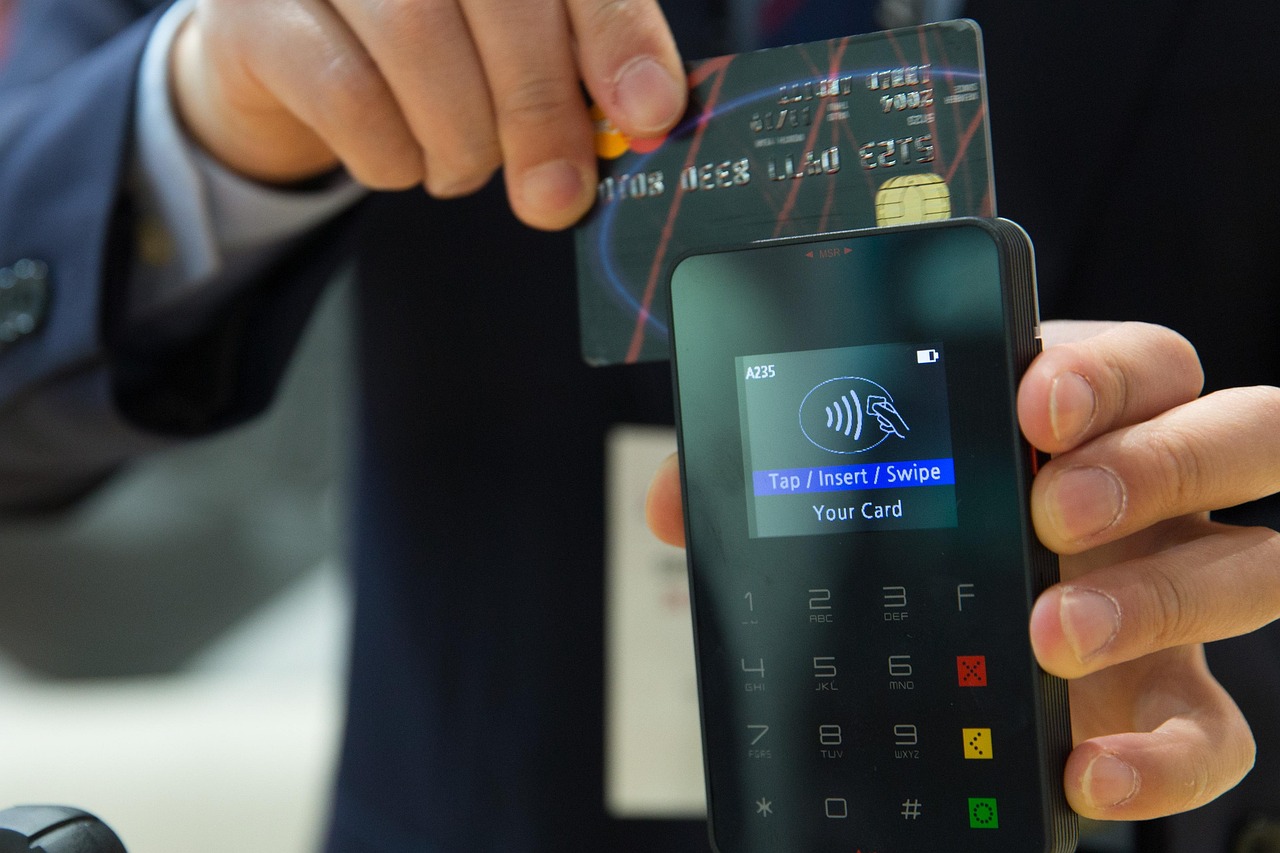
- Integrated payments: Card terminals paired directly with the EPOS mean no manual amount entry and no reconciliation headaches at close. See our guide to the best EPOS systems with integrated card payments in the UK for a full breakdown.
- Compliance: VAT-compliant receipts, allergen prompts, and age-verification reminders are built into well-designed hospitality software.
Key Features to Look for in a Restaurant EPOS Terminal
Not every till system is built for a hospitality environment. Before you shortlist suppliers, verify that the solution covers these non-negotiables.
Hospitality-specific software
A retail EPOS bolted into a restaurant rarely works well. Look for dedicated hospitality features: course management, split-bill handling, cover counts, happy-hour pricing rules, and kitchen display system (KDS) integration.
Reliability and offline mode
A Friday night service is the worst time to discover your system needs a live internet connection to function. Offline capability — where the terminal continues to process orders and payments even if broadband drops — is a must-have, not a bonus.
Ease of staff training
Hospitality has one of the UK's highest staff-turnover rates. An intuitive interface that a new team member can learn during a single shift saves hours of management time every month. Ask suppliers for a hands-on trial; EPOS Direct offers a restaurant EPOS software demo so your team can evaluate the interface before committing.
Integration ecosystem
Your EPOS should connect cleanly with your reservation platform, delivery aggregators (Deliveroo, Uber Eats, Just Eat), accounting software (Xero, Sage), and loyalty programmes. Ask for an up-to-date integration list, not a vague promise of "coming soon" connectors.
Reporting and analytics
Line-item sales reports, covers-per-hour, void and refund logs, and server performance data are the indicators serious operators use to benchmark and improve. Cloud-based reporting means you can review last night's takings from your phone the next morning.
How a Modern EPOS System Improves Table Turnover and Revenue
The commercial case for upgrading is straightforward: faster, more accurate service means more covers served per session and a higher average transaction value.
Faster order-to-kitchen time
When a server takes an order at the tableside on a handheld terminal, it fires to the kitchen in seconds. Removing the walk to a fixed terminal — or the scribbled paper docket — can shave several minutes off each table's service cycle. Across a busy weekend service, that translates directly into additional covers.
Upselling prompts
Configured correctly, your EPOS can prompt staff to suggest add-ons ("Would you like to add a wine pairing?") or flag high-margin specials at order entry — systematically lifting average spend without relying on memory or enthusiasm alone.
Reducing voids and comps
Every voided item is a margin leak. When orders go straight from terminal to kitchen with no ambiguity, the volume of incorrect dishes prepared — and written off — falls significantly.
Faster payment at the end of the meal
Integrated card readers mean a server can close a table in under a minute. Portable payment terminals that pair wirelessly with the EPOS also reduce the number of times guests are left waiting. Our guide to the best wireless card machines for UK businesses explores the hardware options in detail.
Cloud-Based vs. On-Premise Restaurant Till Systems: Which Is Right for You?
This is one of the most common questions operators ask us, and the answer depends on your priorities.
| Factor | Cloud-Based EPOS | On-Premise EPOS |
|---|---|---|
| Data storage | Hosted securely off-site; accessible anywhere | Stored locally on your server |
| Internet dependency | Requires broadband; offline mode recommended | Fully functional without internet |
| Software updates | Automatic, pushed overnight | Manual, typically via engineer visit or download |
| Multi-site reporting | Centralised dashboard across all locations | Requires additional infrastructure |
| Upfront cost | Lower (subscription model available) | Higher (perpetual licence + hardware) |
| Ongoing cost | Monthly software fee | Lower monthly cost once paid off |
| Best for | Growing operators, multi-site groups, new openings | Established single sites with reliable local IT |
For most UK restaurant operators opening or upgrading today, a cloud-based system with a robust offline mode delivers the best balance of flexibility, scalability, and low upfront commitment. If you are weighing the financial models, our article on monthly EPOS subscription versus outright purchase sets out the long-term maths clearly.
How Much Does a Touchscreen Restaurant Till System Cost in the UK?
Pricing varies considerably depending on hardware specification, software tier, number of terminals, and whether you opt for a subscription or outright purchase. The following ranges are indicative of the UK market and should be treated as a starting guide, not a formal quote.
Hardware
- Entry-level single terminal (15" touchscreen, receipt printer, cash drawer): typically from £500–£900 as an outright purchase.
- Mid-range hospitality bundle (terminal, kitchen printer, card reader, stand): typically £1,000–£2,000 per station.
- Full multi-terminal restaurant setup (2–4 EPOS stations, KDS screen, handheld ordering, integrated payments): most complete installations fall between £3,000 and £8,000 in hardware outright, depending on specification and site complexity.
Software
- Cloud EPOS software licences for restaurants typically run from £30–£80 per terminal per month, depending on feature tier and contract length.
- Perpetual (on-premise) licences are a higher upfront cost but carry lower ongoing fees.
Payment processing
Card processing rates in the UK are set by your acquiring bank or payment provider, not your EPOS supplier, and are regulated under UK FCA rules. Always confirm rates separately with your payment provider and review the interchange-plus or blended rate structure before signing. EPOS Direct can introduce you to compatible payment partners.
To explore current pricing and configuration options for your restaurant, view EPOS Direct's hospitality and restaurant EPOS offers or talk to an expert online for a tailored recommendation.
Is a Touchscreen Till System Right for a Small or Independent Restaurant?
Absolutely — in fact, independent operators arguably benefit more than large chains, because a well-chosen EPOS removes the operational overhead that would otherwise require additional management headcount. Even a single-terminal setup gives you real-time reporting, integrated card payments, and a professional guest experience that a tablet wedged into a stand simply cannot replicate reliably under service pressure.
If you are new to EPOS buying, our broader guide to the best till systems for small businesses in the UK covers the foundational questions common to all sectors before you specialise into hospitality requirements.
Equally, if you are currently running on a traditional cash register and wondering whether the switch is worth it, our step-by-step guide to upgrading from a cash register to a modern EPOS system addresses the transition practically and without jargon.
How EPOS Direct's Restaurant Systems Compare
EPOS Direct is a UK-based EPOS specialist supplying independent restaurants, pub groups, cafés, and multi-site operators. Unlike generic point-of-sale providers, the business focuses exclusively on EPOS hardware and software, which means restaurant-specific configuration, genuine UK support, and in-depth product knowledge rather than a call-centre script.
What sets EPOS Direct apart
- Purpose-built hospitality software: Table management, course firing, allergen prompts, kitchen display integration, and covers reporting are core features — not paid add-ons.
- UK-based support: Technical support from a team that understands UK hospitality compliance requirements, including VAT receipt formatting and licensing-related prompts.
- Flexible acquisition: Choose outright purchase, lease, or monthly subscription to match your cash-flow position.
- Scalable hardware: From a single countertop terminal in a café to a networked multi-till setup across a hotel restaurant, the platform scales without requiring a system change.
For a detailed side-by-side analysis of how EPOS Direct's offering stacks up against alternatives in the market, see the complete EPOS Direct vs. competitors till system guide. You can also request a free demo to see the software in the context of your own operation.
More offers, current hardware packages, and sector-specific configurations are available on the EPOS Direct UK home page.
Installation, Training, and Ongoing Support: What to Expect
A system is only as good as its implementation. Before signing with any supplier, ask these questions directly.
- Who installs the hardware? On-site installation by a trained engineer is preferable to a self-install kit, particularly for multi-terminal setups with kitchen printers and network switches.
- Is menu programming included? Building your menu, modifiers, printer routing, and floor plan into the system takes time. Clarify whether this is included in the setup fee or charged separately.
- How long does training take? A good supplier will train your managers and a core team on-site, with follow-up resources (video guides, a helpdesk) for new starters.
- What is the support SLA? For a restaurant, a till outage at 7pm on a Saturday is a crisis. Confirm the hours of telephone support and the escalation process for hardware failures.
- What happens if my broadband goes down? Confirm offline capability and whether payment processing continues locally until connectivity is restored.
EPOS Direct provides on-site installation across the UK, menu-building support, and ongoing telephone and remote technical assistance. If you'd like to understand the full onboarding process before committing, request a call back from the team and they will walk you through it.
Ready to Upgrade Your Restaurant's Till System?
A professionally specified touchscreen EPOS system gives UK restaurant operators tighter control over orders, faster service, better financial visibility, and a more confident guest experience — all from a single touchscreen interface. The right system, correctly installed and supported, is an operational asset that pays dividends across every service.
EPOS Direct's UK team works with independent restaurants, pub groups, hotel restaurants, and fast-casual operators every day, tailoring configurations to the specific demands of each site. To see the software in action, book a restaurant EPOS software demo online, or talk to an expert online to discuss your requirements and receive a no-obligation recommendation.
Written by the EPOS Direct UK team, who support hospitality and retail operators across the United Kingdom with EPOS and POS system solutions every day.
Frequently asked questions
- How much does a touchscreen till system typically cost for a restaurant in the UK?
- Costs vary depending on the size of your operation and the features you need. In the UK, a single-terminal touchscreen EPOS setup for a restaurant typically starts from around £300–£500 for hardware-only options, rising to £800–£1,500 or more for a full bundle including software, receipt printer, cash drawer and card payment integration. Monthly software subscriptions generally range from £30 to £100 per terminal. EPOS Direct offers flexible pricing with tailored packages, so it is worth requesting a free quote to get an accurate figure for your specific requirements.
- Can a touchscreen till system handle table management and split bills for a busy restaurant?
- Yes. A quality restaurant EPOS system should include table layout management, the ability to move orders between tables, split bills by item or by cover, and send orders directly to kitchen display screens or printers. These features reduce errors, speed up service and improve the overall dining experience for your customers.
- Do I need an internet connection for a restaurant touchscreen till to work?
- Most modern cloud-based EPOS systems require a broadband connection to sync data in real time, access reporting dashboards and process integrated card payments. However, many systems — including those from EPOS Direct — offer an offline mode so your till can continue taking orders and payments even if your internet drops temporarily, syncing everything once connectivity is restored.
