We use cookies to make your experience better.
To comply with the new e-Privacy directive, you agree to the privacy policy and our use of cookies

Best Touchscreen Till Systems for UK Restaurants: A Complete Buyer's Guide
Touchscreen Till Systems for Restaurants in the UK: Everything You Need to Know Before You Buy

A well-chosen touchscreen till system can transform how a UK restaurant operates — cutting order errors, accelerating table turns, and giving owners real-time insight into every corner of their business. Modern EPOS solutions built for hospitality do far more than process payments: they connect front-of-house staff, kitchen teams, and management dashboards into a single, coherent workflow. Whether you run a neighbourhood bistro, a busy city-centre restaurant, or a multi-site chain, this guide covers everything you need to evaluate, compare, and confidently invest in the right system.
Written by the EPOS Direct UK team, who help UK hospitality businesses find and implement the right EPOS and POS solutions every day.
Why UK Restaurants Are Moving Away from Traditional Tills
The limitations of old-style cash registers and basic card terminals have become increasingly difficult to ignore. Missed orders, illegible kitchen tickets, slow end-of-day reporting, and zero visibility into which dishes actually drive profit — these are the pressure points that are pushing UK restaurants towards integrated touchscreen EPOS systems at pace.
Several structural forces are accelerating the shift:
- Rising wage costs — every second saved at the till or on the kitchen pass directly improves labour efficiency.
- Cashless and contactless expectations — UK consumers increasingly expect seamless card, contactless, and digital-wallet payments handled at the point of order.
- Real-time data demands — HMRC's Making Tax Digital initiative means accurate, auditable transaction records are no longer optional. Verify the current MTD scope and timeline at GOV.UK.
- Delivery and omnichannel growth — systems that cannot sync dine-in, takeaway, and third-party delivery orders in one place create costly double-entry errors.
If you are still weighing whether an upgrade makes sense, our guide to switching from a cash register to a modern EPOS system walks through the business case in detail.
Key Features to Look for in a Restaurant Touchscreen Till
Not all touchscreen tills are built for the specific demands of hospitality. When evaluating systems, ask: does this solve the actual operational problems my restaurant faces — not just the payment problem?
Table and Floor Plan Management
A visual, drag-and-drop floor plan lets front-of-house staff see table status at a glance, merge or split covers easily, and track how long each table has been occupied. This is a basic expectation for any sit-down restaurant; if a system lacks it, move on.
Course Management and Modifiers
Complex menus require a till that handles starters, mains, and desserts as distinct courses, and can capture modifiers ("no onions", "medium-rare") without slowing service. Look for unlimited modifier groups and kitchen-routing logic that sends each course to the right station.
Kitchen Display System (KDS) Integration
Printed kitchen tickets are slow and get lost. An integrated Kitchen Display System shows orders electronically in real time, colour-codes ticket age, and eliminates the noise and waste of a receipt printer at every station. This alone can cut kitchen errors significantly in high-volume services.
Integrated Payments
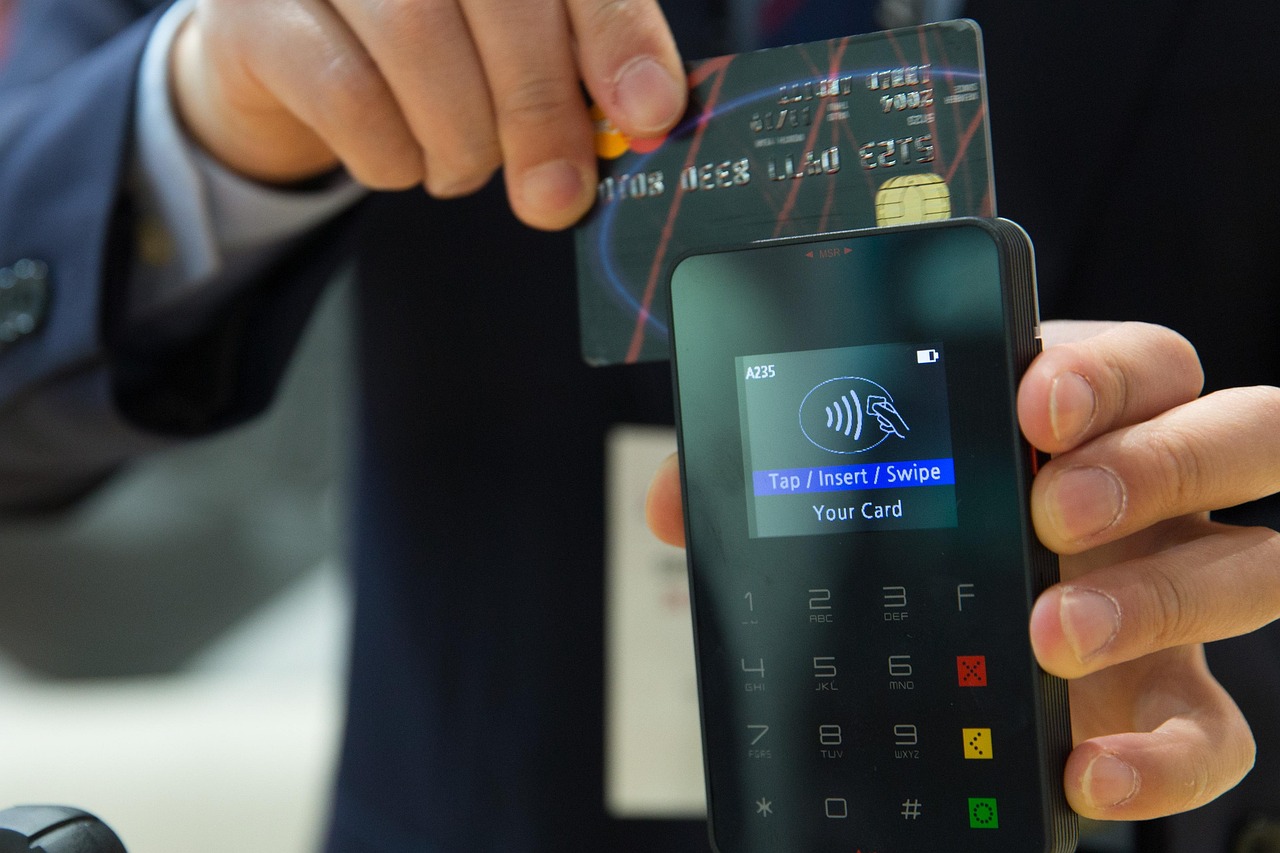
A till that talks directly to your card machine — without a separate reconciliation step — is essential for accurate end-of-day reporting and a faster guest experience. Our in-depth look at combined card machine and till systems explains how integrated payment processing differs from using a standalone terminal.
Reporting and Analytics
At minimum, expect: hourly sales breakdowns, dish-level profitability, staff performance by cover, void and refund tracking, and VAT reports formatted for HMRC submission. The best systems surface this via a cloud dashboard accessible from any device.
Reservations, Loyalty and CRM
Higher-tier restaurant EPOS platforms integrate directly with reservation systems (or include their own), capture customer data for loyalty programmes, and allow targeted promotions — turning a one-time visitor into a repeat guest.
How a Modern EPOS System Streamlines Both Front-of-House and Kitchen Operations
The real value of a touchscreen EPOS is not the till itself — it is the connected workflow that links every team member from the moment a guest sits down to the moment they pay.
The Order Journey
- A server takes the order on a handheld tablet or at a fixed floor-mounted terminal.
- The order fires instantly to the relevant kitchen display or printer — grill, prep, and dessert stations separately if needed.
- The kitchen marks each course ready; the KDS notifies the server.
- At the end of the meal, the server splits the bill, applies any discounts, and presents a card reader tableside — no trip to a fixed terminal required.
- The sale syncs to the cloud dashboard in real time, updating stock levels and sales reports automatically.
This loop removes the most common sources of error in restaurant service: mis-heard orders, lost tickets, and manual re-keying. For businesses with multiple revenue streams, our overview of EPOS systems with integrated card payments covers how to evaluate the payment layer specifically.
Touchscreen Till System Costs in the UK: What to Expect
Cost is one of the first questions any restaurant owner asks — and the honest answer is that pricing varies considerably based on the number of terminals, software tier, and whether you purchase outright or take a monthly subscription.
| Setup Type | Indicative Hardware Cost | Indicative Monthly Software/Support | Best For |
|---|---|---|---|
| Single-terminal starter system | Typically from £500–£900 (outright) | From approximately £30–£60/month | Cafés, small independents, takeaways |
| Mid-range restaurant system (2–3 terminals + KDS) | Typically from £1,500–£3,500 (outright) | From approximately £60–£120/month | Independent restaurants, gastropubs |
| Multi-site / full-featured hospitality suite | Typically from £3,500+ per site (outright) | From approximately £120–£250+/month | Groups, chains, high-volume venues |
| Monthly subscription bundle (hardware + software) | No large upfront cost; deposit may apply | From approximately £50–£150/month all-in | Businesses preferring predictable OpEx |
These are indicative market ranges only — actual pricing depends on your specific requirements, volume, and the supplier you choose. To understand the full financial picture before committing, read our analysis of monthly EPOS subscriptions versus outright purchase. For a personalised quote based on your restaurant's size and needs, explore EPOS Direct's current hospitality and restaurant EPOS offers.
Cloud-Based vs On-Premise Restaurant Till Systems: Which Is Right for You?
This is a genuinely important architectural decision — one that affects resilience, data access, update cycles, and long-term cost.
| Consideration | Cloud-Based System | On-Premise System |
|---|---|---|
| Internet dependency | Requires stable broadband; good systems include offline mode | Runs independently of internet connectivity |
| Remote access to reports | Yes — from any device, anywhere | Limited without additional configuration |
| Software updates | Automatic, included in subscription | Manual; may carry additional cost |
| Data ownership and control | Hosted by provider; check data residency terms | Held locally; owner controls all data |
| Multi-site management | Excellent — all sites visible from one dashboard | Complex; requires synchronisation solutions |
| Upfront cost | Lower (subscription model common) | Higher initial investment |
| Typical best fit | Growing restaurants; multi-site operators; owners who travel | Venues with unreliable connectivity; operators who prefer local control |
For most UK restaurants opening today, a cloud-first system with a robust offline mode offers the best combination of flexibility and resilience. If connectivity is a genuine concern for your site, ask any prospective supplier to demonstrate exactly how their system behaves when the internet drops — and what data, if any, is lost.
How EPOS Direct's Restaurant Till Systems Compare
EPOS Direct has been supplying and supporting UK businesses with EPOS hardware and software for many years, with a dedicated hospitality division focused specifically on the demands of restaurants, bars, and café environments. Key differentiators include:
- Purpose-built restaurant software — not a generic retail system retrofitted for hospitality. Features such as table management, KDS integration, course firing, and allergen flagging are native, not bolt-ons.
- UK-based support — direct access to a support team that understands the pressures of a busy Saturday service, not an overseas call centre with scripted responses.
- Integrated card processing — EPOS Direct's systems connect natively with card payment solutions, removing the reconciliation headache of separate providers. See also our guide to the best till systems for small businesses in the UK for context on how restaurant systems compare to broader hospitality and retail options.
- Transparent pricing — no hidden transaction fees buried in software terms. Pricing structures are discussed openly before any commitment.
- Scalability — whether you are starting with one terminal in a single site or rolling out across multiple locations, the platform scales without requiring a system migration.
To see how EPOS Direct's offering stacks up point by point against other UK suppliers, visit our detailed competitor comparison guide. You can also book a live restaurant EPOS software demo to see the interface in action before making any decisions. For a broader view of what EPOS Direct offers across all sectors, the EPOS Direct UK home page provides a full overview of current products, offers, and information.
Getting Started: Installation, Training, and Ongoing Support
A common concern among restaurant owners is disruption — the fear that installing a new system will cause chaos during a busy week. Done correctly, a professional EPOS installation should be the opposite of chaotic.
What a Typical Rollout Looks Like
- Scoping call — a specialist reviews your floor plan, menu structure, payment requirements, and any integrations (reservations, delivery platforms, accounting software).
- System configuration — menus, modifiers, table layouts, and user permissions are set up before hardware arrives on-site, minimising installation time.
- On-site installation — hardware is installed, cabled, and tested. For a single-terminal setup this is typically a matter of hours; multi-terminal restaurant installations usually complete within a day.
- Staff training — hands-on training sessions for both front-of-house and kitchen staff, with manager-level reporting training delivered separately.
- Go-live support — a dedicated contact available during your first live service to resolve any teething issues in real time.
Ongoing Support
Ask any supplier about their support hours — ideally these should cover your busiest trading periods, including Friday and Saturday evenings. EPOS Direct provides UK-based telephone and remote support, with software updates delivered automatically for cloud-based systems. For businesses considering a wireless handheld ordering setup alongside their main terminals, our guide to wireless card machines for small businesses covers the portable payment side of the equation.
Ready to Find the Right System for Your Restaurant?
The right touchscreen till system for a UK restaurant is one that fits your specific service style, scales with your ambitions, and is backed by a supplier who understands the hospitality sector — not one chosen purely on price or brand recognition. The best way to assess whether a system truly meets your needs is to see it running live, on real menus, in a realistic service scenario.
EPOS Direct's team of UK hospitality specialists is ready to help. You can request a free demo at a time that suits you, talk to an EPOS expert online for immediate guidance, or request a call back and let the team come to you. There is no obligation — just straightforward, experienced advice from people who help UK restaurants get more from their technology every day.
Frequently asked questions
- How much does a touchscreen till system typically cost for a restaurant in the UK?
- Costs vary depending on the size of your restaurant and the features you need. A basic single-terminal touchscreen EPOS setup in the UK typically starts from around £300–£600 for hardware, with software subscriptions ranging from £20 to £80 per month. Full multi-terminal restaurant systems with kitchen display screens, card payment integration and stock management can range from £1,000 to £3,000 or more upfront, or be available on flexible monthly plans. EPOS Direct offers tailored quotes so you only pay for what your business actually needs.
- Can a touchscreen till system integrate with my restaurant's online ordering and table booking platforms?
- Yes, modern restaurant EPOS systems are designed to integrate with popular online ordering platforms, reservation tools and delivery apps. EPOS Direct's systems support integrations with a wide range of third-party hospitality software, meaning orders can flow directly into your kitchen display system and your stock levels update automatically — reducing manual errors and saving staff time.
- Is a cloud-based restaurant till system reliable enough for a busy UK restaurant service?
- Absolutely. Leading cloud-based EPOS systems are built with offline mode functionality, meaning your till continues to process orders and payments even if your internet connection drops temporarily. Data syncs automatically once connectivity is restored. EPOS Direct's cloud-based restaurant solutions are used across high-volume UK hospitality venues and come with dedicated UK-based support to ensure maximum uptime during peak service periods.
