We use cookies to make your experience better.
To comply with the new e-Privacy directive, you agree to the privacy policy and our use of cookies

The Best Touchscreen Till Systems for Retail Shops in the UK
Touchscreen Till Systems for Retail: Everything UK Shop Owners Need to Know
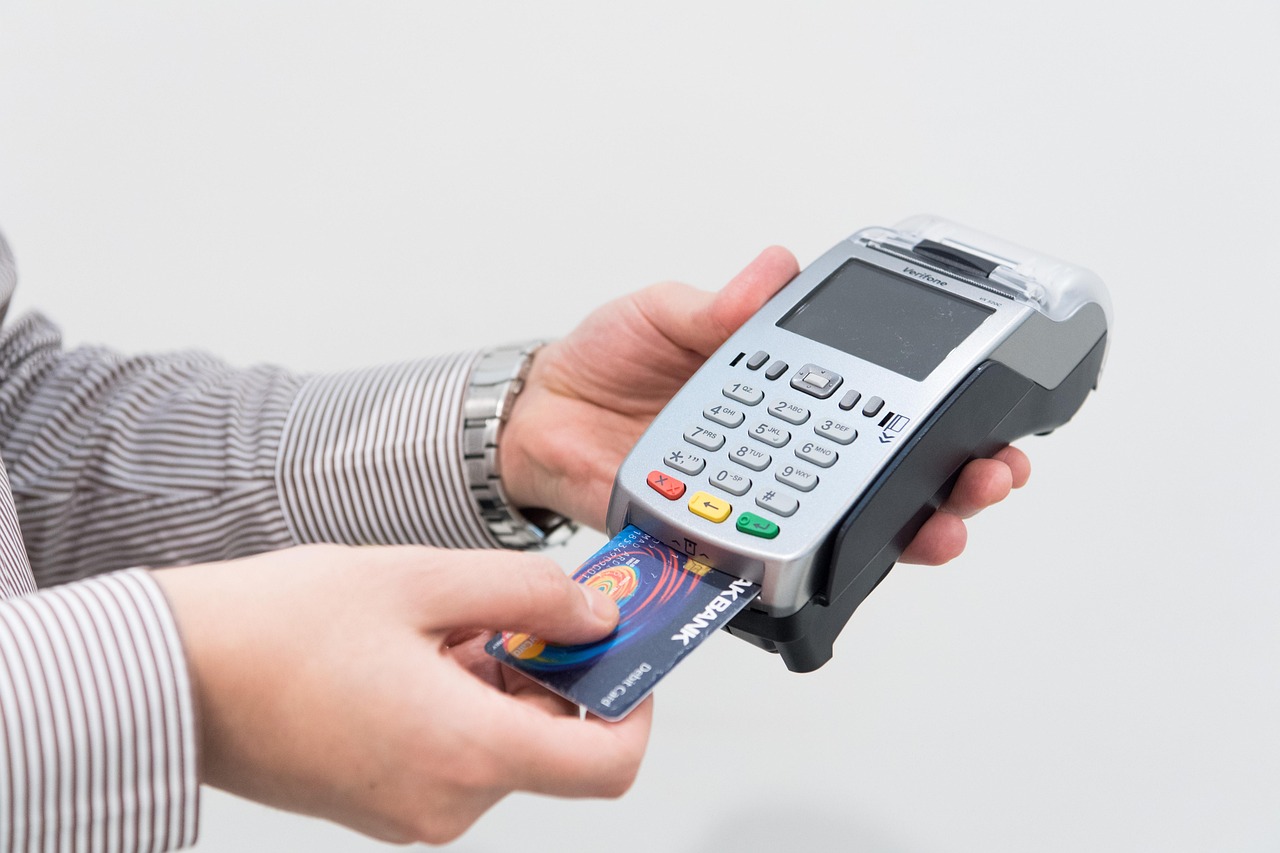
A modern touchscreen till does far more than process sales — it gives UK retailers real-time visibility over stock, revenue and customer behaviour from a single, intuitive screen. Whether you run an independent fashion boutique, a busy convenience store or a multi-site gift shop, the right EPOS setup can reduce human error, speed up transactions and pay for itself through tighter stock control alone. This guide explains exactly what to look for, how much to budget and why so many UK shop owners are upgrading right now.
What Is a Touchscreen Till System and How Does It Work?
A touchscreen till system — more formally known as an Electronic Point of Sale (EPOS) system — combines specialist retail software with a touchscreen monitor, a cash drawer, a receipt printer and, increasingly, an integrated card reader. Staff tap product buttons or scan barcodes directly on screen; the system records every sale, adjusts stock levels automatically, and pushes the data into real-time sales reports.
Unlike a legacy cash register, which simply stores totals, a retail EPOS system builds a live picture of your business. When a customer buys a pair of shoes in size 7, the system deducts that unit from stock, flags if you are running low and logs the sale against the time of day — data that becomes enormously useful when you are ordering next season's stock or scheduling staff.
Key Features to Look for in a Retail Touchscreen Till
Not every system on the market is built with retail in mind. When evaluating options, prioritise the following:
- Barcode scanning and product database: Look for unlimited or high-capacity product libraries. Clothing retailers, for instance, need a system that handles size and colour variants without workarounds.
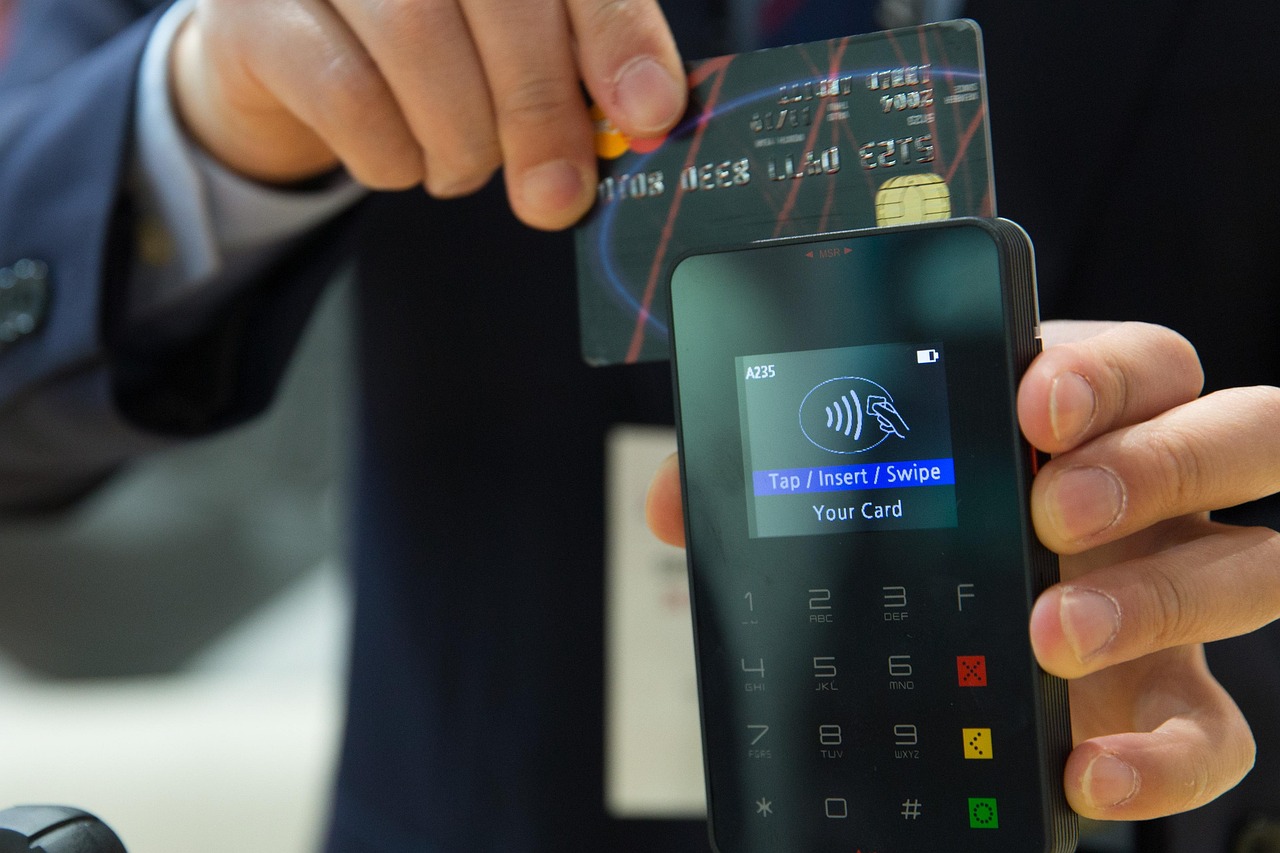
- Integrated card payments: A till and card machine that share a single platform eliminate manual double-keying and settlement errors. See our full guide on a card machine and till system combined for a detailed breakdown of the benefits.
- Real-time stock management: The system should automatically track levels across every product, warn when thresholds are hit and support purchase orders direct from the back office.
- Promotions and discount engine: Percentage discounts, multi-buy offers and loyalty schemes should be configurable without calling a support line.
- End-of-day reporting: Shift totals, Z-reports and sales-by-category breakdowns should be available on screen and exportable.
- Multi-site support: If you plan to expand, choose software that consolidates reporting across locations from day one.
- HMRC-compatible receipts: Your system must produce receipts that meet VAT invoicing requirements. Verify current requirements at GOV.UK VAT record-keeping guidance.
If you are still relying on a traditional cash register, our practical guide to switching from a cash register to a modern EPOS system walks through the transition step by step.
How a Modern EPOS Till Improves Stock Control and Sales Reporting
This is the area where a well-configured retail till system delivers the clearest return on investment. Manual stock counts are labour-intensive and prone to the kind of margin-eroding errors that only become visible at year-end. A live EPOS system flags discrepancies as they happen.
Stock control benefits
- Automatic stock deduction on every sale, including part-cases or split packs for convenience retailers
- Low-stock alerts sent by email or displayed on the back-office dashboard
- Supplier purchase-order generation linked to reorder points
- Shrinkage reporting that separates sales from unexplained stock loss
Sales reporting that drives decisions
- Hourly, daily and weekly sales dashboards — so you know your quietest Tuesday hour, not just your best Saturday
- Best-seller and dead-stock reports that inform buying decisions months before a range review
- Staff performance tracking (transaction counts, voids, refunds) without micromanagement
- Margin reporting by product category, essential for healthy retail financials
You can explore how these reporting tools look in practice by booking a retail EPOS software demo directly with the EPOS Direct team.
Touchscreen Till Hardware: Choosing the Right Setup for Your Shop Size
Hardware requirements vary significantly depending on your footfall, counter space and the nature of your products. The table below provides a practical starting framework.
| Shop Type | Recommended Hardware | Key Considerations |
|---|---|---|
| Small independent (1 till point) | 15" or 15.6" touchscreen monitor, barcode scanner, receipt printer, cash drawer, integrated card reader | Counter space is at a premium — look for compact all-in-one units or slim-profile screens |
| Mid-size retail (2–4 till points) | Multiple touchscreen terminals on a shared back-office server or cloud account, handheld barcode scanners, label printer | Ensure the software licence covers multiple terminals; check failover behaviour if the internet drops |
| Clothing / fashion boutique | Touchscreen till with variant management, portable tablet for fitting-room sales, label printer for price tags | Size/colour matrix support is non-negotiable; choose a system tested with apparel retailers |
| Multi-site retail chain | Cloud-based system with centralised back office, per-site terminals, head-office reporting dashboard | Consolidated stock and sales visibility across all locations; role-based staff access |
| Market stall / pop-up | Tablet-based EPOS with integrated wireless card reader, portable receipt printer | Battery life and offline capability are critical; pair with a reliable wireless card machine — see our guide to the best wireless card machines for small businesses |
For a broader comparison of what suits a smaller operation specifically, the practical buyer's guide to the best till systems for small businesses covers the key trade-offs in detail.
Cloud-Based vs. On-Premise Retail Till Software: Which Is Right for You?
This is one of the first questions buyers ask — and the answer is rarely black and white.
Cloud-based retail EPOS
Your data lives on secure remote servers. You access reports from any device, updates happen automatically and there is no server hardware to maintain on site. The trade-off is dependence on a reliable internet connection, though reputable systems include offline mode so the till keeps processing sales during a broadband outage and syncs when connectivity returns.
On-premise EPOS
Data is held on a local server in your shop. This suits retailers in areas with genuinely unreliable connectivity or those with specific data-sovereignty requirements. The drawback is that remote access, multi-site consolidation and software updates require more IT involvement.
For most UK retailers opening today, cloud-based systems offer the better balance of flexibility, cost and resilience. If you are weighing up ongoing subscription costs against a one-off outright purchase, our dedicated guide — monthly EPOS subscription vs. outright purchase — sets out exactly which model tends to suit which type of business.
How Much Does a Touchscreen Till System Cost for a UK Retail Business?
Cost is invariably the most searched aspect of any EPOS decision, so here is an honest picture of the UK market. All figures below are indicative guidance, not quotes; actual pricing depends on the supplier, hardware specification, software tier and contract length.
Hardware costs
- Entry-level single-terminal bundle (touchscreen, cash drawer, receipt printer, scanner): typically from around £400–£700 as an outright purchase
- Mid-range retail system with label printer and integrated card reader: approximately £800–£1,500 per terminal, depending on specification
- Multi-terminal setups: costs scale per station; volume discounts are common from specialist EPOS suppliers
Software and subscription costs
- Cloud EPOS software subscriptions: most setups fall between £20–£60 per month for single-site retail, depending on the feature tier and number of users
- Premium or multi-site plans: typically £60–£150+ per month, often including advanced reporting, loyalty and integrations
- One-off software licences: where available for on-premise deployments, these often range from £300–£1,000+ per terminal
Card processing fees
Integrated card payments are typically charged as a percentage of turnover (plus a small per-transaction fee), with rates varying by processor and monthly volume. Always compare the total cost of ownership — software subscription plus card fees — when assessing competing systems. Our guide to the best EPOS systems with integrated card payments in the UK explains how to evaluate the true cost.
For a personalised quote and to see current hardware bundles, visit the EPOS Direct retail EPOS offers page or talk to an expert online who can scope your requirements.
Why UK Retailers Choose EPOS Direct for Their Till Systems
EPOS Direct is a UK-based EPOS and POS systems specialist with a dedicated focus on the retail sector. Retailers across the UK — from independent gift shops to multi-site fashion chains — choose EPOS Direct for several practical reasons:
- UK-based hardware and support: Equipment is stocked and dispatched from within the UK, and technical support is handled by UK staff who understand the British retail landscape.
- Purpose-built retail software: The EPOS Direct software platform is developed specifically for retail workflows — product variants, promotions, stock management and VAT-compliant reporting are all built in, not bolted on.
- Flexible procurement: Whether you prefer to purchase outright, spread the cost or subscribe monthly, EPOS Direct offers routes to suit different cash-flow profiles.
- Transparent pricing: Systems are priced without hidden integration fees or proprietary card-processing lock-in that inflates your long-term costs.
- Scalability: The same software platform scales from a single till in a corner shop to a network of retail sites, so you never outgrow your system.
You can see how competitor platforms compare against what EPOS Direct offers in the complete 2026 till system comparison guide. For a broader look at what is available across the market, the EPOS Direct home page brings together current offers, hardware ranges and the latest promotions in one place.
Ready to Upgrade Your Retail Till System?
A well-chosen touchscreen till system is one of the highest-leverage investments an independent retailer can make — cutting admin, reducing stock errors and giving you the data to buy smarter and sell more. The technology has matured to the point where even a single-person shop can access enterprise-grade reporting without enterprise-grade complexity or cost.
EPOS Direct's team works with UK retailers every day, from first-time buyers replacing an old cash register to established chains consolidating their EPOS estate. Request a free demo to see the retail software in action, or request a call back and a specialist will walk you through the options that best fit your shop, your budget and your plans for growth.
Written by the EPOS Direct UK team, who support UK retailers with EPOS and POS systems every day.
Frequently asked questions
- How much does a touchscreen till system typically cost for a small retail shop in the UK?
- For a single-till setup in a UK retail shop, you can expect to pay roughly £300 to £800 for the hardware (touchscreen terminal, receipt printer, cash drawer and barcode scanner) and between £20 and £60 per month for cloud-based EPOS software. Entry-level all-in-one bundles from suppliers like EPOS Direct often start around £499, while more advanced multi-till or multi-site setups will cost more. Always check what is included in the monthly fee — stock management, reporting and payment integration can vary significantly between providers.
- Can I use a touchscreen till system to manage my stock and run sales reports at the same time?
- Yes. Modern retail EPOS systems combine till functionality with real-time stock tracking and detailed sales reporting on a single platform. Every transaction automatically updates your inventory levels, flags low-stock products and feeds into reports you can view from a desktop or mobile device — even when you are away from the shop floor.
- Is a touchscreen till system easy to set up, and will my staff need a lot of training?
- Most current touchscreen retail till systems are designed to be intuitive. A simple single-till setup can be operational within a few hours, and staff typically need only a short training session — often less than half a day — to handle everyday sales, refunds and discounts confidently. Reputable UK suppliers including EPOS Direct provide on-site installation, remote support and training as part of their packages, which significantly reduces downtime during the switchover.
