We use cookies to make your experience better.
To comply with the new e-Privacy directive, you agree to the privacy policy and our use of cookies


The Best Touchscreen Till Systems for Retail Shops: A Complete Buyer's Guide
Touchscreen Till Systems for Retail Shops: Everything You Need to Know Before You Buy
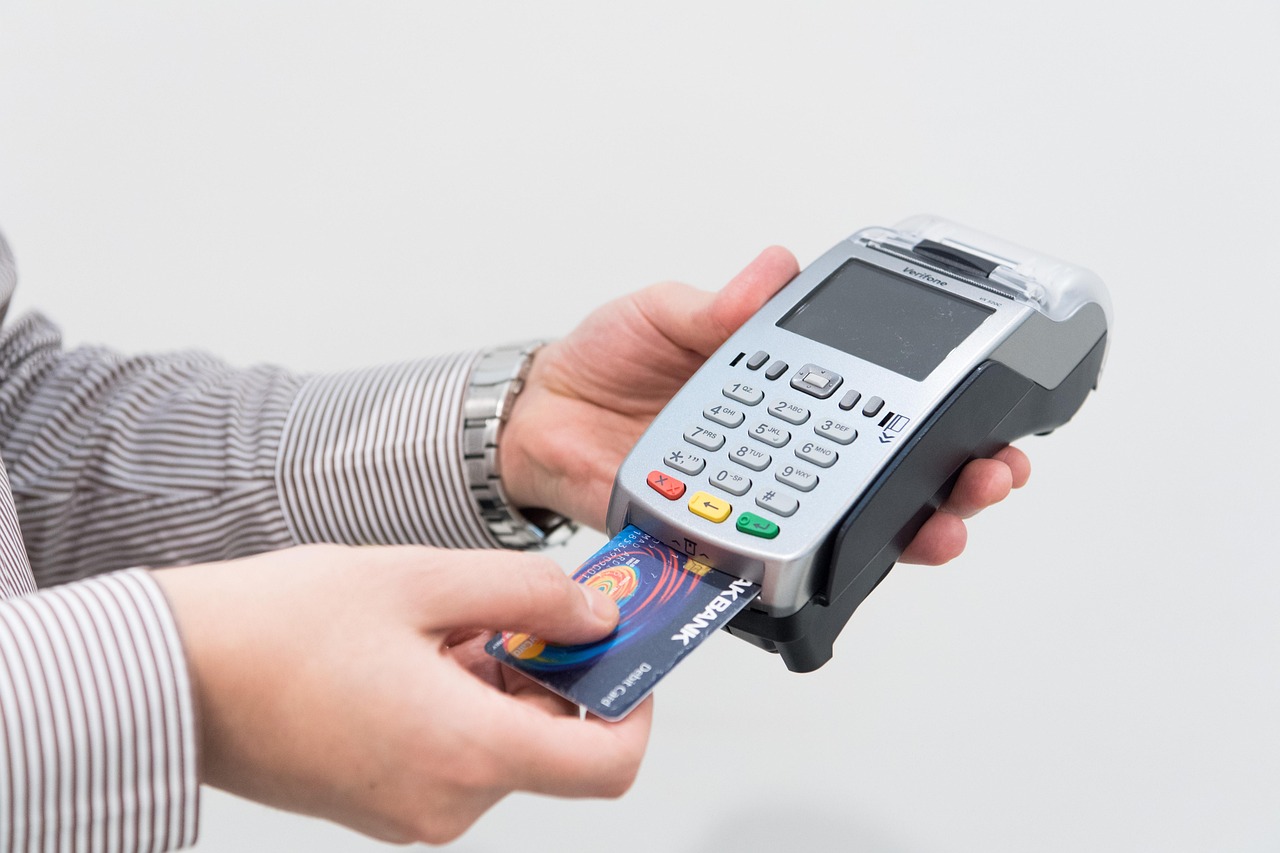
A touchscreen till system is a modern electronic point-of-sale (EPOS) terminal that replaces the traditional cash register with an intuitive screen interface, integrated software, and real-time retail management tools. For UK retailers — whether you run a single boutique or a multi-site chain — the right system does far more than process payments: it tracks stock, generates sales reports, manages staff, and connects seamlessly with card payment terminals. This guide covers everything you need to evaluate, compare, and confidently invest in the right system for your shop.
What Is a Touchscreen Till System and How Does It Work in a Retail Environment?
At its core, a touchscreen EPOS till combines purpose-built hardware with retail management software. A customer buys a product; the cashier taps the item on screen (or scans a barcode); the system records the sale, deducts stock, and processes the payment — all in one seamless flow. The data is then available instantly for reporting, reordering, and analysis.
Modern systems typically comprise several components working together:
- Touchscreen terminal — the primary interface, usually a 15" or larger commercial-grade display
- Receipt printer — thermal printers are standard for speed and low running costs
- Barcode scanner — handheld or presentation scanners for fast product lookup
- Cash drawer — electronically triggered to open only on completed transactions
- Card payment terminal — integrated or paired for contactless, chip-and-PIN, and mobile payments
- EPOS software — the intelligence layer that ties every component together
The hardware is only as capable as the software running on it. If you're evaluating options, the EPOS Direct software platform is worth exploring to understand what a well-engineered retail EPOS stack looks like in practice. You can also book a retail EPOS software demo to see it live.

Key Features to Look for in a Retail Till System
Not every system is built for retail — some are adapted from hospitality platforms, others are generic tablet solutions with limited stock depth. Before committing, verify that any system you're considering covers these fundamentals:
Inventory and Stock Management
Retail stock complexity is real: sizes, colours, variants, suppliers, reorder points. Your till software should handle multi-variant products, generate low-stock alerts, support purchase orders, and update automatically with every sale. Anything less will leave you managing spreadsheets alongside your till — which defeats the purpose.
Integrated Card Payments
Separate card machines that don't talk to your till create reconciliation headaches and slow down queues. Fully integrated payments mean the till sends the amount directly to the card terminal — no manual keying, fewer errors, faster checkout. For a detailed breakdown of what integration actually means in practice, our guide to the best EPOS systems with integrated card payments covers the key distinctions.
Reporting and Business Intelligence
A till that can tell you which products sell best on Saturday afternoons, which staff member has the highest average transaction value, or when your seasonal peaks hit — that's a business tool, not just a checkout machine. Look for exportable reports, dashboards accessible from any device, and the ability to filter by date, product, category, or location.
Multi-Site and Scalability Support
If you have ambitions beyond a single shop, check whether the system can manage multiple locations from one back office, share stock data across sites, and consolidate reporting centrally.
Loyalty, Promotions, and Discounting
Retail is competitive. A system that can run time-limited promotions, apply multi-buy discounts automatically, and track a customer loyalty scheme gives you a meaningful edge without requiring a separate platform.
How a Modern EPOS Till Can Transform Retail Operations
Many independent retailers who upgrade from a basic cash register or legacy system report that the biggest surprise isn't faster checkout — it's the operational clarity. Knowing exactly what's in stock, which lines are underperforming, and how much cash the business took today (visible on a phone while you're at the cash-and-carry) fundamentally changes how you run a shop.
Key operational benefits typically include:
- Reduced shrinkage through accurate, real-time stock tracking
- Faster queue management with barcode scanning and integrated payments
- Simplified end-of-day procedures with automated Z-readings and cash reconciliation
- Better supplier negotiations informed by actual sales data
- Staff accountability through individual login and sales tracking
- Seamless VAT reporting aligned with HMRC's Making Tax Digital requirements
If you're currently using a traditional cash register, the gap between what you have and what's possible may be larger than you expect. Our practical guide on how to upgrade from a cash register to a modern EPOS system walks through the transition step by step.
Touchscreen Till System Costs: What UK Retailers Should Expect to Pay
One of the most common questions from retailers researching their options is simply: what will this actually cost me? The honest answer is that pricing varies considerably based on hardware specification, software tier, number of tills, and whether you buy outright or subscribe monthly.
As a realistic guide for the UK market:
| Setup Type | Typical Hardware Cost | Software (per month, approx.) | Best Suited For |
|---|---|---|---|
| Entry-level single till | Typically from £500–£900 | £30–£60/month | Market stalls, pop-ups, very small independents |
| Mid-range single-site retail | Typically £900–£1,800 | £50–£100/month | Independent retailers, boutiques, gift shops |
| Full retail EPOS bundle | Typically £1,500–£3,000+ | £80–£150/month | Established shops needing full feature sets |
| Multi-site or multi-till | Priced per terminal | Variable — speak to a supplier | Small chains, franchises, department stores |
These figures are indicative ranges based on typical UK market positioning and should not be treated as quotes. Actual costs depend on hardware specification, contract length, support level, and supplier. Always request a bespoke quote.
Outright purchase versus monthly subscription is a genuine strategic decision. Our guide comparing monthly EPOS subscriptions against outright purchase helps you work out which model suits your cash flow and long-term plans. You can also view current retail EPOS offers from EPOS Direct to see what's available at different price points right now.
Cloud-Based vs. On-Premise Retail Till Systems: Which Is Right for You?
This is a decision that shapes everything from how you access your data to what happens if your broadband drops during a busy Saturday.
Cloud-Based Systems
Data is stored remotely and accessible from any device with an internet connection. Software updates happen automatically, there's no server to maintain, and you can check your sales figures from anywhere. Most modern retail EPOS systems are cloud-based or cloud-connected. The key question to ask any supplier: does the system continue to process sales offline if the internet connection drops? A robust system should — and then sync when connectivity is restored.
On-Premise Systems
All data stays on a local server at your premises. Historically favoured by retailers with complex bespoke requirements or those in locations with unreliable connectivity. Generally requires more IT infrastructure and internal maintenance, but gives complete data control. Less common in new retail deployments today.
For the vast majority of UK independent and SME retailers, a cloud-based system with reliable offline mode offers the best combination of flexibility, resilience, and value.
How to Choose the Right System for Your Type of Retail Shop
The right EPOS till is the one that matches your specific trading environment — not the most feature-rich or the cheapest option in isolation. Here's a practical framework:
By Shop Type
- Fashion and clothing: Prioritise multi-variant stock management (size, colour, style), integrated loyalty, and fitting-room features if relevant
- Convenience and off-licence: Focus on age verification prompts, high-speed scanning, and tobacco/lottery product handling
- Health and beauty: Look for appointment booking integration and customer account management
- Gifts and homewares: Seasonal promotions, gift receipts, and strong supplier ordering tools matter most
- Electronics and specialist retail: Serial number tracking, extended warranty recording, and repair job management may be essential
Our dedicated guide on the best till systems for small shops provides category-specific recommendations if you're a smaller independent. For broader small business context, the guide to the best till systems for small businesses in the UK is equally useful.
Questions Every Retailer Should Ask a Supplier
- What happens to my data if I end the contract? You should always own and be able to export your sales history, customer data, and stock records.
- What does UK-based technical support look like? Response times, hours of coverage, and whether support is remote or on-site all matter the moment something goes wrong on a busy trading day.
- How long does setup and training typically take? For most retail shops, a well-supported installation should be operational within a day, with staff comfortable within a week.
Why UK Retailers Choose EPOS Direct for Their Till System Needs
EPOS Direct has been helping UK retailers select, configure, and support EPOS systems across a wide range of shop types and sizes. Unlike generic tech resellers, the team focuses specifically on point-of-sale — which means the advice you receive reflects real-world retail deployment experience, not theoretical product knowledge.
Key reasons retailers work with EPOS Direct:
- Retail-specific software designed around the way UK shops actually operate
- Full hardware bundles — till, scanner, printer, cash drawer, card terminal — configured and tested before despatch
- UK-based support with genuine retail sector knowledge
- Transparent pricing with both purchase and subscription options
- Scalable systems that grow with your business
The EPOS Direct home page is the best starting point to explore current hardware bundles, software options, and live deals across retail and other sectors. If you'd like to see the software before making any commitment, you can request a free demo or talk to an expert online — whichever suits you better.
For retailers who've already started comparing suppliers, our independently written EPOS Direct vs. competitors comparison guide gives an honest side-by-side view of where different systems stand on the features that matter most.
The Straightforward Answer: Is a Touchscreen Till Worth It for a Retail Shop?
Yes — for almost every retail shop that processes more than a handful of transactions daily, a modern touchscreen EPOS system pays for itself through time saved, stock losses prevented, and better buying decisions made from real data. The investment threshold is lower than many retailers expect, particularly on subscription models, and the operational step-change is significant compared with basic cash registers or legacy systems.
The most important decision isn't which brand to choose — it's ensuring the system you select is genuinely built for retail stock management, supported by a team who understands the UK trading environment, and flexible enough to grow with your business.
EPOS Direct's retail specialists are available to help you shortlist, compare, and configure the right setup for your specific shop. Request a call back at a time that suits you, or explore the full range of retail EPOS system offers online — no obligation, no pressure, just straightforward guidance from people who understand retail.
Written by the EPOS Direct UK team, who help UK retailers evaluate, implement, and get the most from their EPOS and point-of-sale systems every day.
Frequently asked questions
- How much does a touchscreen till system cost for a small retail shop in the UK?
- Prices vary depending on the hardware and software package you choose. For a small retail shop in the UK, a basic touchscreen till system typically starts from around £300–£500 for entry-level hardware, while a complete EPOS bundle — including a touchscreen terminal, barcode scanner, receipt printer, and cash drawer — usually ranges from £800 to £1,500. Monthly software subscriptions can add £20–£80 per month depending on features such as stock management, reporting, and multi-site support. EPOS Direct UK offers flexible packages with transparent pricing tailored to retail businesses of all sizes.
- Can a touchscreen till system manage my retail shop's stock automatically?
- Yes — most modern touchscreen EPOS systems include integrated stock management that updates inventory levels in real time with every sale. This means you can track which products are selling fast, receive low-stock alerts, generate purchase orders, and even sync stock across multiple store locations. This removes the need for manual stocktaking and significantly reduces shrinkage and over-ordering.
- Do I need an internet connection to use a touchscreen till in my retail shop?
- It depends on the system. Cloud-based EPOS systems require an internet connection for full functionality, including real-time reporting and multi-site syncing. However, most reputable systems — including those from EPOS Direct UK — offer an offline mode so your till can continue processing sales during any internet outage, then automatically syncs data once connectivity is restored. This makes them reliable for busy retail environments where downtime is not an option.
