We use cookies to make your experience better.
To comply with the new e-Privacy directive, you agree to the privacy policy and our use of cookies


Best Wireless Card Machines for Retail Shops: The Complete UK Buyer's Guide
Wireless Card Machines for Retail Shops: Everything UK Retailers Need to Know
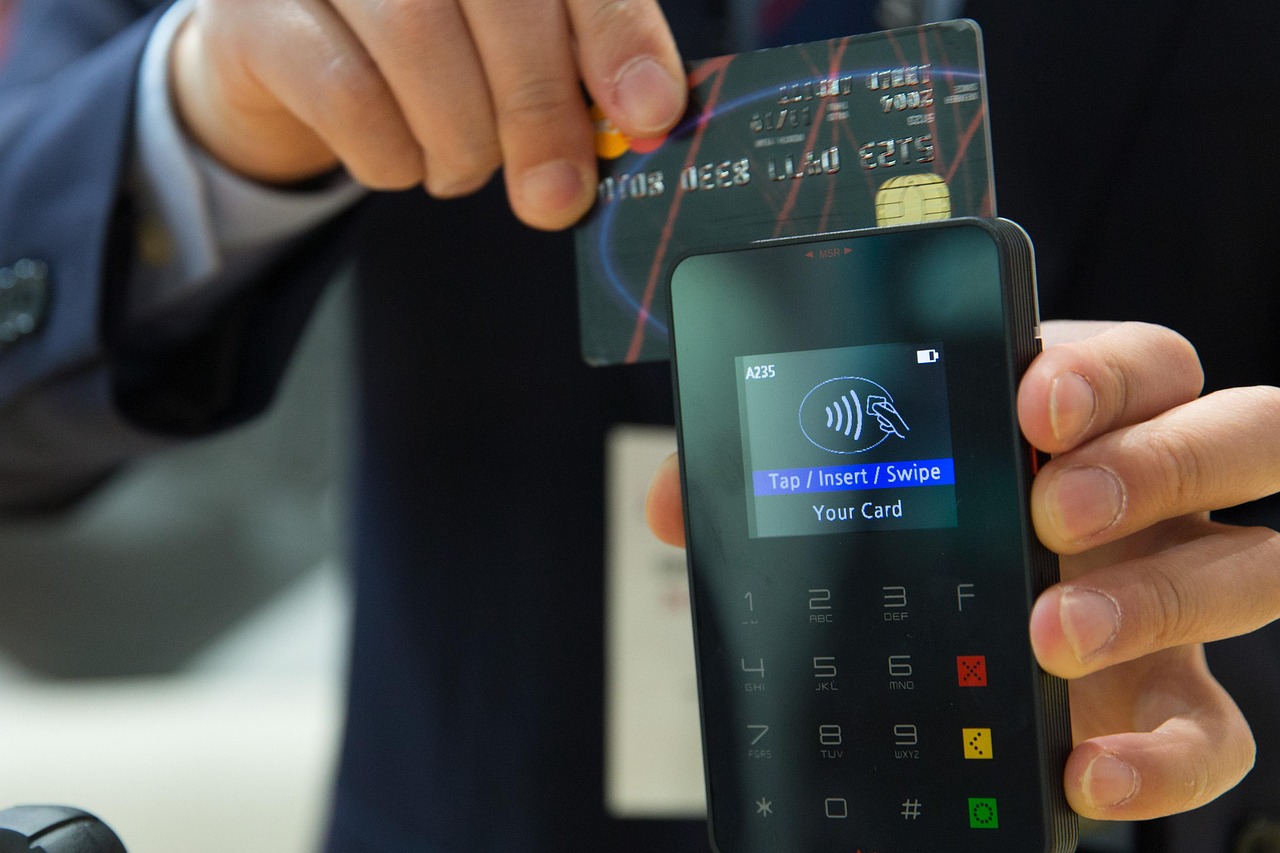
For UK retailers weighing up their payment options, a quality wireless card machine is no longer a nice-to-have — it is a core part of running a modern shop efficiently. The right solution lets your staff take payments anywhere on the shop floor, reduces queue times, and integrates directly with your EPOS system so stock and sales data stay perfectly aligned. This guide covers everything from connection types and transaction fees to how to match the right hardware to the size and style of your retail operation.
Why UK Retail Shops Are Moving Away from Fixed Payment Terminals
Fixed countertop terminals were once the standard, but they come with a fundamental limitation: the payment has to come to the till, rather than the till going to the customer. For modern retail — whether that is a busy fashion boutique, a busy gift shop, or a garden centre spanning multiple buildings — that rigidity costs you sales and slows service.
The shift towards portable payment hardware is accelerating for several practical reasons:
- Queue-busting: A staff member with a wireless terminal can take payment anywhere, dramatically reducing peak-hour bottlenecks.
- Pop-up and event trading: Retailers who attend markets, fairs, or seasonal events need payment hardware that travels with them.
- Consumer expectations: UK shoppers increasingly expect frictionless, fast checkout — including Apple Pay and Google Pay on the first tap.
- Integrated stock control: When your card machine talks to your EPOS software, every sale automatically updates inventory, so you are never selling what you do not have.
The result is that most growing UK retailers are now looking for a fully integrated payment and EPOS solution rather than a standalone terminal bolted on as an afterthought. You can explore the broader picture of combining a card machine with a till system in our dedicated guide.

Types of Wireless Card Machines Available to UK Retailers
Not all portable terminals are alike. Understanding the distinctions helps you avoid paying for capabilities you will never use — or, equally, buying something that cannot keep up with your trading environment.
Wi-Fi Terminals
These connect exclusively over your shop's wireless network. They are well-suited to retailers trading from a fixed premises with reliable broadband, and they tend to offer fast transaction speeds and solid integration with in-house EPOS systems. The limitation is obvious: step outside your network coverage and they stop working.
4G / SIM-Enabled Terminals
These use a built-in SIM card (often with multi-network roaming) to connect over the mobile data network. They are the go-to choice for market traders, pop-up retailers, or any business that trades across multiple sites. Battery life and signal strength are the key considerations here.
Dual-Connectivity (Wi-Fi + 4G) Terminals
The most versatile category — these switch automatically between your Wi-Fi network and 4G, ensuring uninterrupted payment processing even if your broadband drops. For a busy high-street shop where downtime is genuinely costly, dual-connectivity terminals justify any small cost premium.
Bluetooth Terminals Paired with a Smart Device
A compact card reader paired via Bluetooth to a tablet or smartphone running EPOS software. These are popular with sole traders and very small retailers for their low entry cost, but they typically lack the screen real estate, battery resilience, and integration depth of dedicated POS terminals.
Key Features to Look for in a Retail Card Terminal
When evaluating hardware, experienced retailers focus on a handful of criteria that genuinely affect day-to-day performance:
- Accepted payment methods: Chip and PIN, contactless, Apple Pay, Google Pay, and Samsung Pay as a minimum. Check the contactless limit ceiling — UK Finance regularly updates the permitted limits, so verify the current figure directly with the card schemes or your acquiring bank.
- Battery life: A terminal that dies mid-shift is a liability. Look for a stated battery life of at least eight hours under active use, and check whether the device supports hot-swappable batteries for all-day trading.
- Screen size and receipt options: A clear, readable screen speeds up transactions and reduces errors. Consider whether you need an integrated printer or are happy with digital receipts — printed receipts reduce the need to handle a second device.
- Durability and ingress protection: Retail environments can be demanding. A device rated IP54 or better will cope with dust, minor splashes, and the occasional drop far better than a consumer-grade device.
- EPOS integration: Does the terminal integrate directly with your back-office software, or does it require manual reconciliation? Genuine integration — where a sale on the terminal automatically posts to your EPOS — saves hours of bookkeeping every week.
- PCI DSS compliance: All card terminals used by UK businesses must meet Payment Card Industry Data Security Standards. Confirm your provider's compliance status and understand your own obligations as a merchant.
How Wireless Card Machines Integrate with Your EPOS System
A card machine and a till system working as separate silos is a step backwards. True integration means the terminal and EPOS share a single transaction record — your staff confirm the sale on the till, the exact amount is pushed to the card terminal automatically, and the completed payment is logged against the correct product line without any manual keying.
The practical benefits stack up quickly:
- Faster checkout — no double-entry of amounts, no miskeying errors.
- Real-time stock updates with every sale, giving you accurate availability across your business.
- Cleaner end-of-day reports with payment method breakdowns already reconciled.
- Fewer voids and refund disputes because the amounts always match.
If you are running a modern cloud-based EPOS platform, integration is typically achieved through a direct API connection between the software and the payment gateway — meaning the hardware itself is almost secondary to the software layer. Our guide to EPOS systems with integrated card payments explains the different integration architectures in detail.
For retailers who are still running older systems, it is worth understanding that a wireless terminal alone will not deliver these benefits unless the underlying EPOS can support the connection. If you are considering a wider upgrade, our guide on switching from a cash register to a modern EPOS system sets out exactly what that transition involves.
You can also book a retail EPOS software demo with EPOS Direct UK to see integrated payments in action before committing to any hardware.
Transaction Fees, Hardware Costs and Contracts: What UK Retailers Should Expect
Payment pricing in the UK has two distinct components: the cost of the hardware, and the ongoing cost of processing transactions. Understanding both is essential before signing anything.
Hardware Costs
Entry-level Bluetooth card readers aimed at sole traders can be acquired for a low one-off fee, typically starting from around £20–£50. Mid-range standalone wireless terminals — suitable for most small and medium retailers — generally fall between £150 and £400 to purchase outright, depending on connectivity and specification. Fully integrated smart terminals with built-in receipt printers and advanced EPOS compatibility sit towards the higher end of this range or above. Some providers offer hardware on a monthly rental basis, which keeps upfront costs low but increases total cost of ownership over time. See our detailed comparison of monthly EPOS subscriptions versus outright purchase to model which approach suits your cash flow.
Transaction Fees
Most UK payment processors charge a percentage of each transaction, a small fixed pence-per-transaction fee, or a blend of both. For a typical retail merchant processing consumer debit and credit cards, indicative blended rates generally range from around 0.5% to 1.75% per transaction, though the precise rate depends heavily on your monthly card turnover, card mix (consumer versus commercial cards), and the acquiring bank or payment facilitator you choose. Businesses processing higher monthly volumes typically negotiate lower rates — it is always worth asking.
Contract Terms
Contracts range from rolling monthly arrangements — popular with newer businesses that want flexibility — to multi-year terms that typically come with lower transaction fees. Be alert to early termination fees, PCI non-compliance charges (levied if you fail to complete annual compliance assessments), and minimum monthly service fees. Always read the full merchant services agreement, not just the headline rate on a sales summary sheet.
| Cost Category | Typical Indicative Range (UK) | Key Considerations |
|---|---|---|
| Entry-level Bluetooth reader | From approx. £20–£50 (one-off) | Limited integration; suits very low volumes |
| Mid-range wireless terminal | Approx. £150–£400 (purchase) | Good for most independent retailers |
| Smart EPOS-integrated terminal | From approx. £350+ (purchase) or monthly rental | Best integration depth; higher upfront cost |
| Transaction fees (blended, indicative) | Approx. 0.5%–1.75% per transaction | Varies with volume, card type, acquirer |
| Monthly software/service fee | Approx. £20–£80+ per month | Depends on EPOS feature set and terminal count |
| Contract length | Rolling monthly to 36 months | Longer terms often yield lower per-transaction rates |
All figures are indicative guidance based on typical UK market conditions as of 2025–2026. Request a tailored quote for accurate pricing relevant to your transaction volume and business type.
How to Choose the Right Payment Solution for Your Retail Shop
The best approach is to work backwards from your specific trading situation rather than defaulting to the cheapest terminal or the most heavily advertised brand.
Questions worth asking before you choose
- Do I need to take payments away from a fixed counter? If yes, Wi-Fi-only terminals will limit you. Opt for 4G or dual-connectivity hardware.
- How many terminals do I need — and might that change? A solution that scales cleanly from one terminal to five without requiring a complete infrastructure change is worth the slightly higher initial cost.
- What does my EPOS system need from the integration? If you need real-time stock deductions, age-verification prompts at the point of payment, or loyalty scheme triggers, confirm your chosen terminal and software combination supports those workflows before committing.
Match the solution to your shop type
- Small independent retailers and sole traders: A dual-connectivity smart terminal with a straightforward monthly fee and no long-term lock-in is often the most pragmatic starting point. Our guide to the best till systems for small businesses covers complementary hardware options.
- Multi-staff high-street shops: Look for a terminal that integrates tightly with a cloud EPOS platform, supports multiple concurrent users, and provides centralised sales reporting across all tills.
- Market traders and pop-up retailers: Prioritise battery life, 4G connectivity, and a portable form factor over screen size or printer integration.
- Retailers considering a competitor switch: If you are currently locked into a system that is underperforming, it is worth reviewing your options carefully — our comparison of EPOS Direct UK versus competitor till systems offers a structured way to evaluate the switch.
If you would like expert guidance tailored to your specific shop, you can talk to an EPOS Direct UK specialist online — no obligation, just practical advice from people who work with UK retailers every day.
The Direct Answer: What Is the Right Wireless Card Machine for a UK Retail Shop?
For most UK retail shops, the right solution is a dual-connectivity (Wi-Fi and 4G) smart terminal that integrates directly with a cloud-based EPOS platform — accepting all major contactless payments, updating stock in real time, and producing clean end-of-day reconciliation reports without manual input. Standalone terminals are cheaper upfront but create reconciliation work and limit your data quality over time. True EPOS integration is the feature that delivers lasting operational value.
Conclusion: Getting Your Payment Setup Right First Time
Choosing a wireless payment terminal is rarely just a hardware decision — it is a commitment to a particular way of running your shop's data, staffing, and customer experience. The retailers who get the most value from their setup are those who treat the card machine as one component of an integrated EPOS ecosystem, not a separate purchase bolted on afterwards.
EPOS Direct UK works with independent retailers and growing retail groups across the UK, helping businesses match the right hardware, software, and payment processing to their specific needs. Whether you are setting up for the first time or looking to upgrade an ageing system, the EPOS Direct team is ready to help. Explore our current retail EPOS offers, or request a free personalised demo to see exactly how integrated payments can work for your shop. For more information and the latest deals, visit the EPOS Direct UK home page.
Written by the EPOS Direct UK team, who support UK retailers with EPOS and payment solutions every day. For regulated payment and card scheme rules, always verify current requirements directly with the relevant card schemes (Visa, Mastercard) and the Financial Conduct Authority (FCA).
Frequently asked questions
- How much does a wireless card machine cost for a small retail shop in the UK?
- Costs vary depending on the provider and contract type. In the UK, you can expect to pay anywhere from £0 upfront on a rental or lease agreement (typically £15–£40 per month) to a one-off purchase price of £150–£400 for an owned terminal. Transaction fees generally range from 0.3% to 1.75% per card payment depending on your monthly turnover and provider. Bundled EPOS and payment packages from suppliers like EPOS Direct can offer better value by combining hardware, software and processing under one agreement.
- Can a wireless card machine work with my existing till or EPOS system?
- Yes, most modern wireless card machines can integrate directly with EPOS software, meaning card payments are automatically recorded in your till system without manual entry. This reduces human error, speeds up checkout and keeps your sales reports accurate. When choosing a card machine, always check whether it supports seamless EPOS integration — some budget terminals only work in standalone mode, which means you lose the efficiency benefits of a connected system.
- What is the difference between a portable and a mobile card machine for retail?
- A portable card machine uses Wi-Fi or Bluetooth to connect within a fixed premises, making it ideal for moving around a retail shop floor or queue-busting at busy periods — it typically has a range of 50–100 metres from the base unit. A mobile card machine uses a SIM card and a 4G or 5G connection, which means it works anywhere with mobile signal and is better suited to market traders or pop-up retail. For a fixed retail shop, a portable Wi-Fi terminal is usually the more cost-effective and reliable choice.
