We use cookies to make your experience better.
To comply with the new e-Privacy directive, you agree to the privacy policy and our use of cookies


Best Wireless Card Payment Machines for Retail Shops: A Complete Buyer's Guide
Wireless Card Payment Machines for Retail: Everything You Need to Know Before You Buy
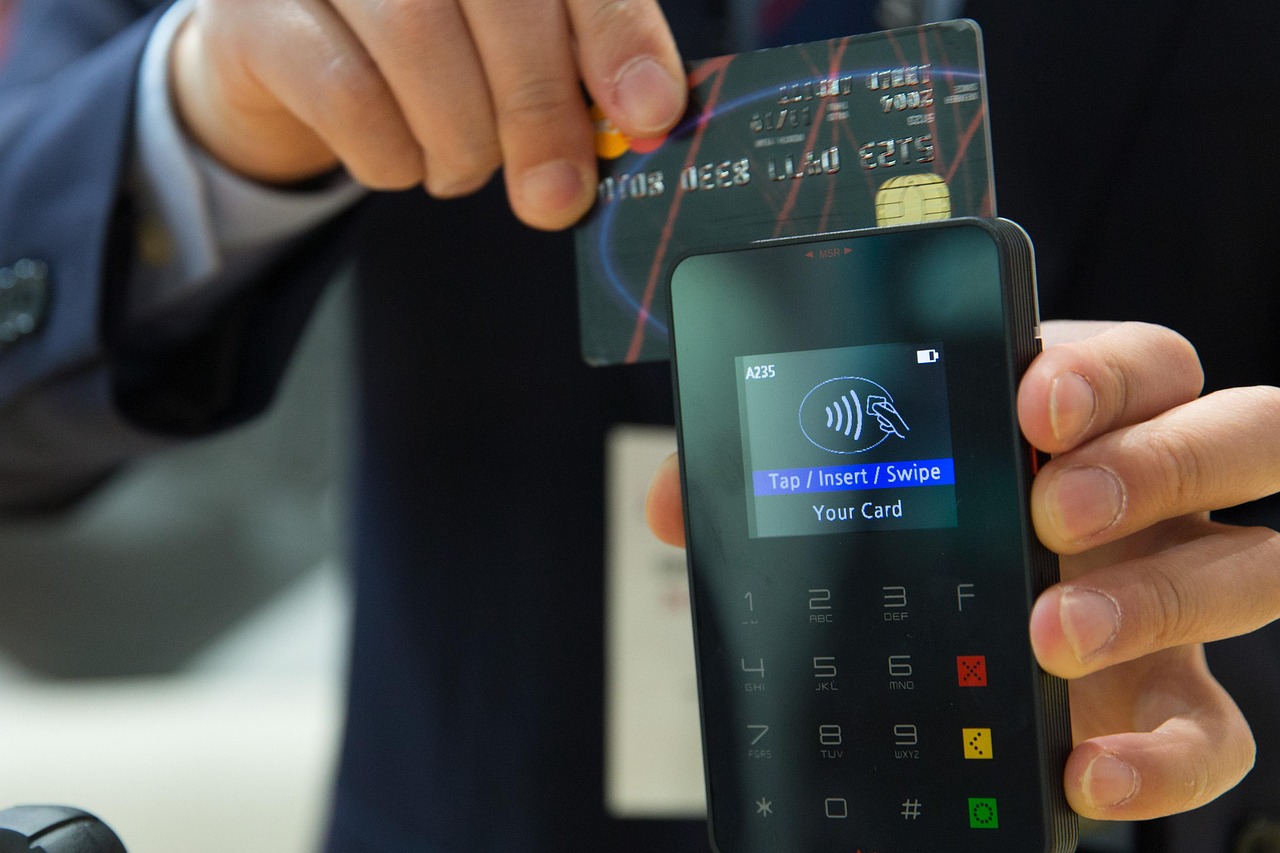
A wireless card payment machine is no longer a luxury for UK retailers — it is a core part of how modern shops serve customers efficiently, reduce queue times, and capture every sale. Whether you run a boutique, a garden centre, a pharmacy or a multi-lane convenience store, the right payment hardware shapes the customer experience at every touchpoint. This guide covers everything you need to make a confident, informed buying decision: from how different machine types compare, to what integration with your EPOS system actually looks like in practice.
Why UK Retailers Are Moving Away from Fixed Payment Terminals
The shift is driven by something straightforward: customers expect to pay wherever they are in the store, not just at a single fixed desk. Queue-busting on a busy Saturday, taking payment at a fitting room, or processing a sale on the shop floor during a market event — none of this is possible with a wired terminal bolted to a counter. The result is faster throughput, fewer abandoned purchases, and a measurably better experience for the customer.
There is also a regulatory dimension. The UK's contactless payment limit has been raised progressively by the Financial Conduct Authority (FCA) and UK Finance — verify the current limit at UK Finance — and contactless now accounts for the majority of in-person card transactions in the UK. Hardware that cannot keep pace with these payment trends creates friction that costs retailers real revenue.
For retailers considering a complete system upgrade, our guide on switching from a cash register to a modern EPOS system outlines the practical steps involved.

Types of Wireless Payment Machines: Portable, Mobile and Countertop Compared
Understanding the hardware categories prevents expensive mismatches between what you buy and how you actually trade.
Portable (Wi-Fi) Card Machines
Portable terminals connect via your in-store Wi-Fi network and typically operate within a range of around 50–100 metres from the router. They are the right choice for shops, pharmacies and boutiques where customers remain on the premises and the network is reliable. Battery life on modern units is typically sufficient for a full trading day, and they reconnect automatically when moved between zones.
Mobile (SIM/4G) Card Machines
Mobile terminals use a built-in SIM card and a mobile data connection, making them entirely independent of a fixed broadband line. This makes them ideal for market traders, pop-up retail, outdoor events, or any environment where Wi-Fi is unavailable or unreliable. They carry a small additional data cost, but offer maximum flexibility.
Smart Countertop Terminals with Wireless Capability
Modern countertop devices — often running Android — can connect wirelessly to an EPOS system over Wi-Fi while remaining at a fixed station. These are suited to high-volume single-lane retail where you want the processing power and screen real estate of a countertop unit, but without running a physical cable to a separate card reader.
| Machine Type | Connection | Best For | Key Limitation |
|---|---|---|---|
| Portable (Wi-Fi) | In-store Wi-Fi | Boutiques, pharmacies, shop floors | Requires a reliable Wi-Fi network |
| Mobile (4G/SIM) | Mobile data network | Markets, pop-ups, outdoor retail | SIM/data plan adds ongoing cost |
| Smart Countertop | Wi-Fi or Ethernet | High-volume lanes, pharmacies | Less physical mobility |
| Integrated EPOS Terminal | Wi-Fi / LAN via EPOS hub | Full retail setups with stock control | Higher initial investment |
Key Features to Look for in a Retail Payment Terminal
Not all hardware is created equal. Prioritise the features that will actually matter to your specific retail environment, rather than specifications that look impressive on paper.
Payment Method Coverage
- Chip and PIN (EMV) — mandatory for UK compliance
- Contactless (NFC) — including Apple Pay, Google Pay and contactless cards
- Swipe/magstripe — increasingly rare but occasionally relevant for international visitors
- QR code payments — growing in relevance for certain retail categories
Receipt Options
Consider whether your customers prefer printed or digital receipts. Some integrated units support direct email or SMS receipt generation, which also captures customer data for loyalty programmes.
Battery Life and Durability
For floor-walking retail, a device that needs charging by mid-afternoon is a problem. Look for units rated at eight or more hours of active use, and ideally with a charging dock that keeps spare units topped up at the counter.
Screen Size and Usability
Staff usability matters. A larger touchscreen reduces entry errors during busy periods and makes it easier for customers to confirm amounts — important for higher-value transactions.
Security and Compliance
Ensure any device is PCI DSS compliant and certified by the relevant card scheme (Visa, Mastercard). Your acquirer or payment provider should be able to confirm this. Never purchase uncertified hardware from unknown sources.
How Wireless Card Machines Integrate with Your Retail EPOS System
A payment terminal that talks directly to your EPOS software is fundamentally different from a standalone card reader — and for most established retailers, integration is non-negotiable. When the two systems are connected, a sale initiated on the till automatically sends the correct amount to the card machine, eliminating manual re-entry errors and speeding up every transaction. Payment confirmation flows back to the EPOS in real time, updating stock levels and sales records instantly.
Integration also unlocks more sophisticated workflows: split payments, refunds processed from the EPOS screen, end-of-day reconciliation that matches card receipts against Z-reads automatically, and loyalty point allocation at the point of payment. These are not premium add-ons — they are the baseline of what a properly integrated setup delivers.
Our detailed resource on combining a card machine with a till system explores integration architectures in depth, including cloud-based and on-premise options. You can also explore our guide to EPOS systems with integrated card payments for a broader view of what the market offers in 2026.
If you would like to see how integration works in practice, book a retail EPOS software demo with the EPOS Direct team.
UK Costs and Transaction Fees: What to Realistically Budget For
One of the most common questions retailers ask is what a wireless payment setup will actually cost them each month. The honest answer is: it depends on your transaction volume, whether you own or lease your hardware, and which acquirer you use. Here are realistic indicative ranges based on the current UK market.
Hardware Costs
- Entry-level portable card readers: typically from around £30–£80 as a one-off purchase (simpler standalone devices)
- Mid-range integrated wireless terminals: typically from around £150–£400 per unit
- Full integrated EPOS terminal with payment hardware: most retail setups fall between approximately £500 and £1,500 or more depending on configuration
These are indicative figures only — actual pricing varies by supplier, contract terms and bundled software. Always request a specific quote.
Transaction Fees
- Card-present consumer transactions: typically 0.3%–1.75% per transaction depending on card type and acquirer
- Business/corporate cards: often higher due to interchange rules
- Monthly service or gateway fees: commonly £10–£30 per month for managed services
Interchange-plus pricing (also called cost-plus) tends to be more transparent and cost-effective for higher-volume retailers than flat-rate blended pricing. Ask any prospective provider which model they operate.
Monthly EPOS Subscription Considerations
Many retailers bundle payment hardware with their EPOS software on a monthly basis. Our article on monthly EPOS subscriptions versus outright purchase provides a framework for comparing the total cost of ownership across both routes.
Questions Worth Asking Any Payment Hardware Provider
Before signing a contract or placing an order, these are the questions that separate well-matched suppliers from expensive mismatches.
Does the hardware integrate directly with my EPOS software?
Ask for a live demonstration, not just a written claim. True integration means the card machine receives transaction values from the till automatically — no dual entry, no reconciliation headaches. If the supplier cannot show you this working, treat it as a red flag.
What happens if my internet connection drops mid-transaction?
Reputable hardware supports offline or store-and-forward mode, queuing approved transactions locally and submitting them when connectivity is restored. Confirm the specific behaviour of any device you are considering — not all implementations are equal.
What are my options if I need to scale or add lanes?
Retail businesses grow. Confirm that adding a second or third terminal is straightforward, that pricing scales reasonably, and that your EPOS system can handle multi-lane operation without requiring a separate database or subscription tier per terminal.
Choosing the Right Setup for Different Retail Environments
There is no universal answer — the right hardware depends on how you trade. Use the following as a starting framework.
- Independent boutiques and gift shops: A single portable Wi-Fi terminal integrated with a cloud EPOS system is usually the most cost-effective and flexible starting point.
- Garden centres and outdoor retailers: A mix of Wi-Fi and mobile (4G) terminals covers both indoor counters and outdoor sales areas.
- Pharmacies: Integrated countertop terminals with age-verification prompts and prescription workflow support are worth prioritising — explore the pharmacy EPOS software demo to understand what specialist integration looks like.
- Multi-site retailers: A cloud-based EPOS with centralised reporting and site-level payment terminals gives head office real-time visibility across all locations.
For small retailers who are just beginning to evaluate their options, our practical guide to till systems for small businesses is a useful companion read. You can also find targeted guidance in our article on the best wireless card machines for small businesses in the UK.
How to Get Set Up Through EPOS Direct UK
EPOS Direct supplies, installs and supports retail EPOS and payment hardware across the United Kingdom. The process is straightforward: a member of the team will assess your retail environment, transaction volumes and existing infrastructure, then recommend hardware and software that integrates cleanly — with no pressure to over-specify.
Setup typically includes hardware configuration, software installation, staff training and ongoing support. For multi-site retailers or businesses with specific integrations (e-commerce, loyalty, accounts software), the team will scope a tailored solution before anything is agreed.
To explore current pricing and bundled offers, visit our retail EPOS offers page. You can also find broader information on solutions and pricing across the EPOS Direct UK home page.
The Direct Answer: What Makes a Good Wireless Payment Machine for Retail?
The best payment terminals for retail are those that integrate seamlessly with your till software, support all major contactless payment methods, operate reliably on your preferred connection type (Wi-Fi or mobile data), and are backed by a supplier who can support you when something goes wrong. Standalone card readers are a starting point — but for any retailer serious about efficiency and data quality, integration with an EPOS system is the standard to aim for.
Ready to Find the Right Setup for Your Store?
The EPOS Direct UK team works with retailers across the United Kingdom every day — from single-location independents to growing multi-site groups. If you would like expert guidance on the right payment hardware and EPOS combination for your specific retail environment, talk to an expert online or request a free demo to see the system in action before you commit. Getting it right from the start saves time, money and frustration — and the right advice is always free.
Written by the EPOS Direct UK team, who help UK retailers find, install and get the most from their EPOS and payment systems every day.
Frequently asked questions
- How much does a wireless card machine typically cost for a retail shop in the UK?
- In the UK, wireless card machines generally range from around £150 to £400 to purchase outright, depending on the brand and features. Some providers offer rental agreements from approximately £15 to £30 per month. On top of the hardware cost, you will pay transaction fees — typically between 0.75% and 1.75% per card transaction for most small to medium retailers, though negotiated rates are available for higher-volume businesses. Always check whether your provider charges monthly service fees or a minimum monthly charge, as these can add £15 to £25 per month.
- Can a wireless card machine work alongside my existing till or EPOS system?
- Yes, in most cases a wireless card machine can be integrated directly with a modern EPOS system so that payment totals are sent automatically from your till to the card reader — removing the need for manual entry and reducing human error. At EPOS Direct, our payment hardware is designed to connect seamlessly with our retail EPOS software, meaning card transactions, receipts and sales reports are all managed in one place.
- What is the difference between a portable and a mobile card machine for a retail environment?
- A portable card machine connects to your in-store Wi-Fi or Bluetooth and is ideal for use within a shop floor or stockroom — it works well at fixed counters or when serving customers anywhere within your premises. A mobile card machine uses a SIM card and a mobile data connection, making it suitable for pop-up stalls, market traders or retailers who operate across multiple locations. For most bricks-and-mortar retail shops, a portable Wi-Fi card machine offers the most reliable and cost-effective solution.
