We use cookies to make your experience better.
To comply with the new e-Privacy directive, you agree to the privacy policy and our use of cookies


Best Wireless Card Payment Machines for Retail Businesses in the UK
Wireless Card Payment Machines for UK Retail: Everything You Need to Know
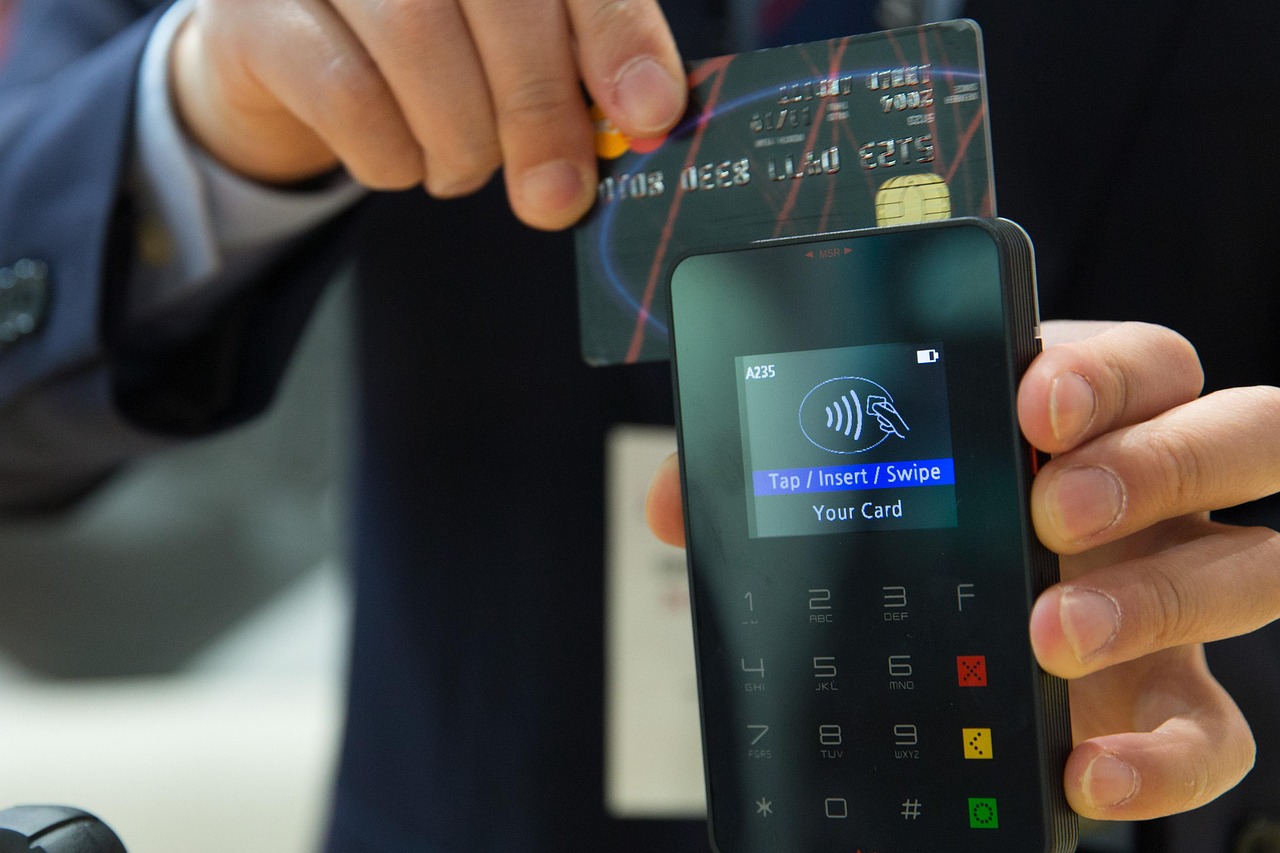
Wireless card payment terminals have become a retail necessity rather than a luxury — enabling faster checkout, flexible payment options, and a seamless customer experience that static countertop machines simply cannot match. For UK retailers evaluating their options, the right wireless solution depends on your transaction volume, store layout, connectivity preferences, and how tightly the terminal integrates with your wider EPOS setup. This guide covers every dimension of that decision, written by the EPOS Direct UK team, who work with independent and multi-site retailers across the United Kingdom every day.
Why UK Retailers Are Moving Away from Fixed Card Terminals
The shift is driven by a straightforward commercial reality: customers expect to pay wherever they are — at a fitting room, a pop-up display, a café counter within a shop, or curbside during a click-and-collect handover. Tethered terminals create bottlenecks, reduce average basket size, and, in some layouts, physically cannot reach the point of sale.
Beyond convenience, wireless terminals also reduce the risk of dropped transactions at busy periods. When a single fixed terminal goes down during a Saturday rush, the entire queue stalls. With portable devices distributed across staff, one unit going offline is an inconvenience rather than a crisis. UK retailers operating seasonal concessions, markets, or mobile fashion boutiques find this resilience particularly valuable.
There is also a compliance angle worth noting. Contactless limits in the UK have expanded significantly in recent years (the current limit is set by the Financial Conduct Authority and card schemes — always verify the current figure on the UK Finance website), encouraging more customers to tap rather than insert. Wireless terminals are inherently optimised for contactless and mobile wallet transactions because staff can bring the device to the customer rather than directing them to a fixed point.

Key Features That Actually Matter in a Retail Card Terminal
Not every specification on a product sheet translates into real-world value. Focus your evaluation on these practical criteria:
Connectivity Type
- Wi-Fi: Ideal for permanent retail locations with a stable broadband connection. Fastest data speeds and lowest per-transaction latency. Vulnerable to router or ISP issues.
- 4G/SIM-based: Essential for outdoor markets, pop-up retail, or any site where Wi-Fi is unreliable. Many modern terminals support dual-mode — falling back to 4G when Wi-Fi drops.
- Bluetooth: Common in compact, paired-device setups where the terminal communicates with a tablet or smartphone hub. Suitable for low-volume boutiques or mobile sellers.
Battery Life and Charging
A terminal that needs charging mid-shift is worse than useless. Look for devices rated for a full trading day (typically eight or more hours of active use) and that support rapid or cradle charging overnight. Swappable batteries are a useful option for high-volume retailers who cannot afford any downtime.
Payment Method Coverage
Your terminal must accept chip-and-PIN, contactless (including Visa, Mastercard, Amex where applicable), and digital wallets (Apple Pay, Google Pay). For fashion, gift, and homeware retailers with an international footfall, UnionPay acceptance is increasingly relevant.
Receipt Options
Built-in thermal printers remain the most reliable receipt method for traditional retail. However, SMS and email receipt options reduce paper waste and align with sustainability commitments — an increasingly important brand signal for UK independent retailers.
Screen Quality and Ease of Use
A well-lit, responsive touchscreen matters in real trading conditions — especially in dimly lit boutiques or outdoors in bright sunlight. Staff adoption drops sharply when a terminal is difficult to navigate under pressure.
How Wireless Card Machines Integrate with Your EPOS System
This is the question most retailers underestimate until they have already committed to a device. A standalone card machine processes payments but contributes nothing to your stock management, sales reporting, or customer data. An integrated terminal, by contrast, passes transaction data directly into your EPOS platform — eliminating manual reconciliation errors and giving you a real-time view of revenue by terminal, staff member, or product category.
The integration approach matters too. Some solutions use a hardwired API connection between the payment gateway and the EPOS software, providing seamless two-way communication. Others rely on semi-integration, where the total is sent to the card machine but transaction confirmation is logged separately. Full integration is almost always worth the marginal extra cost for any retailer processing more than a handful of transactions per hour.
For retailers exploring a combined solution, our guide on combining a card machine and till system explains the technical and commercial considerations in detail. And if you are a clothing or fashion retailer specifically, the best EPOS systems for clothing shops in the UK covers integration options tailored to your sector.
If you want to see how EPOS Direct's own software handles payment integration before committing, you can book a retail EPOS software demo at no cost or obligation.
Comparing Wireless Payment Solutions: A Practical Overview
The market broadly divides into three tiers. The table below maps those tiers against the criteria that matter most for UK retail buyers.
| Solution Tier | Best Suited For | Connectivity | EPOS Integration | Typical Indicative Monthly Cost* | Key Trade-off |
|---|---|---|---|---|---|
| Standalone portable terminal | Sole traders, market stalls, very low volume | 4G / Bluetooth | None or manual export | Low or pay-per-transaction model | No stock or reporting integration |
| Semi-integrated terminal | Small independents with a basic till setup | Wi-Fi / 4G | Partial (total pushed to device) | Typically from £20–£40/month (indicative) | Manual reconciliation still required |
| Fully integrated EPOS + payment | Established retailers, multi-terminal sites | Wi-Fi / 4G dual-mode | Full two-way API integration | Typically from £40–£80+/month (indicative) | Higher upfront or monthly commitment |
*Indicative ranges only, based on typical UK market conditions at time of writing. Actual costs vary by provider, transaction volume, and contract terms. Always request a personalised quote.
For small businesses weighing up their options before scaling, our dedicated guide to choosing the best wireless card machine for small businesses covers this tier in greater depth.
Understanding Transaction Fees and Total Cost of Ownership
The headline transaction rate is rarely the whole story. UK retailers should evaluate the full cost structure before signing any agreement:
- Transaction percentage rate: Typically ranges from around 0.5% to 2.5%+ depending on card type (debit vs. credit vs. corporate card), acquirer, and your monthly volume. Negotiate based on your actual mix.
- Monthly terminal rental or service fee: Many providers bundle hardware, software, and support into a monthly figure. Others charge separately. Compare total monthly outlay, not just the device rental line.
- Minimum monthly service charges: Some contracts include a minimum charge if your transaction volume falls below a threshold — relevant for seasonal retailers.
- Chargeback and refund fees: Often overlooked but material for retailers in higher-risk categories (event retail, limited-edition drops).
- PCI DSS compliance fees: Payment Card Industry Data Security Standard compliance is mandatory for any business accepting card payments in the UK. Some acquirers include compliance tooling; others charge separately. Verify requirements at the official PCI Security Standards Council website.
For retailers who want to minimise recurring costs without sacrificing capability, our articles on EPOS systems with no monthly fee and card machines with no monthly fee explore models that trade fixed costs for per-transaction pricing — a worthwhile option for lower-volume or seasonal businesses.
Setting Up a Wireless Card Machine in Your Store: Practical Guidance
Getting a terminal live is rarely the technical challenge retailers fear, but there are a few practical steps that determine whether the rollout is smooth or chaotic:
- Audit your connectivity before choosing a device. Walk every area of your shop floor with a Wi-Fi signal checker. Dead zones near fitting rooms or stockrooms are common in older retail buildings. If coverage is patchy, opt for a 4G-capable device.
- Configure your payment gateway before staff training. Ensure tip prompts, receipt preferences, and refund authorisation levels are set correctly in the back office before any device reaches the shop floor.
- Train staff on the refund and void workflow. This is consistently the process that generates the most errors. Run through it explicitly during setup, not as an afterthought.
- Test end-of-day reconciliation with your EPOS software. Confirm that the terminal batch close figures match your EPOS daily totals before going live — discrepancies are far easier to resolve before trading begins.
- Plan your charging station layout. If you run multiple terminals, designate a central charging point behind the counter so devices are always ready for the next shift.
If you would rather walk through setup with an expert before committing, you can talk to an EPOS Direct specialist online — they can advise on connectivity, integration, and the right terminal configuration for your specific layout.
How EPOS Direct Helps UK Retailers Accept Card Payments Seamlessly
EPOS Direct supplies integrated EPOS and payment solutions to UK retailers across a wide range of sectors, from independent fashion boutiques to multi-site homeware and gift chains. The approach is built around one core principle: payment acceptance and stock management should work as a single system, not two parallel processes that staff must manually reconcile at close of play.
Terminals supplied through EPOS Direct are fully integrated with the EPOS Direct retail software platform, meaning every card transaction updates stock levels, sales reports, and customer records in real time. Whether you run one terminal or fifteen across multiple sites, the data flows through a single back office — giving you the kind of visibility that used to require expensive enterprise systems.
For small business owners exploring the broader EPOS landscape, our complete EPOS system guide for small businesses is a practical starting point. And the EPOS Direct UK home page at eposdirect.co.uk carries current offers and full product information updated regularly.
Retailers ready to explore specific packages can view our current retail EPOS offers, which include terminal and software bundles tailored to different store sizes and transaction volumes.
The Direct Answer: What Should UK Retailers Know Before Buying?
A wireless card terminal for UK retail is most valuable when it is fully integrated with your EPOS system, supports Wi-Fi and 4G connectivity, and offers contactless and digital wallet acceptance as standard. Standalone devices are adequate for very low-volume sellers, but any retailer processing meaningful daily transactions should prioritise a fully integrated solution that eliminates manual reconciliation and provides real-time sales data.
Conclusion
Choosing the right card payment solution for your retail business is a decision that touches every part of your operation — from checkout speed and customer experience to stock accuracy and end-of-month accounting. The options available to UK retailers in 2025 are genuinely impressive, but they vary significantly in integration depth, connectivity resilience, and total cost. Taking the time to evaluate those dimensions properly, rather than defaulting to the cheapest transaction rate, pays dividends across the life of the contract.
EPOS Direct works with UK retailers at every stage of that decision — from initial consultation through to installation and ongoing support. Request a free demo to see how integrated card payment and EPOS software works in practice, or request a call back from a member of the EPOS Direct team to discuss your specific requirements.
Frequently asked questions
- How much does a wireless card payment machine typically cost for a UK retail shop?
- Costs vary depending on the provider and contract type. In the UK, you can expect to pay anywhere from £15 to £50 per month on a rental agreement, or a one-off hardware purchase between £150 and £400 for a standalone terminal. Transaction fees typically range from 0.3% to 1.75% per transaction depending on your card mix and monthly turnover. Bundled EPOS packages from providers like EPOS Direct can offer better value by combining hardware, software and payment processing in a single monthly price.
- Can a wireless card machine work without a constant Wi-Fi connection in my shop?
- Yes. Most modern wireless card terminals support both Wi-Fi and 4G mobile connectivity, so they can automatically switch to a mobile network if your broadband drops. This makes them reliable for busy retail environments, market stalls, pop-up shops and any setting where a fixed internet connection is not guaranteed.
- Do wireless card readers connect directly to retail EPOS tills and stock management systems?
- Many do, but integration quality varies significantly between providers. When a card machine is fully integrated with your EPOS system, sales are recorded automatically, receipts are unified and stock levels update in real time. EPOS Direct offers card payment hardware designed to work natively with its retail EPOS software, eliminating manual reconciliation and reducing human error at the point of sale.
