We use cookies to make your experience better.
To comply with the new e-Privacy directive, you agree to the privacy policy and our use of cookies

Best Wireless Card Payment Terminals for Retail Shops: A Complete Buyer's Guide
Best Wireless Card Payment Terminals for Retail Shops: A Complete Buyer's Guide
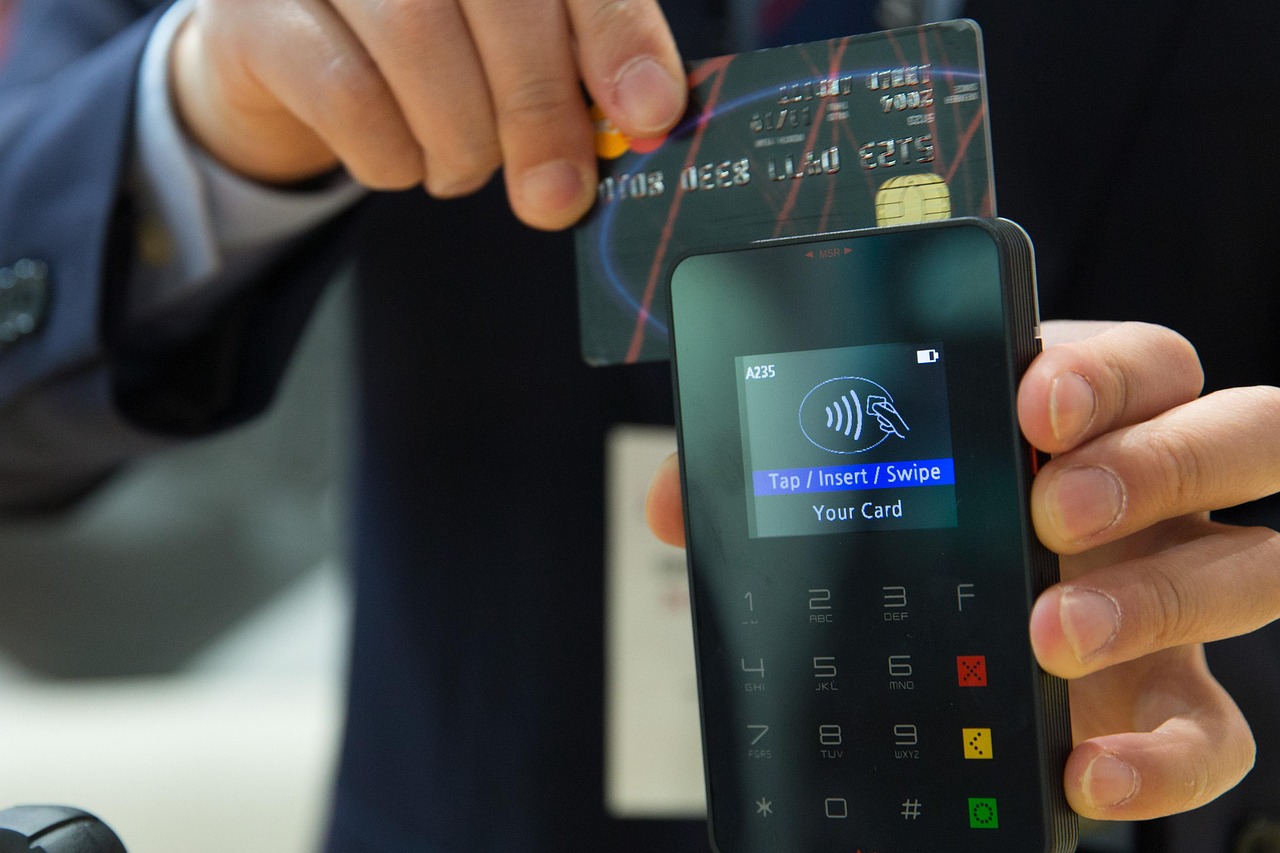
For retail businesses across the UK, accepting card payments wirelessly is no longer a luxury — it is a practical necessity. The right wireless card terminal gives your shop the flexibility to serve customers anywhere on the floor, at the counter, or even at outdoor events, while integrating cleanly with your wider EPOS setup. This guide cuts through the noise to help you choose the terminal that genuinely fits your retail operation, your transaction volume and your budget.
Why Retail Shops Are Moving Away from Fixed Card Terminals
The shift is partly driven by customer expectation and partly by operational efficiency. A fixed, countertop-only terminal creates a single bottleneck at checkout. A wireless terminal lets your team assist customers at the shelf, manage queues during peak hours, or set up a pop-up display at a trade fair without losing the ability to take payment on the spot.
Beyond flexibility, wireless terminals reduce cable clutter, simplify counter layouts and — critically — remove the friction that causes abandoned purchases. UK Finance data consistently shows that contactless and card payments dominate consumer spending; a retailer who cannot accept card payment smoothly, wherever the sale happens, is losing revenue at the point of decision.
- Queue-busting: Staff can take payment anywhere in the store, reducing wait times at busy periods.
- Pop-up and event trading: One device moves with you rather than tying you to a desk.
- Cleaner counter space: No cable run means a tidier, more premium-feeling till area.
- Faster table or fitting-room service: Particularly valuable for fashion, beauty and specialist retailers.
If you are still running a legacy cash register and considering an upgrade, our guide on how to switch from a cash register to a modern EPOS system walks through the full transition process step by step.

Key Features to Look for in a Wireless Payment Terminal
Not all wireless terminals are built the same. Before you sign a contract or accept a bundled deal from your bank, evaluate these features against your specific retail context.
Connectivity Options
Most modern terminals support both Wi-Fi and 4G/LTE SIM-card connectivity. Wi-Fi-only terminals are fine for fixed premises with a reliable network, but a 4G fallback is invaluable for busy trading days when your broadband drops or for outdoor selling. Look for terminals that switch automatically between the two.
Payment Method Acceptance
At a minimum, your terminal should accept contactless (Visa, Mastercard, Amex), chip-and-PIN, and mobile wallets including Apple Pay and Google Pay. For higher-ticket retail, check whether the contactless limit ceiling is configurable — the UK's current contactless limit for card payments is set by the Financial Conduct Authority (FCA) and card schemes; verify the current limit at fca.org.uk.
Battery Life and Charging
A terminal that dies at 2 pm on a Saturday is a serious operational problem. Look for a rated battery life of at least eight hours under typical transaction loads, and consider whether the device charges via a dock (convenient for overnight top-ups) or USB-C (more versatile).
Screen Size and Receipt Options
Larger touchscreens make it easier for customers to input PINs and review totals. Terminals with integrated receipt printers are heavier but eliminate a separate device; those with digital receipt options (SMS or email) are lighter and faster at checkout.
EPOS Integration
This is where many retailers make an expensive mistake: choosing a payment terminal that cannot talk to their EPOS software. Native integration — where the EPOS system sends the transaction amount directly to the terminal and reconciles the result automatically — eliminates double-keying errors and speeds up end-of-day reporting. We cover this in detail in the section below.
How Wireless Terminals Integrate with Your Retail EPOS System
A truly integrated setup means the terminal is not a standalone device — it is an extension of your point-of-sale system. When a cashier finalises a basket on the EPOS screen, the total is pushed to the terminal automatically. The customer pays, and the result — approved, declined, partially tendered — flows back into the EPOS in real time, updating stock levels and sales reports simultaneously.
This level of integration requires that the terminal and the EPOS software speak the same protocol, typically via a local network connection or a certified payment gateway API. Not all payment providers offer this natively, which is why choosing an EPOS platform with built-in payment integration matters more than picking whichever terminal your bank happens to offer.
For a deeper comparison of systems that handle this well, see our guide to the best EPOS systems with integrated card payments in the UK. If you would rather explore EPOS Direct's own retail software before committing, you can book a retail EPOS software demo to see the integration in action.
What "Semi-Integrated" Means and When It Is Acceptable
Some smaller retailers use a semi-integrated setup: the EPOS and terminal are separate, and the cashier manually enters the total on the terminal. This avoids integration complexity and works with almost any terminal, but it introduces manual error and slows checkout. It is workable for very low transaction volumes but becomes a liability in busier shops.
Comparing Wireless Terminal Approaches for UK Retailers
Rather than comparing specific manufacturer models (which change frequently and whose pricing varies by provider), the table below helps you evaluate the type of setup that suits your shop — based on the criteria that actually drive the buying decision.
| Setup Type | Best For | Integration Level | Mobility | Typical Cost Approach | Key Consideration |
|---|---|---|---|---|---|
| Standalone wireless terminal (bank-provided) | Very small retailers, sole traders | None — manual entry | High (Wi-Fi + 4G) | Monthly rental typically from £15–£30/month + transaction fees | Reconciliation is manual; limited reporting |
| EPOS-integrated wireless terminal | Established retail shops, multi-till setups | Full — auto amount push and return | High (Wi-Fi typically) | Bundled with EPOS hardware; payment fees vary by provider | Requires compatible software; most cost-effective at scale |
| Mobile card reader (dongle-style) | Market stalls, pop-ups, low volume | App-based, partial | Very high — pairs with smartphone | Low or no monthly fee; higher per-transaction percentage | Higher percentage fees erode margin at volume |
| Smart POS terminal (Android-based all-in-one) | Growing retailers wanting one device | App-dependent — can be full | High | Purchase from approx. £200–£500; or monthly bundle | App ecosystem quality varies significantly by brand |
Understanding Transaction Fees, Contracts and Hidden Costs
This is the area where retail businesses most often feel stung, so it deserves careful attention. The headline transaction rate is rarely the whole story.
Transaction Rate Structures
UK payment providers typically offer either a flat-rate percentage per transaction (simpler, predictable) or an interchange-plus model (where you pay the card scheme's base cost plus a provider margin). For higher-volume retailers, interchange-plus tends to be cheaper; for low-volume shops, a flat rate is easier to budget.
Indicative ranges for UK retail: flat-rate plans commonly fall between 1.5% and 2.5% per transaction depending on provider and card type. Interchange-plus arrangements are typically lower but require you to understand the underlying cost structure. Always ask the provider for an illustrative cost based on your actual monthly volume.
Monthly Fees and Rental Terms
Terminal rental contracts range from rolling monthly agreements to 12-, 24- or 36-month fixed terms. Longer terms generally offer lower monthly costs but lock you in. Read the exit clause carefully — early termination fees can be substantial. Also check whether software updates, PCI DSS compliance support and technical assistance are included or charged separately.
Hidden Costs to Watch For
- Chargeback administration fees
- Per-authorisation or batch-settlement fees
- Minimum monthly service charges (if your volume dips below a threshold)
- PCI non-compliance penalties (if you do not complete annual PCI DSS questionnaires)
- Paper roll and consumables (if using an integrated printer)
For a broader look at how ownership versus subscription models affect total cost of ownership across your whole EPOS setup, our article on monthly EPOS subscriptions versus outright purchase is a practical starting point. You can also view our current retail EPOS offers to see what bundled pricing looks like in practice.
Choosing the Right Terminal for Your Shop Size and Trading Pattern
The best terminal for a boutique fashion shop serving 30 customers a day is not the same device that suits a busy convenience store processing 300 transactions. Use the questions below to frame your decision.
What is your average daily transaction volume?
Under 50 transactions per day: a standalone wireless terminal or a smart all-in-one device is usually sufficient. 50–200 transactions per day: integration with your EPOS becomes genuinely important for speed and accuracy. Above 200 transactions: look at multi-terminal setups with a centralised management console and robust reporting.
Do you trade in more than one location?
Retailers who attend markets, fairs or seasonal pop-ups alongside a fixed shop benefit from terminals with strong 4G connectivity and a provider that supports multi-location reporting from a single account.
How important is brand experience at the till?
For premium or specialist retailers — think independent jewellers, luxury gift shops, curated homeware — the physical appearance and feel of the payment terminal contributes to the checkout experience. Sleek, modern device design matters here in a way it may not for a trade counter.
For small shop owners weighing up the full range of options, our guide to the best till systems for small shops covers the broader system context alongside payment terminals. You can also find guidance on the best wireless card machines for small businesses if you want a dedicated comparison focused on standalone card machine choices.
Getting Started: Installation, Onboarding and Ongoing Support
The quality of the onboarding experience is a reliable indicator of the quality of the ongoing relationship. A provider who rushes you through setup without proper training will be equally unhelpful when something goes wrong on your busiest trading day.
What Good Onboarding Looks Like
- A dedicated setup call or on-site visit to configure the terminal within your network
- Integration testing with your EPOS software before go-live
- Staff training on how to process payments, handle declined cards and issue refunds
- Clear documentation for troubleshooting common errors
- A named point of contact for the first 30 days
Support to Expect Long-Term
Confirm that your provider offers UK-based telephone support during your trading hours — not just a ticket system with a 48-hour response window. For retailers who operate evenings or weekends, out-of-hours support is not optional; a payment system failure during a Saturday peak is a direct revenue loss.
PCI DSS compliance support should also be part of your agreement. PCI DSS (Payment Card Industry Data Security Standard) mandates annual self-assessment questionnaires and, for higher-volume merchants, on-site audits. Your provider should guide you through this, not leave you to navigate it alone.
If you would like to explore how EPOS Direct UK supports retailers through setup and beyond, you can talk to one of our experts online or request a call back at a time that suits your schedule.
Quick Answer: Which Wireless Card Terminal Is Right for a UK Retail Shop?
For most UK retail shops, the strongest choice is a Wi-Fi and 4G-enabled wireless terminal that integrates natively with your EPOS software, supports all major contactless and mobile wallet payments, and comes from a provider offering UK-based support and transparent transaction pricing. Standalone bank-issued terminals are a reasonable starting point for very small or low-volume operations, but an integrated solution becomes measurably more efficient — and more cost-effective — as your business grows.
Conclusion
Choosing a wireless card terminal is not simply a payments decision — it is a retail operations decision that affects queue management, stock accuracy, reporting quality and the overall customer experience at your till. Taking the time to match the terminal type, connectivity options and integration level to your actual trading patterns will pay dividends every trading day.
EPOS Direct UK works with independent retailers, small chains and specialist shops across the United Kingdom to build integrated EPOS and payment setups that genuinely fit how each business operates. Explore the full range of solutions on the EPOS Direct UK home page, or request a free demo to see how a fully integrated retail EPOS and wireless payment system could work for your shop.
Written by the EPOS Direct UK team, who support UK retailers with EPOS and payment system decisions every day.
Frequently asked questions
- How much does a wireless card terminal typically cost for a small retail shop in the UK?
- Costs vary depending on whether you buy outright or rent. Outright purchase prices for a quality wireless card terminal in the UK generally range from £150 to £400 per device. Monthly rental agreements can start from around £15 to £40 per month. On top of the hardware, you will also pay transaction fees, which typically sit between 0.5% and 1.75% per transaction depending on your provider and monthly turnover. EPOS Direct can advise on the most cost-effective option for your specific retail setup.
- Can a wireless card terminal work without a constant Wi-Fi connection in my shop?
- Yes. Many modern wireless card terminals support both Wi-Fi and 4G connectivity, meaning they can switch automatically to a mobile data connection if your broadband drops. This is especially useful for retail environments where network reliability can vary, or for pop-up and market stall setups. Always confirm dual-connectivity support when choosing your terminal.
- Will a wireless payment terminal integrate directly with my retail EPOS till system?
- In most cases, yes. Leading wireless terminals can be integrated with EPOS software so that payment totals are sent automatically from the till to the terminal, removing the need for manual entry and reducing the risk of errors. EPOS Direct's retail systems are designed to work seamlessly with compatible card payment hardware, giving you consolidated sales reporting in one place.
