We use cookies to make your experience better.
To comply with the new e-Privacy directive, you agree to the privacy policy and our use of cookies

Best Wireless Card Payment Terminals for Small Businesses in the UK
Best Wireless Card Payment Terminals for Small Businesses in the UK
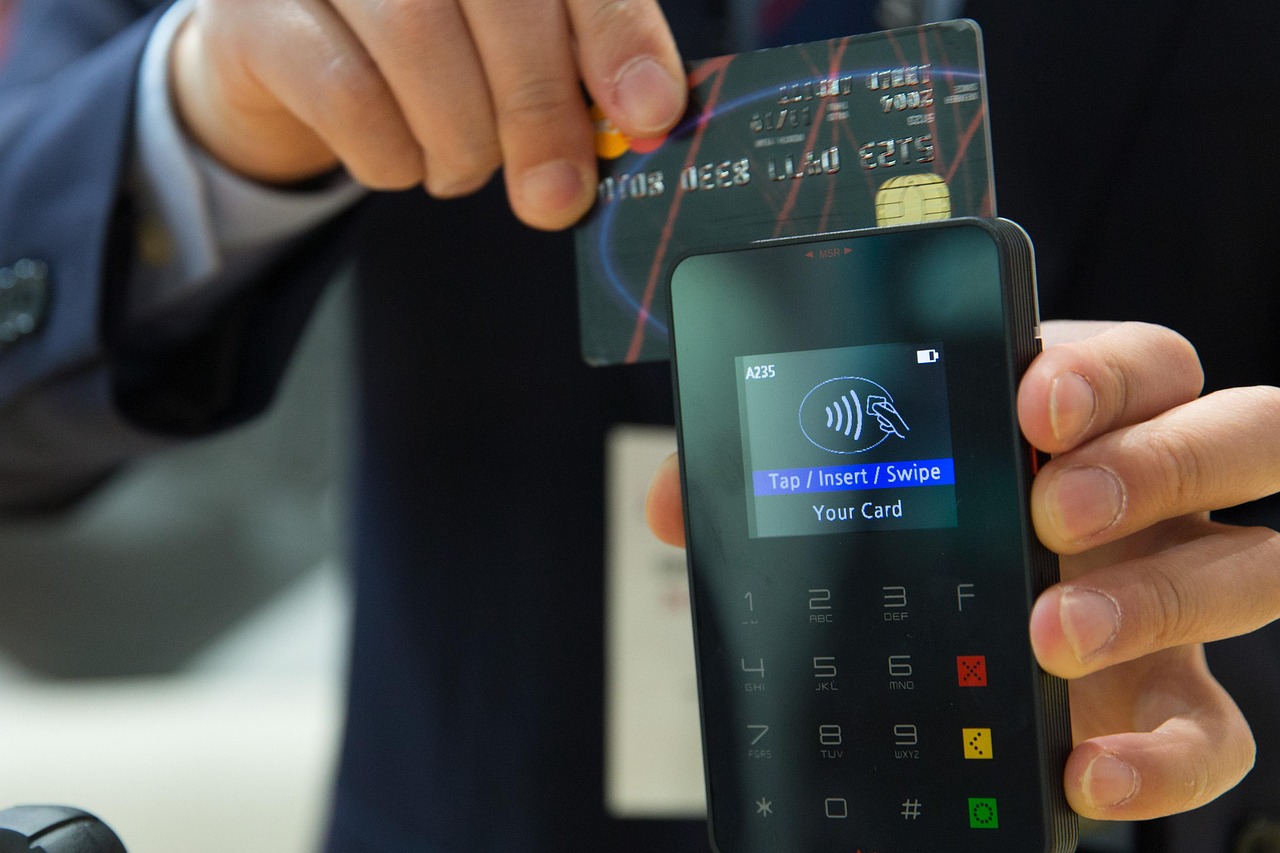
Accepting card payments without being tethered to a fixed counter is no longer a luxury — it is a practical necessity for a growing number of UK small businesses. The right portable card terminal lets you serve customers at the table, on the shop floor, at a market stall, or anywhere else your trade takes you, while keeping payment acceptance fast, secure, and fully integrated with your wider business system. This guide explains exactly what to look for, what to expect to pay, and how to choose the solution that fits your operation.
Why Small Businesses Are Moving Away from Fixed Card Readers
Consumer expectations in the UK have shifted decisively toward contactless and card-first payments. According to UK Finance's regular payment market reports (available at ukfinance.org.uk), debit cards have overtaken cash as the most frequently used payment method in the UK — a trend that accelerated sharply post-2020 and shows no sign of reversing. For small businesses, that means a missed card payment is increasingly a missed sale.
Fixed countertop terminals work well in environments where customers always come to you — but many small businesses do not operate that way. Hospitality venues carry food to the table. Retailers assist customers on the shop floor. Market traders, mobile beauticians, and service engineers work entirely away from a fixed base. In all of these situations, a portable terminal that moves with the transaction removes friction, speeds throughput, and — in table-service environments especially — has been shown to reduce dining disputes and improve gratuity rates.
Beyond convenience, modern wireless terminals offer something their countertop predecessors could not: seamless integration with cloud-based EPOS software, real-time reporting, and direct syncing with stock and table management. That connectivity is what makes a portable terminal genuinely powerful rather than merely portable.
Types of Portable Card Terminal: Which Format Suits Your Business?
Not all wireless terminals are the same, and selecting the right format saves money and avoids operational headaches.
SIM-Based (GPRS/4G) Terminals
These devices carry their own mobile data SIM, which means they operate wherever there is a mobile signal — market stalls, outdoor events, delivery rounds, or trade shows. They are the most genuinely mobile option, but transaction speed depends on signal quality, and ongoing data costs are a factor to build into your budget.
Wi-Fi Terminals
Wi-Fi terminals connect to your venue's wireless network and are ideal for restaurants, cafés, retail stores, and salons where staff move within the premises but do not leave the building. Speeds are typically faster than SIM-based devices on a good connection, and there are no additional data SIM costs. They do rely on a reliable local network, so broadband resilience matters.
Bluetooth-Paired Portable Terminals
These pair wirelessly to a base station or tablet that handles the internet connection. They offer reasonable portability within a limited range and can be a cost-effective solution when paired with a tablet-based EPOS system. Range is typically limited to around ten metres from the base, making them suited to compact venues.
Integrated Smart Terminals (Android-Based)
The newest generation of portable terminals runs a full Android operating system, allowing EPOS software to operate directly on the device. A single handheld unit can manage ordering, payment, receipt printing, and sales reporting — a particularly compelling option for small hospitality businesses looking to minimise hardware spend. These devices typically support both Wi-Fi and 4G connectivity.
| Terminal Type | Best Suited For | Key Advantage | Key Consideration |
|---|---|---|---|
| SIM/4G Terminal | Market traders, mobile services, outdoor events | Works anywhere with mobile signal | Ongoing SIM data costs; signal dependent |
| Wi-Fi Terminal | Restaurants, cafés, retail, salons | Fast, reliable on a good network | Requires solid on-site Wi-Fi infrastructure |
| Bluetooth Terminal | Compact venues, market-stall setups | Low hardware cost; simple pairing | Limited range; relies on paired device |
| Smart Android Terminal | Small hospitality, pop-ups, agile retail | All-in-one ordering and payment | App compatibility; higher upfront cost |
Key Features to Look for in a Portable Card Payment Terminal
Hardware specifications matter less than most buyers assume. Practical usability, security compliance, and software integration are the real differentiators.
PCI DSS Compliance
Any terminal processing card payments in the UK must comply with the Payment Card Industry Data Security Standard (PCI DSS). Reputable providers supply only compliant hardware; if a device does not carry current PCI certification, walk away. You can verify certification status at pcisecuritystandards.org.
Contactless and Chip-and-PIN Support
All current UK terminals should support both contactless (including Apple Pay, Google Pay, and digital wallets) and chip-and-PIN. From October 2021, the UK contactless single-transaction limit rose to £100. Confirm your terminal supports this threshold — older firmware may not.
Battery Life
For a busy shift in hospitality or retail, aim for a minimum of eight hours of active use on a single charge. Some high-volume environments will benefit from a charging cradle that keeps spare batteries ready.
Receipt Options
Consider whether you need printed receipts, digital receipts (via SMS or email), or both. Printed receipts require a terminal with an integrated thermal printer — not all compact devices include one. Digital receipts reduce consumable costs and paper waste, and many customers now prefer them.
EPOS Integration
A terminal that talks to your till system eliminates double-keying and human error. Look for certified integration between the payment terminal and your EPOS software — not just a loose Bluetooth pairing, but genuine data flow that posts transactions directly to your sales records and, where relevant, your accounting package.
What Does a Wireless Card Terminal Cost in the UK?
Pricing in this market varies considerably depending on whether you rent, subscribe, or purchase outright, and what level of integration and support is included. The following ranges are indicative guidance for typical UK small-business setups and should not be taken as exact quotes — always confirm current pricing directly with your provider.
- Entry-level standalone portable terminal (rental or monthly plan): typically from around £15–£30 per month, with transaction fees applied on top. Suitable for very low-volume businesses.
- Mid-range integrated terminal (subscription with EPOS software): most small businesses in retail or hospitality find themselves in the £30–£80 per month range for a combined terminal and software package, depending on the number of devices and features.
- Outright purchase (hardware only): portable terminals suitable for small business use typically range from around £150 to £400+ per device. You will still need a payment processing contract, which carries its own per-transaction rates.
- Smart all-in-one Android terminals: hardware cost is generally higher, typically from £250–£500+, but the total cost of ownership can be lower when software and separate EPOS hardware are factored out.
Transaction fees from your payment processor (which may be separate from your terminal provider) typically run between approximately 0.5% and 1.75% per card transaction for small UK businesses, depending on card type and monthly volume. For a fuller comparison of ownership models, our guide on monthly EPOS subscriptions versus outright purchase walks through the financial case for each approach in detail.
Integrating Your Card Terminal with an EPOS System
A portable terminal that operates in isolation from your point-of-sale system is a missed opportunity. Full integration means that when a payment is taken, it posts instantly to your till, updates your sales totals, and — depending on your software — reduces stock, closes a table, and feeds your end-of-day reports. That single data flow removes transcription errors and gives you a real-time view of business performance.
For small businesses considering this step, our comprehensive resource on combining a card machine and till system covers exactly how integrated setups work, what to expect technically, and how to evaluate whether a provider's claimed integration is genuine or superficial. Similarly, if you are ready to evaluate full system options, our guide to the best EPOS systems with integrated card payments in the UK compares approaches across different business types.
EPOS Direct's own systems are designed with payment integration at the core rather than as an afterthought. Our software connects directly with certified payment terminals, with data flowing in real time — no reconciliation workarounds, no manual cross-referencing at the end of a shift. You can explore our EPOS software to understand what is included, or book a role-specific demo: retail EPOS software demo or restaurant EPOS software demo.
Industries That Benefit Most from Portable Payment Solutions
While almost any consumer-facing business can benefit from wireless payment acceptance, certain sectors see the most immediate and measurable return.
Hospitality and Food & Beverage
Table-side payment is now the expected norm in UK restaurants, pubs, and cafés. Pay-at-table eliminates the awkward wait for a bill, reduces walkouts, and in many venues measurably increases tip frequency when customers can add gratuities at the terminal. If you are evaluating hospitality-specific solutions, our hospitality and restaurant EPOS offers outline what is available.
Independent Retail
Floor-roaming staff in boutiques, hardware shops, and garden centres can assist customers and complete a sale without directing them to a fixed checkout — reducing queue anxiety and improving conversion. For retail-focused guidance on full system options, see our practical buyer's guide to till systems for small businesses.
Markets, Fairs, and Pop-Up Trading
SIM-enabled terminals have transformed outdoor trading in the UK. Artisan food producers, craft sellers, and pop-up operators who once lost sales due to cash-only limitations can now accept card and digital wallet payments from any pitch.
Mobile and Visiting Services
Plumbers, electricians, mobile beauty therapists, personal trainers, and similar trades collecting payment at the point of service benefit enormously from a compact, 4G-enabled terminal that fits in a work bag and processes payments instantly on site.
Pharmacies and Healthcare Retail
Pharmacies face a particular combination of compliance requirements and customer service expectations. If you operate in this sector, our pharmacy EPOS software demo shows how integrated payments sit within a compliant pharmacy retail environment.
Practical Questions Buyers Commonly Ask
Do I need a separate merchant account to accept card payments?
In most cases, yes — you will need a merchant account or payment facilitation agreement with a payment processor alongside your terminal. Some all-in-one providers bundle both hardware and processing; others supply hardware separately and you arrange processing independently. Understanding this distinction upfront prevents billing surprises. Ask any prospective supplier to clearly separate hardware, software, and processing costs before you sign.
Can a portable terminal work if my internet connection goes down?
Most modern terminals offer some form of offline or store-and-forward mode, which queues transactions locally and processes them when connectivity is restored. The risk is that authorisation cannot be confirmed in real time during an outage, which carries a degree of fraud exposure. For businesses where connectivity is unreliable, a 4G SIM terminal — or a terminal with 4G failover — provides meaningful resilience. Always verify the specific offline capabilities of any device you are considering.
Is it worth upgrading from a basic card reader to a full integrated terminal?
For businesses processing more than a handful of transactions daily, almost certainly. Basic card readers that operate as standalone devices are convenient to set up but create a data silo — payments are recorded separately from sales, requiring manual reconciliation that costs time and introduces error. An integrated terminal that communicates directly with your EPOS system pays for any additional cost in time saved within weeks for most small businesses. For businesses still working from a legacy setup, our guide on upgrading from a cash register to a modern EPOS system is a useful starting point.
How to Get Started with EPOS Direct's Card Payment Solutions
EPOS Direct has been supplying and supporting EPOS and payment solutions for UK businesses across retail, hospitality, and specialist sectors. Our team works directly with small business owners to specify the right combination of hardware, software, and payment processing — not a one-size-fits-all package, but a setup configured around how your business actually operates.
The clearest starting point is a free demonstration of the system in action. You can request a free demo online, or if you prefer to talk through your requirements first, talk to an expert online — no obligation, no scripts, just practical advice from people who work with UK businesses daily. Retailers can also browse our current retail EPOS offers directly.
For a broader overview of everything EPOS Direct offers UK small businesses — including hardware bundles, software plans, and sector-specific solutions — visit the EPOS Direct UK home page for current offers and further information.
Choosing the Right Terminal: A Final Word
The best portable card terminal for a small UK business is the one that fits seamlessly into your workflow, communicates reliably with your EPOS system, and costs honestly against the volume of trade you process. The technology itself has matured to the point where reliability is largely a given — the meaningful decisions are around integration, support, and total cost of ownership.
Take time to ask prospective suppliers direct questions about PCI compliance, offline capability, and exactly how their terminal connects to your till software. A supplier who cannot answer those questions clearly is one to approach with caution. EPOS Direct's team is ready to answer them — and to help you find the setup that works best for your business, both today and as you grow.
Written by the EPOS Direct UK team, who support small businesses across the United Kingdom with EPOS, point-of-sale, and integrated payment solutions every day.
Frequently asked questions
- What is the difference between a portable and a mobile card terminal?
- A portable card terminal connects via Bluetooth or Wi-Fi to a base station, making it ideal for tableside payments within a venue such as a restaurant or pub. A mobile card terminal uses a 4G SIM card, allowing you to take payments anywhere with a mobile signal — perfect for market traders, delivery drivers, or pop-up businesses. Both are classed as wireless, but the right choice depends on whether you need in-premises flexibility or true on-the-go capability.
- How much should I expect to pay for a wireless card terminal in the UK?
- Costs vary based on the type and provider. Standalone mobile terminals typically range from around £29 to £99 if purchased outright, with some providers offering them free in exchange for higher transaction fees. Monthly rental plans usually cost between £15 and £40 per month. Transaction fees in the UK generally sit between 1% and 2.5% per card payment depending on your monthly turnover. When integrated with a full EPOS system from a provider like EPOS Direct, you may benefit from bundled pricing that reduces the overall cost per transaction.
- Can I connect a wireless card terminal directly to my EPOS till system?
- Yes, and doing so is strongly recommended for small businesses. When your card terminal is integrated with your EPOS system, payment amounts are sent automatically from the till to the terminal, eliminating manual keying errors and speeding up transactions. It also means your sales data, stock levels, and end-of-day reports are all reconciled in one place. EPOS Direct offers payment terminal integration as part of its EPOS packages tailored for UK retail and hospitality businesses.
