We use cookies to make your experience better.
To comply with the new e-Privacy directive, you agree to the privacy policy and our use of cookies


Best Card Machines for Market Stalls in the UK: What to Look For and Which to Choose
The Best Card Machines for UK Market Stall Traders
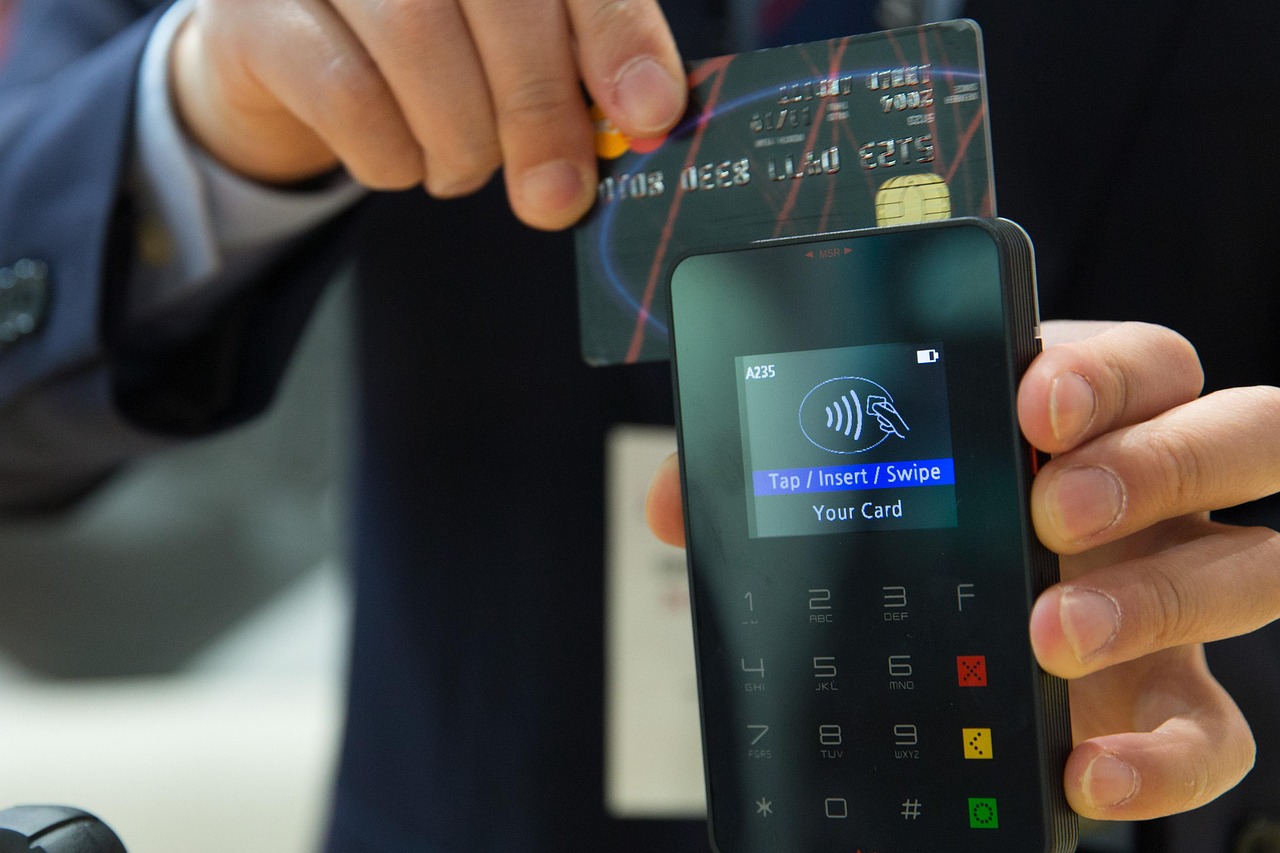
For UK market stall traders, accepting card payments is no longer optional — customers increasingly carry little or no cash, and a missed sale is a missed opportunity you cannot afford at a busy weekend market. The good news is that portable card readers have never been more capable or more affordable, with options to suit everyone from occasional craft fair sellers to high-volume farmers' market operators. This guide cuts through the noise to help you choose the right payment solution, understand what it truly costs, and decide whether a standalone reader or a full EPOS system from EPOS Direct UK is the smarter long-term investment.
Why Market Stall Traders Need a Reliable Card Machine
The shift away from cash in the UK has been well documented by the Bank of England and UK Finance, both of which publish annual payment trends data worth consulting for the latest figures. For market traders, the practical consequence is stark: a stall that only accepts cash risks turning away a significant proportion of potential customers, particularly younger shoppers and tourists.
Beyond simply accepting payments, a good card reader for a market stall must cope with an environment that indoor retailers rarely face:
- Unpredictable mobile signal and no fixed broadband
- Exposure to weather — rain, cold, and dust
- Fast-moving queues where speed of transaction matters enormously
- No mains power, meaning battery life is critical
- A need to keep kit compact and easy to pack away
A reader that works brilliantly in a bricks-and-mortar shop may fail completely on a market pitch. Choosing a solution built (or at minimum well-suited) for mobile trading is the foundation of everything that follows.
Key Features to Look For in a Portable Card Reader
Not all portable readers are created equal. Before committing to any solution, market traders should evaluate the following criteria carefully.
Connectivity Options
The best portable readers support both Wi-Fi and 4G/5G cellular connectivity, ideally with a built-in SIM card that automatically switches to the strongest available network. Some devices allow you to tether to your smartphone's mobile hotspot as a fallback. Offline mode — the ability to store and process transactions locally when signal drops, then sync when connectivity returns — is a feature worth seeking out specifically for outdoor trading environments.
Battery Life
A full trading day at a busy market might run eight to ten hours. Look for a device rated for at least a full day of continuous use, and check whether a charging case or spare battery is available. Some larger countertop-style portable terminals can be a poor fit here; compact handheld readers tend to fare better.
Accepted Payment Methods
Your card machine should accept contactless (including Apple Pay, Google Pay and Samsung Pay), chip-and-PIN, and magnetic stripe as a minimum. American Express acceptance is worth confirming if your customer base is likely to include business buyers or tourists.
Durability and Weather Resistance
Check the device's IP rating. An IP54 rating or above indicates meaningful resistance to dust and splashing water — useful for outdoor trading. A bare-minimum IP rating of IP42 is the lowest most traders should accept.
Receipt Options
Many modern readers send digital receipts via email or SMS, which removes the need for a thermal printer on the stall. This is a practical advantage for market traders who want to keep their setup lean, though some product categories (such as age-restricted goods or high-value artisan items) benefit from a paper receipt option.
Comparing Card Machine Approaches for Market Traders
There are broadly three tiers of solution available to UK market stall traders. The table below compares them honestly against the criteria that matter most in an outdoor trading context.
| Solution Tier | Best For | Typical Cost Model | Offline Mode | EPOS Integration | Battery Life |
|---|---|---|---|---|---|
| Pay-as-you-go reader (e.g. standalone compact reader) | Occasional traders, craft fairs, low-volume stalls | No monthly fee; higher per-transaction rate (typically 1.5%–2.5%) | Limited or none | None or basic app only | Good — typically 8–12 hours |
| Monthly subscription reader | Regular market traders with moderate to high turnover | Monthly fee (typically £15–£45/month) plus lower transaction rates (often below 1%) | Often available | Moderate — third-party integrations | Good — typically full trading day |
| Integrated EPOS with portable card terminal | Established traders, multi-pitch operations, those needing stock management | Monthly EPOS subscription from approx. £30–£80/month; integrated payment rates negotiated | Yes — robust offline sync | Full — inventory, reporting, CRM | Varies by hardware; charging accessories available |
If you trade regularly and your turnover justifies it, the integrated approach almost always delivers a better return. For more detail on combining card acceptance with a full till solution, the guide to card machine and till system combined is an excellent next step.
Understanding Transaction Fees and Contract Terms
Transaction fees are where many traders quietly lose money, particularly those who default to a pay-as-you-go reader without running the numbers. Here is an honest breakdown of what to expect in the UK market.
Pay-As-You-Go Models
These charge a flat percentage per transaction with no monthly commitment. Rates typically run between 1.5% and 2.5% depending on the provider and card type. This model suits traders who take fewer than a few thousand pounds per month through the machine, or those who only trade a handful of times per year. Beyond that threshold, you are almost certainly paying more than you need to.
Monthly Fee Models
A fixed monthly fee buys you a lower per-transaction rate, sometimes significantly so. At higher monthly turnovers, the maths strongly favours a subscription model. Most providers offer online calculators to help you work out the crossover point — use them before committing.
Contract Length and Exit Terms
Some merchant service providers require 12- to 24-month contracts with early termination fees. Others operate on a rolling monthly basis. For seasonal market traders, flexibility is worth a slightly higher rate. Always read the contract terms in full, and check the Financial Conduct Authority (FCA) register to confirm any payment service provider is properly authorised before signing.
For a comprehensive overview of options with no ongoing monthly commitment, the guide to card machines with no monthly fee covers the landscape in detail.
How to Take Payments Without Reliable Wi-Fi or Mobile Signal
The direct answer: choose a card reader with a genuine offline or "store and forward" mode, which queues transactions locally and processes them automatically once connectivity is restored. This is the single most important feature for outdoor market traders in areas with patchy signal.
Beyond device capability, consider these practical steps:
- Use a dedicated 4G mobile data SIM rather than relying solely on your personal phone's hotspot — it keeps your personal device free and provides a more stable connection.
- Check coverage before the market — Ofcom's Connected Nations data and network-specific coverage maps are freely available and will tell you which networks have the strongest signal at your usual trading locations.
- Set a sensible offline transaction limit — most providers allow you to configure the maximum value of a transaction you are willing to accept offline. Set this at a level that manages your chargeback risk.
- Have a contingency payment method — a QR code linking to a bank transfer or payment link costs nothing to print and can bridge the gap when all else fails.
For a thorough treatment of connectivity-independent payment solutions, our guide to the best wireless card machines for small businesses explores the options in depth.
What Does a Card Machine for a Market Stall Actually Cost?
These are honest indicative ranges based on typical UK market pricing at the time of writing. Always request a personalised quote before committing.
- Compact pay-as-you-go reader: hardware typically from around £20–£50 (sometimes free on certain plans); transaction rates typically 1.5%–2.5% per transaction; no monthly fee.
- Monthly subscription card terminal: monthly fees typically from £15 to £45 depending on the provider and included features; transaction rates often under 1% for card-present transactions.
- Integrated EPOS with card payments: software subscriptions typically from approximately £30–£80 per month; hardware bundles vary significantly by specification. A full setup including tablet, stand, and integrated card terminal might fall in the range of £300–£800 for hardware, with monthly software costs on top. For a full breakdown of integrated solutions, the guide to EPOS systems with integrated card payments goes into detail.
All figures above are indicative estimates for guidance only and will vary by provider, contract terms, and trading volume. Request a personalised quote for accurate pricing.
Pairing Your Card Machine with a Full Market Stall EPOS System
Standalone card readers solve the payment problem, but they do not help you track stock, understand your bestselling lines, manage customer records, or produce end-of-day reports. For traders who operate across multiple market pitches, sell online as well as in person, or manage a meaningful product range, a fully integrated EPOS solution transforms the business — not just the checkout.
A cloud-based EPOS system paired with a portable card terminal gives you:
- Real-time stock depletion across all selling channels
- Sales reporting by product, category, or time period
- Customer purchase history for loyalty or re-marketing
- Seamless end-of-day reconciliation with no manual data entry
Market traders who also run a bricks-and-mortar or online store will find particular value here — inventory stays consistent across every channel automatically. If your stall sells clothing or fashion accessories, the article on EPOS systems for clothing shops addresses the specific variant and size management features worth prioritising.
Curious about what a full system looks like in practice? You can explore a retail EPOS software demo online, or talk to an EPOS Direct expert who can walk you through the options relevant to your specific trading setup.
How to Get Started with a Card Machine from EPOS Direct
EPOS Direct works with market traders at every stage — from those taking their first card payment to established multi-pitch operators looking to consolidate their technology stack. The process is straightforward:
- Assess your trading pattern — how many days per month do you trade, what is your approximate monthly card turnover, and do you need stock management as well as payment acceptance?
- Choose your solution tier — a standalone portable terminal, or a full integrated EPOS setup. The guide to till systems for small businesses is a useful companion if you are weighing up the broader options.
- Request a personalised quote — EPOS Direct provides tailored pricing based on your actual requirements, not generic packages. View the current retail EPOS offers or request a free demo to see the system in action before making any commitment.
- Get set up quickly — most card terminals can be configured and ready to trade within a working day; full EPOS installations are typically completed within a short, agreed onboarding period.
The Verdict: Choosing the Right Solution for Your Stall
The right card machine for a UK market stall is the one that matches your trading frequency, your mobile signal reality, and your ambitions for the business. Occasional traders will find a quality pay-as-you-go compact reader sufficient; regular, high-volume stall holders will almost always benefit from a subscription model or a fully integrated EPOS setup that pays for itself through lower transaction rates and operational efficiency gains.
EPOS Direct UK has helped hundreds of independent traders and small business owners across the country find the right payment and EPOS solution — not the most expensive one, but the right one. To find out which approach suits your market stall best, request a call back from the EPOS Direct team today, or browse the full range of solutions and current offers at EPOS Direct UK.
Written by the EPOS Direct UK team, specialists in EPOS and POS systems for independent retailers, hospitality businesses, and market traders across the United Kingdom.
Frequently asked questions
- How much does a card machine cost for a market stall in the UK?
- Costs vary depending on the provider and contract type. Pay-as-you-go card readers from providers like SumUp or Square start from around £19–£49 upfront with transaction fees of 1.69%–2.5% per sale — ideal for occasional traders. Monthly contract devices can cost £15–£40 per month but offer lower transaction rates, better for high-volume stalls. EPOS Direct can advise on the most cost-effective option based on your average weekly takings.
- Can I take card payments at a market stall without Wi-Fi?
- Yes. Most modern portable card machines use 4G SIM connectivity rather than Wi-Fi, meaning they work anywhere with a mobile signal. Some devices also offer offline mode, storing transactions locally and processing them once a connection is restored. If you trade in rural areas or covered markets with poor signal, it is worth checking 4G coverage for your specific network before committing to a device.
- Is it worth getting a full EPOS system rather than just a card reader for my stall?
- For traders who run multiple product lines, want to track stock, or sell across several markets, a lightweight EPOS system offers real advantages over a standalone card reader. A tablet-based EPOS setup from EPOS Direct can handle card payments, print receipts, manage inventory, and generate sales reports — all from a portable device. Many market traders start with a basic card reader and upgrade once their sales volumes grow.
