We use cookies to make your experience better.
To comply with the new e-Privacy directive, you agree to the privacy policy and our use of cookies


Best Card Payment Machine for Small Business UK (2026 Guide)
Best Card Payment Machine for Small Business UK: The 2026 Complete Guide
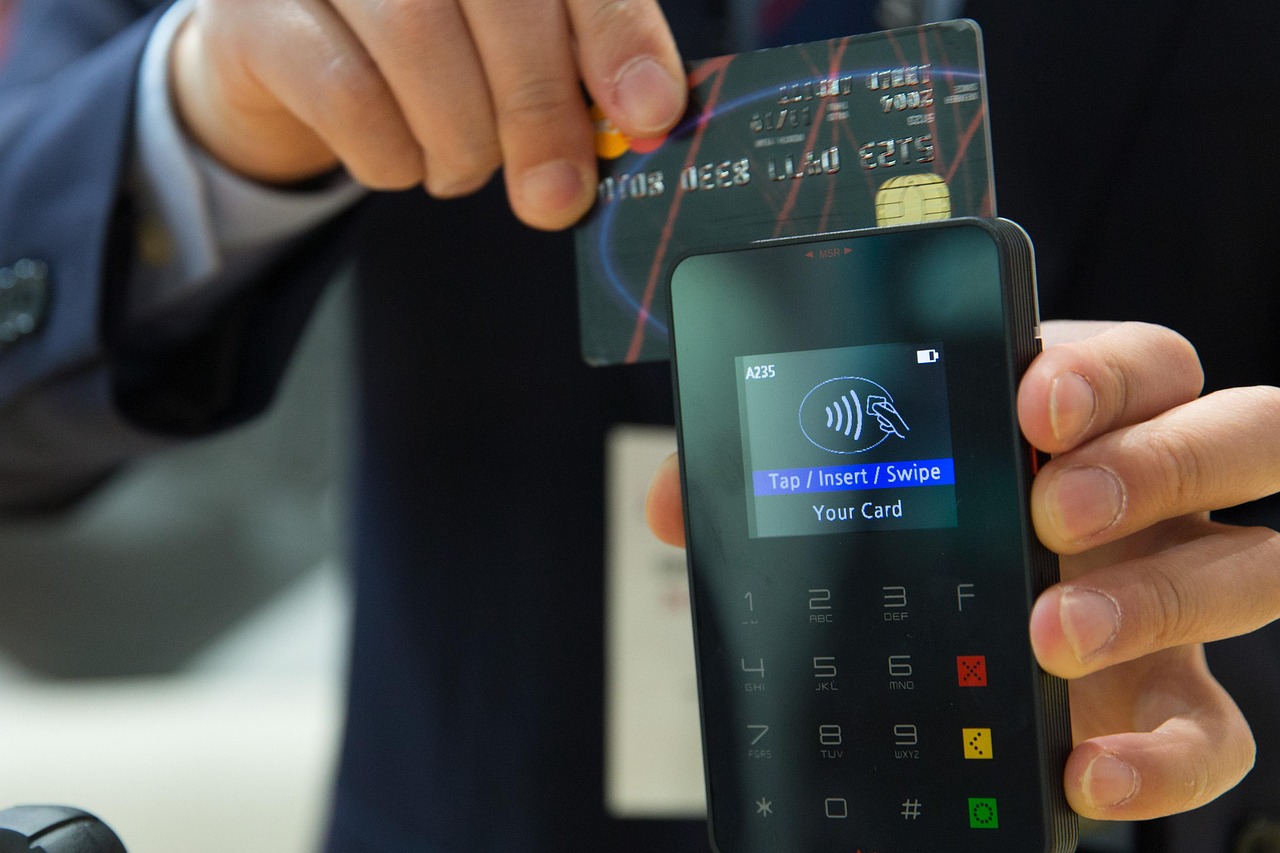
Choosing the right card payment machine is one of the most consequential decisions a small business owner makes — it affects every transaction, every customer interaction, and ultimately your bottom time. The good news: the UK market has never offered more capable, flexible solutions, from compact countertop terminals to fully integrated EPOS-linked payment systems. This guide cuts through the noise to give you a clear, practical framework for finding the payment solution that genuinely fits your business, your industry, and your budget.
Written by the EPOS Direct UK team, who work with independent retailers, hospitality operators and service businesses across the United Kingdom every day.
What Really Matters When Choosing a Card Payment Machine
Before you compare products, get clear on what your business actually needs. The right terminal for a mobile hairdresser is very different from the right solution for a busy café or a multi-location clothing boutique. Work through these four dimensions first:
- Connectivity: Do you need a fixed countertop terminal, a portable device that roams within your premises, or a fully mobile machine that works anywhere on a SIM card? Footfall patterns and floor layout determine this more than most buyers realise.
- Transaction volume: High-volume environments need fast card-read speeds, robust hardware and, crucially, competitive per-transaction rates — even a small percentage difference compounds significantly over hundreds of daily sales.
- Integration needs: A standalone terminal can work perfectly well for some businesses, but many small businesses in 2026 save hours of reconciliation time by choosing a machine that communicates directly with their EPOS or till system. Explore our guide to EPOS systems with integrated card payments if seamless data flow matters to you.
- Contract terms: Some providers offer pay-as-you-go flexibility; others bundle a terminal into a longer-term merchant services agreement. Neither is universally better — it depends on how established your business is and how predictable your cash flow is.
Types of Card Payment Machine Available in the UK
Understanding the hardware categories saves you from buying the wrong form factor entirely.
Countertop Terminals
Fixed, mains-powered terminals suit businesses with a defined service point — a checkout desk, reception counter or bar. They tend to offer the most reliable connectivity (Ethernet or fixed broadband) and are the most cost-effective hardware option. For small retailers and professional service providers, a countertop terminal paired with a proper till system is often the most practical combination. See our overview of card machines combined with till systems for a deeper look at how these two components work together.
Portable (Wi-Fi) Terminals
Portable terminals connect via Wi-Fi and typically have a range of around 50–100 metres from the router. Ideal for table-service restaurants, salons or market stalls with consistent Wi-Fi coverage. Battery-powered, they allow staff to take payment at the table or chair rather than forcing customers to a fixed point — a detail that meaningfully improves customer experience.
Mobile (GPRS/4G) Terminals
Mobile terminals use a built-in SIM card to connect independently of any local network. They are the right choice for market traders, tradespeople, mobile beauty therapists and anyone who operates across multiple locations or outdoors. Our dedicated guide to wireless card machines for small businesses covers the leading options in this category in detail.
Integrated EPOS Payment Terminals
These terminals communicate directly with your EPOS software, eliminating manual re-keying of transaction amounts, reducing human error and producing consolidated sales reports across card and cash. For any business processing more than a handful of transactions per day, this level of integration pays for itself quickly in saved time and reconciliation accuracy.
Comparing the Main Approaches: A Practical Framework
Rather than rehearsing marketing copy for individual brands (which changes faster than any guide can track), this table compares the four main solution approaches against the criteria that actually matter to a small business buyer.
| Solution Type | Best For | Typical Monthly Cost* | Transaction Fees* | EPOS Integration | Contract |
|---|---|---|---|---|---|
| Pay-as-you-go SIM-free reader | Very low volume, sole traders, pop-ups | Typically £0–£5 | Typically 1.5%–2.5% per transaction | Limited or none | No contract |
| Managed countertop terminal (merchant services) | Established retailers & service businesses | Typically £15–£30 | Typically 0.3%–1.5% (volume-dependent) | Via integration API | 12–36 months typical |
| Portable Wi-Fi terminal | Restaurants, salons, table service | Typically £15–£35 | Typically 0.3%–1.5% | Good — EPOS-linked options available | 12–36 months typical |
| Fully integrated EPOS + payment | Multi-product retailers, busy hospitality | Typically £40–£90 (all-in) | Negotiated as part of package | Native — single system | Usually 12–36 months |
*Indicative ranges based on typical UK market conditions at time of publication. Actual costs vary by provider, transaction volume and negotiated terms. Always obtain a personalised quote.
Understanding Transaction Fees, Contracts and Hidden Costs
This is where small businesses most commonly get caught out. The headline transaction rate is only part of the picture.
What to look for beyond the headline rate
- Interchange fees: Card schemes (Visa, Mastercard) set baseline interchange rates that all acquirers must pay. Some merchant services providers pass these through transparently ("interchange-plus" pricing); others blend them into a flat rate. Interchange-plus is often better value for businesses with higher volumes — ask any prospective provider which model they use.
- Minimum monthly service charges: Many traditional merchant services agreements include a minimum monthly charge, typically £15–£25, regardless of how much you process. If you have slow months (seasonal businesses, hospitality in January), this matters.
- PCI DSS compliance fees: Payment Card Industry Data Security Standard (PCI DSS) compliance is a requirement, not optional. Some providers charge a separate annual or monthly compliance fee; others include it. Verify with any provider how they handle this — the official PCI Security Standards Council website (pcisecuritystandards.org) is the authoritative reference.
- Terminal rental vs. purchase: Renting a terminal locks you into the provider; purchasing outright gives you flexibility. Weigh the upfront cost against the long-term commitment.
- Chargeback and refund fees: These vary widely and are rarely mentioned in sales conversations. Ask for the full fee schedule in writing before signing anything.
If avoiding monthly fees altogether is a priority for your stage of business, our guide to card machines with no monthly fee outlines which approaches work best for lower-volume operators.
How a Card Payment Machine Integrates with Your EPOS System
Standalone card machines and EPOS systems can coexist perfectly well — but they create a manual reconciliation burden. Each day, your cashier must cross-reference card terminal totals against EPOS sales reports. At low volumes this is manageable; at scale it is genuinely costly in staff time and error risk.
When a card terminal integrates natively with your EPOS software, the transaction amount is sent directly from the till to the terminal (eliminating keying errors), and the payment confirmation is sent back to the EPOS to close the order automatically. The result is a single, unified sales report that covers cash, card and digital wallet payments without any manual intervention.
For small businesses thinking about this more holistically, our complete EPOS guide for small businesses explains how the wider system — stock management, reporting, loyalty and payments — fits together. You can also explore our EPOS software to see exactly how our platform manages the payment layer alongside the rest of your business operations.
Card Payment Solutions by Industry
Retail
Retailers need speed at the point of sale, accurate stock deduction on every card transaction, and reliable end-of-day reconciliation. A countertop or portable terminal integrated with a retail EPOS system handles all three. Clothing retailers in particular benefit from EPOS-linked payments because size, colour and variant tracking happens automatically alongside every transaction — our guide on EPOS systems for clothing shops covers this in detail. View our retail EPOS offers to see what a complete, integrated solution looks like.
Hospitality and Restaurants
Table-service environments demand portable terminals that staff can carry to any table, fast enough transaction processing to keep service flowing during peak periods, and integration with kitchen display or order management systems. The ability to split bills and process card payments tableside is now an expectation, not a premium feature. See our hospitality and restaurant EPOS offers for solutions built specifically around these demands, or book a restaurant EPOS software demo to see the payment workflow in action.
Professional Services and Mobile Businesses
Tradespeople, therapists, consultants and anyone who invoices or visits clients on-site need a compact, SIM-connected terminal that works reliably away from a fixed premises. Pay-as-you-go readers with no monthly commitment suit very early-stage or seasonal businesses in this category; growing service businesses with predictable monthly volumes often find that a managed mobile terminal with lower per-transaction rates quickly becomes the more economical choice.
Pharmacies and Healthcare Retail
Regulated environments require payment systems that handle split transactions (NHS prescription charges alongside retail purchases), maintain clear audit trails, and integrate with specialist stock and dispensing software. A pharmacy EPOS software demo illustrates how integrated payment handling works within a compliant, healthcare-specific EPOS environment.
How to Decide — and Get Set Up Quickly
Once you have mapped your connectivity needs, transaction volume and integration requirements, the decision usually narrows to two or three viable options. Here is a practical step-by-step to reach the right one:
- Calculate your monthly card volume: Multiply your average transaction value by the number of card transactions per month. This single figure determines whether a flat-rate or interchange-plus pricing model serves you better.
- Decide on integration first: If you are also choosing or upgrading your till system, select your EPOS platform before finalising your card machine — the payment terminal must be compatible. Our guide to the best till systems for small businesses is a useful companion read here.
- Request itemised quotes: Ask every prospective provider for a full fee schedule, not just a headline rate. Compare the total monthly cost (terminal rental or amortised purchase + monthly fee + estimated transaction fees) against your calculated volume.
- Check contract exit terms: Before signing, understand the early termination clause. Some contracts include a buyout of remaining months' charges — a clause that matters if your business grows and you want to renegotiate your rate sooner.
- Test before committing: Reputable providers will demonstrate the system before you sign. Use that demonstration to test the real-world workflow — how quickly does a transaction complete, how clear are the receipts, and how intuitive is the reconciliation report?
If you would like a tailored recommendation rather than working through the decision alone, you are welcome to talk to an expert from the EPOS Direct UK team online — no pressure, just clear, experience-based guidance for your specific situation.
Quick Answer: What Is the Best Card Payment Machine for a Small UK Business?
There is no single universally best card payment machine — the right choice depends on your business type, transaction volume and whether you need standalone functionality or EPOS integration. For most established small businesses in the UK, a managed terminal integrated with a quality EPOS system delivers the best combination of competitive transaction rates, accurate reporting and operational efficiency. Sole traders and very early-stage businesses often start with a no-contract, pay-as-you-go reader and upgrade once their volume justifies it.
Next Steps with EPOS Direct UK
The payment machine is the front door to your sales data — choosing well means every transaction feeds accurately into your stock levels, your end-of-day reports and your business intelligence. EPOS Direct UK specialises in complete, integrated payment and EPOS solutions built specifically for UK independent businesses. Visit the EPOS Direct UK home page for current offers and more information, or take the next step and request a free demo to see how a fully integrated payment and EPOS system could work for your business. Our team is also available to arrange a call back at a time that suits you.
Frequently asked questions
- What is the best card payment machine for a small business in the UK?
- The best card payment machine depends on your business type, transaction volume and whether you need it to integrate with a till or EPOS system. For small businesses wanting a fully integrated solution, a payment terminal paired with an EPOS system from a provider like EPOS Direct UK offers better reporting, stock management and customer tracking than a standalone card reader.
- How much does a card payment machine cost for a small business in the UK?
- Costs vary widely. Standalone card readers can start from free hardware with transaction fees of 1.5–2.5% per sale. Integrated EPOS payment terminals typically involve a monthly rental or one-off hardware cost alongside negotiated merchant service rates, which can work out cheaper for businesses processing higher volumes. Always check for hidden fees such as PCI compliance charges or monthly minimums.
- Do I need a card payment machine that integrates with my EPOS system?
- If you run a retail or hospitality business, integrated card payments are strongly recommended. Integration eliminates manual keying errors, speeds up checkout, automatically reconciles sales data and provides unified end-of-day reporting. EPOS Direct UK offers payment hardware that connects seamlessly with its EPOS software for exactly this purpose.
