We use cookies to make your experience better.
To comply with the new e-Privacy directive, you agree to the privacy policy and our use of cookies


Best Till System for a Pub in 2026: Top EPOS Solutions Reviewed
Best Till System for a Pub in 2026: The UK Buyer's Guide

Choosing the right electronic point-of-sale system for a pub is one of the most consequential decisions a licensee can make. The right setup accelerates service during a Friday rush, keeps tabs accurate across three bar stations, and gives you the stock and margin data you need to run a profitable operation. This guide cuts through the noise to help UK pub owners and managers select a system that genuinely fits how their venue works — from a cosy country local to a high-volume city bar.
What Makes a Great EPOS System for a Pub?
Pubs have requirements that are categorically different from retail shops or even restaurants. Your bar staff need to open tabs, move rounds between terminals, split bills across large groups, and manage age-verification prompts — all while keeping queues short. A system designed primarily for retail will create friction at precisely the moments you can least afford it.
The non-negotiables for any pub POS setup are:
- Speed at the point of sale — button layouts optimised for drinks menus, with quick-select modifiers for pints, halves, and mixer options
- Tab management — the ability to open, hold, transfer, and settle tabs reliably across multiple terminals
- Real-time stock control — particularly for draught lines, spirits by measure, and cellar stock
- Integrated card payments — a seamless link between the till and card machine eliminates keying errors and speeds up service
- Age-verification prompts — Challenge 25 prompts built into the workflow, not bolted on as an afterthought
- Multi-station capability — pubs with garden, restaurant, and bar areas need a system that syncs across terminals without lag
If integrated card payments are a priority — and they should be — our guide to the best EPOS systems with integrated card payments in the UK explains what to look for when evaluating that pairing.
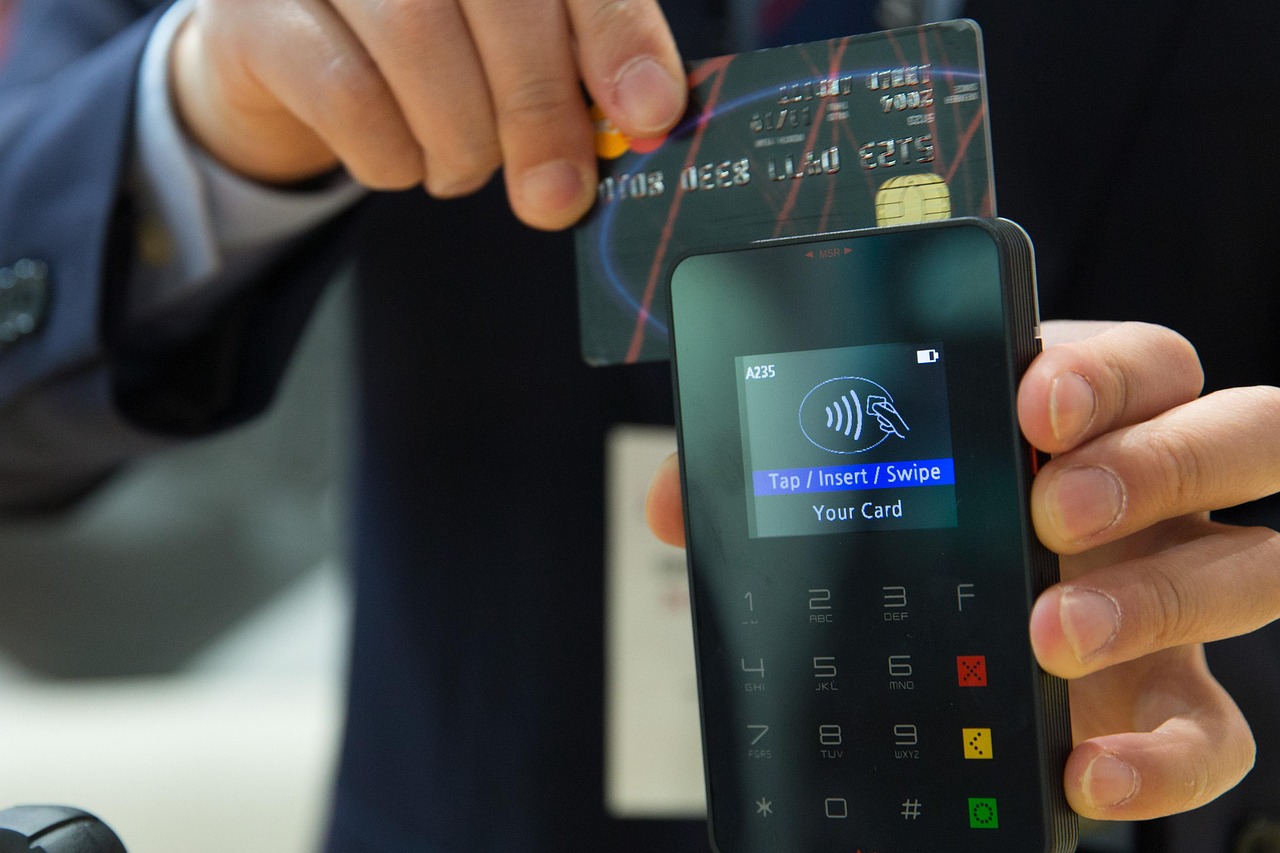
Top 5 Till System Tiers for UK Pubs (2026 Reviewed)
Rather than ranking specific models in isolation, the most honest way to guide a pub buyer is to describe the five tiers of solution that exist in the UK market — and who each suits. The right tier depends on your turnover, the complexity of your operation, and your appetite for ongoing subscription costs.
| Tier | Best For | Key Strengths | Watch Out For | Indicative Monthly Cost |
|---|---|---|---|---|
| 1. Tablet-based cloud EPOS | Small locals, pop-up bars, beer gardens | Low upfront cost, easy to set up, accessible reporting via app | Limited offline resilience; can struggle with high transaction volume | Typically from £30–£80/mo |
| 2. Dedicated hospitality EPOS terminal | Medium-volume pubs, gastro pubs | Robust hardware, hospitality-specific software, faster processing | Higher upfront or lease cost; needs configuration by a specialist | Typically from £60–£150/mo (inc. hardware lease) |
| 3. Multi-terminal bar system | Busy high-street pubs, live music venues | Tab sync across bars, kitchen display, staff management tools | Requires reliable networking; installation is not DIY | Typically from £120–£300/mo for multi-terminal |
| 4. Integrated F&B + accommodation | Pub-hotels, inns with rooms, function venues | Links bar spend to room accounts; single reporting dashboard | Complex setup; may need property management system (PMS) integration | Typically from £200/mo upwards |
| 5. Enterprise on-premises system | Pub chains, managed estates | Centralised control, bespoke reporting, offline-first resilience | Significant capital investment; requires dedicated IT support | Priced per site on application |
Most independent UK pubs fall into Tier 2 or 3. A dedicated hospitality EPOS terminal from a specialist like EPOS Direct gives you the robustness of purpose-built hardware with the flexibility of cloud reporting — without paying for enterprise complexity you will never use.
Cloud-Based vs Traditional EPOS: Which Suits a Pub Better?
This is one of the most common questions pub owners ask before investing, and the answer depends on your venue's connectivity and operational priorities.
Cloud-Based Systems
Cloud EPOS sends transaction data to remote servers in real time. This means you can check yesterday's sales from your phone at home, push a price change to all terminals simultaneously, and access reports without being on site. The trade-off is dependency on a stable broadband connection. Most modern cloud systems include an offline mode that queues transactions locally and syncs when connectivity is restored — but verify this before signing any contract.
Traditional (On-Premises) Systems
A locally hosted system stores all data on a server within the pub. It is inherently resilient to internet outages and typically processes transactions faster. The downside is that remote reporting is limited or absent, software updates require manual intervention, and you carry the maintenance burden of the local server hardware.
The Hybrid Sweet Spot
The majority of modern dedicated pub EPOS platforms now operate as a hybrid: a local database ensures speed and offline resilience, while a cloud layer handles reporting, remote management, and software updates. For most UK pubs, this is the sensible default. You can explore the restaurant and hospitality EPOS software demo from EPOS Direct to see this approach in action.
Key Features Every Pub POS System Should Have
Tab Management and Running Accounts
Tab management is the heartbeat of bar service. Your system should allow staff to open a named or card-linked tab in seconds, add rounds to it throughout the evening, transfer it between terminals if a guest moves to a different bar, and close it out quickly at the end of the night. Systems that handle tabs clumsily create queues and errors — both of which cost you money.
Split Bills and Group Payments
A large round of drinks at the end of a corporate event or birthday party will inevitably produce a request to split the bill. Your EPOS should handle even-split and line-item-split scenarios, accepting part-cash and part-card combinations without requiring staff to perform manual calculations under pressure.
Stock and Cellar Management
Every pour from a spirit optic or barrel should decrement your stock automatically. A good pub EPOS will alert you when a SKU falls below a reorder threshold, generate purchase orders for your suppliers, and produce variance reports that help you identify waste, theft, or measurement inconsistencies. Gross profit per line item — not just total revenue — is the metric that matters most.
Age-Verification Prompts (Challenge 25)
Selling alcohol to someone under 18 carries serious legal consequences, including licence suspension. Your POS should prompt staff to verify age on any transaction that could involve an underage customer, with a log of the verification decision. This is both a legal safeguard and an evidence trail should you ever face a test purchase inspection from your licensing authority.
Kitchen Display System (KDS) Integration
If your pub serves food — even a simple bar snack menu — a kitchen display screen eliminates paper tickets, reduces errors, and speeds up the pass. Look for a system where bar orders and food orders route to the correct preparation area without any manual intervention from staff.
Loyalty and Pre-Order Capabilities
Increasingly, UK pubs are implementing digital ordering at table via QR codes, as well as loyalty schemes that reward regular custom. Confirm whether your chosen platform supports these natively or through integrations, and what the additional cost looks like.
How Much Does a Pub Till System Cost in the UK?
Cost is almost always the first practical question, and honest guidance here is more useful than a vague answer. The figures below are indicative market ranges for the UK, not quotes from any specific provider. Your actual investment will depend on the number of terminals, hardware specification, software tier, payment processing rates, and any installation or training fees.
- Entry-level tablet system (single terminal, software subscription): typically from £30–£80 per month, plus the cost of a compatible tablet and stand (often £200–£500 as a one-off purchase)
- Dedicated hospitality EPOS terminal (hardware + software, single station): typically from £60–£150 per month on a managed service or lease agreement, or a larger one-off purchase in the £800–£1,500 range
- Multi-terminal pub system (2–4 bars, cloud reporting, integrated payments): most setups fall between £150 and £350 per month inclusive of software and managed hardware
- Installation, cabling, and configuration: budget an additional £200–£600 for a professional installation, depending on site complexity
- Card processing fees: typically 0.3%–1.75% per transaction depending on card type and your agreement — these are separate from your EPOS subscription
It is worth exploring whether a combined card machine and till system makes financial sense for your pub, as bundled agreements can simplify billing and sometimes reduce the overall cost of ownership. Our guide to till systems for small businesses in the UK also covers entry-level cost considerations useful for smaller or single-bar pubs.
Owners conscious of ongoing charges may also want to read our guidance on card machines with no monthly fee to understand how payment hardware costs factor into the overall picture.
Matching Your System to Your Pub's Size and Needs
There is no universally "best" pub EPOS system — there is only the right system for your specific operation. Use these criteria to frame your decision:
- Number of service points: A single-bar village pub needs one or two terminals. A split-level venue with indoor bar, beer garden, and restaurant area needs a networked multi-terminal setup with centralised reporting.
- Food and drink ratio: A wet-led pub (predominantly drinks) needs lightning-fast transaction processing. A gastro pub with a full kitchen needs KDS integration, table management, and cover tracking.
- Staff size and turnover: Systems with intuitive staff onboarding, PIN login per employee, and role-based access controls are essential when you rely on seasonal or part-time staff who rotate frequently.
- Reporting depth: Are you managing gross profit by product line, comparing performance week-on-week, or identifying your highest-margin sessions? The reporting capability of your chosen system should match your management ambition.
- Growth trajectory: If you plan to add a second site, extend your food offering, or launch a loyalty programme within the next two years, choose a platform that scales without requiring a full system replacement.
For broader context on selecting a system appropriate to a small or growing business, our complete guide to EPOS systems for small businesses offers a useful framework that applies across hospitality settings.
Why EPOS Direct UK Is Trusted by UK Pubs and Hospitality Venues
EPOS Direct has been supplying and supporting EPOS and POS systems to UK businesses for many years, with hospitality — including pubs, bars, restaurants, and hotels — forming a core part of the client base. The team works directly with licensees to configure systems that reflect how each pub actually operates, rather than applying a generic retail template to a bar environment.
Key reasons UK pub operators choose EPOS Direct include:
- Hospitality-specific hardware: Spill-resistant terminals, customer-facing displays, and integrated card readers built for a bar environment
- UK-based support: Access to a support team that understands UK licensing requirements, VAT obligations, and the operational reality of running a pub
- Transparent pricing: No hidden charges buried in long contracts; indicative costs are discussed openly before any agreement is signed
- End-to-end service: From system design and installation through to staff training and ongoing support, EPOS Direct manages the full lifecycle
- Software built for hospitality: The EPOS Direct platform includes tab management, stock control, and reporting tools configured specifically for F&B operations
You can browse current hospitality EPOS packages and pricing via the hospitality and restaurant EPOS offers page, or get a hands-on look at the software before committing by booking a free restaurant EPOS software demo. For a comprehensive overview of everything EPOS Direct offers UK businesses across sectors, visit the complete guide to EPOS Direct and its POS systems.
Written by the EPOS Direct UK team, who work with pub owners, bar managers, and hospitality operators across the United Kingdom every day to design and support EPOS systems that fit the realities of licensed trade.
Ready to Find the Right System for Your Pub?
The difference between a system that slows your bar down and one that genuinely accelerates it comes down to specification, configuration, and support. EPOS Direct UK's hospitality team can help you map the right solution to your venue — whether you are opening a new pub, replacing an ageing system, or scaling across multiple sites.
Visit the EPOS Direct UK home page to explore the full range of offers and information, request a free demo tailored to a pub or bar environment, or talk to an expert online who can answer your specific questions without any obligation. The right system is a long-term asset for your pub — it deserves a proper conversation.
Frequently asked questions
- What is the best till system for a small pub in the UK?
- For a small pub, a cloud-based EPOS system with tab management, card payment integration and simple stock control is ideal. EPOS Direct UK offers compact, affordable pub till solutions that are easy to set up and scale as your business grows.
- How much does a pub till system cost in the UK?
- Pub till system costs in the UK typically range from around £300 for basic setups to over £1,500 for full EPOS bundles with hardware, software and payment terminals. EPOS Direct UK offers flexible pricing and finance options to suit all pub sizes and budgets.
- Can a pub till system handle bar tabs and split bills?
- Yes. A good pub EPOS system should include bar tab management, split billing, round tracking and quick-serve functionality. These features speed up service and reduce errors during busy periods. EPOS Direct UK's hospitality systems are built with exactly these workflows in mind.
