We use cookies to make your experience better.
To comply with the new e-Privacy directive, you agree to the privacy policy and our use of cookies

How to Choose and Buy a Card Payment Terminal for Your Business
How to Choose and Buy a Card Payment Terminal for Your Business
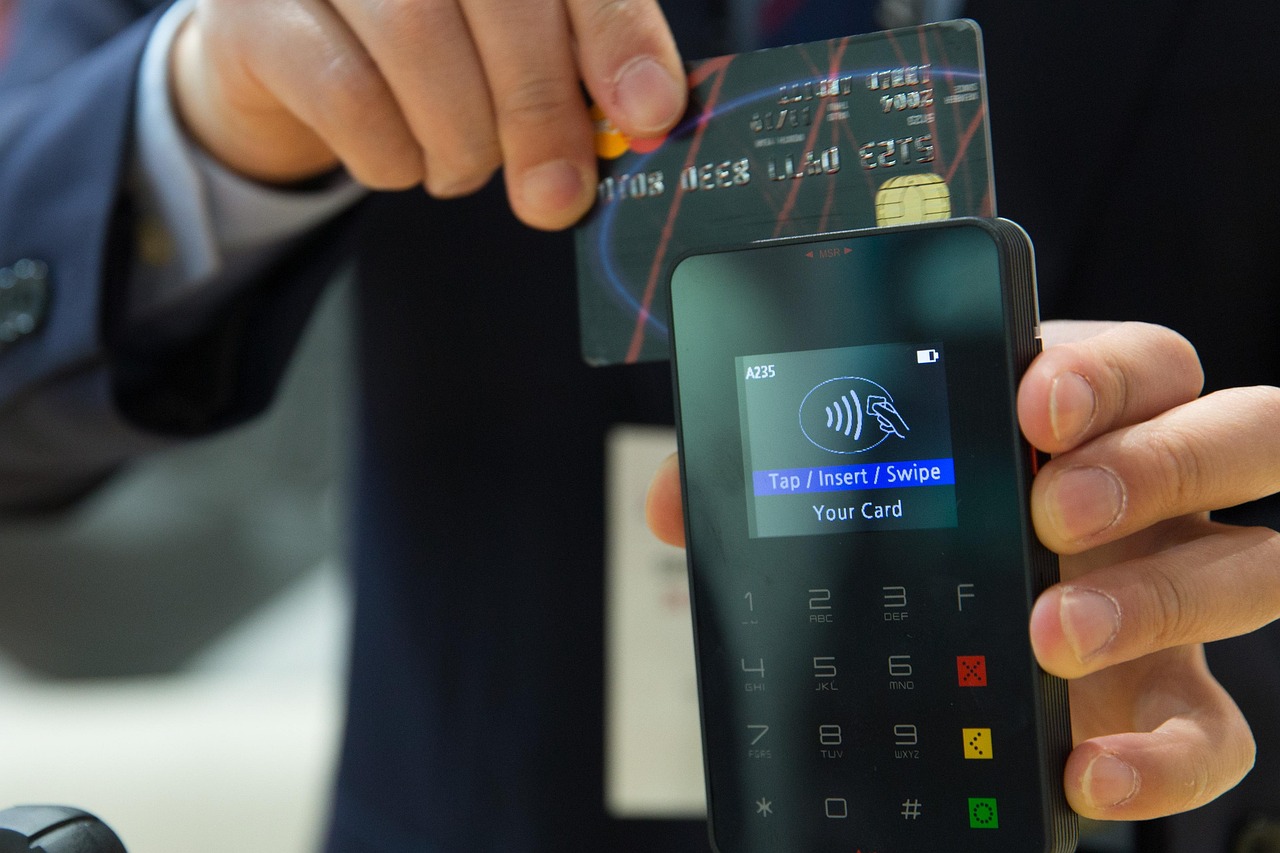
Accepting card payments is no longer optional for UK businesses — it is a baseline expectation from customers who increasingly carry little or no cash. The right payment terminal does more than process transactions; it shapes checkout speed, customer confidence, and the accuracy of your financial records. This guide walks you through everything you need to evaluate, from terminal types and key features to realistic costs and how a card payment solution fits within a broader EPOS setup.
What Is a Card Payment Terminal and Why Does Your Business Need One?
A card payment terminal is a hardware device that reads payment cards — via chip and PIN, contactless, or magnetic stripe — and communicates with your payment processor to authorise and settle transactions in real time. Modern terminals also accept digital wallets such as Apple Pay and Google Pay, which now account for a significant and growing share of UK retail transactions.
Beyond simple acceptance, a quality terminal reduces human error at the point of sale, produces an instant digital audit trail, and can integrate directly with your stock and sales reporting. For hospitality businesses in particular, speed at the point of payment directly affects table turns and revenue per cover. Quite simply, a reliable, capable terminal is infrastructure — not an accessory.
Types of Card Payment Terminal: Countertop, Portable and Mobile Explained
Understanding the three main form factors helps you match hardware to how your business actually operates.
Countertop Terminals
Fixed units that sit on a counter and connect via Ethernet or broadband. They are best suited to high-volume, fixed-location checkouts — supermarkets, pharmacies, busy service counters — where speed and reliability are paramount. They typically offer the lowest cost per unit and the most stable connection.
Portable (Bluetooth/Wi-Fi) Terminals
Cordless handhelds that operate over your premises Wi-Fi or Bluetooth base station. Ideal for table-service restaurants, bars and retail environments where staff bring the terminal to the customer. Range is typically within the footprint of your premises. If your business takes payment tableside or across a shop floor, a portable terminal removes friction and reduces card-skimming risk because the card never leaves the customer's hand.
Mobile (SIM/4G) Terminals
SIM-enabled devices that work anywhere with a mobile signal — markets, festivals, trade shows, delivery vehicles, or any pop-up context. Some devices double as a full Android-based EPOS terminal with a touchscreen and receipt printer. For a practical breakdown of the top options, see our guide to the best wireless card machines for small businesses in the UK.
| Terminal Type | Best For | Connectivity | Typical Indicative Cost (Hardware) | Key Limitation |
|---|---|---|---|---|
| Countertop | Fixed checkout lanes, pharmacies, high-volume retail | Ethernet / broadband | Typically from £80–£200 outright or included in a bundle | No mobility; customers must come to the counter |
| Portable (Wi-Fi/BT) | Table-service restaurants, shop-floor retail | Wi-Fi / Bluetooth base | Typically from £100–£250 outright or bundled | Limited to premises coverage area |
| Mobile (4G/SIM) | Markets, events, mobile traders, delivery | 4G / LTE mobile data | Typically from £50–£200 outright; SIM plan extra | Dependent on mobile signal strength |
| Integrated EPOS Terminal | Retailers and hospitality needing unified sales data | Ethernet, Wi-Fi or 4G | Typically bundled within an EPOS system from £30–£80/month | Higher upfront investment; requires EPOS software |
Key Features to Look for When Choosing a Payment Terminal
Not all terminals are equal. Before committing, evaluate each option against the following criteria:
- Card scheme acceptance: Confirm the terminal accepts Visa, Mastercard, American Express and UnionPay if relevant to your customer base.
- Contactless and digital wallet support: NFC capability for contactless cards, Apple Pay and Google Pay is now essential, not optional.
- Transaction speed: Chip and PIN authorisation should complete in a few seconds. Slow terminals create queues that cost you customers.
- PCI DSS compliance: Your terminal and payment provider must meet Payment Card Industry Data Security Standards. Never use unapproved or second-hand hardware of unknown provenance. Verify compliance via the PCI Security Standards Council.
- Offline mode: Some terminals can store transactions temporarily if connectivity drops. Confirm whether this is supported and what the risk window is.
- Receipt options: Printed, emailed or SMS receipts — consider whether a paper receipt roll is practical for your environment or whether digital suits you better.
- EPOS integration: A terminal that talks directly to your till system eliminates double-keying errors and produces richer sales reports. This is explored in depth below.
- Battery life (portable/mobile): For wireless terminals, look for at least a full trading day — typically eight or more hours — on a single charge.
How Much Does a Card Payment Terminal Cost in the UK?
Cost is almost always the first question buyers ask, and it is worth understanding the full picture rather than focusing on the sticker price of the hardware alone.
Hardware Costs
A standalone countertop or portable terminal can be purchased outright for approximately £80–£250, depending on the specification. Mobile 4G terminals often sit in a similar range. However, many merchants receive subsidised or free hardware as part of a merchant services contract — in which case the true cost is baked into transaction fees or a monthly rental charge, typically from around £15–£30 per month for a basic device.
Transaction Fees
This is where the real cost lies. UK merchant service rates vary depending on your turnover, card type, and the provider you choose. Consumer debit cards typically attract the lowest rates; commercial and premium credit cards attract higher interchange fees. Most small businesses on a flat-rate model pay somewhere between 1% and 2.5% per transaction, though negotiated rates for higher-volume merchants can be considerably lower. Always request a full schedule of fees, including authorisation fees, refund fees, and monthly minimums, before signing any agreement.
Integrated EPOS Bundles
When you choose an integrated EPOS system with payment built in, the economics change. You gain unified reporting, stock management, and loyalty features alongside the payment function. Monthly subscription bundles that include hardware, software, and integrated payments typically fall between £30 and £100 per month for a single-terminal setup, depending on feature level. To understand the purchase versus subscription decision in more detail, our article on monthly EPOS subscription versus outright purchase provides a thorough comparison.
Standalone Terminal vs Integrated EPOS System: Which Is Right for You?
This is one of the most consequential decisions a growing business faces. A standalone terminal is quick to deploy and carries low upfront cost, but it operates in isolation — you manually reconcile it against your till, and your sales data lives in two separate places. An integrated EPOS system connects the payment terminal directly to your point-of-sale software, so every transaction automatically updates stock levels, sales reports, and end-of-day summaries.
For very small or early-stage businesses — a market stall, a sole trader, a pop-up — a standalone terminal may genuinely be all you need. But as soon as you are managing multiple product lines, staff, or multiple sites, the reporting and operational advantages of integration outweigh the modest additional cost.
Our comprehensive guide to EPOS systems with integrated card payments in the UK covers the leading solutions in detail. If you are currently operating a legacy cash register and considering the move, our practical walkthrough on upgrading from a cash register to a modern EPOS system is an excellent starting point. You can also explore the full range of systems and offers available from EPOS Direct UK on our home page.
For sector-specific guidance, the best till systems for small businesses in the UK and our dedicated guide on the best till systems for small shops provide focused recommendations by business type.
How to Set Up and Start Accepting Card Payments Quickly
The process of going live with card payments is more straightforward than many business owners expect. Here is a typical path to your first transaction:
- Choose your payment provider: Compare merchant service providers on total cost of ownership — transaction rates, monthly fees, settlement speed, and customer support quality. Your EPOS supplier may offer an integrated payment partner, which simplifies this step considerably.
- Select your terminal type: Based on the form factor analysis above, identify whether a countertop, portable or mobile device — or a combination — suits your trading environment.
- Complete merchant onboarding: Payment providers are required to conduct identity and anti-money-laundering checks before activating your account. Have your Companies House number (or sole trader details), bank account information, and proof of address ready. Approval can take from a few hours to several business days.
- Connect and configure: Plug in or pair your terminal, connect it to your network, and load your payment provider's credentials. If using an integrated EPOS, your supplier will typically assist with this configuration.
- Train your team: Run test transactions to familiarise staff with the flow — especially for refunds, voids, and split payments, which are the most common points of confusion.
- Go live: Your terminal is ready. Most modern providers settle funds into your bank account within one to two business days.
If you would like a guided walkthrough tailored to your business type, you can talk to an expert online or request a call back from the EPOS Direct UK team.
Why UK Retailers and Hospitality Businesses Choose EPOS Direct
EPOS Direct UK has been helping independent retailers, restaurants, off licences, pharmacies, and hospitality businesses build reliable point-of-sale environments across the UK. Our systems are designed from the ground up around the operational realities of British trading — from VAT-inclusive pricing and Making Tax Digital compliance to the specific stock management needs of licensed premises.
Rather than selling a generic box, EPOS Direct provides a complete solution: hardware selected for your environment, EPOS software configured for your sector, and payment integration that produces clean, unified reporting from day one. Whether you run a single shop or a multi-site hospitality group, the system scales with you.
- Retail businesses can explore our retail EPOS offers or request a retail EPOS software demo.
- Restaurants and hospitality operators can view our hospitality and restaurant EPOS offers or book a restaurant EPOS software demo.
- Pharmacies have dedicated software tailored to dispensing workflows — see the pharmacy EPOS software demo.
- For off licences, our specialist guide on the best till systems for off licences in the UK covers the age-verification, duty category, and stock management features you need.
We also publish an objective comparison of EPOS Direct versus leading competitors so you can make a fully informed decision — no sales pressure, just the facts.
Conclusion
Choosing the right card payment terminal is a decision that touches every part of your customer experience — from checkout speed to data quality to long-term operational efficiency. Take the time to match terminal type to your trading environment, evaluate the full cost picture including transaction fees, and seriously consider whether an integrated EPOS system would serve your business better than a standalone device. The difference in reporting clarity and operational control is substantial for any business with real growth ambitions.
Ready to take the next step? Request a free demo from EPOS Direct UK, or talk to one of our specialists online today — we will help you find the right terminal and system for your specific business, quickly and without jargon.
Written by the EPOS Direct UK team, who work with independent retailers, hospitality operators, pharmacies and specialist merchants across the United Kingdom every day.
Frequently asked questions
- How much does a card payment terminal cost for a small UK business?
- In the UK, a basic countertop card terminal typically costs between £50 and £200 to purchase outright, while portable and mobile terminals range from £80 to £350. Some providers offer terminals on a monthly rental plan starting from around £15–£25 per month. You will also pay transaction fees, usually between 0.5% and 1.75% per card payment depending on your volume and provider. Buying through an integrated EPOS supplier like EPOS Direct can bundle hardware and software costs for better overall value.
- What is the difference between a standalone card terminal and one integrated with my till system?
- A standalone terminal processes payments independently, meaning staff must manually key in the sale amount separately from the till. An integrated terminal connects directly to your EPOS system so the payment amount is sent automatically, reducing human error, speeding up service, and keeping your sales data in one place. For most retail and hospitality businesses, integration is the more efficient and professional choice.
- Do I need a merchant account before I can buy a card payment terminal?
- Yes, to accept card payments you need a merchant account — either through a traditional acquiring bank or a payment facilitator. Some EPOS providers, including EPOS Direct, can help you arrange compatible payment processing as part of your setup, so you are not left to navigate this alone. The application process typically takes two to five working days for approval.
